
 Преглед в реален мащаб
 Изпрати
 Сподели
 Детайли
 Ръководство

 Изтегляне
 Подобни артикули
 Рентгенова снимка
 Слайдшоу
 Въпроси и отговори
 Статистика
The Coquettes


 Прочети повече
Жикле / Художествен принт
Giclée печат или принт върху платно с музейно качество, бързо производство и гъвкави опции за завършен вид. ( Купете ръчно рисувана картина Превключване към дигитално изображение)




P118B €10

P118H €10

P118W €10

P438Z €10

P508JH €12

P508YH €12

P805H €10

P805Z €10

P919BZ €10

P919G €10

P919XJ €10

P959ZH €10

P968JZ €12

W106C €8

W218G €10

W218JH €8

W218Y €10

W307PJ €10

W316G €10

W316PJ €8

W316Y €10

W398PJ €8

W4111J €10

W500HY €15

W500JH €15

W692G €12

W849H €8

W940BG €15

W953PJ €8




Изберете от нашите предварително зададени размери, които съответстват на оригиналните пропорции на произведението.

Въведете необходимата ширина и височина, за да паснат на вашата рамка или стена. Принтовете могат само да се изрязват, но никога не могат да бъдат по-големи от оригиналната картина, така че при размер с различен формат част от изображението ще бъде загубена. Преди да започнем печат, ще ви изпратим дигитален мок업 за одобрение. Изображението, показано на тази страница, не показва реалното изрязване — само мок업ът го показва.
Доставка по целия свят () в рамките на 2 седмици вместо стандартните 4/5 седмици. (6 Ноември)

Безплатна експресна доставка по целия свят

Висококачествено ленено платно

Пълно застраховане на доставката

Гаранция за възстановяване на митнически такси

Гаранция за пълно съответствие на цветовете

Политика за връщане в рамките на 100 дни (само при дефекти)

100% Гаранция за връщане на сумата

Оферта за отстъпка при поръчка на повече бройки
 Опцията със стъкло е налична само за размери под 110 см

The Coquettes
Жикле / Художествен принт
Размер на репродукцията
-


Обща цена
€ 72
The Coquettes: A Glimpse into Rococo Elegance
Jean-Antoine Watteau's "The Coquettes," also known as "Actors of the Comédie-Française," is a captivating oil on panel painting created in 1718. Currently residing at The State Hermitage Museum in Russia, this masterpiece exemplifies the Rococo style and offers a fascinating window into 18th-century French society.
Composition and Artistic Technique
The painting showcases a compact half-length composition, skillfully blending portraiture with genre painting. Watteau's technique is characterized by delicate brushwork, luminous colors, and an ethereal atmosphere. The scene depicts five figures – two women, two men, and a black boy – set against a darkened background, a departure from the typical bright settings of his "fêtes galantes." This darker backdrop focuses attention on the figures themselves, highlighting their expressions and costumes. Watteau’s influences are evident in his incorporation of elements from the Venetian school, the Le Nain brothers, and his master Claude Gillot. The painting's composition is carefully balanced, creating a sense of harmony and grace.
Historical Context and Interpretation
For centuries, art historians have debated the identities of the figures depicted in "The Coquettes." While initially believed to represent commedia dell’arte characters or portraits of Watteau's contemporaries, recent scholarship suggests that the painting portrays actors from the Comédie-Française performing in Florent Carton Dancourt's play "The Three Cousins." This interpretation provides a richer understanding of the work within its historical context. The late 17th and early 18th centuries witnessed a flourishing of theatrical culture in France, and Watteau’s painting captures the elegance and sophistication of this world.
Symbolism and Emotional Impact
The title "The Coquettes" hints at the playful and flirtatious nature of the scene. The figures' gestures and expressions suggest a moment of relaxed conversation or amusement. Watteau masterfully conveys a sense of intimacy and charm, inviting viewers to share in the scene’s lighthearted atmosphere. The inclusion of the black boy adds another layer of complexity, reflecting the social realities of the time while also contributing to the painting's overall aesthetic appeal. The subtle use of color and lighting creates an emotional resonance that transcends mere representation, evoking feelings of nostalgia, elegance, and refined pleasure.
Provenance and Legacy
“The Coquettes” has a rich provenance, having belonged to Louis Antoine Crozat, Baron de Thiers, in the mid-18th century. It later became part of Empress Catherine II’s collection in 1772 and resided within Russian imperial collections before finding its permanent home at The State Hermitage Museum. Watteau's work significantly influenced subsequent generations of artists, contributing to the development of Rococo art and solidifying his place as a master of portraiture and genre painting.
Въпроси и отговори
Каква е техниката и стилът на "The Coquettes"?
В „The Coquettes“ техниката Масло върху панел се среща с движението Rococo.
Какво настроение и емоция се преплитат в "The Coquettes"?
Записаното настроение на „The Coquettes“ на Антоан Вато е Романтичен, а неговият емоционален тон е Романтичен.
Кой е доминиращият цвят на „The Coquettes“ на Антоан Вато?
Цветът, който се отличава най-силно в „The Coquettes“, е Фталозелено (#231b21). Доминиращият цвят е полезен при съчетаването на произведение на изкуството с интериора.
Биография на художника
A Delicate Brushstroke: The Life and Art of Jean-Antoine Watteau
Jean-Antoine Watteau, a name synonymous with the blossoming Rococo style, emerged from the northern French city of Valenciennes in 1684. His brief but incandescent career irrevocably altered the course of eighteenth-century painting, shifting its focus from the grandeur and drama of the Baroque to an intimate world of elegance, leisure, and subtle emotion. Unlike many artists who followed a clearly defined path, Watteau’s journey was marked by initial struggles for recognition within the established art institutions of Paris. Born into a family of modest means—his father a master roofer—young Jean-Antoine displayed an early aptitude for drawing, initially sketching the colorful characters and bustling scenes of his hometown streets. This formative experience instilled in him a keen eye for observation and a fascination with everyday life, themes that would permeate his later work. His initial training under local artists Jacques-Albert Gérin and Julien provided a foundation, but it was his move to Paris around 1702 that truly ignited his artistic development.From Theatrical Scenes to *Fêtes Galantes*
In the vibrant heart of Paris, Watteau entered the workshop of Claude Gillot, a painter specializing in theatrical designs and the popular genre of *fêtes galantes*—depictions of aristocratic outdoor entertainments. This apprenticeship proved pivotal. Gillot’s influence exposed Watteau to the world of commedia dell'arte, with its masked characters and playful narratives, which would become a recurring motif throughout his oeuvre. However, Watteau’s artistic sensibilities didn’t neatly align with the rigid categories favored by the Académie Royale de Peinture et de Sculpture. His genre paintings were deemed unsuitable for official recognition, leading to initial rejection when he attempted to compete for the prestigious Prix de Rome. Undeterred, and demonstrating a remarkable resilience, Watteau persevered, eventually gaining acceptance as a *maître amateur* in 1717—a status that allowed him to exhibit his work independently. This period marked a crucial turning point, allowing him to fully develop his unique style characterized by luminous colors, delicate brushwork, and an air of wistful melancholy. He began to move away from direct theatrical representation towards more poetic and evocative scenes, inventing the *fête galante* as a distinct genre—idyllic gatherings in park-like settings where aristocratic figures engaged in flirtatious pursuits and refined pastimes.The Essence of Rococo: Style and Masterpieces
Watteau’s paintings are instantly recognizable for their distinctive qualities. He possessed an unparalleled ability to capture the elegance and refinement of aristocratic life, not through bombastic displays of power or wealth, but through subtle gestures, nuanced expressions, and a masterful use of light and color. His figures exude a poetic grace and a delicate emotional depth that sets them apart from the more formal portraits of his predecessors. The Country Dance (1718-1721), perhaps one of his most celebrated works, exemplifies this perfectly—a vibrant scene depicting carefree rustic life with exquisite detail and an underlying sense of longing. Other masterpieces such as Ceres (Summer) (1705) demonstrate his skill in portraying the beauty of nature and the human form, while The Embarkation for Cythera (1717) and its companion piece, Pilgrimage to Cythera, are iconic depictions of mythological journeys to the island of love, imbued with a sense of mystery and romantic yearning. Even his theatrical portraits, like Gilles (1719), possess an enigmatic quality that invites contemplation. Watteau’s technique was equally innovative; he employed a feathery brushstroke and a delicate layering of colors to create a shimmering effect, capturing the fleeting beauty of light and atmosphere.Legacy and Enduring Influence
Watteau's artistic lineage is complex, drawing inspiration from diverse sources. He deeply admired Venetian Renaissance masters like Titian and Veronese, particularly their rich color palettes and dynamic compositions. The influence of Flemish artists such as Rubens is also evident in his energetic brushwork and sensuous figures. However, Watteau didn’t simply imitate these predecessors; he synthesized their influences into something entirely new and uniquely his own—a style that became the hallmark of Rococo painting. Despite a tragically short life—he succumbed to tuberculosis in 1721 at the age of just thirty-seven—Watteau left an indelible mark on art history. His work profoundly influenced generations of artists, including Fragonard and Boucher, who further developed the themes and techniques he pioneered. He redefined genre painting, elevating it to a level of artistic sophistication previously reserved for historical or religious subjects. Today, his paintings are treasured in major museums worldwide—from the National Gallery of Art in Washington D.C. to the Museo del Prado in Madrid—continuing to captivate audiences with their beauty, grace, and enduring appeal, solidifying his place as one of the most important and beloved artists of the Rococo period.
Антоан Вато
1684 - 1721 , Франция
Бърза информация
- Artistic Movement Or Style: Рококо
- Artists Or Movements Influenced By This Artist:
- Фрагонард
- Боше
- Ренесанс
- Artists Who Influenced This Artist:
- Тициан
- Веронезе
- Рюбенс
- Date Of Birth: 1684
- Date Of Death: 1721
- Full Name: Jean-Antoine Watteau
- Nationality: Френски
- Notable Artworks:
- Пътуване към Китира
- Встреча на открытом воздухе
- Пиеро
- Place Of Birth: Валенсиен, Франция
Свързани статии

The Fête Galante & Beyond: Exploring the Artistic World of Jean-Antoine Watteau
Discover the captivating world of Jean-Antoine Watteau, master of the Fête Galante! Explore his iconic paintings, symbolism, and lasting influence on Rococo art. A deep dive for classic art enthusiasts.
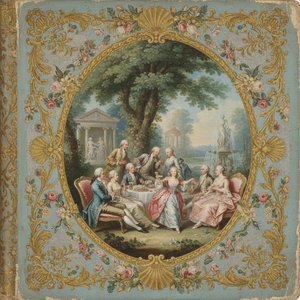
The Rococo Style: Aristocratic Leisure & the Pursuit of Delight in 18th-Century Art
Explore the opulent world of Rococo art! Discover Watteau, Boucher & Nattier's masterpieces. Expert insights for collectors seeking museum-quality reproductions and custom portraits at OriginalUniqueArt.

Топ 10 шедьоври на Рококото: Изкуство за вашия дом от OriginalUniqueArt.com
Разгледайте топ 10 шедьоври на Рококото – Вато, Буше, Фрагонар и други! Открийте историите зад тези емблематични картини и вдъхнете елегантност във вашия дом с репродукции от OriginalUniqueArt.com. Разгледайте пълната колекция онлайн.

The Rococo Aesthetic: Opulence, Rebellion & the Pursuit of Pleasure in 18th-Century Art
Explore the opulent world of Rococo art! Discover its origins, key artists like Watteau & Boucher, and lasting influence on design. Expert insights for collectors & enthusiasts.

The Allure of Elegance in Art: A Historical & Aesthetic Exploration of Refinement & Grace
Explore the exquisite world of Rococo art! Discover its history, masters (Watteau, Boucher & more), and defining elegance. Expert insights for collectors seeking museum-quality reproductions & custom portraits.


