 Изпрати
 Сподели
 Детайли
 Ръководство

 Изтегляне
 Подобни артикули
 Слайдшоу
 Q&A
Q&A Статистика
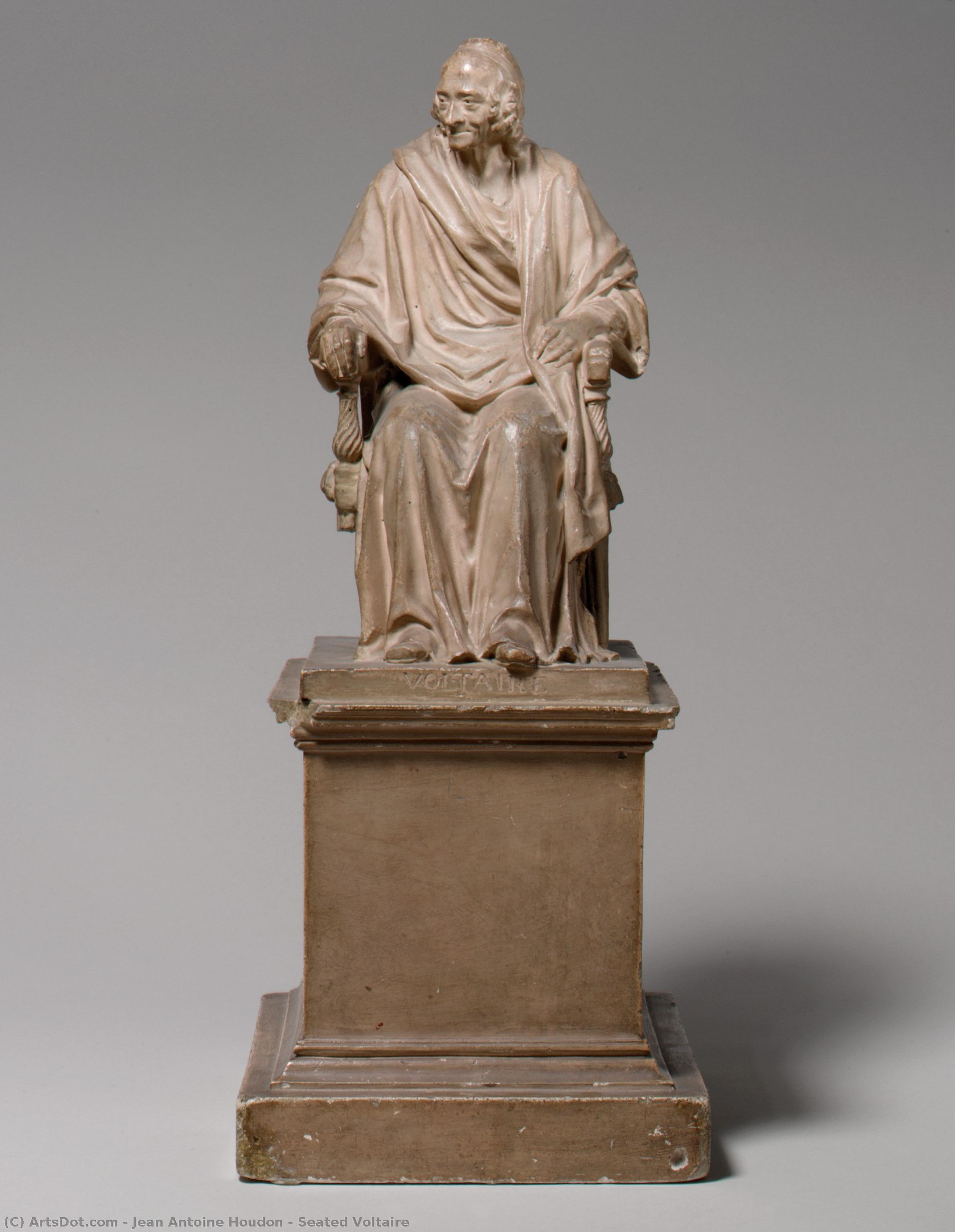
Seated Voltaire


 Прочети повече
Жикле / Художествен принт
Giclée печат или принт върху платно с музейно качество, бързо производство и гъвкави опции за завършен вид. ( Купете ръчно рисувана картина Превключване към дигитално изображение)




































Изберете от нашите предварително зададени размери, които съответстват на оригиналните пропорции на произведението.

Въведете необходимата ширина и височина, за да паснат на вашата рамка или стена. Принтовете могат само да се изрязват, но никога не могат да бъдат по-големи от оригиналната картина, така че при размер с различен формат част от изображението ще бъде загубена. Преди да започнем печат, ще ви изпратим дигитален мок업 за одобрение. Изображението, показано на тази страница, не показва реалното изрязване — само мок업ът го показва.
Доставка по целия свят () в рамките на 2 седмици вместо стандартните 4/5 седмици. (2 Ноември)

Безплатна експресна доставка по целия свят

Висококачествено ленено платно

Пълно застраховане на доставката

Гаранция за възстановяване на митнически такси

Гаранция за пълно съответствие на цветовете

Политика за връщане в рамките на 100 дни (само при дефекти)

100% Гаранция за връщане на сумата

Оферта за отстъпка при поръчка на повече бройки
 Опцията със стъкло е налична само за размери под 110 см

Seated Voltaire
Жикле / Художествен принт
Размер на репродукцията
-


Обща цена
€ 71
The Soul in Stone: Rediscovering Houdon’s Seated Voltaire
In the quiet, hallowed halls of art history, few works capture the electric tension of an era quite like Jean-Antoine Houdon’s "Seated Voltaire." Completed in 1778, this marble masterpiece is far more than a mere anatomical study; it is a profound distillation of the Enlightenment itself. As the philosopher Voltaire sat for the sculptor, he was not merely posing for a likeness, but participating in the creation of an enduring intellectual icon. Through Houdon’s masterful hands, the cold, unyielding medium of marble is transformed into a living, breathing testament to human reason and the restless spirit of inquiry that defined the eighteenth century.
To gaze upon this sculpture is to encounter a man caught in the very act of thought. The composition centers on the legendary thinker, seated with a dignity that commands the space around him. There is an intimate, almost whispered quality to the work, as if the viewer has stumbled upon a private moment of contemplation. Houdon, a sculptor who famously bridged the gap between the ornate flourishes of the Rococo and the disciplined grandeur of Neoclassicism, utilizes every ounce of his technical prowess to convey this psychological depth. The way the light catches the subtle folds of Voltaire’s robes and the furrowed brow of his forehead creates a silent dialogue between the stone and the spectator, inviting us to share in the philosopher's profound introspection.
A Masterclass in Neoclassical Precision
The technical brilliance of "Seated Voltaire" lies in Houdon’s ability to manipulate texture and line to evoke life. Working within his workshop, Houdon employed traditional sculpting tools to achieve an astonishing level of realism that borders on the miraculous. The marble surface is polished to a luminous finish, allowing for delicate tonal variations that mimic the softness of skin and the heavy drape of fabric. Every line is intentional; the sharp, precise contours of the facial features reflect the clarity of Voltaire’s intellect, while the smoother, flowing lines of the drapery provide a sense of classical elegance and movement.
For the discerning collector or interior designer, this piece offers a sophisticated study in monochromatic harmony. The palette—a serene arrangement of beiges, creams, and soft greys inherent to fine marble—provides a neutral yet visually rich anchor for any high-end space. It possesses a timeless quality that transcends fleeting trends, making it an ideal centerpiece for a library, a formal study, or a curated gallery wall. A high-quality reproduction of this work does not merely decorate a room; it elevates the entire atmosphere, infusing the environment with a sense of historical weight and intellectual prestige.
The Enduring Legacy of Enlightenment Thought
Beyond its aesthetic splendor, the sculpture serves as a powerful symbol of the values that shaped the modern world. In an age of revolution and radical new ideas, Houdon’s portrayal of Voltaire stands as a monument to the power of the human mind. The seated posture, stable and grounded upon its pedestal, suggests the enduring nature of truth and the permanence of philosophical legacy. There is a palpable sense of gravity in the work, a weight that is both physical—due to the density of the marble—and metaphorical, representing the heavy responsibility of wisdom.
Bringing a reproduction of "Seated Voltaire" into one's collection is an act of honoring this intellectual heritage. It serves as a daily reminder of the beauty found in clarity, the strength found in reason, and the artistry required to immortalize the human spirit. Whether viewed as a triumph of Neoclassical technique or as a window into the heart of the Enlightenment, Houdon’s work continues to inspire awe, offering a sophisticated touch of history and soul to the most refined contemporary interiors.
Въпроси и отговори
Какъв е основният нюанс, който прелива през „Seated Voltaire“ на Жан-Антоан Худон?
Доминиращ Golden Yellow Range нюанс прелива през „Seated Voltaire“ на Жан-Антоан Худон.
Колко светъл е „Seated Voltaire“ като цяло?
В общия случай „Seated Voltaire“ е записано като bright. Възприеманата яркост описва колко светло или тъмно изглежда произведението.
Каква е техниката и стилът на "Seated Voltaire"?
В „Seated Voltaire“ техниката Marble се среща с движението Neoclassical Sculpture.
Биография на художника
Jean-Antoine Houdon: The Neoclassical Sculptor With A-List Sitters
Jean-Antoine Houdon, born in Versailles in 1741, stands as a pivotal figure bridging the Rococo and Neoclassical eras—a sculptor whose work embodies the intellectual fervor and evolving aesthetic sensibilities of the eighteenth century. His life unfolded amidst dramatic shifts in French society, from the waning opulence of the monarchy through the revolutionary upheaval and Napoleonic ascendance. Yet, Houdon remained remarkably consistent in his artistic vision: to capture not merely a likeness, but the very essence of his subjects—their intellect, character, and inner lives—in enduring marble and bronze. This dedication stemmed from an early aptitude for sculpture, nurtured by formal training at the Académie Royale de Peinture et de Sculpture beginning in 1752 under esteemed sculptors like René-Michel Slodtz, Jean-Baptiste Lemoyne, and Jean-Baptiste Pigalle. His subsequent enrollment at the École Royale des Élèves Protégés from 1761 to 1764 solidified his foundation, culminating in a triumphant win of the Prix de Rome competition in 1761—an award that granted him invaluable study time with classical art firsthand in Italy, an experience profoundly shaping his aesthetic sensibilities.Early Training and Artistic Foundations
Houdon’s artistic journey commenced at a remarkably young age – nine years old – when he entered the Académie Royale de Peinture et de Sculpture. Recognizing his prodigious talent, instructors immediately enrolled him under the tutelage of masters renowned for their sculptural prowess: René-Michel Slodtz, Jean-Baptiste Lemoyne, and Jean-Baptiste Pigalle. These formative years instilled in Houdon a deep understanding of anatomical principles and established a bedrock of classical technique—skills that would prove instrumental throughout his illustrious career. The École Royale des Élèves Protégés further honed his abilities, providing him with specialized instruction focused on preparing aspiring artists for the Prix de Rome – an internationally recognized competition offering substantial funding and scholarly opportunities to young sculptors eager to immerse themselves in the artistic heritage of antiquity. Houdon’s decisive victory at the Prix de Rome in 1761—a triumph that secured him a year's worth of intensive study in Rome—marked a watershed moment, propelling him into the epicenter of European artistic innovation and cementing his connection with the ideals of Neoclassicism.The Pursuit of Verisimilitude: Anatomical Precision and Observational Skill
Houdon’s sculptures are instantly recognizable for their breathtaking realism and meticulous attention to detail—a hallmark that distinguishes him from many of his contemporaries who favored idealized representations. He wasn't content with simply replicating physical features; he sought to penetrate the surface, revealing the personality and intellect within. This unwavering commitment to verisimilitude stemmed from a profound fascination with anatomy—evident in his celebrated *Muscleman Sideview* bronze sculpture—and an unrelenting dedication to observation. Houdon’s method was revolutionary for its time: he eschewed conventional artistic conventions by undertaking painstaking casts directly from life, allowing him to capture the subtle nuances of musculature and posture with unparalleled accuracy. This technique demanded a meticulous understanding of human anatomy combined with acute perceptual skills—qualities that Houdon cultivated diligently throughout his lifetime. Unlike sculptors who idealized their subjects based on classical ideals or mythological narratives, Houdon embraced imperfections, believing they contributed to a more truthful and compelling portrayal. He skillfully incorporated subtle variations in skin tone, drapery folds, and facial expressions to convey not only physical appearance but also psychological character—a feat that elevated portraiture to an art form capable of profound emotional resonance.A Pantheon of Enlightenment Figures: Portraits That Capture Essence
Houdon’s artistic reputation soared during the Enlightenment era, fueled by his prolific output of portraits depicting luminaries of the intellectual and political landscape. He captured the spirit of thinkers like Denis Diderot—whose inquisitive gaze embodies the pursuit of knowledge—Benjamin Franklin—portrayed with dignified composure and shrewd intelligence—and Jean-Jacques Rousseau—expressing both passion and melancholy—with remarkable sensitivity. Perhaps his most iconic achievement was his sculpture of Voltaire—creating multiple versions of the celebrated writer, including a dynamic seated figure for the Comédie-Française that captures his wit and intellectual energy. This masterpiece exemplifies Houdon’s ability to distill complex personalities into enduring marble forms—a testament to his artistic genius and his profound understanding of human psychology. Beyond these influential figures, Houdon received commissions from royalty, notably Louis XVI, and rising political figures like Napoleon Bonaparte—further solidifying his position as one of the foremost sculptors of his time. His portraits transcended mere likeness; they conveyed not just how someone looked but *who* they were—a distinction that cemented Houdon’s legacy as a sculptor who elevated portraiture to an art form capable of capturing the very soul of his subjects.Legacy and Enduring Influence
Jean-Antoine Houdon's impact on the world of sculpture is undeniable. He revolutionized portraiture by prioritizing anatomical precision and psychological insight—establishing new standards for sculptural representation that continue to inspire artists today. His unwavering dedication to realism, combined with his ability to convey inner life through subtle gestures and expressions, secured his place as a master sculptor whose work embodies the spirit of Neoclassicism. Throughout his lifetime, Houdon garnered widespread acclaim, culminating in recognition as a Chevalier de la Légion d’honneur in 1804—a testament to his esteemed status within French society. His sculptures remain highly valued for their artistic merit and historical significance—serving as enduring symbols of the Enlightenment era and demonstrating the transformative power of art to capture the human experience across generations. Houdon's legacy persists, reminding us that true artistry lies in revealing not just what is seen but what resides beneath the surface—a principle that continues to resonate with artists and scholars alike.
Жан-Антоан Худон
1741 - 1828 , Франция
Бърза информация
- Artistic Movement Or Style: Неокласицизъм Реализъм
- Artists Or Movements Influenced By This Artist: ['Канова']
- Artists Who Influenced This Artist:
- Рене-Мишел Слодц
- Жан-Баптист Лемур
- Жан-Баптист Пигале
- Date Of Birth: 1741
- Full Name: Jean-Antoine Houdon
- Nationality: Френски
- Notable Artworks:
- Дядо Кориоан
- Морфей
- Place Of Birth: Versailles, Франция
Свързани статии

Топ 10 Бронзови Скулптури, Променили Изкуството завинаги | OriginalUniqueArt.bg
Разгледайте топ 10 легендарни бронзови скулптури, променили изкуството! От Роден до Микеланджело – истории на гении и вечни шедьоври. Вдъхновете се за вашия дом с OriginalUniqueArt.bg. Разгледайте пълната колекция онлайн!

Топ 10 легендарни бронзови шедьоври, променили изкуството завинаги | OriginalUniqueArt.com
Разгледайте топ 10 легендарни бронзови шедьоври, променили изкуството! От скулптурите на Роден до Микеланджело – историите зад вечните произведения. Висококачествени репродукции и идеи за интериор в OriginalUniqueArt.com.

Timeless Elegance: A Complete Guide to the Sublime Beauty and Artistry of Marble Sculpture
Discover the sublime beauty of marble art through an expert exploration of Renaissance and Neoclassical masterpieces. From the delicate textures of Carpeaux to the grandeur of Sansovino, immerse yourself in a guide to timeless elegance and sculptural perfection.

The Enduring Form: Exploring Themes & Techniques in Sculpture Across Historical Periods
Explore the rich history of sculpture from ancient masterpieces to contemporary innovations. Discover key techniques, influential artists & investment potential for discerning art collectors.

The Enduring Allure of Marble in Art History: From Classical Sculpture to Modern Abstraction
Explore the captivating history of marble sculpture from ancient Greece to modern art. Discover renowned artists like Canova & Michelangelo, carving techniques, and investment insights at OriginalUniqueArt.


