
 Сподели
 Сподели
 Подробности
 Ръководство

 Изтегляне
 Подобни артикули
 Слайдшоу
 Статистика
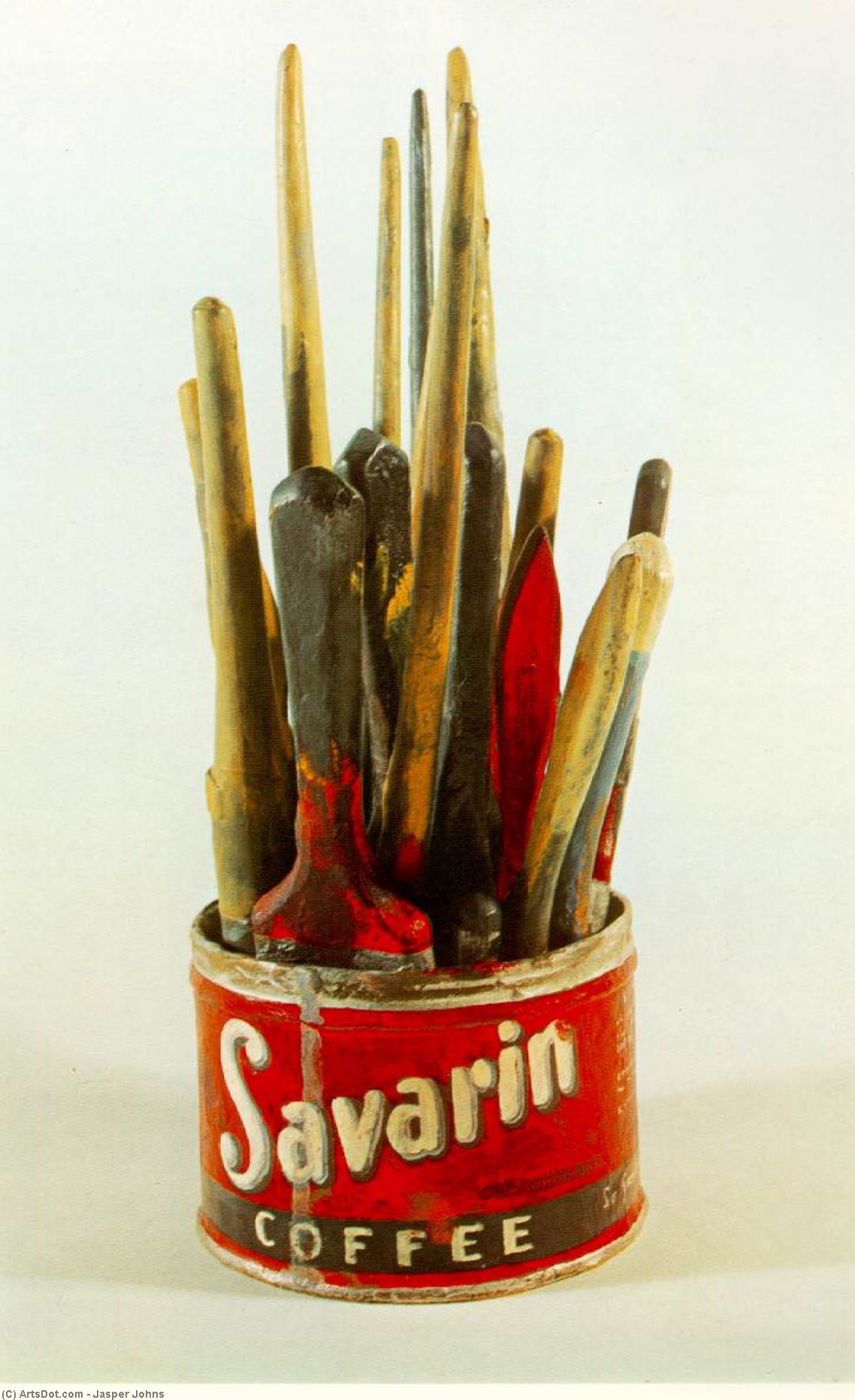
Painted Bronze

 Разгърни целия текст
Изкуството, представено на тази страница, е защитено от законите за авторско право, което означава, че не можем законно да създаваме или продаваме идентични репродукции. Тази защита се прилага съгласно международни споразумения като Бернска конвенция и от националното законодателство, включително разпоредбите на Закон за авторското право на САЩ – Раздел 17.
Като уважителна и законна алтернатива, ние предлагаме изработени по поръчка, ръчно рисувани произведения на изкуството, вдъхновени от оригинала. Нашите умени и професионални артисти внимателно изучават стила, настроението и артистичната същност на оригиналното произведение, за да създадат ново, уникално творческо произведение, което предизвиква същото чувство – оставайки в същото време самостоятелно оригинално творение.
Този метод е напълно съвместим с законите за авторско право, тъй като не включва копиране или дублиране на защитеното произведение. Вместо това става въпрос за творческа реинтерпретация – нова картина, която е вдъхновена от оригинала, но не е идентична с него.
Ръчно изработена маслена репродукция
Ръчно рисувана маслена картина върху платно във вашия размер и рамка, изработена по поръчка от нашите художници. ( Избор на принт Превключване към дигитално изображение)




































Изберете от нашите предварително зададени размери, които съответстват на оригиналните пропорции на произведението.

Въведете необходимата ширина и височина, за да паснат на вашата рамка или стена. Тъй като това е ръчна работа, при избор на размер с различен формат, художникът може да нарисува малко повече около картината или да отреже малко от периферията — вие избирате. Преди да започне рисуването, ще ви изпратим дигитален мок업 за одобрение. Картината, показана на тази страница, не е реалният резултат — само мок업ът го показва.
След получаване на поръчка, екипът на OriginalUniqueArt.com ще изпрати имейл до клиента с инструкции и ще предостави примерен макет за преглед.
Доставка по целия свят () в рамките на 3-4 седмици вместо стандартните 5 седмици. (21 Октомври). Без компромис с качеството.

Безплатна експресна доставка по целия свят

Висококачествено ленено платно

Пълно застраховане на доставката

Гаранция за възстановяване на митнически такси

Гаранция за пълно съответствие на цветовете

Политика за връщане в рамките на 100 дни (само при дефекти)

100% Гаранция за връщане на сумата

Отстъпка при поръчка на повече произведения
 Опцията със стъкло е налична само за размери под 110 см

Painted Bronze
Техника на репродукция
Размер на репродукцията
-


Крайна цена
€ 262
The Genesis of a Simple Object
Jasper Johns' Painted Bronze, created in 1960 but cast and painted the following year, is deceptively simple. At first glance, it presents as two unassuming twelve-ounce beer cans – rendered in bronze and meticulously painted to mimic their metallic counterparts – resting upon a stark, rectangular base. Yet, this apparent banality belies a profound engagement with American iconography, artistic tradition, and the very nature of representation. The genesis of this work is famously attributed to a seemingly offhand remark from Willem de Kooning, a fellow Abstract Expressionist, who reportedly suggested Johns “give that son-of-a-bitch two beer cans” – an observation that highlighted the burgeoning commercialization of art and the potential for transforming everyday objects into compelling subjects.
The anecdote, though perhaps embellished, underscores a key element of Johns’s artistic strategy: his ability to elevate the mundane to the level of significance. He wasn't interested in grand narratives or abstract explorations; instead, he sought to distill meaning from the familiar – the commonplace objects that populate our daily lives. This approach aligns with a broader shift within American art during the 1960s, moving away from the emotionally charged landscapes and figures of Abstract Expressionism towards a more direct engagement with recognizable imagery.
Technique and Materiality: A Dialogue Between Paint and Metal
The technical execution of Painted Bronze is remarkably precise. Johns meticulously cast the beer cans in bronze, ensuring their form was faithfully replicated. However, rather than leaving them to their inherent materiality, he then applied a layer of paint – a muted gold-brown hue – that deliberately obscures and distorts the metallic surface. This act of painting isn’t merely decorative; it's a deliberate disruption of the material’s natural appearance, creating a fascinating dialogue between the cold solidity of bronze and the ephemeral qualities of paint.
The choice of bronze itself is significant. Bronze, historically associated with antiquity and permanence, lends an air of gravitas to the seemingly trivial subject matter. It elevates the beer cans from mere consumer goods to objects imbued with a sense of historical weight and symbolic resonance. The uneven application of paint further emphasizes this tension – suggesting a process of deliberate imperfection, mirroring the artist’s own approach to representation.
Symbolism and American Identity
Beyond its technical merits, Painted Bronze is deeply rooted in American iconography. Beer cans, ubiquitous symbols of post-war prosperity and consumer culture, immediately evoke a specific historical context. The reference to “ale” – a term associated with a more refined and established social class – adds another layer of meaning, subtly referencing the hierarchies and distinctions that defined American society at the time.
Furthermore, Johns’s decision to depict beer cans rather than, say, flags or maps—other recurring motifs in his work—is particularly revealing. Flags and maps are inherently symbolic, representing national identity and geopolitical power. Beer cans, on the other hand, represent a more intimate and personal experience – a shared ritual of consumption that connects individuals across diverse social groups. In this way, Johns transforms an everyday object into a potent symbol of American culture and its complex relationship with commerce and consumerism.
Emotional Resonance and Artistic Legacy
Despite its seemingly simple composition, Painted Bronze possesses a remarkable emotional resonance. The work invites contemplation on the nature of representation, the blurring of boundaries between art and life, and the enduring power of everyday objects to evoke profound meaning. It’s a testament to Johns's ability to distill complex ideas into deceptively straightforward forms, leaving the viewer with a lingering sense of ambiguity and wonder.
Painted Bronze stands as a pivotal work in Jasper Johns’s oeuvre, exemplifying his innovative approach to subject matter and technique. It remains a compelling example of American art's engagement with contemporary culture and its exploration of the symbolic potential within the mundane.
Въпроси и отговори
Има ли „Painted Bronze“ преглед с добавена реалност?
„Painted Bronze“ има преглед с добавена реалност: страницата AR преглед на произведението го показва в собственото ви пространство чрез съвместимо устройство.
Има ли наръчник за „Painted Bronze“ на Джаспер Джонс?
Наръчникът за „Painted Bronze“ е страницата Ръководство на произведението – предназначен за принтиране информационен лист, който представя творбата заедно с нейното описание, авторство и таблица с данни (художник, дати, техника, оригинален размер, колекция).
Какъв е основният нюанс, който прелива през „Painted Bronze“ на Джаспер Джонс?
Доминиращ Ochre to Sepia нюанс прелива през „Painted Bronze“ на Джаспер Джонс.
Биография на художника
A Life Painted in Symbols: The World of Jasper Johns
Jasper Johns emerged as a pivotal figure in the landscape of American art, bridging the emotive intensity of Abstract Expressionism with the burgeoning Pop Art movement that would soon redefine artistic boundaries. Born in Augusta, Georgia, in 1930, his early life was marked by a sense of displacement following his parents’ divorce, an experience that perhaps subtly informed his later explorations of identity and belonging within the context of American iconography. His formative years unfolded across various schools before he briefly attended the University of South Carolina, but it wasn't until his move to New York City in 1949 that Johns truly began to forge his artistic path. A period of service during the Korean War further shaped his perspective, exposing him to a world far removed from the burgeoning art scene he was eager to embrace upon his return.Breaking with Abstraction: The Dawn of a New Visual Language
The post-war American art world was dominated by Abstract Expressionism—a style characterized by spontaneous gesture and deeply personal emotional expression. While initially influenced by this movement, Johns felt compelled to move beyond its purely non-representational approach. He sought a new visual language, one that incorporated recognizable imagery not as illustrations but as vehicles for deeper contemplation. This wasn’t simply about *depicting* the world; it was about questioning how we perceive and interpret symbols within it. Key influences guided his departure: Marcel Duchamp's radical readymades challenged conventional notions of art-making, demonstrating that ordinary objects could be elevated to the status of art through their presentation, while the emphasis on materiality in Abstract Expressionism informed Johns’ early techniques. However, it was the everyday objects and potent symbols of American culture—flags, targets, maps, numbers—that truly became central to his artistic vocabulary. He wasn’t interested in escaping representation; he wanted to dissect it, layer it with meaning, and ultimately reveal its inherent ambiguities. Johns' early work often involved a deliberate blurring of the lines between painting and collage, incorporating elements like newsprint and found objects into his compositions, reflecting a fascination with the process of seeing and making art.Iconic Images: Flags, Targets, and the Language of Symbols
Johns’ breakthrough works arrived in the mid-1950s, instantly establishing him as a force to be reckoned with. His paintings of flags, most notably *Flag* (1954–55), were not patriotic declarations but rather investigations into the very nature of representation. Rendered in a semi-abstract style, using encaustic—pigment mixed with hot wax—and collage techniques, these flags weren’t simply images; they were textured surfaces laden with symbolic weight. The image of the flag itself became a recurring motif, explored through variations and reinterpretations that challenged conventional notions of national identity. Similarly, his series of target paintings – beginning in 1958 – explored themes of visibility, danger, and the act of marking. These works were not celebrations of hunting but rather meditations on the relationship between the viewer and the object being observed. *Map* (1961), with its fragmented and layered depictions of the United States, delved into themes of geography, identity, and the complexities of national representation. Johns’ approach was to present maps as incomplete records, suggesting that our understanding of space is always subjective and mediated by perception. Works like *False Start* (1959) demonstrated his experimentation with language and visual codes, creating complex compositions that challenged viewers to decipher their underlying meanings. Even *White Flag* (1955), a seemingly simple monochrome canvas, prompted profound questions about absence, surrender, and the very act of seeing.A Legacy of Influence: Paving the Way for Pop Art and Beyond
Jasper Johns’ impact on the trajectory of modern art is undeniable. He played a crucial role in the transition from Abstract Expressionism to Pop Art, challenging the prevailing aesthetic norms and opening up new avenues for artistic exploration. By embracing recognizable imagery, he paved the way for artists like Andy Warhol and Roy Lichtenstein, who would further blur the lines between high art and popular culture. His close collaboration with Robert Rauschenberg was also profoundly influential, fostering a spirit of experimentation and pushing the boundaries of artistic practice. Johns’ work often involved a deliberate juxtaposition of seemingly disparate elements—the familiar and the abstract, the concrete and the symbolic—creating works that demanded active engagement from the viewer. He wasn't interested in providing easy answers but rather in stimulating critical reflection on the nature of art, representation, and the world around us. Johns’ enduring legacy lies not only in the iconic images he created but also in the profound questions he raised about the nature of representation, symbolism, and the very essence of what it means to be an artist in a rapidly changing world.Recognition and Enduring Impact
Throughout his illustrious career, Jasper Johns has received numerous accolades, including a Golden Lion at the Venice Biennale in 1988, the National Medal of Arts in 1990, and the Presidential Medal of Freedom in 2011. His works are held in major museum collections worldwide—the Museum of Modern Art, the Whitney Museum of American Art, the Metropolitan Museum of Art in New York, and Tate Modern in London, to name just a few. He has been the subject of countless exhibitions, cementing his status as one of the most important figures in 20th and 21st-century art. Beyond his paintings, Johns’ contributions extend to sculpture and printmaking, demonstrating his versatility and unwavering commitment to artistic innovation. He remains an active artist, constantly evolving his approach and solidifying his position as a leading figure in contemporary art.
Джаспер Джонс
1930 - , Съединени Американски Щати
Бързи факти
- Artistic Movement Or Style: Поп арт, Абстрактен експресионизъм
- Artists Or Movements Influenced By This Artist:
- Andy Warhol
- Roy Lichtenstein
- Artists Who Influenced This Artist: ['Marcel Duchamp']
- Date Of Birth: 15 май 1930
- Full Name: Jasper Johns
- Nationality: Американски
- Notable Artworks:
- Flag
- Target
- Map
- Place Of Birth: А Augusta, САЩ
Свързани статии

The Enduring Legacy of Bronze Sculpture: A Collector's Guide to Form & Cultural Significance
Explore the rich history & enduring appeal of bronze sculpture with expert insights for collectors at OriginalUniqueArt. Learn about casting techniques, iconic artists, and collecting tips to build a discerning art collection.

The Enduring Legacy of Bronze: A Historical & Artistic Exploration for the Collector
Explore the rich history & enduring appeal of bronze sculpture with expert insights for collectors at OriginalUniqueArt. Learn about casting techniques, iconic artists, collecting tips & contemporary interpretations.
The Enduring Legacy of Bronze: History, Technique & Artistic Expression for the Collector
Explore the rich history & enduring appeal of bronze sculpture with expert insights for collectors at OriginalUniqueArt. Learn about casting techniques, iconic artists, and collecting tips.

Топ 10 Бронзови Скулптури, Променили Изкуството завинаги | OriginalUniqueArt.bg
Разгледайте топ 10 легендарни бронзови скулптури, променили изкуството! От Роден до Микеланджело – истории на гении и вечни шедьоври. Вдъхновете се за вашия дом с OriginalUniqueArt.bg. Разгледайте пълната колекция онлайн!

Топ 10 легендарни бронзови шедьоври, променили изкуството завинаги | OriginalUniqueArt.com
Разгледайте топ 10 легендарни бронзови шедьоври, променили изкуството! От скулптурите на Роден до Микеланджело – историите зад вечните произведения. Висококачествени репродукции и идеи за интериор в OriginalUniqueArt.com.


