

 Представи си го
 Изпрати
 Сподели
 Детайли

 Изтегляне
 Подобни
 Рентгенова снимка
 Слайдшоу
The Ford
 Oil On Canvas
- WallArt
- Baroque Landscape Painting
 1670
1670- Early Modern
 64.0 x 54.0 cm
 Държавни музеи в Берлин
 Прочетете повече
Жикле / Художествен принт
Giclée печат или принт върху платно с музейно качество, бързо производство и гъвкави опции за завършен вид. ( Купете ръчно рисувана картина Купете изображение)




P118B $10

P118H $10

P118W $10

P438Z $10

P508JH $12

P508YH $12

P805H $10

P805Z $10

P919BZ $10

P919G $10

P919XJ $10

P959ZH $10

P968JZ $12

W106C $8

W218G $10

W218JH $8

W218Y $10

W307PJ $10

W316G $10

W316PJ $8

W316Y $10

W398PJ $8

W4111J $10

W500HY $15

W500JH $15

W692G $12

W849H $8

W940BG $15

W953PJ $8




Изберете от предварително зададените размери, които съответстват на оригиналните пропорции на произведението.

Можете да въведете собствени размери, за да паснат на конкретна рамка или пространство. Ако избраният от Вас размер не съвпада с пропорциите на оригиналното изображение, ние ще изрежем произведението или ще разширим изображението с огледален или едноцветен ръб. Дигитален макет ще бъде изпратен за Ваше одобрение преди започването на производството.
Моля, имайте предвид, че предпрегледът на екрана не отразява реалното изрязване или разширяване. Само макетът ще покаже точно финалната композиция.
Въпреки че са налични персонализирани размери, препоръчваме да изберете размер от предварително дефинирания списък, за да запазите оригиналните пропорции.
Доставка по целия свят () в рамките на 2 седмици вместо стандартните 4/5 седмици. (16 Август)

Безплатна експресна доставка по целия свят

Висококачествено ленено платно

Пълно застраховане при доставка

Гаранция за възстановяване на митнически такси

Гаранция за цветова точност

60-Дневен период за връщане (Само при дефекти)

100% Гаранция за връщане на парите

Предложение за отстъпка при поръчка на едро
 Стъклото е налично само в размери под 110 см

The Ford
Жикле / Художествен принт
Размер на репродукцията
-


Обща цена
$ 80
Описание на колекционерския предмет
A Flemish Vision in England: Exploring Jan Siberechts’ “The Ford”
Jan Siberechts’ “The Ford,” completed in 1670, stands as a remarkable testament to the evolving artistic landscape of seventeenth-century Europe. Situated at the crossroads between Flemish Baroque tradition and burgeoning English landscape painting—a period marked by significant cultural exchange—the artwork offers a captivating glimpse into both stylistic influences and broader societal concerns.
Subject Matter and Composition
The scene depicts a tranquil riverside vista populated by livestock – cows, horses, and dogs – overseen by a woman carrying a basket. This seemingly simple composition belies a complex layering of symbolism rooted in Flemish pastoral iconography. Cows traditionally represented fertility and prosperity within the Dutch Republic, while horses symbolized nobility and strength. The presence of dogs underscored themes of loyalty and guardianship.
Stylistic Influences: Baroque Meets Landscape
Siberechts’ approach aligns closely with the Baroque aesthetic prevalent in Antwerp at the time—characterized by dramatic lighting, rich color palettes, and meticulous detail. However, unlike purely topographical depictions favored by English artists, “The Ford” incorporates elements of landscape painting, albeit subtly integrated into the overall narrative framework. This blending reflects the growing fascination with capturing atmospheric effects and conveying emotional resonance – a hallmark of Baroque art’s ambition.
Technique: Oil Paint on Canvas
Executed in oil paint on canvas—a technique common to Flemish masters—Siberechts employed meticulous brushwork to achieve textural realism. Careful attention was paid to rendering the surfaces of the animals and foliage, creating a palpable sense of depth and luminosity. The artist skillfully utilized chiaroscuro – the interplay between light and shadow – to heighten dramatic tension and guide the viewer’s gaze.
Historical Context: Patronage and Artistic Innovation
"The Ford" was commissioned by a wealthy landowner, demonstrating the importance of aristocratic patronage in fostering artistic innovation. Siberechts' work exemplifies the broader trend toward depicting idealized rural life—a genre that resonated deeply with audiences eager for escapism from urban anxieties. It represents not merely a beautiful landscape but also an articulation of humanist values – harmony between humanity and nature – reflecting the intellectual currents shaping seventeenth-century Europe.
Emotional Impact: Serenity Amidst Pastoral Beauty
Ultimately, “The Ford” succeeds in evoking a profound sense of serenity and contemplative wonder. The artist’s masterful handling of color and light contributes to an atmosphere of tranquility, inviting viewers to immerse themselves in the idyllic beauty of the riverside scene. It serves as a poignant reminder of the enduring power of art to capture fleeting moments of sublime experience—a legacy that continues to inspire admiration centuries later.
Биография на художника
Jan Siberechts (1627–1703): A Flemish Pioneer of English Landscape Painting
Jan Siberechts, born in Antwerp in 1627, stands as a remarkable confluence of artistic currents—a pivotal link between the rich heritage of Flemish painting and the burgeoning landscape tradition blossoming across England. His life story is one interwoven with talent, patronage, and ultimately, an indelible mark on British art history. The son of a sculptor also named Jan Siberechts, he absorbed foundational skills and aesthetic sensibilities within his father’s workshop—a formative experience that would shape his artistic trajectory. By 1648, he achieved master status in the prestigious Guild of Saint Luke in Antwerp, signifying recognition for his considerable craftsmanship. While definitive evidence remains elusive regarding a possible journey to Italy during the late 1640s or early 1650s—a speculation supported by art historians—it’s undeniable that exposure to Italianate landscape painting—characterized by classical compositions and atmospheric perspective—likely influenced his evolving style, visible in his earliest works. These pieces demonstrate a harmonious blend of Flemish realism and Italianate ideals.Early Training and Influences
Siberechts’ initial artistic education unfolded within the familial workshop, fostering an appreciation for sculptural techniques alongside painting. This grounding provided him with invaluable insight into form and texture—elements that would permeate his subsequent canvases. His formative years coincided with the ascendancy of Dutch masters like Nicolaes Berchem and Karel Dujardin, whose pastoral scenes and nuanced light effects captivated Siberechts’ sensibilities. These artists skillfully conveyed emotion through subtle tonal gradations and atmospheric haze—approaches that resonated deeply with Siberechts' artistic inclinations. The influence of Berchem and Dujardin is particularly evident in Siberechts’ early landscapes—where he meticulously captures the ethereal beauty of twilight or dawn, mirroring their masterful use of light and color.From Flemish Countryside to English Estates
The 1660s marked a transformative period for Siberechts’ artistic evolution. He decisively embraced his own distinctive style, focusing intently on depictions of the Flemish countryside—a realm brimming with rural life and populated by figures imbued with vitality. Unlike purely topographical representations, Siberechts' canvases strive to immerse viewers in the atmosphere of Flanders—capturing not merely what is seen but also how it feels. His compositions frequently feature women engaged in everyday tasks—weaving, milking cows, tending gardens—presented with dignified grace and rendered in brilliant hues that punctuate the verdant landscapes. He achieved this remarkable effect through masterful manipulation of water reflections—creating visual echoes and enhancing depth—a technique honed by observing the luminaries of Dutch landscape painting. Siberechts’ meticulous attention to detail—particularly in portraying human figures—reflects a broader artistic preoccupation with conveying emotion and capturing psychological nuance.A Patronage Affair: Collaboration with George Villiers
Siberechts' artistic reputation gained considerable momentum thanks to his association with George Villiers, the Second Duke of Buckingham—a relationship that propelled him into the orbit of England’s aristocratic elite. Recognizing Siberechts’ exceptional talent, Buckingham invited him to undertake a monumental commission: decorating Cliveden House—Buckinghamshire’s opulent estate—a project that cemented Siberechts' position as a pioneer of English landscape painting. This undertaking demanded considerable artistic ingenuity and technical prowess—necessitating the creation of vast murals adorned with intricate depictions of pastoral scenes and mythological figures. The resulting artwork stands as a testament to Siberechts’ ability to synthesize disparate influences—drawing upon Flemish tradition while adapting to the stylistic conventions of his new surroundings.Legacy and Artistic Significance
Jan Siberechts' contribution to British art history is undeniable—he established a precedent for documenting English landscapes with sensitivity and artistic vision. His topographical views weren’t merely accurate representations; they were carefully constructed compositions that conveyed a profound understanding of place and atmosphere. He profoundly impacted subsequent generations of artists—Peter Tillemans, Pieter Andreas Rijsbrack, Hendrik Frans de Cort among them—who continued to explore the expressive potential of landscape painting with similar skill and conviction. Approximately one hundred paintings attributed to Siberechts survive—offering invaluable insight into his artistic development and stylistic evolution. His distinctive palette—characterized by luminous whites, vibrant reds, and yellows—served as a striking contrast against the lush greenery of his canvases—a technique that exemplifies his mastery of color theory. Siberechts’ enduring legacy resides not only in his technical virtuosity but also in his ability to evoke emotion and transport viewers into the heart of the Flemish countryside—a feat that continues to inspire admiration centuries later. His paintings are more than mere depictions; they are portals to a bygone era, encapsulating the spirit of both Flemish artistry and English grandeur.
Ян Сиберехтс
1627 - 1703 , Белгия
Бързи факти
- Artistic Movement Or Style: Барокко, Пейзаж
- Artists Or Movements Influenced By This Artist: ['Питер Тилемманс']
- Artists Who Influenced This Artist:
- Николаас Берхем
- Карел Дужардин
- Date Of Birth: 1627
- Date Of Death: 1703
- Full Name: Jan Siberechts
- Nationality: Фламандски
- Notable Artworks:
- Пейзаж с фигури
- Бълкиз Естейт
- Place Of Birth: Антверпен, Белгия
Всички статии

Idyllic Visions: Exploring the Pastoral Scene in Art History – From Arcadia to Modern Interpretations
Explore the captivating history of pastoral art from classical Arcadia to modern masterpieces. Discover key artists like Millet & Cole at OriginalUniqueArt. Find serene landscape paintings for your home.
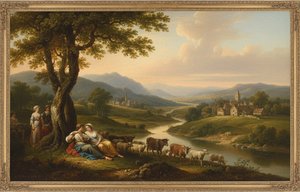
Idyllic Visions: Exploring the Pastoral Tradition in Western Art – Themes, Techniques & Enduring Appeal
Explore the rich history of pastoral art from classical Arcadia to contemporary interpretations. Discover key artists, themes & collecting tips at OriginalUniqueArt.
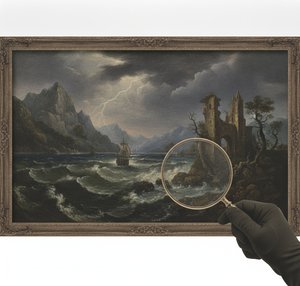
Epic Drama & Dark Vibes: The Ultimate Collector's Guide to Baroque Landscapes
Master the art of drama with our ultimate guide to Baroque landscapes. Discover the power of chiaroscuro, explore legendary masters, and learn how to curate epic, dark-vibe masterpieces for your collection with expert insights from OriginalUniqueArt.
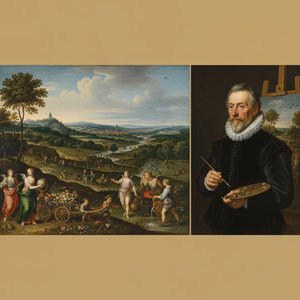
Jan Brueghel the Elder: A Master of Flemish Landscape & Allegory – Exploring Innovation & Influence
Explore the captivating world of Jan Brueghel the Elder, a Flemish Baroque master renowned for his stunning landscapes & allegorical paintings. Discover his collaborations with Rubens and lasting artistic legacy.
Топ 10 шедьовъра, изобразяващи пейзажа: Изкуство за вашия дом от OriginalUniqueArt
Открийте топ 10 шедьовъра в пейзажната живопис! Ван Гог, Моне и други велики художници. История на изкуството, техники и емоции. Репродукции с музейно качество за вашия дом от OriginalUniqueArt.com.

