
 Преглед в реален мащаб
 Изпрати
 Сподели
 Детайли
 Ръководство

 Изтегляне
 Подобни артикули
 Рентгенова снимка
 Слайдшоу
 Въпроси и отговори
 Статистика
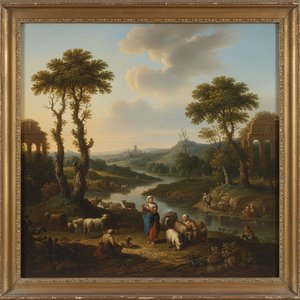
Landscape with a Battle between Two Rams

- 173.0 x 248.0 cm


 Прочети повече
Жикле / Художествен принт
Giclée печат или принт върху платно с музейно качество, бързо производство и гъвкави опции за завършен вид. ( Купете ръчно рисувана картина Превключване към дигитално изображение)




































Изберете от нашите предварително зададени размери, които съответстват на оригиналните пропорции на произведението.

Въведете необходимата ширина и височина, за да паснат на вашата рамка или стена. Принтовете могат само да се изрязват, но никога не могат да бъдат по-големи от оригиналната картина, така че при размер с различен формат част от изображението ще бъде загубена. Преди да започнем печат, ще ви изпратим дигитален мок업 за одобрение. Изображението, показано на тази страница, не показва реалното изрязване — само мок업ът го показва.
Доставка по целия свят () в рамките на 2 седмици вместо стандартните 4/5 седмици. (10 Ноември)

Безплатна експресна доставка по целия свят

Висококачествено ленено платно

Пълно застраховане на доставката

Гаранция за възстановяване на митнически такси

Гаранция за пълно съответствие на цветовете

Политика за връщане в рамките на 100 дни (само при дефекти)

100% Гаранция за връщане на сумата

Оферта за отстъпка при поръчка на повече бройки
 Опцията със стъкло е налична само за размери под 110 см

Landscape with a Battle between Two Rams
Жикле / Художествен принт
Размер на репродукцията
-


Обща цена
€ 73
Въпроси и отговори
Може ли изображението на „Landscape with a Battle between Two Rams“ на Ян Миел да се репродуцира свободно?
Статусът на авторското право за „Landscape with a Battle between Two Rams“ на Ян Миел: произведението е в обществено достояние – авторското право е изтекло. Това определя дали могат да се правят свободно репродукции на изображението.
Колко наситени са цветовете на "Landscape with a Battle between Two Rams"?
Цветовете на „Landscape with a Battle between Two Rams“ на Ян Миел излъчват Muted наситеност с Monochromatic интензивност.
Цветовете на "Landscape with a Battle between Two Rams" изглеждат силни или нежни?
„Landscape with a Battle between Two Rams“ на Ян Миел демонстрира Monochromatic интензивност на цветовете.
Биография на художника
Ян Миел: Мост между нидерландския реализъм и бароковата грандиозност
Ян Миел (1599–1663) се издига като ключова фигура в художествения пейзаж на семнадесетия век, олицетворявайки зашеметяващото сливане на фламандската традиция и италианската иновация. Роден в Беверен, Белгия — макар Антверпен и ’с-Хертогенбос да остават претенденти за неговото място на раждане — ранният живот на Миел остава обвит в относителна мистерия, оставяйки биографичните детайли оскъдни. Въпреки това, това, което се откроява от научните изследвания, е едно забележително художествено пътешествие, белязано от стилистична еволюция и съвместни усилия, които затвърждават неговото място в жизнената културна среда на Рим и Турин.
Формативните му години са прекатени в усъвършенстване на занаята му предимно в Антверпен, къде той е попитал влиянията на видни фламандски майстори като Антоан ван Дайк. Макар точният обхват на неговото обучение да остава несигурен, то несъмнено е вдъхнало в него чувство за цеنة на прецизната обсервация и фината техника — качества, които биха характеризирали голяма част от неговото последващо творчество. Тази фундаментална основа в класическото рисуване и портретиране е предоставила есенциалния инструментариум за кариера, която в крайна сметка ще надхвърли регионалните граници.
Римската трансформация и духът на „Бамбочанти“
Пристигането на Миел в Рим около 1636 г. бележи трансформативен момент в неговата артистична траектория. Той бързо се присъединява към Bentvueghels, влиятелнотоassociation на нидерландски и фламандски художници, пребиваващи в Вечния град. В това братство той приема запомненото прозвище „bieco“, което отразява неговия специфичен присвиващ поглед — характеристика, която ще стане синоним на неговата артистична личност. Тази принадлежност изгражда дълбоки връзки в една по-широка художествена общност, силно повлияна от стила на Bamboccianti на Питер ван Лаер.
Това движение е посветено на изобразяването на сцени от ежедневието сред по-ниските класове в Рим и неговите околности, избягвайки идеализираната грандиозност на изкуството от Високата ренесанс за нещо много по-висцерално и непосредствено. Миел приема тази тенденция с цялото си сърце, създавайки завладяващи жанрови картини, които улавят духа на градското съществуване с забележителна реализъм и чувствителност. Неговите творби често включват:
- Живописни улични сцени, населени с пътешественици, търговци и работници.
- Майсторско използване на светлината за пресъздаване на прашната, напоена със слънце атмосфера на римските алеи.
- Финото взаимодействие на човешката емоция в претъпкани и хаотични обстановки.
- Прецизно внимание към текстурите на тъканите, камъка и земята.
Еволюция към класицизъм и дворска грандиозност
С напредването на неговата кариера художественото виждане на Миел претърпява значителна метаморфоза. Въпреки че остава майстор на жанровата сцена, той започва да се отдалечава от суровия реализъм на Bamboccianti в посока към по-класициращи исторически картини. Този обрат отразява по-широка тенденция в европейското изкуство, където суровата енергия на Барока е все по-овладявана от желанието за ред, благородство и класическа алегория.
Тази еволюция в крайна сметка го отвежда до престижни назначения, най-вече като дворнов художник на Карл Емануел II, херцог на Савой. В служба на Туринския двор творчеството на Миел придобива по-официален и величествен характер. Интимността на неговите ранни римски сцени отстъпва място на композиции с по-голям мащаб и сложност, проектирани да отразяват силата и престижа на неговия кралски покровител. Този период представлява върха на неговото професионално постижение, където неговите фламандски корени в детайла се срещат с грандиозните, размахнати повествования, изисквани от европейската аристокрация.
Историческото значение на Ян Миел се крие в способността му да навигира между тези несвързани светове. Той е бил творец, който е можел да открие красота в смирените борби на римския уличен сирота и достойнство в епичните разкази на античността. Пресичайки пропастта между прецизния реализъм на Севера и драматичния класицизъм на Юга, Миел оставя незаличима следа в канона на семнадесетия век, осигурявайки своето наследство като истински космополит на ерата на Барока.

Ян Миел
1599 - 1663 , Белгия
Бърза информация
- Artistic Movement Or Style: Бамбочанти, Класицистичен
- Artists Or Movements Influenced By This Artist: ['Питер ван Лаер']
- Artists Who Influenced This Artist: ['Антоан ван Дайк']
- Date Of Birth: 1599 Беверен, Белгия
- Date Of Death: 1663
- Full Name: Ян Миел
- Nationality: Фламандски
- Notable Artworks:
- Пейзаж с битка между две овни
- Римска варовня с селяни, играещи хазарт
- Place Of Birth: Беверен, Белгия
Свързани статии
Nicolaes Berchem: Dutch Golden Age Pastoralism & the Evolution of Landscape Painting
Explore the captivating world of Nicolaes Berchem, a leading Dutch Golden Age painter. Discover his idyllic landscapes, masterful technique & lasting influence on art history. Learn more at OriginalUniqueArt.

Golden Light & Dutch Skies: Bringing the Magic of Dutch Golden Age Landscapes into Your Home
Transform your home with the breathtaking light of Dutch Golden Age landscapes. Discover how hand-painted oil reproductions of masterworks like Ruisdael and Vermeer bring timeless elegance, atmosphere, and soulful texture to modern interiors. Elevate your space with museum-quality art.

Golden Light & Dutch Skies: The Timeless Magic of Dutch Golden Age Landscapes
Discover the breathtaking beauty of Dutch Golden Age landscapes. Explore the mastery of light, chiaroscuro, and 17th-century realism through an expert art history lens, celebrating the enduring legacy of the Dutch Masters for discerning collectors and art lovers.

Masterpieces of Light: A Definitive Guide to the Landscapes of the Dutch Golden Age
Discover the luminous mastery of Dutch Golden Age landscapes. Our expert guide explores the atmospheric realism of masters like Van Goyen and Cuyp. Elevate your space with museum-quality, hand-painted oil reproductions from OriginalUniqueArt.com. Art history, beautifully realized.

Топ 10 шедьовъра на Златния век на нидерландското изкуство | OriginalUniqueArt.com
Потопете се в Златния век на нидерландското изкуство! Рембранд, Вермеер и други майстори – разкрийте историите зад 10 шедьовъра. Купете висококачествени репродукции на картини за вашия дом на OriginalUniqueArt.com.
