
 Представи си го
 Изпрати
 Сподели
 Детайли

 Изтегляне
 Подобни
 Рентгенова снимка
 Слайдшоу
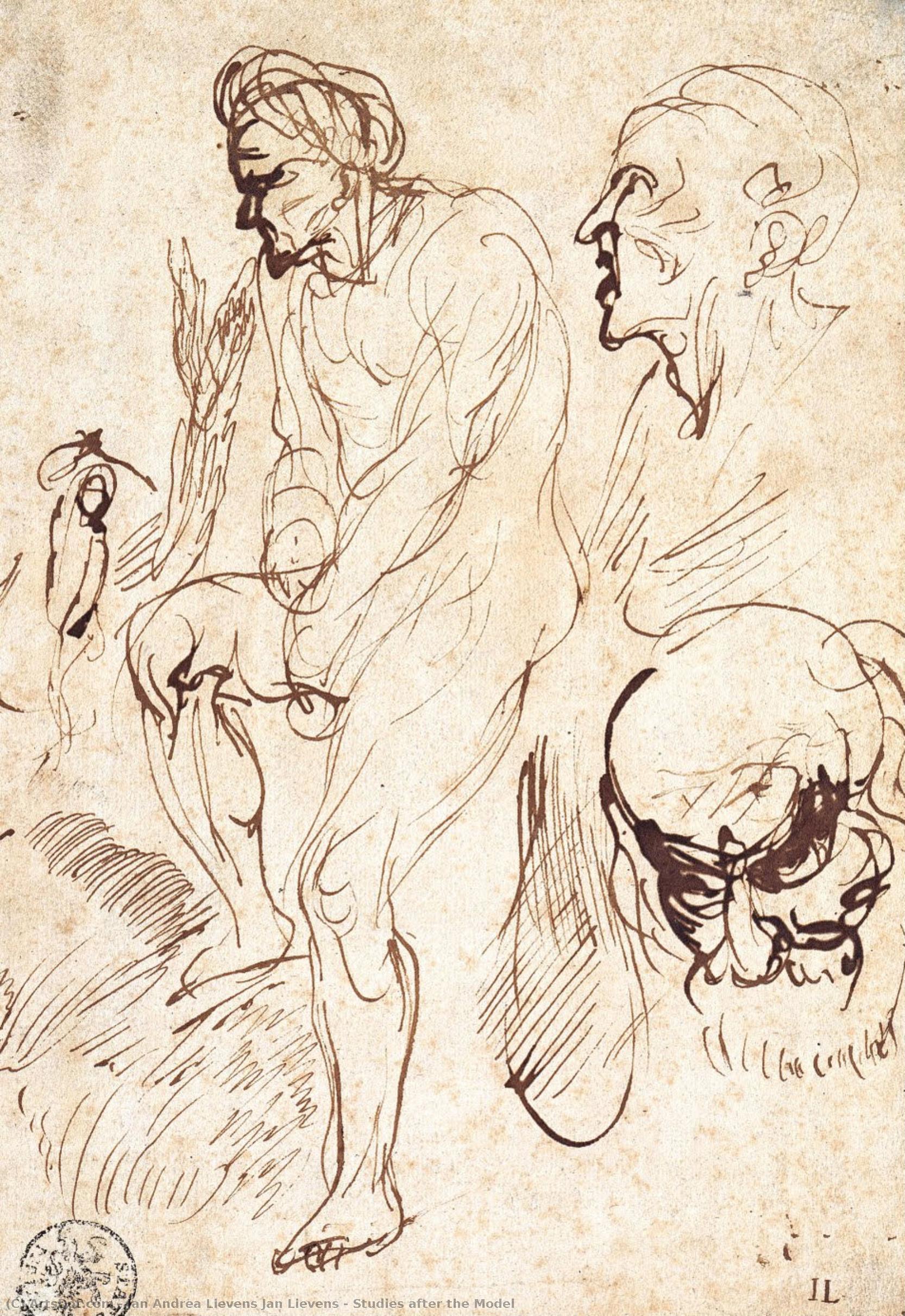
Studies after the Model
 Acrylic On Canvas
- WallArt
- Baroque
 1660
1660 176.0 x 254.0 cm
 Kunstpalast
 Прочетете повече
Ръчно изработена маслена репродукция
Ръчно рисувана маслена картина върху платно във вашия размер и рамка, изработена по поръчка от нашите художници. ( Купете принт Купете изображение)




P118B $10

P118H $10

P118W $10

P438Z $10

P508JH $12

P508YH $12

P805H $10

P805Z $10

P919BZ $10

P919G $10

P919XJ $10

P959ZH $10

P968JZ $12

W106C $8

W218G $10

W218JH $8

W218Y $10

W307PJ $10

W316G $10

W316PJ $8

W316Y $10

W398PJ $8

W4111J $10

W500HY $15

W500JH $15

W692G $12

W849H $8

W940BG $15

W953PJ $8




Изберете от предварително зададените размери, които съответстват на оригиналните пропорции на произведението.

Можете да въведете свои собствени размери, за да пасне на конкретна рамка или пространство. Ако избраният от вас размер не съответства на пропорциите на оригиналното изображение, ние ще изрежем произведението или ще удължим картината с допълнителни ръчно рисувани елементи. Дигитален макет ще бъде изпратен за ваше одобрение преди започване на производството.
Моля, обърнете внимание, че прегледът на екрана не отразява действителното изрязване или разширяване. Само макетът ще покаже точно финалния състав.
Въпреки че са налични персонализирани размери, препоръчваме да изберете размер от предварително дефинирания списък, за да запазите оригиналните пропорции.
След поръчка, екипът на OriginalUniqueArt.com ще изпрати имейл на клиента за инструкции и ще предостави преглед на макет.
Доставка по целия свят () в рамките на 3/4 седмици вместо стандартните 5 седмици. (21 Август). Без компромис с качеството.

Безплатна експресна доставка по целия свят

Висококачествено ленено платно

Пълно застраховане при доставка

Гаранция за възстановяване на митнически такси

Гаранция за цветова точност

60-Дневен период за връщане (Само при дефекти)

100% Гаранция за връщане на парите

Предложение за отстъпка при поръчка на едро
 Стъклото е налично само в размери под 110 см

Studies after the Model
Репродукционен метод
Размер на репродукцията
-


Обща цена
$ 375
Описание на произведението
A Glimpse into a Master’s Studio: The Poignant Studies of Jan Andrea Lievens
Jan Andrea Lievens' “Studies after the Model,” painted in 1660, isn’t merely a preparatory sketch; it’s a profound meditation on observation, character, and the very act of artistic creation. This remarkable pencil drawing, now housed within the Kunstpalast museum in Düsseldorf, offers an intimate window into the working methods of one of Rembrandt's closest collaborators – a man often overshadowed by his more famous partner but possessing a uniquely sensitive and compelling style. The piece immediately draws the viewer in with its quiet intensity; four heads and shoulders, rendered with remarkable detail and a palpable sense of humanity, are arranged within a deliberately understated composition on aged paper. It’s not a grand portrait intended for display, but rather a series of studies, explorations of form and expression that reveal Lievens' meticulous approach to capturing the essence of his subjects.
The figures themselves – three men and one woman – are presented in varying states of repose and contemplation. Their gazes are direct, almost challenging, inviting the viewer into a silent dialogue. Notice the subtle shifts in expression: the furrowed brow of the central male figure, hinting at inner turmoil; the thoughtful tilt of another’s head, suggesting deep reflection; and the enigmatic smile of the woman, a fleeting moment of grace amidst the seriousness of the group. Lievens masterfully utilizes hatching and cross-hatching to build volume and texture, creating a remarkably tactile surface despite the monochromatic palette. The dark browns and blacks aren't merely shades; they’re carefully modulated tones that convey both solidity and vulnerability.
The Caravaggisti Influence: Echoes of Utrecht
Lievens’s style is deeply rooted in the artistic currents of the early 17th century, particularly the influence of the “Utrecht Caravaggisti.” These artists, working primarily in the Low Countries, brought a dramatic intensity and heightened realism to portraiture, drawing inspiration from the theatrical lighting and dynamic compositions of Italian master Caravaggio. This influence is readily apparent in "Studies after the Model," most notably in the use of chiaroscuro – the stark contrast between light and shadow – which sculpts the figures’ forms and imbues them with a sense of drama. The composition itself, with its carefully arranged figures and emphasis on gesture, echoes the dramatic narratives favored by these Caravaggisti painters.
Furthermore, Lievens' meticulous attention to detail, evident in the rendering of individual strands of hair and wrinkles around the eyes, reflects a shared commitment to anatomical accuracy. However, unlike some of his contemporaries who slavishly imitated Caravaggio, Lievens infused this realism with a distinctly personal style – a sensitivity to character and emotion that elevates the studies beyond mere technical exercises. The drawing’s inherent melancholy, a subtle undercurrent beneath the surface, speaks to a deeper understanding of human psychology.
A Window into Rembrandt's Studio
The significance of “Studies after the Model” extends beyond its artistic merits; it offers a fascinating glimpse into the collaborative relationship between Lievens and Rembrandt. The two artists worked closely together for several years, sharing ideas and techniques, and influencing each other’s work. It is believed that Rembrandt himself may have used Lievens' studies as a basis for some of his own portraits, demonstrating a mutual respect and appreciation for one another’s talents. The drawing serves as a tangible reminder of this dynamic partnership – a testament to the shared artistic vision that flourished within Rembrandt’s studio during the Dutch Golden Age.
Today, “Studies after the Model” stands as a poignant example of Lievens' artistry and a valuable historical document. Its quiet intensity and profound insights continue to captivate viewers, inviting them to contemplate the complexities of human nature and the enduring power of artistic observation. Reproductions offer an accessible way to experience this remarkable work firsthand, bringing its evocative atmosphere into any space.
Биография на художника
Jan Andrea Lievens: A Shadowed Master of the Dutch Golden Age
Jan Andrea Lievens, a name often whispered alongside that of Rembrandt van Rijn, stands as one of the most intriguing and tragically overlooked figures of the Dutch Golden Age. Born in Leiden on October 24th, 1607, his life was marked by both prodigious talent and persistent obscurity – a paradox that continues to fascinate art historians today. Lievens’ journey reflects not only the artistic currents of his time but also the complex dynamics of collaboration, rivalry, and the shifting tides of recognition within the Dutch art world.Early Years and Artistic Training
Lievens' early life was steeped in craftsmanship. His father, Lieven Hendricksz, was a skilled embroiderer – a profession that instilled in young Jan an appreciation for detail, texture, and meticulous execution. Around the age of ten, he began his formal artistic training under Joris van Schooten, a respected Leiden artist known for his portraits and landscapes. This initial foundation proved crucial, but it was his subsequent apprenticeship with Pieter Lastman in Amsterdam that truly shaped his developing style. Lastman, a master of dramatic composition and theatrical lighting, exposed Lievens to the conventions of history painting – a genre increasingly popular during this period. The influence of Lastman’s bold brushstrokes and dynamic figures is evident throughout Lievens' oeuvre, particularly in his early works.A Collaborative Partnership with Rembrandt
Lievens’ career took a dramatic turn when he entered into a collaborative partnership with Rembrandt van Rijn in 1626. This association, lasting approximately five years, proved to be both fruitful and fraught with challenges. The two artists shared a studio in Leiden, exchanging ideas, techniques, and even models. They produced over twenty paintings, drawings, and etchings together – a remarkable testament to their mutual respect and artistic synergy. However, the collaboration was also intensely competitive, fueled by the ambition of both men. The exact attribution of these works remains a subject of ongoing debate among scholars, highlighting the difficulties in disentangling the individual contributions of two artists working so closely. Rembrandt’s influence on Lievens is particularly noticeable in his later works, characterized by a heightened sense of drama and an exploration of psychological depth.A Journey Beyond Leiden: Antwerp, London, and The Hague
Following their departure from Leiden, both Lievens and Rembrandt embarked on separate artistic journeys. Lievens relocated to Antwerp, where he quickly established himself as a sought-after portraitist, attracting commissions from royalty, city officials, and wealthy merchants. He also spent time in London, serving briefly as court painter for King James I, and later settled in The Hague, becoming a prominent figure in the city’s artistic scene. During this period, Lievens developed his own distinctive style – characterized by a dramatic use of light and shadow, a fascination with exotic subjects (particularly Oriental themes), and a remarkable ability to capture the nuances of human expression.Notable Works and Lasting Legacy
Lievens' artistic output is remarkably diverse, encompassing portraits, genre scenes, landscapes, and religious compositions. Some of his most celebrated works include “Head of an Old Man,” a poignant study of aging and vulnerability; “Bearded Man with a Beret,” a striking portrait that captures the sitter’s personality with remarkable detail; and "Boy in a Cape and Turban," a captivating depiction of Prince Rupert of the Palatinate. His work is showcased in prestigious museums such as the Mauritshuis in The Hague and the Kremer Collection, ensuring his legacy continues to be appreciated by art lovers worldwide. Despite the challenges he faced – including the persistent shadow cast by Rembrandt’s fame – Jan Andrea Lievens remains a significant contributor to the Dutch Golden Age, a testament to the power of talent, ambition, and artistic vision.
Ян Левенс
1607 - 1674 , Нидерландия
Бързи факти
- Artistic Movement Or Style: Художествена епоха на Златната възраст
- Artists Or Movements Influenced By This Artist: ['Рембрандт']
- Artists Who Influenced This Artist:
- Питер Ластман
- Петер Павел Рубенс
- Date Of Birth: 24 октомври 1607
- Date Of Death: 4 юни 1674
- Full Name: Jan Andrea Lievens Jan Lievens
- Nationality: Нидерландски
- Notable Artworks:
- Глава на стар човек
- Портрет на Константин Хуйгенс
- Млад мъж с котела
- Place Of Birth: Леиден, Нидерландия
Всички статии
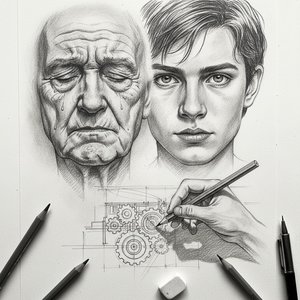
The Nuances of Graphite: Exploring Emotional Depth & Technical Mastery in Pencil Drawing
Explore the captivating world of graphite drawing! Discover its rich history, master essential techniques like chiaroscuro, and learn how artists evoke emotion through this timeless medium. Expert insights for art enthusiasts.
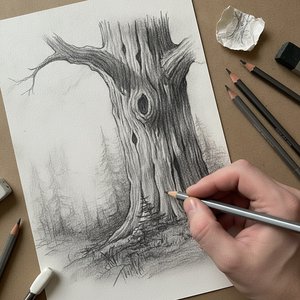
The Power of Graphite: Mastering Depth, Texture, and Detail in the Art of Pencil Drawing
Explore the profound artistry of graphite drawing. Discover professional techniques for mastering depth, texture, and detail through a lens of art history, from classical sketches to modern masterpieces. Elevate your understanding of the pencil medium with our expert guide.

Jan Lievens & Rembrandt: A Comparative Study of Baroque Innovation
Explore the fascinating artistic dialogue between Jan Lievens and Rembrandt van Rijn. Discover Lievens’s unique Baroque style, continental influences, and evolving legacy – a must-read for discerning art collectors.

Golden Light & Dutch Skies: The Timeless Magic of Dutch Golden Age Landscapes
Discover the breathtaking beauty of Dutch Golden Age landscapes. Explore the mastery of light, chiaroscuro, and 17th-century realism through an expert art history lens, celebrating the enduring legacy of the Dutch Masters for discerning collectors and art lovers.

Mastering the Line: A Comprehensive Expert Guide to Technical Precision and Expressive Depth in Drawing
Elevate your artistic practice with this expert guide to mastering the line. Discover advanced techniques in graphite, charcoal, and contour drawing designed for art students seeking technical precision and expressive depth in their fine art studies.



