
 Изпрати
 Сподели
 Детайли
 Ръководство

 Изтегляне
 Подобни артикули
 Слайдшоу
 Q&A
Q&A Статистика
Bellerophon Taming Pegasus: Large Version


 Прочети повече
Изкуството, представено на тази страница, е защитено от законите за авторско право, което означава, че не можем законно да създаваме или продаваме идентични репродукции. Тази защита се прилага съгласно международни споразумения като Бернска конвенция и от националното законодателство, включително разпоредбите на Закон за авторското право на САЩ – Раздел 17.
Този метод е напълно съвместим с законите за авторско право, тъй като не включва копиране или дублиране на защитеното произведение. Вместо това става въпрос за творческа реинтерпретация – нова картина, която е вдъхновена от оригинала, но не е идентична с него.
Жикле / Художествен принт
Giclée печат или принт върху платно с музейно качество, бързо производство и гъвкави опции за завършен вид. ( Купете ръчно рисувана картина Превключване към дигитално изображение)




































Изберете от нашите предварително зададени размери, които съответстват на оригиналните пропорции на произведението.

Въведете необходимата ширина и височина, за да паснат на вашата рамка или стена. Принтовете могат само да се изрязват, но никога не могат да бъдат по-големи от оригиналната картина, така че при размер с различен формат част от изображението ще бъде загубена. Преди да започнем печат, ще ви изпратим дигитален мок업 за одобрение. Изображението, показано на тази страница, не показва реалното изрязване — само мок업ът го показва.
Доставка по целия свят () в рамките на 2 седмици вместо стандартните 4/5 седмици. (2 Ноември)

Безплатна експресна доставка по целия свят

Висококачествено ленено платно

Пълно застраховане на доставката

Гаранция за възстановяване на митнически такси

Гаранция за пълно съответствие на цветовете

Политика за връщане в рамките на 100 дни (само при дефекти)

100% Гаранция за връщане на сумата

Оферта за отстъпка при поръчка на повече бройки
 Опцията със стъкло е налична само за размери под 110 см

Bellerophon Taming Pegasus: Large Version
Жикле / Художествен принт
Размер на репродукцията
-


Обща цена
€ 71
A Dance of Bronze and Myth: The Spirit of Bellerophon
In the realm of modern sculpture, few works capture the raw, kinetic energy of mythic struggle as profoundly as Jacques Lipchitz’s Bellerophon Taming Pegasus. This large-scale masterpiece serves as a breathtaking bridge between the ancient legends of antiquity and the fractured, dynamic language of twentieth-century abstraction. The sculpture depicts the legendary hero Bellerophon in the climactic moment of subduing the winged horse, Pegasus. Rather than presenting a static, classical tableau, Lipchitz utilizes a powerful, rhythmic composition that suggests movement even in stillness. The figures are intertwined in a complex choreography of muscle and form, where the boundary between man and beast begins to blur into a singular, surging force of nature.
The visual language of this piece is deeply rooted in the evolution of Cubism, yet it transcends the rigid geometry often associated with the movement. Lipchitz, a contemporary and peer of masters like Picasso and Gris, brings a unique tactile sensibility to this work. The technique involves a masterful manipulation of surface and volume, creating a play of light and shadow that breathes life into the bronze. Every curve and angular protrusion serves to direct the viewer's eye around the sculpture, inviting an exploration of its multi-dimensional depth. For the discerning collector or interior designer, this piece offers a commanding presence, acting as a focal point that commands attention through its sophisticated interplay of weight and lightness.
Symbolism and the Triumph of Will
Beyond its physical grandeur, Bellerophon Taming Pegasus is a profound meditation on the human condition. The act of taming the wild, celestial Pegasus symbolizes the triumph of human intellect and willpower over primal, untamed instincts. It is an allegory of mastery—the ability of the spirit to harness the soaring, often chaotic energies of inspiration and passion. There is an inherent tension in the work; one can feel the struggle of the hero and the resistance of the winged creature, creating an emotional resonance that speaks to anyone who has faced the challenge of disciplining their own creative or personal impulses.
For those looking to integrate such a powerful narrative into a curated space, this reproduction offers more than mere decoration. It provides a window into the soul of the mid-century avant-garde. The sculpture’s ability to evoke both the epic scale of Greek mythology and the intimate complexity of modern psychological struggle makes it an incomparable addition to any collection. Whether placed in a grand foyer, a sophisticated study, or a contemporary gallery setting, this work inspires awe, inviting contemplation on the eternal struggle between the earthly and the divine.
Въпроси и отговори
Откъде мога да изтегля „Bellerophon Taming Pegasus: Large Version“ на Жак Липшиц?
Цифровото изображение на „Bellerophon Taming Pegasus: Large Version“ на Жак Липшиц може да бъде изтеглено от страницата за изтегляне на произведението: Изтегляне на дигитален файл: дигитално изтегляне на изображение с висока резолюция.
Защо статусът на авторското право върху "Bellerophon Taming Pegasus: Large Version" е такъв?
Статусът на авторското право върху "Bellerophon Taming Pegasus: Large Version" - все още е защитено с авторско право - се определя от годината на смъртта на художника – 1973.
Как е описана цветовата палитра на „Bellerophon Taming Pegasus: Large Version“ на Жак Липшиц?
Палитрата на „Bellerophon Taming Pegasus: Large Version“ на Жак Липшиц е описана като Neutrals. Това е кратко описание на цветовете в произведението.
Биография на художника
Живот, изваян от промяната: Пътешествието на Жак Липшиц
Роден като Хаим Яков Липшиц през 1891 г. в литовския град Друскининкай, художественият път на Жак Липшиц е бил драматично оформен от премествания и иновации. Ранният му живот, коренящ се в литвачка еврейска фамилия, където баща му е работил като строителен предприемач, първоначално го насочва към инженерни изследвания. Въпреки това, разцъфтяващият творчески дух, подхранван от подкрепата на майка му, го препраща към Париж през 1909 г. – град, който по това време пулсира с художествена революция. Той се записва в École des Beaux-Arts и Académie Julian, потапяйки се в оживените общности на Монмартр и Монпарнас. Именно в тези кръгове той изгражда приятелства с величини като Хуан Грис, Пабло Пикасо и Амедео Модиляни – последният прочуто улавя Липшиц и съпругата му Берта в един трогателен двоен портрет. Тези ранни връзки са били от решаващо значение, полагайки основите за приемането на кубизма от страна на Липшиц, макар и отчетливо омекотен от неговата собствена чувствителност.Кристализация на формата: Липшиц и кубистичната скулптура
Липшиц не просто превежда живописта в три измерения; той извайва кубизма. Въпреки дълбокото влияние на фрагментираните перспективи на Пикасо и Брак, Липшиц запазва забележителен степен на фигуративност в творчеството си до около 1915-16 г. Неговите скулптури не са напълно абстрактни; те подсказват разпознаваеми форми, напоени с чувство за емоционална тежест. Това се развива в това, което стана известно като „Кристален кубизъм“ – стил, характеризиращ се с фасетиране и прозрачност, опит да се уловят множество гледки едновременно в една единствена форма. Той експериментира с раздробяването на пространството, създавайки динамични композиции, които сякаш проблясват с вътрешна светлина. Ненаталоната му соло изложба през 1920 г. в Galerie L'Effort Moderne на Леонс Розенберг в Париж затвърждава позицията му като водеща фигура на П Парижската школа и демонстрира този уникален скулптурен език. Произведения като „Арлекин с кларнет“ служат за пример за този период, показвайки фрагментирани форми, които все пак успяват да предадат чувство за игрива енергия и човешко присъствие. Той не просто деконструира формата; той я преизгражда според нова визуална логика.Изгнание и преоткриване: Нов свят, обновен поглед
Нависналата сянка на Втората световна война принуждава Липшиц да преживее дълбоко потрясение в живота си. С настъпването на нацистския режим във Франция и засилването на преследванията на евреите, той е принуден да избяга от родината, която е избрал. С безценната помощ на американския журналист Вариън Фрай в Марсели, той успява да се спаси и да пристигне в Съединените щати, като в крайна сметка се установява в Ню Йорк, а по-къто и в Хастингс-он-Хъдсън. Това преместване не е просто географска промяна; то бе повратна точка в неговата художествена траектория. Докато продължава да изследва кубистичните принципи, творчеството на Липшиц започва да придобива нови измерения, отразявайки травмата от изгнанието и нарастващото ангажиране с екзистенциални теми. Той създава монументални скулптури като „Раждането на музите“ (1944-1950), поръчана в памет на Джером Виснер, която демонстрира неговото майсторство в бронза и способността му да предава дълбока емоция чрез абстрактни форми.Късни размисли: Вяра, наследство и тоскански отдих
В по-късните си години Липшиц изпитва задълбочаваща се връзка със своята еврейска вяра, приемайки религиозното спазване с обновен пыл – дори изучавайки ежедневно и носейки тфилин по подканата на Любавичския Ребе, Раби Менахем Шнеерсон. Това духовно пробуждане влива в неговата работа нов слой смисъл. Той се връща често в Европа, намирайки утеха и вдъхновение в Петрасанта, Италия, където изгражда близка дружба със събрат скулптор Фиоре де Еникес. Неговата автобиография, съавторствана с Х. Хавард Арнасон и публикувана през 1972 г. заедно с изложба в Метрополитън музея в Ню Йорк, предлага трогателно размишление върху неговия живот и художествено пътешествие. Жак Липшиц почива в Капри, Италия, през 1973 г., но тялото му е пренесено в Йерусалим за погребение – свидетелство за дълбоката му връзка с наследството му. Неговата тосканска вила, Боцио, днес служи като еврейски летен лагер, гарантирайки, че неговото наследство ще продължи да вдъхновява бъдещите поколения. Той остави след себе си не само забележителен корпус от скулптури, но и мощен пример за художествена устойчивост и непоколебим човешки дух.
Жак Липшиц
1891 - 1973 , Литва
Бърза информация
- Artistic Movement Or Style: Кубизъм, Кристален кубизъм
- Artists Who Influenced This Artist:
- Пабло Пикасо
- Хуан Грис
- Date Of Birth: 1891
- Date Of Death: 1973
- Full Name: Жак Липшиц
- Nationality: Литовско-френско-американска
- Notable Artworks:
- Акробат на кон
- Музикални инструменти
- Гитаристът
- Пиро
- Арлекин с кларнет
- Човек с китара
- Раждането на музите
- Place Of Birth: Друскинкай, Литва
Свързани статии

The Enduring Form: Exploring Themes & Techniques in Sculpture Across Historical Periods
Explore the rich history of sculpture from ancient masterpieces to contemporary innovations. Discover key techniques, influential artists & investment potential for discerning art collectors.

Топ 10 легендарни бронзови шедьоври, променили изкуството завинаги | OriginalUniqueArt.com
Разгледайте топ 10 легендарни бронзови шедьоври, променили изкуството! От скулптурите на Роден до Микеланджело – историите зад вечните произведения. Висококачествени репродукции и идеи за интериор в OriginalUniqueArt.com.

Топ 10 Бронзови Скулптури, Променили Изкуството завинаги | OriginalUniqueArt.bg
Разгледайте топ 10 легендарни бронзови скулптури, променили изкуството! От Роден до Микеланджело – истории на гении и вечни шедьоври. Вдъхновете се за вашия дом с OriginalUniqueArt.bg. Разгледайте пълната колекция онлайн!

The Enduring Form: Sculpture Across History, Technique & Emotional Resonance
Explore the rich history of sculpture with OriginalUniqueArt. Discover key techniques, influential artists & investment potential for discerning collectors. Expert insights into valuing and collecting timeless masterpieces.
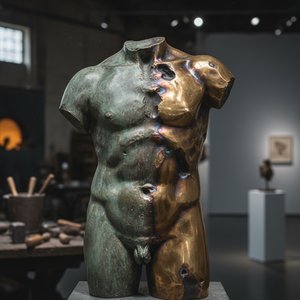
Наследството на бронзовата скулптура: История, техники и съвременни интерпретации
Разгледайте историята и техниките на бронзовата скулптура – от античността до съвременността. Открийте българското наследство и ценни съвети за колекционери.