
 Представи си го
 Изпрати
 Сподели
 Детайли

 Изтегляне
 Подобни
 Рентгенова снимка
 Слайдшоу
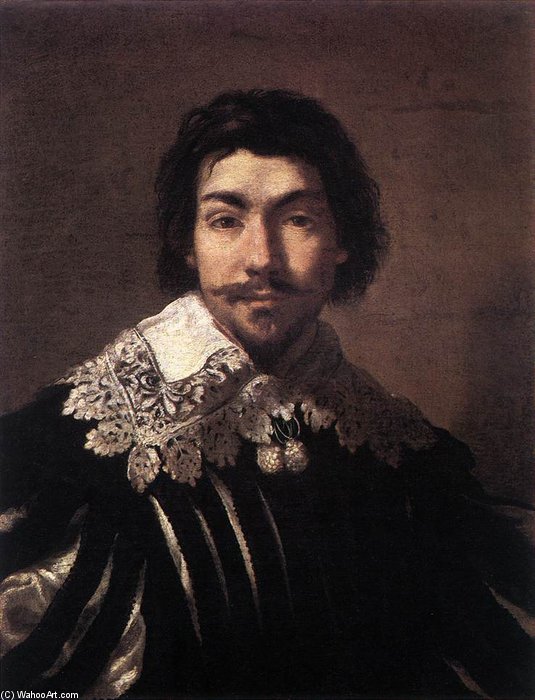
Self-portrait
 Прочетете повече
Закупете дигитално изображение с висока резолюция и подобрени характеристики, значително по-добро от онлайн прегледа.
Всеки файл е щателно подготвен от нашите специалисти с помощта на съвременни инструменти и експертна ръчна ретуш. Гарантираме, че всяко изображение има изключителна яснота, прецизна цветова точност и фини детайли.
Окончателният файл се доставя по имейл в рамките на 72 часа, оптимизиран за незабавна употреба в професионални, редакционни и печатни среди. Това е същото качество, на което се доверяват водещи дизайнерски студия, издатели и галерии.
Дигитално изображение
Изтеглете файл с висока резолюция за лично показване, принтиране и творчески проекти. ( Превключване към печат Превключване към ръчно рисувана картина)
Включено във всяка поръчка за дигитални изображения
Експресна дигитална доставка, гарантирана
Когато изберете OriginalUniqueArt.com, вие не получавате само изображение – вие получавате професионално подобрена дигитална творба, създадена с прецизност и подкрепена от гаранция за удовлетворение. Ето всичко, което автоматично се включва в вашата поръчка:

Бърза доставка по имейл
Вашето дигитално изображение с висока резолюция ще ви бъде изпратено по имейл в рамките на 72 часа от поръчката - готово за незабавно използване.

Дигитален файл с подобрено качество чрез изкуствен интелект
Вашата картина е професионално оптимизирана с помощта на усъвършенствани инструменти за изкуствен интелект и ръчна редакция, осигурявайки максимална детайлност, яснота и точност на цветовете.

Безплатна доживотна повторна доставка
Изгубили сте или сте премахнали файла си по погрешка? Не се притежнявайте – ще го изпратим отново на Вас по всяко време, безплатно.

Без такки за мито - никога
Всредите си веднага без мита, данъци или такси по доставка - дигителните приложения винаги са без данъчно освободени.

Гаранция за точност на цветовете
Гарантираме, че вашето дигитално изображение отразява оригиналните цветове възможно най-точно, използвайки професионални инструменти и управление на цветовете.

Гаранция за удовлетвореност от 60 дни
Ако не сте доволни от вашето дигилно изображение, ще го коригираме или ще възмедим 100% в рамките на 60 дни – без никакви въпроси.

100% Гаранция за връщане на пари.
Не сте удовлетворени? Получавате пълно възстановяване на сумата в рамките на 60 дни след получаването на вашия цифров файл – без никакви въпроси.

Отстъпки за големи поръчки
Купете 3 изображения, спестете 10% - Купете 5, спестете 15% - Купете 10+, спестете 20%. Отлично за творчески проекти, галерии и агенства.
Биография на художника
Jacques de Létin (1597 - 1661): A Forgotten Master of Baroque Portraiture
Jacques de Létin, or Jacques Ninet de Lestin, or Jacques de L'Estin (1597, Troyes – October, 1661, Troyes) remains a curiously elusive figure in the annals of French art history. Despite producing a substantial body of work—primarily religious paintings and portraits—he faded into obscurity after his lifetime, largely due to the destructive forces unleashed by the French Revolution and subsequent conflicts. However, recent scholarship has begun to illuminate his life and artistic contributions, revealing him as a significant practitioner of Baroque painting and a student of Carvaggio’s dramatic style.- Early Life & Training: Born into a modest family in Troyes, Jacques de Létin received an education that encompassed both goldsmithing and painting. His father, Jehan, operated a hotel—L'Image de Saint-Christophe—providing him with early exposure to the artistic milieu of his hometown. Crucially, he apprenticed under Edme Doué (?-1626), a fellow artist who had married Simonne, his sister, in 1613. Doué’s influence instilled in Létin a fascination for Carvaggio’s expressive technique and theatrical compositions—a stylistic hallmark that would permeate much of his oeuvre.
- Rome & Artistic Influences: By 1622, Létin embarked on a transformative journey to Rome, where he resided alongside Charles Mellin and Jacques Sarrazin. This period proved pivotal in shaping his artistic sensibilities; he actively engaged with the vibrant Roman art scene and cultivated friendships with prominent artists like Simon Vouet—a connection that would solidify Vouet’s reputation as Létin's mentor.
- Return to Troyes & Patronage: Returning to Troyes in 1626, Létin established a studio and married shortly thereafter. His workshop flourished under the patronage of influential figures, producing numerous portraits and religious paintings that showcased his mastery of technique and stylistic innovation. Notably, he undertook the monumental commission for Notre-Dame de Paris—creating Saint Paul Preaching on the Areopagus—a work tragically destroyed during the Franco-Prussian War.
- Mature Style & Legacy: After 1645, Létin settled permanently in Troyes and pursued a quieter artistic life, focusing primarily on landscape painting and decorative commissions. Despite this relative inactivity, his paintings continue to resonate with scholars today, who recognize the enduring influence of Carvaggio’s dramatic chiaroscuro—the interplay of light and shadow—and Vouet's refined elegance. Recent research has attributed several previously unattributed works to Létin, bolstering his reputation as a skilled artist and furthering our understanding of Baroque painting in France.
- Rediscovery & Recognition: The Musée des Beaux-Arts de Troyes played a crucial role in reviving interest in Jacques de Létin’s work. In 2011, the museum acquired personifications of Grammar and Geometry—previously thought to be unattributed—demonstrating the growing appreciation for his artistic achievements. Furthermore, Albert Babeau's meticulous investigation into Létin’s life revealed a previously unknown typographical error—Ninet de Lestin—correcting a longstanding misattribution that had obscured his legacy. Today, Jacques de Létin is remembered as a talented artist whose work deserves renewed attention and scholarly study.
Maurice Quentin de La Tour: Light, Shadow & the Rococo Portrait
Maurice Quentin de La Tour (1694 – 1770) was a French painter who emerged during the Rococo period, marking a significant shift from the dramatic Baroque style that dominated earlier decades. His distinctive approach to portraiture—characterized by soft pastel hues and an emphasis on psychological nuance—established him as one of the foremost artists of his time. Quentin de La Tour’s artistic vision was profoundly influenced by Caravaggio's revolutionary use of chiaroscuro, which he skillfully adapted to create luminous canvases that captured the essence of human emotion and aristocratic grandeur. His paintings exemplify the Rococo aesthetic's preoccupation with beauty, delicacy, and sensual pleasure—a stylistic hallmark that cemented his place in art history.- Early Influences & Training: Quentin de La Tour’s artistic education began under Nicolas Frémiet, a renowned sculptor who instilled in him a meticulous attention to detail and an appreciation for classical ideals.
- Rome & Artistic Development: Like Jacques de Létin before him, Quentin de La Tour traveled to Rome—a pilgrimage undertaken by many aspiring artists of the era—where he honed his skills and absorbed the stylistic innovations of Caravaggio and Gian Lorenzo Bernini.
- Notable Works & Patronage: Quentin de La Tour achieved considerable fame during his lifetime thanks to commissions from prominent aristocratic families—including Louis XV—who recognized his talent for portraying subjects with sensitivity and elegance. His paintings adorn numerous palaces and museums throughout France, showcasing the enduring appeal of his artistic vision.
- Legacy & Artistic Significance: Quentin de La Tour’s influence extended beyond his own generation, shaping the aesthetic sensibilities of subsequent artists and contributing to the development of French Rococo painting. His masterful technique—particularly his innovative use of pastel—continues to inspire admiration among art historians and collectors alike.
jacques de l'estin
1597 - 1661 , France
Бързи факти
- Artistic Movement Or Style: Baroque
- Artists Or Movements Influenced By This Artist: ['Simon Vouet']
- Artists Who Influenced This Artist: ['Caravaggio']
- Date Of Birth: 1597, Troyes
- Date Of Death: October, 1661, Troyes
- Full Name: Jacques de Létin
- Nationality: French
- Notable Artworks: ['Saint Paul Preaching on the Areopagus']
- Place Of Birth: Troyes, France

