 Преглед в реален мащаб
 Сподели
 Сподели
 Подробности
 Ръководство

 Изтегляне
 Подобни артикули
 Рентгенова снимка
 Слайдшоу
 Статистика
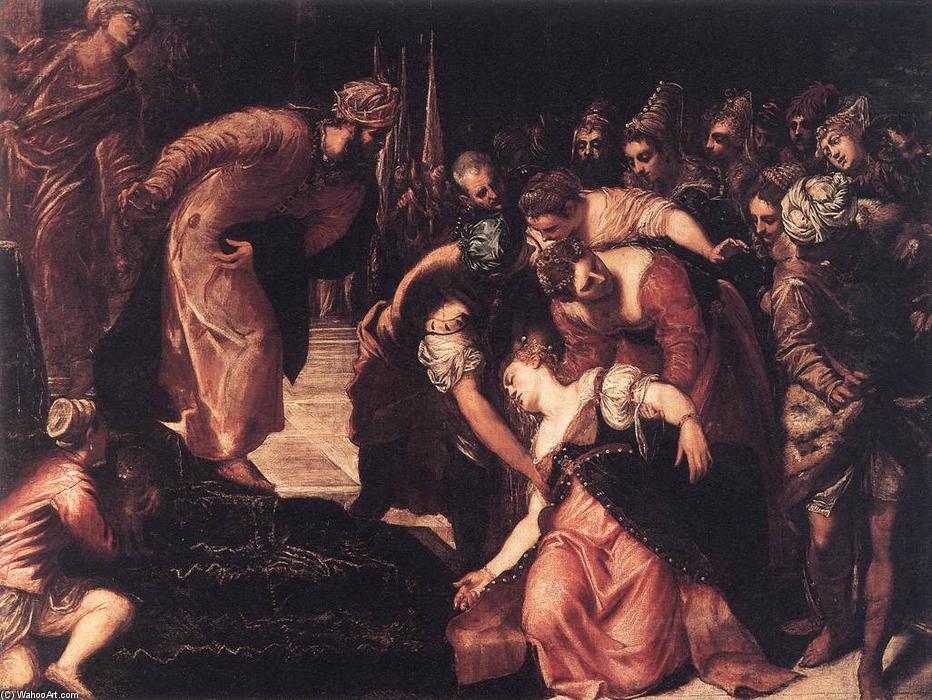
Esther before Ahasuerus
 Oil On Canvas
- WallArt
- Baroque Drama Light
 1547
1547- Renaissance
 207.0 x 273.0 cm
 Кралска колекция
 Разгърни целия текст
Жикле / Художествен принт
Giclée печат или принт върху платно с музейно качество, бързо производство и гъвкави опции за завършен вид. ( Поръчайте ръчно рисувано репродукция на този колекционерски предмет Превключване към дигитално изображение)




P118B $10

P118H $10

P118W $10

P438Z $10

P508JH $12

P508YH $12

P805H $10

P805Z $10

P919BZ $10

P919G $10

P919XJ $10

P959ZH $10

P968JZ $12

W106C $8

W218G $10

W218JH $8

W218Y $10

W307PJ $10

W316G $10

W316PJ $8

W316Y $10

W398PJ $8

W4111J $10

W500HY $15

W500JH $15

W692G $12

W849H $8

W940BG $15

W953PJ $8




Изберете от нашите предварително зададени размери, които съответстват на оригиналните пропорции на произведението.

Можете да въведете собствени размери, за да паснат на конкретна рамка или пространство. Ако избраният от Вас размер не съвпада с пропорциите на оригиналното изображение, ние ще изрежем произведението или ще разширим изображението с огледален или едноцветен ръб. Дигитален макет ще бъде изпратен за Ваше одобрение преди започването на производството.
Моля, имайте предвид, че предпрегледът на екрана не отразява реалното изрязване или разширяване. Само макетът ще покаже точно финалната композиция.
Въпреки че са налични персонализирани размери, препоръчваме да изберете размер от предварително дефинирания списък, за да запазите оригиналните пропорции.
Доставка по целия свят () в рамките на 2 седмици вместо стандартните 4/5 седмици. (27 Септември)

Безплатна експресна доставка по целия свят

Висококачествено ленено платно

Пълно застраховане на доставката

Гаранция за възстановяване на митнически такси

Гаранция за пълно съответствие на цветовете

Политика за връщане в рамките на 100 дни (само при дефекти)

100% Гаранция за връщане на сумата

Отстъпка при поръчка на повече произведения
 Опцията със стъкло е налична само за размери под 110 см

Esther before Ahasuerus
Жикле / Художествен принт
Размер на репродукцията
-


Крайна цена
$ 80
The Heart of the Drama: A Moment Suspended in Time
In the sweeping, theatrical world of Jacopo Tintoretto, history is never merely recorded; it is felt. Esther before Ahasuerus captures a moment of profound vulnerability and immense courage, transporting the viewer directly into the heart of a biblical crisis. The scene depicts the pivotal instant from the Book of Esther where the young Queen, driven by the desperate need to save her people from annihilation, approaches King Ahasuerus. The tension is palpable; it is the breath before a plea, the heartbeat before a collapse. Tintoretto masterfully portrays the physical and emotional toll of this confrontation, as Esther fabledly swoons under the weight of her mission, surrounded by an atmosphere thick with apprehension and divine significance. This is not a static portrait of royalty, but a living, breathing tableau of human desperation and heroic resolve.The Alchemy of Light and Venetian Texture
To gaze upon this masterpiece is to witness the very essence of Venetian Mannerism and the burgeoning energy of the Baroque. Tintoretto, often called il Furioso, employs a technique that defies the polished smoothness of his contemporaries. Instead, he utilizes a rugged, expressive impasto, layering paint with a deliberate roughness that lends a tactile urgency to the canvas. The artist’s mastery of chiaroscuro—the dramatic interplay between deep, swallowing shadows and piercing, celestial light—creates a sense of three-dimensional movement. This light does not merely illuminate the figures; it sculptates them, highlighting the frantic gestures and the anatomical precision of the attendants as they react to the Queen's distress. The composition itself is intentionally claustrophobic, utilizing a distorted perspective that pulls the observer into the immediate, swirling energy of the court, making the viewer an invisible witness to the unfolding tragedy.An Enduring Legacy for the Discerning Collector
For the art lover, the collector, or the interior designer, a reproduction of this monumental work offers far more than mere decoration; it provides a focal point of profound narrative depth. The painting’s grand scale and intense color palette make it an extraordinary centerpiece for any curated space, capable of anchoring a room with its historical weight and emotional complexity.Integrating such a piece into a modern or classical interior allows for:
- The introduction of dramatic movement through Tintoretto's dynamic brushwork.
- A sophisticated layer of historical storytelling that invites conversation and contemplation.
- A rich, textural element that complements both minimalist settings and opulent, traditional decors.
Биография на художника
A Venetian Master of Drama and Light
Jacopo Tintoretto, born Jacopo Robusti in Venice around 1518, remains one of the most compelling and enigmatic figures of the High Renaissance and early Baroque periods. His very nickname, “Tintoretto” – little dyer – speaks to his family’s trade, yet it belies the immense artistry that would distinguish him from all others. Unlike many artists who benefited from structured apprenticeships, Tintoretto's path was largely self-directed, fueled by an insatiable curiosity and a relentless drive for innovation. While accounts suggest a brief and unsuccessful stint under Titian, the acknowledged master of Venetian colorism, it seems the experience proved more contentious than formative. Titian’s alleged dismissal of the young Jacopo – whether due to jealousy or artistic disagreement – spurred Tintoretto toward an independent course, one characterized by audacious experimentation and a uniquely dynamic style. He immersed himself in anatomical study, reportedly through dissection, and honed his skills by meticulously copying classical sculpture and the works of other masters. This dedication laid the foundation for a career that would redefine Venetian painting.Forging a Distinctive Style: *Il Furioso*
Tintoretto’s artistic development was marked by an almost feverish energy, earning him another evocative nickname: *Il Furioso* – “the Furious One.” This moniker wasn't merely descriptive of his working pace but also captured the intensity and emotional charge that permeated his canvases. His early works already hinted at a departure from traditional Venetian conventions. While acknowledging Titian’s influence in color, Tintoretto gravitated towards Michelangelo’s powerful figures and dramatic compositions. He synthesized these influences into something entirely new: a style characterized by elongated forms, swirling draperies, and an innovative use of perspective that often created a sense of dizzying depth and movement. He abandoned the meticulous finish favored by his contemporaries, opting instead for a rapid, almost sketch-like brushstroke that conveyed immediacy and raw emotion. This technique, combined with his masterful manipulation of light and shadow – *chiaroscuro* – allowed him to create scenes of unparalleled drama and psychological intensity. He wasn’t simply depicting events; he was conveying their emotional core. His compositions were often asymmetrical and dynamic, creating a sense of movement and instability that reflected the turbulent spirit of the age.Monumental Achievements: San Rocco and Beyond
Tintoretto's prodigious output spanned decades, encompassing religious narratives, historical allegories, and portraits. However, his most significant achievement lies in the cycle of paintings he created for the Scuola Grande di San Rocco, a Venetian confraternity dedicated to Saint Roch. Over a period of more than fifty years, Tintoretto adorned the Scuola’s halls with over sixty canvases, transforming it into a breathtaking visual testament to faith and human experience. Works like “The Last Supper,” completed late in his life, demonstrate his continued experimentation with perspective and composition. Departing from traditional depictions, Tintoretto placed the scene in a dramatically lit, architecturally unstable space, emphasizing the emotional turmoil of Christ’s final meal with his disciples. Other notable works include “The Miracle of St Mark Freeing the Slave,” a powerful display of dynamic composition and foreshortening, and numerous paintings for Venetian churches and palaces that showcase his mastery of scale and narrative storytelling. These monumental projects cemented Tintoretto's reputation as one of Venice’s most important artists.Influences and Artistic Connections
Tintoretto’s artistic journey was shaped by a complex interplay of influences. As mentioned, Titian undoubtedly provided an initial foundation in color and technique, though their relationship remained strained. Michelangelo’s dynamism and anatomical precision served as another crucial inspiration, while the works of classical sculpture profoundly impacted his understanding of form and composition. He also studied the works of other Venetian masters, such as Paolo Veronese, absorbing their techniques and stylistic approaches. However, Tintoretto ultimately forged a unique path, developing a style that was distinctly his own—a synthesis of these diverse influences into something powerfully original. His work reflects not only the religious fervor and political tensions of his time but also a uniquely personal vision that continues to resonate with audiences today.Legacy and Historical Significance
Jacopo Tintoretto died in Venice in 1594, leaving behind a vast and influential body of work. He bridged the gap between the High Renaissance and the Baroque period, anticipating many of the stylistic innovations that would define the latter. His dramatic compositions, expressive brushwork, and innovative use of light and shadow profoundly influenced artists such as Caravaggio, Rembrandt, and Delacroix. He wasn’t merely a painter; he was a visual storyteller who understood how to harness the power of art to evoke emotion and inspire awe. As one of the three great Venetian painters of the 16th century – alongside Titian and Paolo Veronese – Tintoretto played a crucial role in shaping the artistic landscape of Venice during its golden age. His work reflects not only the religious fervor and political tensions of his time but also a uniquely personal vision that continues to resonate with audiences today, solidifying his place as one of history’s most important and captivating artists. His legacy is a testament to the enduring power of artistic innovation and the transformative potential of human creativity.
Джакопо Тиньорето
1518 - 1594 , Италия
Бързи факти
- Artistic Movement Or Style: Ренесанс, Маниеризъм
- Artists Or Movements Influenced By This Artist:
- Карважо
- Барок
- Artists Who Influenced This Artist:
- Титациано
- Микеланджело
- Date Of Birth: 1518
- Date Of Death: 1594
- Full Name: Jacopo Robusti
- Nationality: Италианец
- Notable Artworks:
- Чудо на св. Марк
- Последна трапеза
- Възнесение Девичи
- Place Of Birth: Венеция, Италия
Свързани статии

Рембранд ван Рейн: Топ 25 шедьовъра за вашия дом – галерия от OriginalUniqueArt.com
Открийте 25 шедьовъра на Рембранд ван Рейн в галерията на OriginalUniqueArt.com! Разгледайте историите зад известните му картини, барокови портрети и библейски сцени. Луксозни репродукции за вашия дом – изкуство с качество от музей. Explore the full collection online!
Beyond Perfection: The Dramatic Elegance and Intellectual Tension of Renaissance Mannerism
Explore the captivating world of Renaissance Mannerism. Discover how artists moved beyond High Renaissance harmony into a realm of elegant distortion, psychological tension, and dramatic beauty that bridged the gap to the Baroque era.
Chiaroscuro & Emotional Resonance: Exploring Dramatic Light in Western Painting
Explore the captivating world of chiaroscuro & tenebrism! Discover Caravaggio's influence, Baroque masters, and the enduring power of dramatic lighting in art history. Learn about these techniques with OriginalUniqueArt.

Northern Mannerism: The Dramatic Evolution of European Art through Elegant Distortion and Tension
Explore the dramatic evolution of Northern Mannerism. Discover how 16th-century artists moved from Renaissance harmony to elegant distortion, tension, and complex symbolism in European art history.

Топ 25 шедьовъра на Якопо Тинторето: Драма, светлина и величие в изкуството
Разгледайте топ 25 шедьовъра на Якопо Тинторето – венециански ренесанс, драматизъм и чиароскуро. Открийте историите зад картините му и преобразете дома си с луксозни репродукции от OriginalUniqueArt.com!