

 Преглед в реален мащаб
 Сподели
 Сподели
 Подробности
 Ръководство

 Изтегляне
 Подобни артикули
 Рентгенова снимка
 Слайдшоу
 Статистика
Self-Portrait
 Oil On Canvas
- WallArt
- Northern Renaissance
 1533
1533- Renaissance
 38.0 x 30.0 cm
 Рейксмюсеум
 Разгърни целия текст
Закупете дигитално изображение с висока резолюция и подобрени характеристики, значително по-качествено от онлайн прегледа.
Всеки файл е щателно подготвен от нашите специалисти с помощта на съвременни инструменти и експертен ръчен ретуш. Гарантираме, че всяко изображение притежава изключителна яснота, прецизна цветова точност и фини детайли.
Окончателният файл се доставя по имейл в рамките на 72 часа, оптимизиран за незабавна употреба в професионални, редакционни и печатни среди. Това е същото качество, на което се доверяват водещи дизайнерски студия, издатели и галерии.
Дигитално изображение
Изтеглете файл с висока резолюция за лично съхранение, принтиране и творчески проекти. ( Избор на принт Поръчайте ръчно рисувано репродукция на този колекционерски предмет)
Включено във всяка поръчка за дигитални изображения
Експертна дигитална доставка, гарантирана
Избирайки OriginalUniqueArt.com, вие не получавате просто изображение – вие придобивате професионално обработена дигитална творба, създадена с прецизност и подкрепена от гаранция за удовлетворение. Ето какво автоматично е включено във вашата поръчка:

Бърза доставка по имейл
Вашето дигитално изображение с висока резолюция ще бъде изпратено по имейл в рамките на 72 часа от поръчката – готово за незабавно използване.

Дигитален файл с подобрено качество чрез ИИ
Вашата картина е професионално оптимизирана с помощта на усъвършенствани инструменти за изкуствен интелект и ръчна редакция, осигурявайки максимална детайлност, яснота и точност на цветовете.

Безплатна доживотна повторна доставка
Изгубили сте или сте изтрили файла си по погрешка? Не се притеснявайте – ще го изпратим отново на Вас по всяко време, безплатно.

Без митнически такси – завинаги
Насладете се на вашето произведение незабавно, без мита, данъци или такси за доставка – дигиталните изтегляния винаги са освободени от данъци.

Гаранция за точност на цветовете
Гарантираме, че вашето дигитално изображение отразява оригиналните цветове възможно най-точно, чрез използването на професионални инструменти и системи за управление на цветовете.

100-дневна гаранция за удовлетвореност
Ако не сте доволни от вашето дигитално изображение, ще го преработим или ще възстановим 100% от сумата в рамките на 100 дни – без излишни въпроси.

100% Гаранция за връщане на сумата
Не сте доволни? Получете пълен възврат на сумата в рамките на 100 дни от получаването на вашия цифров файл – без излишни въпроси.

Отстъпки за големи поръчки
Купете 3 изображения, спестете 10% - Купете 5, спестете 15% - Купете 10+, спестете 20%. Идеално за творчески проекти, галерии и агенства.
A Glimpse into Northern Renaissance Authority
This arresting self-portrait by Jacob Cornelisz van Oostsanen transports us directly into the charged atmosphere of early sixteenth-century Netherlandish life. The central figure, commanding attention with his somber black hat and richly draped robe, exudes an aura of profound authority. His beard frames a countenance marked by a stern, almost intellectual gravity, suggesting a man accustomed to deep thought or significant community responsibility—perhaps a scholar, a theologian, or a respected civic leader. The composition is not merely a likeness; it is a carefully constructed statement of status and intellect, characteristic of the period when portraiture began to elevate the sitter from mere subject to philosophical presence.
Mastery Bridging Eras: Style and Technique
Van Oostsanen’s technique here showcases his remarkable position as an artist bridging two monumental artistic epochs. While one can detect the lingering, meticulous detail rooted in the Gothic tradition—a love for rich texture in the fabric and the precise rendering of individual features—the overall composition hints at the burgeoning naturalism and psychological depth of the Renaissance. Observe the handling of light; it seems to fall upon the subject with a deliberate, almost theatrical quality, sculpting the planes of his face and lending weight to his garments. The inclusion of two smaller figures flanking the main subject adds a subtle narrative complexity, grounding the central authority figure within a social context, suggesting patronage or discipleship.
The Historical Echo: Life in 1533
Dating to 1533, this painting emerges from a time of immense cultural ferment in the Netherlands. The transition from medieval piety to humanist inquiry was reshaping art and society. Van Oostsanen himself navigated these currents, absorbing influences that allowed him to create works that feel both deeply rooted in local tradition and keenly aware of continental artistic advancements. Owning a reproduction of this piece is not simply acquiring decoration; it is curating a tangible connection to the intellectual ferment of Amsterdam’s burgeoning cultural scene.
Symbolism and Emotional Resonance for the Modern Collector
The emotional impact of this portrait lies in its quiet power. The stern gaze challenges the viewer, inviting contemplation on themes of duty, knowledge, and enduring character. For the collector or designer, this piece offers unparalleled depth. It speaks to permanence—the weight of history embodied in oil paint. Whether placed in a library setting, an academic study, or a grand hall, it lends an immediate air of cultivated seriousness and historical gravitas. The rich tonality and masterful execution ensure that this artwork remains a focal point, whispering tales of the men who shaped the Northern Renaissance.
Биография на художника
Jacob Cornelisz van Oostsanen: Bridging Gothic and Renaissance in Amsterdam
Jacob Cornelisz van Oostsanen (c. 1470 – 1533) stands as a pivotal figure in Northern Netherlandish art, marking the final transition from medieval traditions to the burgeoning Renaissance spirit within the vibrant city of Amsterdam. Despite the scarcity of biographical details—primarily reliant on Karel van Mander’s Schilder-boeck and archival records—scholars have painstakingly reconstructed his life and artistic trajectory, revealing a craftsman deeply rooted in Haarlem’s Gothic heritage yet profoundly impacted by the innovations emanating from Florence and Nuremberg.- Early Life & Family: Born around 1470 in Oostzaan, North Holland, Jacob Cornelisz was part of a family dedicated to painting—his brother Cornelis Buys I and II were also accomplished artists. The location itself offers insight into the artistic milieu of his formative years; Oostzaan’s proximity to Amsterdam fostered connections with influential workshops and established artistic lineages.
- Training & Influences: Like many artists of his time, Jacob Cornelisz honed his skills in Haarlem, absorbing the stylistic precepts of Geertgen tot Sint Jans—a master of luminous color palettes and elongated proportions characteristic of the Gothic tradition. However, he also encountered the transformative ideas championed by Albrecht Dürer, demonstrating a willingness to embrace new artistic approaches and techniques.
Amsterdam & The Dawn of Renaissance Painting
Jacob Cornelisz’s arrival in Amsterdam around 1500 signaled a decisive shift in his artistic career. He purchased two adjacent houses on Kalverstraat, establishing himself as one of the city's foremost artists and securing a stable environment for his family. This move coincided with a period of considerable urban growth and cultural dynamism—Amsterdam was rapidly transforming into a cosmopolitan center attracting artisans and intellectuals from across Europe. His workshop became a hub for experimentation, producing not only commissioned portraits but also intricate woodcuts and stained-glass windows that reflected the prevailing aesthetic sensibilities.Notable Works & Artistic Style
Jacob Cornelisz’s oeuvre comprises approximately 200 woodcuts and 27 paintings—a testament to his versatility as a designer and painter. His prints are distinguished by their meticulous detail and adherence to traditional North Netherlandish conventions, prioritizing narrative clarity and conveying emotion through carefully positioned figures. Paintings like “Christ as Gardener” exemplify his stylistic evolution—characterized by simplified proportions, luminous color harmonies, and a looser brushstroke technique that departed from the rigid formalism of earlier Gothic art. He skillfully blended elements of Haarlem painting with Dürer’s influence, creating images imbued with both spiritual depth and visual splendor.Symbolism & Religious Context
Throughout his artistic career, Jacob Cornelisz consistently addressed religious themes—often commissioned by Catholic patrons seeking to defend orthodoxy against the burgeoning Protestant Reformation. His paintings—including “The Nativity” and “Saul and the Witch of Endor”—employed established iconography rooted in medieval tradition but incorporated contemporary stylistic innovations. These works served as visual representations of faith, skillfully crafted to resonate with audiences familiar with humanist scholarship and artistic trends.Legacy & Historical Significance
Jacob Cornelisz van Oostsanen’s contribution to the history of art is undeniable—he represents the final bastion of Flemish painters resisting Italian stylistic influences. His workshop continued to flourish after his death, fostering artistic innovation and perpetuating his family's legacy as prominent artists in Amsterdam. He remains a symbol of artistic transition, embodying the convergence of Gothic craftsmanship with Renaissance ideals—a pivotal moment in shaping the visual culture of Northern Europe.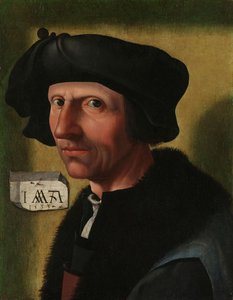
Якоб Корнелис ван Остзанен
1470 - 1533 , Нидерландия
Кратка информация
- Artistic Movement Or Style: Early Netherlandish Painting
- Artists Who Influenced This Artist:
- Jan van Eyck
- Geertgen tot Sint Jans
- Albrecht Dürer
- Date Of Birth: c. 1470
- Date Of Death: 1533
- Full Name: Jacob Cornelisz van Oostsanen
- Nationality: Dutch
- Notable Artworks:
- The adoration of the Magi
- Entombment 1
- San Jerónimo
- Place Of Birth: Oostzaan, Netherlands