

 Преглед в реален мащаб
 Сподели
 Сподели
 Подробности
 Ръководство

 Изтегляне
 Подобни артикули
 Рентгенова снимка
 Слайдшоу
 Статистика
Colonel Hugh O'donnell

 Разгърни целия текст
Жикле / Художествен принт
Giclée печат или принт върху платно с музейно качество, бързо производство и гъвкави опции за завършен вид. ( Поръчайте ръчно рисувано репродукция на този колекционерски предмет Превключване към дигитално изображение)




































Изберете от нашите предварително зададени размери, които съответстват на оригиналните пропорции на произведението.

Можете да въведете собствени размери, за да паснат на конкретна рамка или пространство. Ако избраният от Вас размер не съвпада с пропорциите на оригиналното изображение, ние ще изрежем произведението или ще разширим изображението с огледален или едноцветен ръб. Дигитален макет ще бъде изпратен за Ваше одобрение преди започването на производството.
Моля, имайте предвид, че предпрегледът на екрана не отразява реалното изрязване или разширяване. Само макетът ще покаже точно финалната композиция.
Въпреки че са налични персонализирани размери, препоръчваме да изберете размер от предварително дефинирания списък, за да запазите оригиналните пропорции.
Доставка по целия свят () в рамките на 2 седмици вместо стандартните 4/5 седмици. (10 Октомври)

Безплатна експресна доставка по целия свят

Висококачествено ленено платно

Пълно застраховане на доставката

Гаранция за възстановяване на митнически такси

Гаранция за пълно съответствие на цветовете

Политика за връщане в рамките на 100 дни (само при дефекти)

100% Гаранция за връщане на сумата

Отстъпка при поръчка на повече произведения
 Опцията със стъкло е налична само за размери под 110 см

Colonel Hugh O'donnell
Жикле / Художествен принт
Размер на репродукцията
-


Крайна цена
€ 69
Биография на художника
A Dubliner’s Grace: The Life and Art of Hugh Douglas Hamilton
Hugh Douglas Hamilton, born in the bustling heart of 18th-century Dublin around 1740, stands as a remarkably significant figure in Irish portraiture. He bridged the elegant Rococo styles of his early career with the emerging Neoclassical sensibilities that defined an era, becoming renowned for his captivating pastel and oil portraits of royalty, nobility, and prominent figures. His life was one of artistic ambition, international travel, and a keen eye for capturing not just likeness but also character and social standing – a testament to his skill as both an artist and a perceptive observer of human nature.Early Training and the Dublin Scene
Hamilton’s artistic journey began within the familiar surroundings of Dublin. His father, a peruke maker—a trade demanding precision and artistry in its own right—recognized and nurtured young Hugh's talent, steering him towards the visual arts. He received foundational training at the Dublin Society House under the tutelage of Robert West and James Mannin, institutions that provided a rigorous grounding in drawing techniques. Even during these formative years, Hamilton’s exceptional ability shone through; he earned early accolades for his drawings, demonstrating a natural aptitude for capturing detail and form. Crucially, he cultivated valuable connections with influential patrons, most notably the La Touche banking family – a network that proved instrumental in establishing his burgeoning career. These relationships extended beyond mere financial transactions; they opened doors to a world of artistic patronage and social influence, providing access to commissions and opportunities that would shape his trajectory. The early years were marked by a dedication to mastering pastel techniques, honing his skills on subjects ranging from street hawkers to portraits of local notables – a period reflected in the rediscovered “Cries of Dublin” sketchbook, offering a rare and intimate glimpse into 18th-century urban life.London’s Salons and Royal Recognition
Driven by ambition, Hamilton relocated to London in the early 1760s, where he swiftly established himself as a successful portraitist. He quickly gained recognition for his distinctive oval pastel portraits – a format that resonated with the tastes of the growing middle class eager to possess affordable images of themselves and their loved ones. His talent was immediately acknowledged by the highest echelons of society; he received commissions from the British royal family, including a particularly notable portrait of Queen Charlotte in 1764, solidifying his reputation as a court painter. He exhibited regularly at both the Society of Artists and the Free Society of Artists, steadily building a clientele that included prominent politicians, celebrities, and members of the aristocracy. The London art scene provided fertile ground for experimentation and innovation; Hamilton began to explore new techniques, notably the “fresco” pastel method – blending crayons and chalk to achieve richer textures and greater depth in his work. This marked a significant turning point, demonstrating his willingness to push boundaries and refine his artistic approach.Roman Reverie: A Shift in Style
Around the mid-1770s, seeking inspiration and a deeper understanding of artistic principles, Hamilton embarked on a transformative journey to Italy. He spent twelve years immersed in the vibrant cultural landscape of Rome, encountering influential artists like Antonio Canova and receiving guidance from John Flaxman – a sculptor who encouraged him to transition to oil painting. This shift marked a deliberate evolution in his style, allowing for greater nuance, detail, and expressive potential. During this period, he produced portraits of visiting British tourists and members of the exiled Stuart family, capturing their likenesses with remarkable skill and sensitivity. The Italian years were not merely a period of artistic exploration; they also provided Hamilton with valuable social connections and broadened his perspective on art history and technique.A Master of Likeness: Technique and Legacy
Hamilton’s artistic signature lay in his ability to capture not just the *likeness* of his sitters, but also their character and social standing. He favored handmade cream or off-white paper for his pastels, providing a subtle warmth to the finished pieces. Remarkably efficient, many of his portraits were completed in a single sitting from life, testament to his observational skills and confident hand. His pastel process involved a meticulous layering: outlining with light tones, building features with carmine shades, blending delicately with his fingers, establishing broad backgrounds, and finally adding precise details using both pastel sticks and graphite. This careful approach allowed him to create portraits that were both realistic and flattering. He was acutely attuned to the demands of the market, balancing artistic expression with the expectations of his patrons. His style reflects a fascinating interplay between European artistic traditions – particularly French Rococo influences – and the evolving tastes of 18th-century society. His legacy is not simply one of technical skill, but also of capturing the spirit of an era, preserving the likenesses and personalities of those who shaped it.Major Works and Historical Significance
Throughout his career, Hamilton’s brush (or pastel stick) immortalized many prominent figures. Beyond the celebrated portrait of Queen Charlotte, he depicted Charles Edward Stuart and his family between 1785 and 1788, capturing a poignant moment in Jacobite history. His portrait of Dean Kirwan remains a treasured piece at the Royal Dublin Society, while other notable works include portraits of George John, 2nd Earl Spencer, and Countess Cowper. “Diana and Endymion” (1783) represents an early foray into large-scale oil painting, showcasing his ambition to tackle more complex compositions. However, it was perhaps the rediscovery of a sketchbook containing sixty-six drawings of Dublin street hawkers that truly cemented Hamilton’s historical significance. These sketches offer a rare and invaluable glimpse into the everyday life of 18th-century Dublin, providing social historians with rich visual documentation of a bygone era. Returning to Dublin in 1791, he continued to paint portraits, including one of Lord Edward Fitzgerald, the Irish revolutionary, in 1796 – a work imbued with both artistic skill and historical weight. Hugh Douglas Hamilton passed away in 1808, leaving behind a legacy as a versatile and insightful portraitist whose work continues to resonate with its blend of Rococo elegance and Neoclassical refinement. His portraits remain not merely images, but windows into the lives and times of those who shaped his world.
Хю Хъг Даглас Хамилтън
1740 - 1808 , Ирландия
Бързи факти
- Artistic Movement Or Style: Рококо, Неокласицизъм
- Artists Or Movements Influenced By This Artist: ['Луис Васле']
- Artists Who Influenced This Artist:
- Робърт Уест
- Джеймс Манвин
- Date Of Birth: 1740
- Date Of Death: 1808
- Full Name: Hugh Douglas Hamilton
- Nationality: Ирландски
- Notable Artworks:
- Портрет на кралица Чарлът
- Портрет на лорд Едуард
- Place Of Birth: Дъблин, Ирландия
Свързани статии

Arthur Hughes: Pre-Raphaelite Visions of Beauty & Melancholy
Explore the captivating world of Arthur Hughes (1832-1915), a leading Pre-Raphaelite painter. Discover his dreamy landscapes, poetic narratives & iconic Victorian artworks. Learn about his life, style & collecting today.
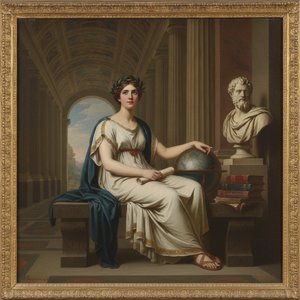
Timeless Elegance: The Grace, Order, and Intellectual Majesty of Neoclassical Portraiture
Explore the profound beauty of Neoclassical portraiture. Discover how masters used order, grace, and antiquity to transform portraits into timeless monuments of virtue and character through academic excellence.

Emerald Visions: A Reflective Journey Through the Luminous Landscapes of Irish Impressionism
Immerse yourself in the luminous landscapes of Ireland. Explore our curated collection of hand-painted Impressionist oil reproductions, celebrating masters like McKelvey. Discover timeless beauty and bespoke artistry designed to bring cultural elegance to your home with OriginalUniqueArt.com.
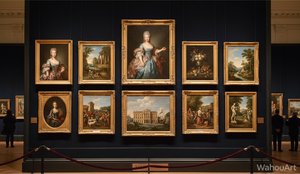
Топ 10 шедьоври на XVIII век: Изкуство, история и красота за вашия дом
Разгледайте 10 шедьовъра от XVIII век – барокови портрети, рококо пейзажи и исторически картини на Гоя, Фрагонар и други. Вдъхновете се за луксозен декор с OriginalUniqueArt.com! Разгледайте пълната колекция онлайн.

Neoclassical Portraiture: The Timeless Elegance of Order, Grace, and Academic Mastery
Explore the refined world of Neoclassical portraiture. Discover the mastery of line, light, and order through an expert exploration of academic art history, from Jacques-Louis David to Jean-Antoine Houdon. Immerse yourself in the timeless elegance of classical realism.