

 Преглед в реален мащаб
 Сподели
 Сподели
 Подробности
 Ръководство

 Изтегляне
 Подобни артикули
 Рентгенова снимка
 Слайдшоу
 Статистика
DANSE DE PAYSANS


 Разгърни целия текст
Жикле / Художествен принт
Giclée печат или принт върху платно с музейно качество, бързо производство и гъвкави опции за завършен вид. ( Поръчайте ръчно рисувано репродукция на този колекционерски предмет Превключване към дигитално изображение)




P118B $10

P118H $10

P118W $10

P438Z $10

P508JH $12

P508YH $12

P805H $10

P805Z $10

P919BZ $10

P919G $10

P919XJ $10

P959ZH $10

P968JZ $12

W106C $8

W218G $10

W218JH $8

W218Y $10

W307PJ $10

W316G $10

W316PJ $8

W316Y $10

W398PJ $8

W4111J $10

W500HY $15

W500JH $15

W692G $12

W849H $8

W940BG $15

W953PJ $8




Изберете от нашите предварително зададени размери, които съответстват на оригиналните пропорции на произведението.

Можете да въведете собствени размери, за да паснат на конкретна рамка или пространство. Ако избраният от Вас размер не съвпада с пропорциите на оригиналното изображение, ние ще изрежем произведението или ще разширим изображението с огледален или едноцветен ръб. Дигитален макет ще бъде изпратен за Ваше одобрение преди започването на производството.
Моля, имайте предвид, че предпрегледът на екрана не отразява реалното изрязване или разширяване. Само макетът ще покаже точно финалната композиция.
Въпреки че са налични персонализирани размери, препоръчваме да изберете размер от предварително дефинирания списък, за да запазите оригиналните пропорции.
Доставка по целия свят () в рамките на 2 седмици вместо стандартните 4/5 седмици. (25 Септември)

Безплатна експресна доставка по целия свят

Висококачествено ленено платно

Пълно застраховане на доставката

Гаранция за възстановяване на митнически такси

Гаранция за пълно съответствие на цветовете

Политика за връщане в рамките на 100 дни (само при дефекти)

100% Гаранция за връщане на сумата

Отстъпка при поръчка на повече произведения
 Опцията със стъкло е налична само за размери под 110 см

DANSE DE PAYSANS
Жикле / Художествен принт
Размер на репродукцията
-


Крайна цена
$ 80
A Pastoral Vision: Jean-Pierre Houël’s “Danse de Paysans”
Jean-Pierre Houël's "Danse de Paysans" (Dance of Peasants) offers a captivating glimpse into the heart of 18th-century rural France. Painted around 1770, this work transcends a simple depiction of a village celebration; it’s a carefully constructed tableau brimming with symbolic resonance and imbued with the quiet beauty characteristic of Neoclassical landscape painting. The scene unfolds along a gently flowing river, framed by rolling hills culminating in an ancient stone structure – likely a ruined tower or bridge – that anchors the composition and provides a dramatic vertical counterpoint to the horizontal expanse of the countryside. Houël masterfully employs atmospheric perspective, subtly fading the distant elements to create a convincing sense of depth, drawing the viewer into this idyllic world. The muted palette of browns, greens, and soft blues evokes a feeling of timelessness, mirroring the enduring connection between humanity and nature that was so central to Enlightenment thought.The Fusion of Styles: Neoclassicism Meets Romanticism
Houël’s artistic vision is remarkably complex, blending elements of both Neoclassical precision and the burgeoning Romantic sensibility. The composition itself adheres to Neoclassical principles – a balanced arrangement, clear linear perspective, and an emphasis on naturalistic representation. However, within this framework, we detect hints of Romanticism in the heightened emotionality conveyed through the figures’ postures and expressions, and in the overall atmosphere of peaceful contemplation. The painting isn't merely documenting a scene; it’s attempting to capture a feeling – a sense of communal joy and connection to the land. This duality is particularly evident in the treatment of the architecture: while the tower/bridge possesses defined lines reflecting Neoclassical ideals, its ancient, weathered appearance hints at a history stretching far beyond the present moment, aligning with Romantic fascination with the past.Technique and Materials: A Masterful Blend
Houël’s technical skill is immediately apparent in the smooth transitions of color and tone achieved through meticulous blending of brushstrokes. The painting demonstrates a sophisticated understanding of layering and glazing – techniques used to build up depth and luminosity, particularly noticeable in the rendering of the water and the foliage. The visible texture of the paint itself adds to the work’s tactile quality, inviting the viewer to appreciate the artist's hand. He likely employed oil paints on canvas, a medium that allowed for both rich color saturation and nuanced detail. The careful observation of light and shadow – diffused daylight casting subtle shadows across the landscape – further enhances the realism and atmospheric depth of the scene. The choice of materials speaks volumes about Houël’s dedication to capturing the essence of his subject matter with remarkable fidelity.Symbolism and Emotional Resonance
Beyond its aesthetic qualities, “Danse de Paysans” is rich in symbolic meaning. The dance itself can be interpreted as a celebration of harvest, a communal ritual, or simply an expression of joy and connection within the rural community. The ancient stone structure serves as a potent symbol – representing history, tradition, and perhaps even a link to a forgotten past. It’s a visual reminder of humanity's enduring relationship with the land and its monuments. The overall mood is undeniably peaceful and idyllic, evoking a sense of nostalgia for a simpler time. Houël successfully captures not just a scene but also an emotional state – a feeling of contentment and belonging rooted in the rhythms of rural life. This painting resonates deeply because it taps into our innate desire for connection with nature and community, themes that remain powerfully relevant today.Биография на художника
Jean-Pierre Houël: Life and Legacy
Early Life and Education
Jean-Pierre-Louis-Laurent Houël was born in Rouen, France, on June 28, 1735. He came from a family of prosperous artisans who recognized his artistic talent early on and enrolled him at the city’s drawing academy at the age of fifteen. This foundational education exposed him to the works of early Dutch and Flemish masters – an influence that would profoundly shape his career, particularly his specialization in landscape painting.
Artistic Development and Influences
Houël's initial artistic endeavors included creating a book of landscape engravings in 1758. In 1768, he secured commissions to paint six views of the Duc de Choiseul’s estate, Château de Chanteloup. This patronage proved pivotal, leading to his acceptance into the French Academy in Rome in 1769. His time in Italy was transformative. Immersed in Italian culture, landscapes, and ancient sites, he embarked on extensive travels throughout Southern Italy, meticulously documenting his observations through gouache drawings. These works garnered acclaim at the Paris Salons of the early 1770s.
Travels and Publications
From 1776 to 1779, Houël journeyed through Sicily, Lipari, and Malta. This period resulted in a series of lavishly illustrated travel books published between 1782 and 1787. These publications weren’t merely topographical records; they were masterful displays of watercolor technique, capturing the nuances of light and atmosphere with remarkable delicacy. He strategically sold preliminary drawings to finance these ambitious projects, attracting notable buyers like Louis XVI and Catherine II of Russia.
Major Achievements and Artistic Style
Houël’s artistic style is characterized by a meticulous attention to detail, a refined use of color, and a keen sensitivity to atmospheric effects. He excelled in both landscape painting and topographical illustration. His works often depict idyllic pastoral scenes, grand estates like Château Chanteloup, and evocative views of Italian cities and countryside. Later in life, he pursued scientific interests, publishing illustrated treatises on elephants. This suggests an intention to expand into further zoological studies, though his plans were unfortunately cut short by his death.
Historical Significance
Houël’s career spanned a period of immense social and political upheaval – from the reign of Louis XV through the French Revolution and the rise of Napoleon's First Empire. His art provides valuable insights into the landscapes, customs, and architectural features of 18th-century France and Italy. He stands as a significant figure in Neoclassical landscape painting, bridging the gap between topographical documentation and artistic expression. While not as widely celebrated as some of his contemporaries, Houël’s detailed observations and skillful execution continue to resonate with art historians and enthusiasts today.
Notable Works
- Paysage avec une bergère près d'une ruine
- Vue de la Loire entre Amboise et Lussault
- DANSE DE PAYSANS
- His series of illustrated travel books on Italy and Sicily.

houel jean pierre
1735 - 1813 , France
Бързи факти
- Birth Date: 1735
- Birth Place: Rouen, France
- Death Date: 1813
- Influenced By: Early Dutch and Flemish painters
- Movement: Neoclassical
- Name: Jean-Pierre Houël
- Nationality: French
- Notable Works: Prise de la Bastille, travel books of Italy and Sicily
Свързани статии

Cultivating Visions: A Historical Journey Through Rural Landscapes in Art
Explore the rich history of rural landscape painting with OriginalUniqueArt. Discover Impressionist masterpieces, key artists & movements. Find your perfect serene artwork and bring nature's beauty home.

Топ 25 шедьовъра на Джон Констабъл: Английски пейзажи за вашия дом | OriginalUniqueArt.com
Открийте топ 25 шедьовъра на Джон Констабъл – английски пейзажи, романтизъм и красотата на природата. Репродукции с музейно качество за вашия дом! Разгледайте пълната колекция онлайн на OriginalUniqueArt.com.

Топ 25 шедьовъра на Жорж Сера: Изкуство, светлина и декоративни решения от OriginalUniqueArt
Разгледайте топ 25 шедьовъра на Жорж Сера – пионер на импресионизма и постимпресионизма. Открийте историите зад картините, точковия метод и chromoluminarism. Купете луксозни репродукции на изкуството онлайн в OriginalUniqueArt.com.
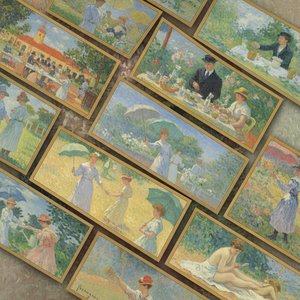
Топ 25 шедьовъра на Ренуар: Красота, светлина и импресионизъм за вашия дом
Разгледайте топ 25 шедьовъра на Ренуар – импресионизъм, светлина и красота във всяка картина! Историята зад творбите, техниките и емоциите. Купете висококачествени репродукции на картини от Ренуар за вашия дом в OriginalUniqueArt.com.

Топ 10 шедьовъра на Романтичния пейзаж: Изкуство за вашия дом от OriginalUniqueArt.com
Открийте 10 шедьовъра на Романтичния пейзаж – Фридрих, Търнър и други! Разгледайте историите зад картините, техниките и емоциите. Репродукции с музейно качество от OriginalUniqueArt.com. Вдъхновете се за вашия дом!