Преглед в реален мащаб
 Сподели
 Сподели
 Подробности
 Ръководство

 Изтегляне
 Подобни артикули
 Рентгенова снимка
 Слайдшоу
 Статистика
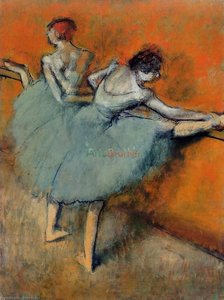
The Ballet Scene from 'Robert la Diable


 Разгърни целия текст
Жикле / Художествен принт
Giclée печат или принт върху платно с музейно качество, бързо производство и гъвкави опции за завършен вид. ( Поръчайте ръчно рисувано репродукция на този колекционерски предмет Превключване към дигитално изображение)




P118B $10

P118H $10

P118W $10

P438Z $10

P508JH $12

P508YH $12

P805H $10

P805Z $10

P919BZ $10

P919G $10

P919XJ $10

P959ZH $10

P968JZ $12

W106C $8

W218G $10

W218JH $8

W218Y $10

W307PJ $10

W316G $10

W316PJ $8

W316Y $10

W398PJ $8

W4111J $10

W500HY $15

W500JH $15

W692G $12

W849H $8

W940BG $15

W953PJ $8




Изберете от нашите предварително зададени размери, които съответстват на оригиналните пропорции на произведението.

Можете да въведете собствени размери, за да паснат на конкретна рамка или пространство. Ако избраният от Вас размер не съвпада с пропорциите на оригиналното изображение, ние ще изрежем произведението или ще разширим изображението с огледален или едноцветен ръб. Дигитален макет ще бъде изпратен за Ваше одобрение преди започването на производството.
Моля, имайте предвид, че предпрегледът на екрана не отразява реалното изрязване или разширяване. Само макетът ще покаже точно финалната композиция.
Въпреки че са налични персонализирани размери, препоръчваме да изберете размер от предварително дефинирания списък, за да запазите оригиналните пропорции.
Доставка по целия свят () в рамките на 2 седмици вместо стандартните 4/5 седмици. (26 Септември)

Безплатна експресна доставка по целия свят

Висококачествено ленено платно

Пълно застраховане на доставката

Гаранция за възстановяване на митнически такси

Гаранция за пълно съответствие на цветовете

Политика за връщане в рамките на 100 дни (само при дефекти)

100% Гаранция за връщане на сумата

Отстъпка при поръчка на повече произведения
 Опцията със стъкло е налична само за размери под 110 см

The Ballet Scene from 'Robert la Diable
Жикле / Художествен принт
Размер на репродукцията
-


Крайна цена
$ 80
The Ballet Scene from 'Robert la Diable': A Glimpse into Parisian Artistic Life
- Title: The Ballet Scene from Robert la Diable
- Artist: Edgar Degas
- Date: 1874
- Medium: Oil on Panel
- Location: Baltimore Museum of Art
Edgar Degas's "The Ballet Scene from Robert la Diable" is a captivating window into the vibrant world of 19th-century Parisian ballet and opera. This oil painting, rendered on panel, masterfully captures a moment during a rehearsal for Giacomo Meyerbeer’s Romantic opera, “Robert le Diable.” Rather than focusing solely on the dancers' performance, Degas presents a broader scene – the bustling atmosphere behind the curtain, showcasing musicians, stagehands, and audience members. This choice distinguishes his work from traditional depictions of ballet, offering a more realistic and intimate portrayal.
Artistic Style and Technique
Degas was a pivotal figure in the Impressionist movement, though he resisted being strictly categorized as such. His style is characterized by its dynamic compositions, unconventional perspectives, and an emphasis on capturing fleeting moments of movement. In "The Ballet Scene," Degas employs loose brushstrokes and a muted color palette to convey the energy and atmosphere of the rehearsal space.
- Impressionistic Elements: The painting showcases Impressionist techniques through its focus on light and shadow, and the use of broken color to create a sense of vibrancy.
- Realism: Degas's commitment to realism is evident in his depiction of everyday details – the musicians tuning their instruments, the audience members observing with varying degrees of interest, and the slightly disheveled appearance of the dancers.
- Compositional Innovation: The painting’s composition is unconventional; Degas positions the viewer as if they are seated within the orchestra pit, providing a unique perspective on the scene. This vantage point allows for a broader view of the rehearsal space, including both the performers and the audience.
Historical Context & Symbolism
The late 19th century was a period of significant cultural change in Paris, with ballet experiencing a resurgence in popularity. Degas’s work reflects this era's fascination with the world of performance and its associated social rituals. The opera "Robert le Diable," itself a popular spectacle, provided Degas with an ideal subject for exploring themes of beauty, artistry, and the fleeting nature of fame.
- Romantic Opera: "Robert le Diable" was a quintessential Romantic opera known for its dramatic storyline and elaborate stage productions.
- Ballet as Spectacle: Degas’s painting captures the essence of ballet as both an art form and a spectacle, highlighting the dedication and discipline required of dancers while also acknowledging the entertainment value for audiences.
- Parisian Society: The inclusion of audience members provides insight into Parisian society's engagement with the arts during this period.
Emotional Impact & Legacy
“The Ballet Scene from Robert la Diable” evokes a sense of quiet observation and understated elegance. It’s not a dramatic, overtly emotional piece; rather, it invites viewers to contemplate the everyday realities behind the glamour of the stage. Degas's ability to capture the fleeting moments of rehearsal – the focused concentration of the musicians, the casual interactions among dancers – creates a sense of intimacy and authenticity.
This painting is part of Degas’s extensive body of work dedicated to ballet, solidifying his reputation as one of the most important artists in portraying this art form. His innovative approach to composition and his keen eye for detail continue to inspire artists and captivate audiences today, making reproductions of this artwork a valuable addition to any collection.
Биография на художника
A Life Immersed in Movement
Edgar Degas, born Hilaire-Germain-Edgar De Gas in Paris on July 19, 1834, stands as a captivating figure of the late 19th century – an artist who defied easy categorization. Often grouped with the Impressionists alongside Monet and Renoir, he vehemently resisted this label, identifying instead as a realist, driven by a meticulous observation of the world and a commitment to portraying it with unflinching honesty. His early life was comfortably bourgeois; his father, a banker, and his mother, hailing from a Creole family in New Orleans, afforded him access to education and artistic training, though he often felt constrained by academic traditions. Initially enrolled at the Lycée Louis-le-Grand, Degas’s true education began with clandestine visits to the Louvre, where he diligently copied works by masters like Raphael, honing his skills and igniting a lifelong passion for classical art. However, Degas's path wasn’t one of rigid adherence; it was marked by constant questioning and a willingness to challenge artistic norms – a spirit that defined his entire career.Beyond Impressionism: A Unique Artistic Vision
While contemporaries like Monet chased the ephemeral effects of light outdoors, capturing fleeting moments in nature, Degas largely worked within the confines of his studio, constructing scenes with painstaking detail from observation and memory. His subject matter was decidedly modern – a deliberate departure from the historical or mythological themes favored by many academic painters. He found inspiration in the vibrant, often overlooked, realities of Parisian life: the weary laundresses hauling their heavy loads, the alluring figures of cabaret singers, the meticulous artistry of milliners, and, most famously, the captivating world of ballet dancers. Degas didn’t simply paint beautiful ballerinas; he captured the grueling reality of their profession – the endless rehearsals, the physical strain, the fleeting moments of grace amidst a demanding and often harsh environment. His compositions are frequently unconventional, cropping figures in unexpected ways, utilizing asymmetrical arrangements that create a sense of dynamism and immediacy, and employing a subtle manipulation of perspective to draw the viewer into the scene. He was a master of capturing movement – not through blurred lines or hazy effects, but through precise observation, careful rendering of form, and an understanding of how light interacts with the human body in motion. Works like *Dancer and Tambourine*, *The Ballet Class*, and *Women Combing Their Hair* exemplify this dedication to portraying the human figure in its most dynamic state, revealing both its beauty and its inherent struggles.Influences and Artistic Development
Degas’s artistic journey was shaped by a remarkably diverse range of influences. His early training emphasized classical principles, particularly the work of Jean-Auguste-Dominique Ingres, whose emphasis on draftsmanship and precise form left an indelible mark. However, Degas also admired the Realists, such as Gustave Courbet, who challenged academic conventions and championed the depiction of contemporary life with raw honesty. A pivotal moment in his development came through his association with Camille Pissarro, a leading Impressionist who encouraged him to experiment with new techniques and broadened his artistic horizons. He was deeply captivated by Japanese prints – Ukiyo-e – which profoundly influenced his compositions, particularly his use of asymmetrical arrangements, flattened perspectives, and bold patterns. These prints demonstrated a different way of seeing the world, one that prioritized composition over strict realism. Furthermore, Degas embraced photography as a tool for studying movement and capturing fleeting moments in time, often using photographs as reference material for his paintings. This willingness to incorporate diverse influences – from classical art to Japanese prints to photographic techniques – into his work is what truly sets Degas apart and contributes to the unique character of his oeuvre. He wasn’t merely imitating trends; he was synthesizing them into something entirely new and uniquely his own.Major Achievements and Techniques
Throughout his career, Degas produced a vast body of work encompassing painting, sculpture, printmaking, and drawing. His paintings are renowned for their remarkable draftsmanship, capturing the subtle nuances of human expression and movement with astonishing accuracy. He was particularly celebrated for his depictions of ballet dancers, which went far beyond mere portraiture to reveal the physicality and emotional intensity of these performers. Beyond dance, he also produced compelling images of Parisian life – laundresses, racehorses, café singers, and prostitutes – all rendered with a keen eye for detail and a subtle sense of social commentary. Degas’s use of pastel was particularly innovative, allowing him to create delicate textures and luminous colors that captured the fleeting effects of light and shadow. His prints, including etchings and lithographs, demonstrated his mastery of line and composition, often exploring similar themes as his paintings. His ability to capture a moment in time, imbued with both beauty and truth, cemented his place as one of the most significant artists of the late 19th century.Legacy and Lasting Impact
Edgar Degas died in Paris on September 27, 1917, leaving behind an extraordinary legacy that continues to resonate today. His innovative approach to composition, his unparalleled draftsmanship, and his unflinching portrayal of modern life have had a profound impact on the course of art history. He paved the way for future generations of artists who sought to break free from traditional conventions and explore new ways of representing the world around them. His influence can be seen in the work of Pablo Picasso and Henri Matisse, among others, demonstrating his enduring relevance as an artist. Museums worldwide – including the Musée d'Orsay and the Musée de l’Orangerie in Paris – house significant collections of his paintings, pastels, sculptures, and prints, ensuring that his artistic vision will continue to inspire and captivate audiences for generations to come. Degas wasn’t merely a painter of dancers or racehorses; he was a keen observer of human nature, a master of form and movement, and a true innovator who redefined the possibilities of art.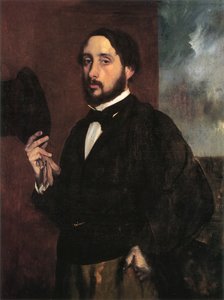
hilaire-germain-edgar degas
1834 - 1917 , Франция
Бързи факти
- Artistic Movement Or Style: Импресионизъм, Реализъм
- Artists Or Movements Influenced By This Artist:
- Пикасо
- Матис
- Artists Who Influenced This Artist:
- Дугон
- Бомон
- Писаро
- Date Of Birth: 1834
- Date Of Death: 1917
- Full Name: Hilaire-Germain-Edgar De Gas
- Nationality: Френски
- Notable Artworks:
- Танцьорка и тамбурин
- Балетен клас
- Дегас в зелена жилетка
- Събиране на цветя
- Жени, разплитащи коса
- Place Of Birth: Париж, Франция
Свързани статии
Топ 10 шедьоври на импресионизма: История, артисти и красота за вашия дом
Разгледайте топ 10 шедьоври на импресионизма – Моне, Реноар, Дега и други! Открийте историите зад картините, техниките и красотата. Музейни репродукции за вашия дом на OriginalUniqueArt.com

Edgar Degas: Capturing Modern Life – A Study of Movement, Observation, and the Parisian Belle Époque
Explore the captivating world of Edgar Degas! Discover his innovative techniques, iconic ballet paintings, and unique portrayal of Parisian life in this insightful art history study.
Топ 10 шедьовъра на Импресионизма: Изкуство за вашия дом от
Открийте топ 10 шедьовъра на Импресионизма – Моне, Реноар и други! Разгледайте историите зад картините, техниките и цветовете. Музейно качество репродукции за вашия дом от . Разгледайте пълната колекция онлайн!

Топ 10 шедьоври на импресионизма: История, артисти и красота за вашия дом
Потопете се в света на импресионизма с нашия списък от 10 шедьовъра! От Моне до Реноар, разкрийте историите зад най-емблематичните картини. Вдъхновете дома си с изкуство – купете репродукции на високо качество на OriginalUniqueArt.com
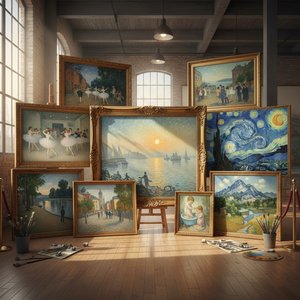
Топ 10 шедьоври на импресионизма: Изкуство за вашия дом от OriginalUniqueArt
Разгледайте топ 10 шедьоври на импресионизма – Моне, Реноар и други! Открийте историите зад картините, техниките и цветовете. Музейни репродукции за вашия дом от OriginalUniqueArt.com.