
 Представи си го
 Изпрати
 Сподели
 Детайли

 Изтегляне
 Подобни
 Рентгенова снимка
 Слайдшоу
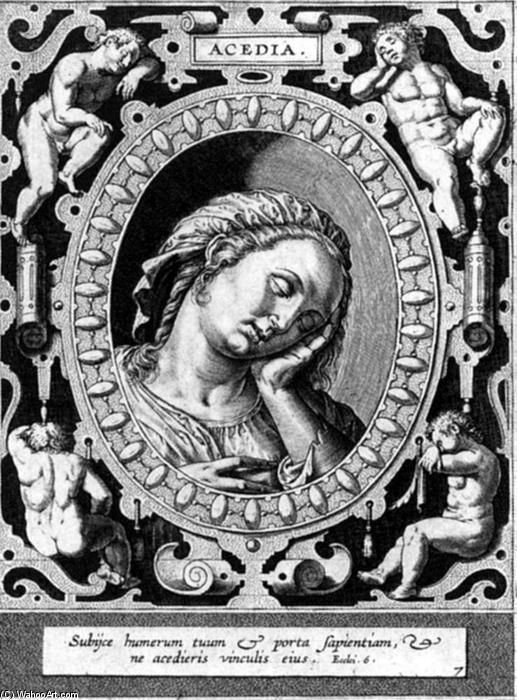
Acedia


 Прочетете повече
Жикле / Художествен принт
Giclée печат или принт върху платно с музейно качество, бързо производство и гъвкави опции за завършен вид. ( Превключване към ръчно рисувана картина Превключване към изображение)




































Изберете от предварително зададените размери, които съответстват на оригиналните пропорции на произведението.

Можете да въведете собствени размери, за да паснат на конкретна рамка или пространство. Ако избраният от Вас размер не съвпада с пропорциите на оригиналното изображение, ние ще изрежем произведението или ще разширим изображението с огледален или едноцветен ръб. Дигитален макет ще бъде изпратен за Ваше одобрение преди започването на производството.
Моля, имайте предвид, че предпрегледът на екрана не отразява реалното изрязване или разширяване. Само макетът ще покаже точно финалната композиция.
Въпреки че са налични персонализирани размери, препоръчваме да изберете размер от предварително дефинирания списък, за да запазите оригиналните пропорции.
Доставка по целия свят () в рамките на 2 седмици вместо стандартните 4/5 седмици. (10 Август)

Безплатна експресна доставка по целия свят

Висококачествено ленено платно

Пълно застраховане при доставка

Гаранция за възстановяване на митнически такси

Гаранция за цветова точност

60-Дневен период за връщане (Само при дефекти)

100% Гаранция за връщане на парите

Предложение за отстъпка при поръчка на едро
 Стъклото е налично само в размери под 110 см

Acedia
Жикле / Художествен принт
Размер на репродукцията
-


Обща цена
$ 80
Описание на колекционерския предмет
A Study in Slumber: Hieronymus Wierix’s “Acedia”
Hieronymus Wierix's "Acedia," a meticulously rendered engraving from around 1600, isn’t merely a depiction of a sin; it’s a profound meditation on the human condition – a hauntingly beautiful exploration of apathy and the seductive allure of inaction. Created during a period of intense religious upheaval in the Netherlands, this work speaks to the anxieties and moral complexities of its time, offering a timeless reflection on the struggle between spiritual aspiration and worldly comfort.
The image centers upon a female figure, embodying Acedia itself, her posture radiating an almost unbearable languor. She rests her head upon her hand, a gesture simultaneously vulnerable and defiant. Around her swirl symbolic elements designed to amplify the sin’s insidious nature. To her right, a young man gazes into a mirror, lost in self-admiration – a potent representation of vanity, a distraction from the true path. Across from him, a figure pours water upon a stone, an act of futile cleansing, suggesting a desperate but ultimately ineffective attempt to wash away the consequences of idleness. The background is filled with intricate patterns and small putti-like figures, adding layers of complexity and hinting at the spiritual battles waged within the human soul.
The Master’s Technique: Engraving as Revelation
Wierix was a master of the engraving technique, renowned for his ability to achieve astonishing detail and tonal variation through careful manipulation of line. This particular print is a prime example; the image is constructed from thousands of precisely incised lines, creating a surface that appears both smooth and textured simultaneously. The artist’s use of hatching and cross-hatching – layering parallel lines to build up shadow – is particularly noteworthy, lending depth and volume to the figures and background elements. The monochrome palette—a carefully orchestrated range of grays from near black to pale white—heightens the sense of melancholy and emphasizes the stark contrast between light and darkness, mirroring the internal struggle depicted within the scene.
The process itself was demanding, requiring immense patience and skill. The artist would first create a copper plate, meticulously drawing the design with a needle or stylus. Then, using acid, he would incise the lines into the metal surface. Finally, the plate was inked and pressed onto paper, transferring the image in reverse. This painstaking method is evident in every delicate line and subtle shading, underscoring Wierix’s dedication to his craft.
Symbolism and Spiritual Weight
Beyond its immediate visual impact, “Acedia” is rich with symbolic meaning. The central figure represents not just laziness but a deeper spiritual malaise – a detachment from God and a failure to embrace virtue. The mirror symbolizes vanity, a trap that draws the viewer away from introspection and genuine connection. The pouring water signifies an attempt at purification, yet it’s ultimately ineffective against the root cause of the sin: a lack of will. The putti figures, often associated with angels or divine messengers, could represent the constant temptation to stray from the righteous path.
Wierix was deeply influenced by the religious art of the Renaissance and early Baroque periods, particularly the works of Albrecht Dürer, whose meticulous detail and symbolic imagery he greatly admired. This print reflects a similar commitment to conveying moral lessons through carefully constructed visual narratives – a testament to the enduring power of art as a vehicle for spiritual instruction.
A Timeless Reflection: Reproduction and Inspiration
Reproductions of “Acedia” offer a remarkable opportunity to experience the artistry and emotional depth of this iconic engraving. Whether displayed in a private collection or incorporated into an interior design scheme, this image evokes a sense of quiet contemplation and invites viewers to consider their own relationship with virtue, temptation, and the pursuit of meaning. Wierix’s masterful rendering of human emotion and his profound understanding of symbolism continue to resonate today, making “Acedia” a timeless masterpiece that transcends its historical context.
Всички статии
Барокът: Разцвет на изкуството и трайно културно наследство
Разгледайте разцвета на Барока – стил в изкуството, доминирал в Европа векове наред. История, характеристики и трайно влияние върху културата. Експертен анализ.

Echoes of Isolation: Solitude in Western Art from Renaissance to Modernism
Explore the profound representation of solitude in Western art from the Renaissance to Modernism. Discover iconic paintings & artists like Goya, Friedrich, and Rossetti. Handmade oil reproductions available at OriginalUniqueArt.

Топ 10 легендарни гравюри, променили изкуството завинаги | OriginalUniqueArt.com
Разгледайте топ 10 легендарни гравюри от Dürer, Rembrandt и Goya! Открийте историите зад шедьоврите на ренесанса, барока и романтизма. Висококачествени репродукции за вашия дом – OriginalUniqueArt.com

Mannerism: Bridging Renaissance Harmony & Baroque Drama – A Study of Style & Affectation
Explore the fascinating world of Mannerism! Discover its key characteristics, pioneering artists like Pontormo & Bronzino, and its pivotal role in bridging Renaissance harmony to Baroque drama. A comprehensive guide for art enthusiasts.
Рафаел: Топ 25 шедьовъра на Ренесанса за вашия дом | OriginalUniqueArt.com
Открийте 25-те най-велики шедьовъра на Рафаел – Ренесансови картини, мадони и фрески с богата история. Вдъхновете се за декор с изкуство от OriginalUniqueArt.com! Разгледайте колекцията онлайн.

