- Начало

- Възпроизведение на маслена картина
- Херонимъс Бош
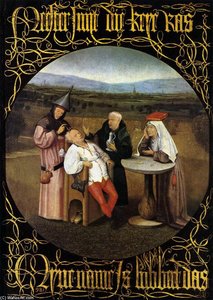
- Marriage Feast at Cana

 Купи принт Купи изображение
 Изпрати
 Сподели
 Детайли
 Добавяне към любими

 Изтегляне
 Подобни
 Рентгенова снимка
 Слайдшоу
Marriage Feast at Cana
 Acrylic On Canvas
- WallArt
- Late Medieval
 93.0 x 72.0 cm
 Музей Бойманс ван Беунхиген
 Прочетете повече
Ръчно изработена маслена репродукция
Ръчно рисувана маслена картина върху платно във вашия размер и рамка, изработена по поръчка от нашите художници.




P118B $10

P118H $10

P118W $10

P438Z $10

P508JH $12

P508YH $12

P805H $10

P805Z $10

P919BZ $10

P919G $10

P919XJ $10

P959ZH $10

P968JZ $12

W106C $8

W218G $10

W218JH $8

W218Y $10

W307PJ $10

W316G $10

W316PJ $8

W316Y $10

W398PJ $8

W4111J $10

W500HY $15

W500JH $15

W692G $12

W849H $8

W940BG $15

W953PJ $8




Изберете от предварително зададените размери, които съответстват на оригиналните пропорции на произведението.

Можете да въведете свои собствени размери, за да пасне на конкретна рамка или пространство. Ако избраният от вас размер не съответства на пропорциите на оригиналното изображение, ние ще изрежем произведението или ще удължим картината с допълнителни ръчно рисувани елементи. Дигитален макет ще бъде изпратен за ваше одобрение преди започване на производството.
Моля, обърнете внимание, че прегледът на екрана не отразява действителното изрязване или разширяване. Само макетът ще покаже точно финалния състав.
Въпреки че са налични персонализирани размери, препоръчваме да изберете размер от предварително дефинирания списък, за да запазите оригиналните пропорции.
След поръчка, екипът на OriginalUniqueArt.com ще изпрати имейл на клиента за инструкции и ще предостави преглед на макет.
Доставка по целия свят () в рамките на 3/4 седмици вместо стандартните 5 седмици. (16 Юли). Без компромис с качеството.

Безплатна експресна доставка по целия свят

Висококачествено ленено платно

Пълно застраховане при доставка

Гаранция за възстановяване на митнически такси

Гаранция за цветова точност

60-Дневен период за връщане (Само при дефекти)

100% Гаранция за връщане на парите

Предложение за отстъпка при поръчка на едро
 Стъклото е налично само в размери под 110 см

Marriage Feast at Cana
Репродукционен метод
Размер на репродукцията
-


Обща цена
-
Описание на произведението
A Vision of Festive Excess: Exploring Hieronymus Bosch’s Marriage Feast at Cana
The painting “Marriage Feast at Cana,” attributed to the enigmatic Netherlandish artist Hieronymus Bosch (1450-1516), stands as a haunting testament to late medieval anxieties and an astonishing demonstration of artistic innovation. More than just a depiction of a biblical narrative—the miraculous multiplication of loaves and fishes recounted in John 2:1-11—Bosch’s masterpiece delves into profound psychological complexities, presenting a scene brimming with unsettling detail that continues to fascinate scholars and captivate viewers centuries later.The Style and Technique – A Departure from Tradition
Bosch's style represents a radical departure from the prevailing artistic conventions of his time. Unlike the idealized portraits and religious scenes favored by many contemporaries, Bosch eschewed polished surfaces and harmonious compositions in favor of a deliberately grotesque aesthetic. The painting utilizes meticulous oil paint technique combined with tempera glazing—a layering process that lends depth and luminosity to the imagery—creating textures that are both tactile and disconcerting. Bosch’s masterful use of hatching and cross-hatching contributes significantly to the unsettling atmosphere, emphasizing contours and creating an illusion of three dimensions that feels strangely claustrophobic. This technique wasn't merely about realism; it was about conveying emotion and psychological disturbance.Historical Context: Fear and Faith in Turbulent Times
Bosch’s artistic vision emerged during a period marked by significant social upheaval. The Black Death had decimated Europe’s population, leaving scars of mortality visible across the landscape and fueling anxieties about death and damnation. Simultaneously, burgeoning humanist thought challenged established religious dogma, prompting individuals to question traditional beliefs. Bosch's art reflects this intellectual ferment, portraying humanity as susceptible to temptation and plagued by inner demons—a preoccupation that aligns perfectly with the pervasive spiritual concerns of the era. The biblical tale itself served as a metaphor for confronting anxieties about sustenance and salvation, mirroring the broader societal fears of his time.Symbolism: A Landscape of Disturbing Imagery
The painting is replete with symbolic imagery designed to provoke contemplation and unsettle the viewer’s sensibilities. The opulent dining table—laden with overflowing bowls and cups—represents earthly indulgence and excess, juxtaposed against the stark reality of human vulnerability. The bizarre assortment of vases, each adorned with grotesque figures and unsettling flora, symbolizes decay and corruption – a visual representation of Bosch's preoccupation with sin and mortality. Even the dog present in the scene is imbued with symbolic significance; it embodies primal instincts and represents the darker side of human nature. These elements aren’t merely decorative; they are integral to Bosch’s overarching message about confronting one’s fears and acknowledging the inescapable presence of evil within the human psyche.Emotional Impact: A Portrait of Existential Dread
“Marriage Feast at Cana” transcends mere visual representation, achieving a profound emotional impact that resonates with viewers across generations. Bosch doesn't offer comfort or reassurance; instead, he confronts us with an unflinching portrayal of human imperfection and spiritual struggle. The painting’s unsettling atmosphere—characterized by distorted perspectives, grotesque figures, and disturbing textures—forces the viewer to confront uncomfortable truths about human nature and the fragility of faith. It is precisely this unsettling quality that secures Bosch's place as one of art history’s most enduringly provocative artists, prompting ongoing debate about his intentions and ensuring that “Marriage Feast at Cana” continues to inspire awe and contemplation.Биография на художника
Hieronymus Bosch: A Netherlandish Enigma
Born around 1450 in the vibrant, bustling town of ’s-Hertogenbosch in the Netherlands—then part of Brabant—Hieronymus Bosch, originally Jheronimus van Aken, remains one of art history’s most compelling and mysterious figures. His world was steeped in late medieval religious fervor, folklore, and a growing sense of societal unease, all of which would profoundly shape his uniquely unsettling artistic vision. Coming from a family with a long tradition of painting—his grandfather, Jan van Aken, and father, Anthonius van Aken, were both artists—Bosch likely received his earliest training within the family workshop, absorbing the techniques and conventions of Netherlandish painting. However, even in his formative years, he began to diverge from established norms, hinting at the extraordinary imagination that would define his career. Biographical details are frustratingly scarce; records are fragmented, leaving much open to speculation and interpretation, adding to the aura of mystique surrounding both the man and his work. He married Aleyt Goyaerts van den Meerveen sometime before 1481, a union that provided him with some financial security through her family’s holdings, but little else is known about their personal life.Fantastical Visions and Symbolic Depths
Bosch's artistic style is instantly recognizable—a captivating blend of meticulous detail and wildly imaginative imagery. He primarily worked with oil on oak panels, demonstrating a masterful command of the medium, achieving luminous colors and intricate textures. While his early works show influences from traditional Netherlandish painting, particularly in their realism and attention to detail, he quickly moved beyond mere imitation, developing a profoundly original vision. His paintings are not simply representations of reality; they are allegorical landscapes populated by bizarre creatures, hybrid beings, and unsettling scenes that seem plucked from dreams—or nightmares. Religious themes form the core of much of his work, but these are rarely straightforward depictions of biblical stories. Instead, Bosch uses symbolism to explore complex moral and theological concepts, often focusing on the dangers of sin, the fragility of earthly pleasures, and the inevitability of divine judgment. His creatures—grotesque demons, fantastical animals, and strangely human figures—are not merely decorative elements; they are embodiments of vice, temptation, and spiritual corruption. The blending of the sacred and the profane, the beautiful and the grotesque, creates a uniquely unsettling effect that continues to captivate viewers centuries later.Masterpieces of Moral Allegory
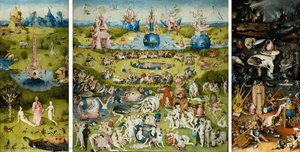
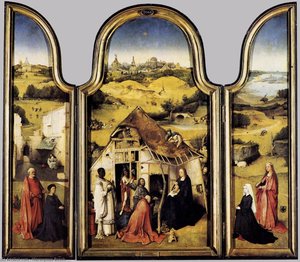
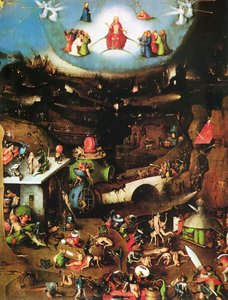
Among Bosch’s most celebrated achievements is The Garden of Earthly Delights (c. 1490-1510), a triptych that remains one of the most enigmatic and debated works in art history. When opened, it presents a panoramic vision of paradise, earthly life, and hell—a complex allegorical representation of humanity’s fall from grace. The left panel depicts the Garden of Eden, teeming with fantastical creatures and lush vegetation; the central panel portrays a world consumed by sensual pleasure and unrestrained desire; and the right panel offers a terrifying glimpse into the torments of hell. The Triptych of the Last Judgement (c. 1480-1490) is another powerful example of his skill in portraying both heavenly bliss and infernal torment, while The Ascent of the Blessed (c. 1480-1490) demonstrates his ability to create ethereal and dreamlike scenes. Even smaller works like Epiphany (c. 1495) showcase his innovative use of oil on wood and complex symbolism, revealing a mind constantly grappling with profound questions about faith, morality, and the human condition.Influences and Artistic Development
Identifying Bosch’s direct influences is a challenging task, given the originality of his vision. Scholars suggest possible connections to medieval folklore, religious texts—particularly those emphasizing apocalyptic themes—and the prevailing anxieties of the time, including fears of heresy and social upheaval. However, it's clear that he synthesized these elements into something entirely new and uniquely his own. His style evolved over time, moving from more conventional Netherlandish painting towards a highly personalized and symbolic language. Early works show influences from artists like Rogier van der Weyden and Robert Campin, but as Bosch matured, he developed a distinctive approach characterized by meticulous detail, complex compositions, and a fascination with the grotesque. The influence of his family’s artistic legacy is undeniable, but Bosch ultimately forged his own path, creating an oeuvre that defies easy categorization.Legacy and Enduring Influence
Bosch's work has had a profound and lasting impact on art history. He is considered one of the pioneers of Surrealism, inspiring generations of artists with his dreamlike imagery and exploration of the subconscious. Artists like Salvador Dalí and Max Ernst openly acknowledged their debt to his unsettling visions. His paintings continue to be studied and debated by scholars today, offering valuable insights into the religious, social, and psychological climate of the late 15th and early 16th centuries. Bosch’s legacy extends far beyond the art world; his images have become iconic symbols of human folly, moral corruption, and the eternal struggle between good and evil. His paintings serve as a powerful reminder of the complexities of the human condition and the enduring power of art to provoke thought and inspire wonder.
Херонимъс Бош
1450 - 1516 , Нидерландия
Бързи факти
- Artistic Movement Or Style: Сюрреализъм, Символизъм
- Artists Or Movements Influenced By This Artist: ['Питер Брюгхел старши']
- Date Of Birth: c. 1450
- Date Of Death: 1516
- Full Name: Hieronymus Bosch
- Nationality: Нидерландски
- Notable Artworks:
- Градина на земните удоволствия
- Последното съждение
- Изкачването на благочестивите
- Place Of Birth: Den Bosch, Нидерландия
Всички статии
Топ 25 шедьовъра на Хиероним Бош: Разгадаване на символите в изкуството за вашия дом
Разгадайте мистериите на Хиероним Бош с топ 25 негови шедьовъра! Открийте символизма, историята и техниките зад всяка картина. Репродукции за вашия дом – OriginalUniqueArt.com.
Hieronymus Bosch: Decoding the Visions of a Netherlandish Master
Explore the captivating world of Hieronymus Bosch! Delve into the symbolism, religious context, and artistic innovation of this Netherlandish master with OriginalUniqueArt's expert analysis. Discover his iconic paintings & lasting influence.
High Medieval Art: 10 Masterpieces That Shaped an Era | OriginalUniqueArt
Journey through High Medieval Art! Explore 10 iconic masterpieces – from Giotto's frescoes to stunning Gothic cathedrals. Discover the stories behind these timeless paintings, sculptures & illuminated manuscripts. Find museum-quality art reproductions at OriginalUniqueArt.com.
Illuminating Faith & Power: A Journey Through Medieval Art (c. 500 – c. 1500)
Explore the rich history of Medieval Art (c. 500 – c. 1500) with OriginalUniqueArt. Discover Byzantine mosaics, Gothic cathedrals & Renaissance masterpieces. Expert insights & museum-quality reproductions.
Abraham Hendricksz van Beyeren: Pioneering Dutch Still Life & the Banquet Tradition
Explore the captivating world of Dutch Golden Age still life with Abraham van Beyeren. Discover his innovative techniques, symbolic banquet scenes & lasting influence on art history. Learn about collecting these masterpieces.