

 Preview
 Купи принт Купи картина
 Изпрати
 Сподели
 Детайли
 Добавяне към любими

 Изтегляне
 Подобни
 Рентгенова снимка
 Слайдшоу
Liberty


 Прочетете повече
Закупете дигитално изображение с висока резолюция и подобрени характеристики, значително по-добро от онлайн прегледа.
Всеки файл е щателно подготвен от нашите специалисти с помощта на съвременни инструменти и експертна ръчна ретуш. Гарантираме, че всяко изображение има изключителна яснота, прецизна цветова точност и фини детайли.
Окончателният файл се доставя по имейл в рамките на 72 часа, оптимизиран за незабавна употреба в професионални, редакционни и печатни среди. Това е същото качество, на което се доверяват водещи дизайнерски студия, издатели и галерии.
Дигитално изображение
Изтеглете файл с висока резолюция за лично показване, принтиране и творчески проекти.
Включено във всяка поръчка за дигитални изображения
Експресна дигитална доставка, гарантирана
Когато изберете OriginalUniqueArt.com, вие не получавате само изображение – вие получавате професионално подобрена дигитална творба, създадена с прецизност и подкрепена от гаранция за удовлетворение. Ето всичко, което автоматично се включва в вашата поръчка:

Бърза доставка по имейл
Вашето дигитално изображение с висока резолюция ще ви бъде изпратено по имейл в рамките на 72 часа от поръчката - готово за незабавно използване.

Дигитален файл с подобрено качество чрез изкуствен интелект
Вашата картина е професионално оптимизирана с помощта на усъвършенствани инструменти за изкуствен интелект и ръчна редакция, осигурявайки максимална детайлност, яснота и точност на цветовете.

Безплатна доживотна повторна доставка
Изгубили сте или сте премахнали файла си по погрешка? Не се притежнявайте – ще го изпратим отново на Вас по всяко време, безплатно.

Без такки за мито - никога
Всредите си веднага без мита, данъци или такси по доставка - дигителните приложения винаги са без данъчно освободени.

Гаранция за точност на цветовете
Гарантираме, че вашето дигитално изображение отразява оригиналните цветове възможно най-точно, използвайки професионални инструменти и управление на цветовете.

Гаранция за удовлетвореност от 60 дни
Ако не сте доволни от вашето дигилно изображение, ще го коригираме или ще възмедим 100% в рамките на 60 дни – без никакви въпроси.

100% Гаранция за връщане на пари.
Не сте удовлетворени? Получавате пълно възстановяване на сумата в рамките на 60 дни след получаването на вашия цифров файл – без никакви въпроси.

Отстъпки за големи поръчки
Купете 3 изображения, спестете 10% - Купете 5, спестете 15% - Купете 10+, спестете 20%. Отлично за творчески проекти, галерии и агенства.
Биография на художника
Hendrick de Keyser: Architect of a Dutch Renaissance
Born in Utrecht in 1565, Hendrick de Keyser’s life and career were inextricably linked to the burgeoning artistic and architectural landscape of Amsterdam during the early 17th century. More than just a sculptor or stonemason – titles that barely scratch the surface of his multifaceted talents – De Keyser was a pivotal figure in establishing what is now recognized as the “Amsterdam Renaissance,” a distinctly Dutch interpretation of late Mannerism that profoundly shaped the city’s visual identity and laid the groundwork for subsequent classical styles. His legacy isn't found solely in grand monuments, but also in the subtle elegance and innovative use of decorative elements that define his most celebrated works.
De Keyser’s early apprenticeship under Cornelis Bloemaert, a renowned engineer and architect, provided him with a solid foundation in classical principles. However, it was his relocation to Amsterdam at the age of 26 that truly ignited his creative spirit. Immediately upon arrival, he secured a position as city stonemason and sculptor, a role that encompassed an astonishing breadth of responsibilities – from overseeing construction projects to designing intricate facades and monumental tombs. This multifaceted position afforded him unparalleled access to influential commissions and allowed him to experiment with new approaches to architectural design, ultimately forging his unique artistic voice.
The Rise of the Amsterdam Renaissance
What distinguishes De Keyser’s work – and what elevates it beyond mere imitation of Italian models – is its distinctly Dutch sensibility. While he certainly drew inspiration from classical architecture, as evidenced by the extensive use of pilasters, cornices, and pediments, these elements were rarely employed with slavish adherence to established treatises. Instead, they functioned primarily as decorative flourishes, imbued with a sense of dynamism and ornamentation that reflected the spirit of the age. This departure from rigid formality is most evident in his later works, particularly during the second decade of the 17th century, when his style reached its peak – a vibrant synthesis of classical influences and innovative Dutch design.
De Keyser’s architectural contributions are remarkably diverse, encompassing churches, town halls, commercial buildings, and even private residences. The Zuiderkerk (Southern Church), completed between 1603 and 1611, stands as a testament to his skill and vision, showcasing the grandeur of late Mannerism with its soaring tower and intricate detailing. Similarly, the Delft Town Hall (1618-1620) exemplifies his ability to seamlessly integrate classical elements into a distinctly Dutch context. The Westerkerk (Western Church), begun in 1620 and completed later, further solidified his reputation as a leading architect of his time.
Major Architectural Achievements
Several buildings stand out as particularly significant examples of De Keyser’s oeuvre. The Commodity Exchange, constructed between 1608 and 1613, represents a pivotal moment in Amsterdam's economic development and showcases the scale and ambition of his projects. Though sadly demolished in the 19th century, its design profoundly influenced subsequent commercial buildings. The East India House, likely designed by De Keyser himself, is another notable example, reflecting the growing importance of international trade and demonstrating his understanding of contemporary architectural trends. The Huis Bartolotti, a magnificent canal house completed after his death by his son Pieter, exemplifies his mastery of facade design and decorative elements.
Beyond these monumental structures, De Keyser’s influence extended to smaller-scale projects, including the elaborate tombs commissioned for prominent figures such as William the Silent in Delft and Erasmus in Rotterdam. These works demonstrate his skill as a sculptor and his ability to imbue even funerary monuments with a sense of dignity and artistic merit.
Legacy and Influence
Hendrick de Keyser’s impact on Dutch architecture is undeniable. He played a crucial role in establishing the “Amsterdam Renaissance,” a style that served as a bridge between late Mannerism and the subsequent rise of classical architecture under figures like Jacob van Campen and Pieter Post. His innovative use of decorative elements, his willingness to experiment with new forms, and his commitment to creating visually compelling spaces cemented his place as one of the most important architects of the Dutch Golden Age. Though he died in 1621, his designs continue to inspire awe and admiration, offering a glimpse into a pivotal moment in the history of European architecture.
His work is preserved today through numerous surviving buildings, providing invaluable insights into the artistic and architectural developments of early modern Amsterdam. The Zuiderkerk, Delft Town Hall, and Westerkerk stand as enduring monuments to his genius, reminding us of the profound influence of Hendrick de Keyser on the visual landscape of the Netherlands.
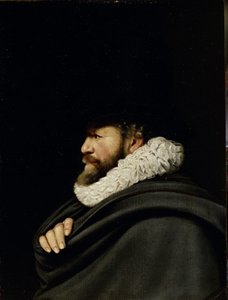
Hendrick de Keyser
1565 - 1621 , Netherlands
Бързи факти
- Artistic Movement Or Style: Amsterdam Renaissance, Mannerism
- Artists Or Movements Influenced By This Artist:
- Jacob van Campen
- Pieter Post
- Artists Who Influenced This Artist: ['Cornelis Bloemaert']
- Date Of Birth: May 1565, Utrecht, NL
- Date Of Death: May 1621
- Full Name: Hendrick de Keyser
- Nationality: Dutch
- Notable Artworks:
- Zuiderkerk Amsterdam
- Delft Town Hall
- Westerkerk Amsterdam
- Place Of Birth: Utrecht, Netherlands

