
 Преглед в реален мащаб
 Сподели
 Сподели
 Подробности
 Ръководство

 Изтегляне
 Подобни артикули
 Рентгенова снимка
 Слайдшоу
 Статистика
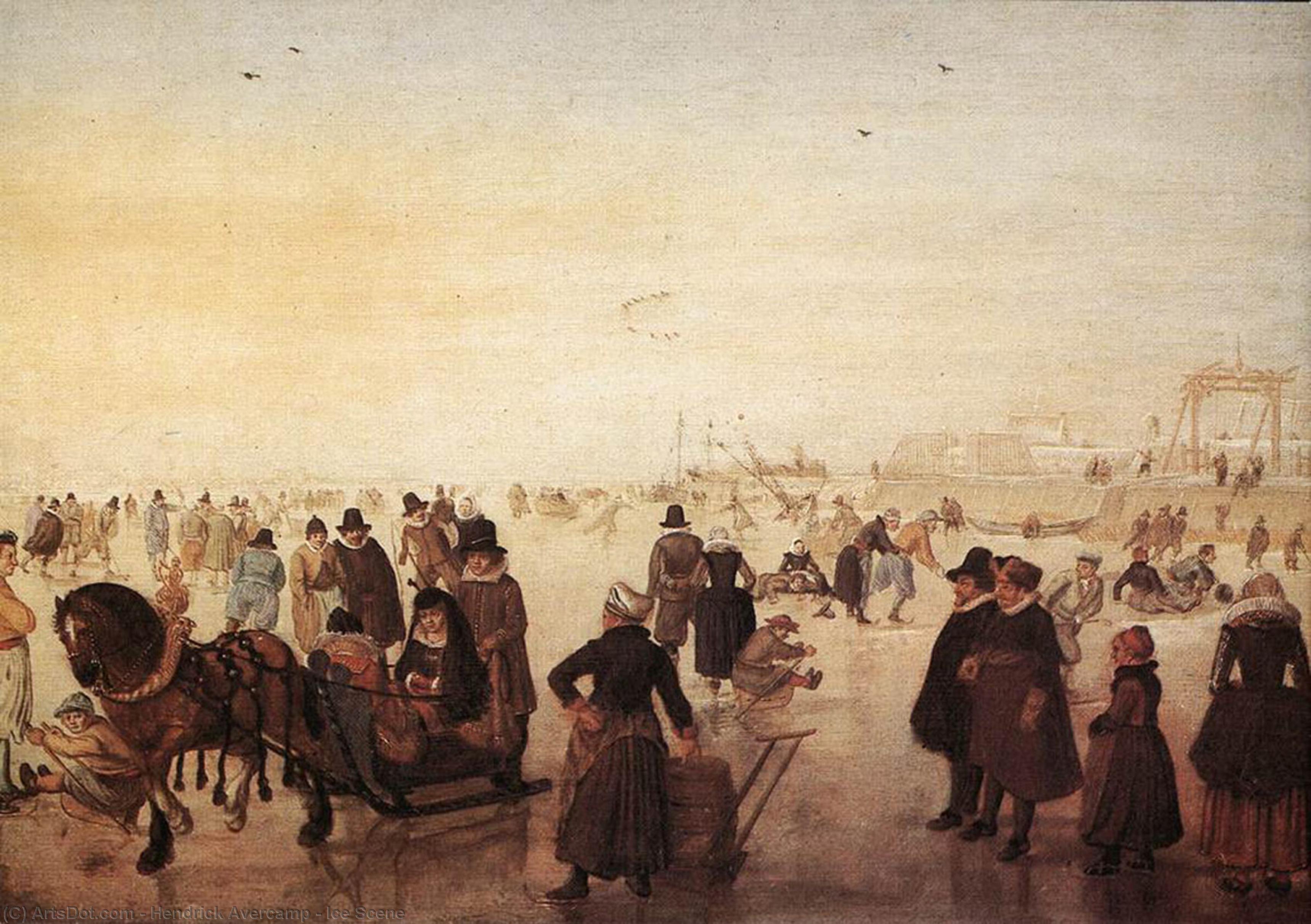
Ice Scene


 Разгърни целия текст
Жикле / Художествен принт
Giclée печат или принт върху платно с музейно качество, бързо производство и гъвкави опции за завършен вид. ( Поръчайте ръчно рисувано репродукция на този колекционерски предмет Превключване към дигитално изображение)




P118B €10

P118H €10

P118W €10

P438Z €10

P508JH €12

P508YH €12

P805H €10

P805Z €10

P919BZ €10

P919G €10

P919XJ €10

P959ZH €10

P968JZ €12

W106C €8

W218G €10

W218JH €8

W218Y €10

W307PJ €10

W316G €10

W316PJ €8

W316Y €10

W398PJ €8

W4111J €10

W500HY €15

W500JH €15

W692G €12

W849H €8

W940BG €15

W953PJ €8




Изберете от нашите предварително зададени размери, които съответстват на оригиналните пропорции на произведението.

Въведете необходимата ширина и височина, за да паснат на вашата рамка или стена. Принтовете могат само да се изрязват, но никога не могат да бъдат по-големи от оригиналната картина, така че при размер с различен формат част от изображението ще бъде загубена. Преди да започнем печат, ще ви изпратим дигитален мок업 за одобрение. Изображението, показано на тази страница, не показва реалното изрязване — само мок업ът го показва.
Доставка по целия свят () в рамките на 2 седмици вместо стандартните 4/5 седмици. (22 Октомври)

Безплатна експресна доставка по целия свят

Висококачествено ленено платно

Пълно застраховане на доставката

Гаранция за възстановяване на митнически такси

Гаранция за пълно съответствие на цветовете

Политика за връщане в рамките на 100 дни (само при дефекти)

100% Гаранция за връщане на сумата

Отстъпка при поръчка на повече произведения
 Опцията със стъкло е налична само за размери под 110 см

Ice Scene
Жикле / Художествен принт
Размер на репродукцията
-


Крайна цена
€ 70
A Glimpse into Dutch Winter Life – The Story of “Ice Scene”
Hendrick Avercamp’s “Ice Scene,” a captivating painting likely created around 1608-9, isn't merely a depiction of a winter landscape; it’s a vibrant snapshot of 17th-century Dutch society immersed in the joys and necessities of a frozen world. Born in Amsterdam during a period of intense cold – the Little Ice Age – Avercamp possessed an extraordinary ability to translate this harsh environment into a scene brimming with life, color, and surprisingly intimate detail. The painting transports us to a bustling riverbank, where figures engaged in various activities—skating, ice fishing, transporting goods, and simply enjoying the spectacle of winter—create a dynamic tableau that speaks volumes about daily existence during that era.
Avercamp’s genius lies not just in his technical skill but also in his masterful use of perspective and light. The composition draws the eye into the scene, guiding it from the foreground figures – a man seated on a sled pulled by a horse, a group of skaters, and a couple engaged in a private moment – to the distant buildings that suggest a thriving town beyond the frozen river. The artist employs aerial perspective, subtly lightening the colors and reducing detail in the background to create an illusion of depth, reinforcing the sense of vastness and distance. The muted palette of browns, blues, and greys is punctuated by vibrant reds and yellows, adding warmth and visual interest to the otherwise stark winter landscape.
The Painter’s Technique: A Blend of Observation and Artistic License
Avercamp was a unique figure in the Dutch Golden Age. Unlike many portraitists of his time, he rarely worked directly from life, preferring instead to create his scenes based on meticulous sketches made during winter excursions. These sketches served as the foundation for his paintings, allowing him to capture the nuances of light, shadow, and human interaction with remarkable accuracy. His technique is characterized by a loose, expressive brushstroke that contributes to the painting’s lively atmosphere. Avercamp was also known for tinting his drawings with watercolor, effectively creating finished paintings directly from his sketches – a process that allowed him to maintain the spontaneity and immediacy of his observations.
The use of oil paint further enhanced the richness and luminosity of the colors. Avercamp skillfully blended pigments to achieve subtle gradations of tone and texture, capturing the glistening surface of the ice and the rough wool of the clothing worn by the figures. He paid particular attention to detail, rendering each individual with a sense of personality and character. The painting is not simply a representation of a winter scene; it’s an intimate portrait of a community united in their shared experience of this challenging yet beautiful season.
Symbolism and Social Commentary
“Ice Scene” offers more than just a visual record of 17th-century Dutch life. It also provides insights into the social and economic conditions of the time. The presence of both wealthy merchants transporting goods on sleds and ordinary villagers engaged in leisure activities highlights the complex social hierarchy of the Netherlands. The scene’s depiction of ice fishing suggests the importance of this activity as a means of sustenance during the winter months, while the skaters represent a popular form of recreation. Even the seemingly mundane details – the horse pulling the sled, the children playing on the ice – contribute to a broader narrative about human resilience and adaptability in the face of adversity.
Furthermore, Avercamp’s choice of subject matter—a winter scene teeming with activity—can be interpreted as a celebration of Dutch ingenuity and resourcefulness. The ability to thrive in such harsh conditions was a source of national pride, and Avercamp’s painting serves as a testament to this spirit. The inclusion of the distant castle, rendered in a warm, inviting light, symbolizes hope and prosperity amidst the cold and darkness of winter.
A Timeless Masterpiece: Reproductions and Beyond
Hendrick Avercamp's “Ice Scene” remains one of the most iconic works of the Dutch Golden Age. Its captivating composition, vibrant colors, and insightful portrayal of human life continue to resonate with viewers today. High-quality reproductions capture the essence of this remarkable painting, offering a window into a bygone era. Whether adorning a grand salon or a cozy study, “Ice Scene” adds a touch of historical charm and artistic sophistication to any space. Consider commissioning a hand-painted reproduction – a truly unique piece that honors the legacy of this extraordinary artist.
Въпроси и отговори
За какво се разказва в "Ice Scene" и каква атмосфера предава?
„Ice Scene“ на Хендрик Аверкамп съчетава winter landscape, ice skating, dutch golden age, festive scene, communal activity, frozen river, avercamp с Calm атмосфера.
На кой художник се приписва "Ice Scene"?
„Ice Scene“ е създадена от Хендрик Аверкамп. Информацията на тази страница описва оригиналната творба на Хендрик Аверкамп.
Как се свързва сюжетът на „Ice Scene“ с обичайните теми на Хендрик Аверкамп?
Сред закрепените теми на Хендрик Аверкамп – flemish landscape traditions, dutch winter life scenes, social, communal gatherings, religious symbolism present, avercamp’s signature style – „Ice Scene“ привнося собствен фокус върху winter landscape, ice skating, dutch golden age, festive scene, communal activity, frozen river, avercamp.
Биография на художника
Пионер на холандската зима: Животът и изкуството на Хендрик Аверкамп
Хендрик Аверкамп, име, синоним на блестящите, замръзнали пейзажи от Холандската златна ера, е роден в Амстердам на 27 януари 1585 г. Историята на неговия живот е толкова интригуваща, колкото и неговото изкуство – разказ, белязан както от артистичната иновация, така и от личните обстоятелства. От ранна възраст става ясно, че Аверкамп живее в свят, преживяван по различен начин от повечето; той е нем, и вероятно глух, което му носи нежно, но определящо прозвище „de Stomme van Kampen“ – Немът от Кампан. Това възприемано ограничение обаче не е задушило неговия артистичен глас, а по-скоро е изострило наблюдателните му умения, позволявайки му да пренесе нюансите на холандската зима върху платното с безпрецедентна яснота и чар. Първоначално той учи в Амстердам под ръководството на Питер Исакс, портретист, и вероятно е получил насоки и от Давид Винкбоунс, чието влияние се забелязва в ранните творби на Аверкамп. През 1608 г. той се преселва в Кампан, където прекарва по-голямата част от живота си и се утвърждава като уникален и прославен художник.Улавяне на замръзнал свят: Артистичен стил и иновация
Аверкамп се отличава като един от първите посветени пейзажисти в Холандия през XVII век – период, който традиционно е доминиран от портрети, историческа живопис и натюрморт. Той открива своята ниша, специализирайки се в зимни сцени – тема, която рядко е била изследвана с толкова последователен фокус преди него. Неговите картини не са просто изображения на студено време; те са живи моменти от холандския живот, разгръщащ се върху леда. Фигури се пързалят, карат шейни, играят kolf (форма на голф, играна върху лед) и просто се наслаждават на замръзналите водни пътища, създавайки оживено тъкане от човешка дейност на фона на суровата красота на зимния пейзаж. Умението на Аверкамп се крие в способността му да предаде както студа на сезона, така срещу топлината на общото удоволствие. Той майсторски е използвал въздушна перспектива, фино променяйки цветовете и детайлите, за да създаде убедително усещане за дълбочина, привличайки зрителя в тези ледени светове. Техниката му често е включвала нанасяне на акварелни слоеве върху рисунки с перо и мастило, създавайки деликатни и луминесцентни ефекти. Тези по-малки творби често са били продавани като готови произведения, предназначени за включване в колекционерски албуми – доказателство за техния интимен мащаб и привлекателност.Влияния и развитие: От Брейгел до холандския реализъм
Въпреки че Аверкамп изковава свой собствен отличителен стил, той не работи във вакуум. Влиянието на фламандските майстори като Питер Брейгел Старши е очевидно в неговите ранни композиции – оживените сцени, изпълнени с множество фигури, ангажирани в ежедневни дейности. Аверкамп обавко се движи отвъд простото имитиране, развивайки уникално холандско чувство, характеризиращо се с прецизен детайл и остро наблюдение на светлината и атмосферата. Той приема нарастващата тенденция към реализъм в холандската живопис, точно изобразявайки облеклото, инструментите и обичаите на своето време. Неговата работа отразява и климатичните условия на Малкия леден век – период на необичайно студени зими в Европа, което несъмнено е подхранило неговото увлечение по замръзналите пейзажи. За разлика от някои съвременници, които биха идеализирали своите субекти, Аверкамп представя реалистичен – и често хумористичен – поглед върху живота, включвайки игриви детайли, които подсказват за човешките слабости и ежедневни събития.Наследство и историческа значимост
Влиянието на Хендрик Аверкамп върху холандската живопис е значително. Той не само популяризира зимния пейзаж като легитимна тема за артистично изследване, но и помага да се дефинира отчетлив холандски подход към пейзажната живопис – такъв, който набляга на реализма, атмосферните ефекти и изображението на ежедневието. Неговата работа е била вдъхновение за по-късни поколения художници и продължава да очарова публиката и днес. Забележителни колекции, демонстриращи неговото майсторство, включват Риксмузеума в Амстердам, който притежава значителен брой негови картини, и Маурицхьойс в Хага. Наследството на Аверкамп надхвърля неговите артистични постижения; той представлява триумф над трудностите, демонстрирайки, че творческото изразяване може да процъфтява дори пред лицето на лични предизвикателства. Той умира в Кампан на 15 май 1634 г., оставяйки след себе си творческо наследство, което продължава да предлага прозорец към живия и често пренебрегван свят на Холандия през XVII век – свят, замразен във времето, но изпълнен с живот.Бележки творби
- Зимен пейзаж с пързалящи се: Може би неговата най-емблематична творба, тази картина е пример за майсторството на Аверкап в улавянето на енергията и атмосферата на холандска зимна сцена.
- Улица в Делфи: Рядък пример за Аверкамп, излизащ извън пейзажите, демонстриращ умението му да изобразява градския живот.
- Наслада на леда близо до град: Демонстрира способността му да създава динамични композиции, изпълнени с множество фигури, ангажирани в различни дейности.

Хендрик Аверкамп
1585 - 1634 , Нидерландия
Бързи факти
- Artistic Movement Or Style: Холландски Златен Век
- Artists Who Influenced This Artist:
- Питер Исаксз
- Джеймс Винкбоунс
- Date Of Birth: Януари 27, 1585
- Date Of Death: Май 15, 1634
- Full Name: Hendrick Avercamp
- Nationality: Нидерландски
- Notable Artworks:
- Зимна панорама със пързалки
- Улица в Делфи
- Place Of Birth: Амстердам, Нидерландия
Свързани статии

Топ 10 шедьовъра на Златния век на нидерландското изкуство | OriginalUniqueArt.com
Потопете се в Златния век на нидерландското изкуство! Рембранд, Вермеер и други майстори – разкрийте историите зад 10 шедьовъра. Купете висококачествени репродукции на картини за вашия дом на OriginalUniqueArt.com.

Golden Light & Dutch Skies: Bringing the Magic of Dutch Golden Age Landscapes into Your Home
Transform your home with the breathtaking light of Dutch Golden Age landscapes. Discover how hand-painted oil reproductions of masterworks like Ruisdael and Vermeer bring timeless elegance, atmosphere, and soulful texture to modern interiors. Elevate your space with museum-quality art.
Charles Leickert: Capturing the Dutch Golden Age Light – A Comprehensive Study of Technique, Context, and Legacy
Explore the captivating winter landscapes of Charles Leickert, a master of Dutch Golden Age light & atmosphere. Discover his techniques, symbolism, and lasting legacy – a comprehensive study for art enthusiasts and collectors.

Golden Light & Dutch Skies: The Timeless Magic of Dutch Golden Age Landscapes
Discover the breathtaking beauty of Dutch Golden Age landscapes. Explore the mastery of light, chiaroscuro, and 17th-century realism through an expert art history lens, celebrating the enduring legacy of the Dutch Masters for discerning collectors and art lovers.
Nicolaes Berchem: Dutch Golden Age Pastoralism & the Evolution of Landscape Painting
Explore the captivating world of Nicolaes Berchem, a leading Dutch Golden Age painter. Discover his idyllic landscapes, masterful technique & lasting influence on art history. Learn more at OriginalUniqueArt.

