

 Представи си го
 Изпрати
 Сподели
 Детайли

 Изтегляне
 Подобни
 Рентгенова снимка
 Слайдшоу
Emperor Rudolf II
 Oil On Canvas
- WallArt
- Northern Mannerism
 1607
1607 60.0 x 58.0 cm
 Kunsthistorisches Museum
 Прочетете повече
Жикле / Художествен принт
Giclée печат или принт върху платно с музейно качество, бързо производство и гъвкави опции за завършен вид. ( Купете ръчно рисувана картина Купете изображение)




P118B $10

P118H $10

P118W $10

P438Z $10

P508JH $12

P508YH $12

P805H $10

P805Z $10

P919BZ $10

P919G $10

P919XJ $10

P959ZH $10

P968JZ $12

W106C $8

W218G $10

W218JH $8

W218Y $10

W307PJ $10

W316G $10

W316PJ $8

W316Y $10

W398PJ $8

W4111J $10

W500HY $15

W500JH $15

W692G $12

W849H $8

W940BG $15

W953PJ $8




Изберете от предварително зададените размери, които съответстват на оригиналните пропорции на произведението.

Можете да въведете собствени размери, за да паснат на конкретна рамка или пространство. Ако избраният от Вас размер не съвпада с пропорциите на оригиналното изображение, ние ще изрежем произведението или ще разширим изображението с огледален или едноцветен ръб. Дигитален макет ще бъде изпратен за Ваше одобрение преди започването на производството.
Моля, имайте предвид, че предпрегледът на екрана не отразява реалното изрязване или разширяване. Само макетът ще покаже точно финалната композиция.
Въпреки че са налични персонализирани размери, препоръчваме да изберете размер от предварително дефинирания списък, за да запазите оригиналните пропорции.
Доставка по целия свят () в рамките на 2 седмици вместо стандартните 4/5 седмици. (21 Август)

Безплатна експресна доставка по целия свят

Висококачествено ленено платно

Пълно застраховане при доставка

Гаранция за възстановяване на митнически такси

Гаранция за цветова точност

60-Дневен период за връщане (Само при дефекти)

100% Гаранция за връщане на парите

Предложение за отстъпка при поръчка на едро
 Стъклото е налично само в размери под 110 см

Emperor Rudolf II
Жикле / Художествен принт
Размер на репродукцията
-


Обща цена
$ 80
Описание на колекционерския предмет
The Imperial Gaze: Hans von Aachen’s Portrait of Emperor Rudolf II
Hans von Aachen's “Portrait of Emperor Rudolf II,” painted in 1607, is more than just a likeness; it’s a carefully constructed tableau of power, intellect, and the burgeoning anxieties of a man grappling with his role as Holy Roman Emperor. This oil-on-canvas masterpiece, measuring 60 x 58 cm and currently residing within the Kunsthistorisches Museum in Vienna, offers a rare glimpse into the mind of Rudolf II, a ruler renowned for both his lavish patronage of the arts and his ultimately disastrous handling of European politics.
The painting immediately commands attention with its dramatic use of space and light. The Emperor is positioned centrally within a deep, almost impenetrable black background – a deliberate choice that serves to isolate him, elevating him to an almost mythical status. This darkness isn’t merely decorative; it speaks to the weight of his responsibilities, the isolation inherent in leadership, and perhaps even hints at the melancholy that would later define his reign. The focus is entirely on Rudolf's face – a study in controlled severity. His gaze, direct and unwavering, holds an air of contemplative power, suggesting both wisdom and a certain weariness.
A Mannerist Masterpiece: Style and Technique
Von Aachen’s style firmly places this portrait within the realm of Northern Mannerism, a movement characterized by its meticulous detail, elongated figures, and often unsettling psychological depth. He expertly employs the techniques of oil painting to achieve remarkable realism – the texture of the velvet robes, the intricate folds of the ruff collar, and the subtle nuances of Rudolf’s facial features are rendered with astonishing precision. Notice particularly the rendering of the beard and mustache; each strand appears meticulously painted, contributing to a sense of tangible presence.
The artist's use of glazing – layering thin washes of translucent paint over dried layers – creates an incredible luminosity, particularly in the highlights that catch the light on Rudolf’s face. This technique not only enhances the realism but also imbues the portrait with a subtle, almost ethereal quality. The composition itself is carefully balanced, utilizing strong lines to define the contours of the figure and creating a sense of solidity and structure. The restrained palette – dominated by deep reds, browns, and blacks – further emphasizes the formality and gravitas of the subject.
Rudolf II: A Complex Figure
Understanding the historical context surrounding Rudolf II is crucial to appreciating this portrait fully. He was a man of immense wealth and intellectual curiosity, a passionate collector of art, books, and scientific instruments – a veritable Renaissance man who ruled from Prague. However, his reign was marked by political instability, costly wars, and ultimately, the devastating Thirty Years’ War. His eccentricities and seclusion contributed to his inability to effectively govern, leading to widespread discontent and rebellion.
The portrait captures this duality – the outward appearance of imperial authority juxtaposed with an underlying sense of introspection and perhaps even unease. The elaborate ruff collar, a symbol of status and wealth, is offset by the Emperor’s somber expression. It's a visual representation of a man caught between his responsibilities as ruler and his own internal struggles. Interestingly, Rudolf II was particularly fond of eroticized mythological scenes in art, suggesting a hidden sensuality beneath his formal exterior – a theme subtly echoed in some of von Aachen’s other works.
Symbolism and Legacy
Beyond the immediate depiction of Emperor Rudolf II, the portrait is rich in symbolic meaning. The crown, prominently displayed, represents his authority and divine right to rule. The dark background can be interpreted as a metaphor for the challenges he faced – the shadows of war, political intrigue, and personal anxieties that surrounded him. Von Aachen’s meticulous attention to detail reflects the importance placed on appearances during the Renaissance, highlighting the need for rulers to project an image of strength and stability.
“Portrait of Emperor Rudolf II” remains a significant work of art, offering a compelling glimpse into the life and mind of one of Europe's most enigmatic figures. It’s a testament to Hans von Aachen’s skill as a painter and his ability to capture not just a likeness but also the essence of a complex historical personality. Reproductions of this captivating portrait continue to resonate with art lovers today, inviting us to contemplate the burdens of power and the enduring allure of the Renaissance ideal.
Биография на художника
ранен години и обучение
Ханс фон Аахен, немският майстор на четката, е роден през 1552 г. в град Кьолн. Макар за ранните му години да се знае малко, се вярва, че своето художествено образование е получил в работилницата на Леонардус Сивенховен, местен художник от неговото време.художествен стил и влияния
Творчеството на фон Аахен се отличава с използването на живи цветове и драматични композиции, типични за маниеристичния стил. Неговите картини често включват удължени фигури, изискани детайли и усещане за напрежение, което е било силно повлияно от шедьоврите на Ел Греко (Доменикос Теотокопулос). Сред неговите най-забележителни произведения можем да посочим:- Разпятието (1585) – картина, която демонстрира майсторството му в използването на смели цветове и драматична светлина.
- Последният съд (1590) – произведение, което показва способността му да балансира множество фигури в една единствена композиция.
- Портрет на неизвестна дама (1595) – портрет, който подчертава умението му да улавя фините нюанси на човешката емоция.
значими колекции и изложби
Творбите на фон Аахен могат да бъдат открити в различни музеи, включително:- Gemäldegalerie Alte Meister в Дрезден, Германия – дом на обширна колекция от европейска живопис от 15-ти до 18-ти век.
- Museum Ostdeutsche Galerie в Регенсбург, Германия – представяща уникална колекция от източногерманско изкуство.
наследство
Ханс фон Аахен си отива през 1615 г., оставяйки след себе си наследство от сложни и емоционално наситени картини. Неговото творчество продължава да вдъхновява както художници, така и ценители на изкуството, предлагайки уникален поглед към света на маниеристическото изкуство. Научете повече за живота и творчеството на Ханс фон Аахен в OriginalUniqueArt.com: [https://OriginalUniqueArt.com/@@/a@d3aquv](https://OriginalUniqueArt.com/@@/a@d3aquv) | откриване на Museum Ostdeutsche Galerie (Германия)
Ханс Фон Аахен
1552 - 1615 , Германия
Бързи факти
- Artistic Movement Or Style: Маниеристично рисуване
- Artists Or Movements Influenced By This Artist: ['Ренесансово изкуство']
- Artists Who Influenced This Artist: ['Ел Греко']
- Date Of Birth: 1552 Кьолн, Германия
- Date Of Death: 1615
- Full Name: Ханс фон Аахен
- Nationality: Германец
- Notable Artworks:
- Разпятието
- Последният съд
- Портрет на неизвестна дама
- Place Of Birth: Кьолн
Всички статии
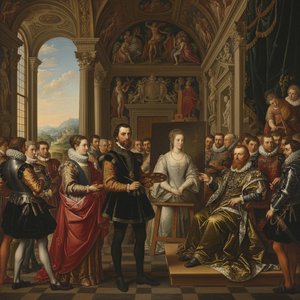
Hans von Aachen: Mannerism's Courtly Visionary & Imperial Portraiture
Explore the captivating world of Hans von Aachen, a leading Mannerist painter renowned for his exquisite imperial portraits & mythological scenes. Discover his legacy and influence on 16th-century European art.
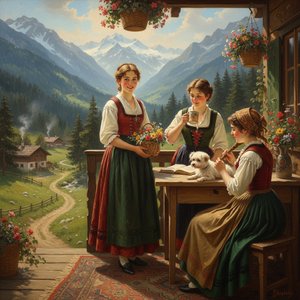
Eugen von Blaas: Capturing Alpine Life & Sentiment in 19th-Century Austrian Painting
Discover the captivating world of Eugen von Blaas! Explore his exquisite 19th-century paintings capturing Venetian life & Alpine beauty. Learn about his Academic Classicism style and find museum-quality reproductions at OriginalUniqueArt.

Anton von Werner: Imperial Painter, Historical Witness & Shifting German Identity
Explore the life & work of Anton von Werner, Imperial Germany's leading painter. Discover his dramatic depictions of war, unification, and court life – a fascinating insight into 19th-century German history & art.

Hans Holbein the Younger: A Renaissance Portraitist's Mastery of Realism & Psychological Insight
Explore the life & art of Hans Holbein the Younger, a Renaissance master renowned for his strikingly realistic portraits and psychological insight. Discover iconic works like 'The Ambassadors' and delve into his lasting legacy.

Friedrich von Amerling: Capturing Viennese Aristocracy & the Biedermeier Spirit
Explore the elegant portraits of Friedrich von Amerling, a master of Viennese Biedermeier art. Discover his life, style, and lasting influence on 19th-century Austrian painting. Find high-quality reproductions at OriginalUniqueArt.

