

 Представи си го
 Изпрати
 Сподели
 Детайли

 Изтегляне
 Подобни
 Рентгенова снимка
 Слайдшоу
 Статистика
Pendant


 Прочетете повече
Ръчно изработена маслена репродукция
Ръчно рисувана маслена картина върху платно във вашия размер и рамка, изработена по поръчка от нашите художници. ( Превключване към принт Превключване към дигитално изображение)




































Изберете от предварително зададените размери, които съответстват на оригиналните пропорции на произведението.

Можете да въведете свои собствени размери, за да пасне на конкретна рамка или пространство. Ако избраният от вас размер не съответства на пропорциите на оригиналното изображение, ние ще изрежем произведението или ще удължим картината с допълнителни ръчно рисувани елементи. Дигитален макет ще бъде изпратен за ваше одобрение преди започване на производството.
Моля, обърнете внимание, че прегледът на екрана не отразява действителното изрязване или разширяване. Само макетът ще покаже точно финалния състав.
Въпреки че са налични персонализирани размери, препоръчваме да изберете размер от предварително дефинирания списък, за да запазите оригиналните пропорции.
След поръчка, екипът на OriginalUniqueArt.com ще изпрати имейл на клиента за инструкции и ще предостави преглед на макет.
Доставка по целия свят () в рамките на 3/4 седмици вместо стандартните 5 седмици. (12 Септември). Без компромис с качеството.

Безплатна експресна доставка по целия свят

Висококачествено ленено платно

Пълно застраховане при доставка

Гаранция за възстановяване на митнически такси

Гаранция за цветова точност

Политика за връщане в рамките на 100 дни (само при дефекти)

100% Гаранция за връщане на парите

Предложение за отстъпка при поръчка на едро
 Стъклото е налично само в размери под 110 см

Pendant
Репродукционен метод
Размер на репродукцията
-


Обща цена
$ 300
Биография на художника
Jan Collaert the Elder: A Dynasty of Printmaking in Antwerp
Jan Collaert the Elder, a name inextricably linked to the vibrant printmaking scene of 16th-century Antwerp, was more than just an engraver; he was a pivotal figure in establishing the city as a European center for artistic production. Born around 1525-1530 in Brussels – though his precise birthdate remains elusive – Collaert’s life unfolded against the backdrop of a rapidly changing world, marked by religious upheaval and burgeoning commercial activity. His early training likely began within his own family circle, benefiting from the artistic legacy of his father, Jannen (Jan) Collaert, a skilled designer for tapestries and a painter in his own right. This foundational experience instilled in him a deep understanding of composition, color, and the intricate details required to bring decorative designs to life – skills that would later translate seamlessly into his engravings. Collaert’s career initially took him beyond Brussels, where he honed his craft as a draftsman producing designs for glass makers, tapestry weavers, and embroiderers. However, it was Antwerp, with its thriving merchant class, skilled artisans, and burgeoning print trade, that truly offered him the opportunity to flourish. Around 1563, he relocated to the city, quickly establishing himself as a sought-after engraver, producing plates for numerous publishers and catering to a diverse clientele – from wealthy collectors to ecclesiastical institutions. His early work demonstrates a clear debt to contemporary artists like Hans Bol and Jacob Grimmer, both prominent landscape painters of the era, reflecting the influence of Antwerp’s artistic community.A Master of Engraving: Style and Technique
Collaert's engravings are characterized by their remarkable detail, meticulous execution, and a subtle yet powerful sense of realism. Unlike some of his contemporaries who favored highly stylized or theatrical compositions, Collaert’s work often depicted scenes from everyday life – bustling marketplaces, religious processions, portraits of prominent figures, and meticulously rendered landscapes. He possessed an exceptional ability to capture the textures of fabrics, the sheen of metal, and the subtle nuances of human expression. His use of light and shadow was particularly noteworthy, creating a sense of depth and volume that brought his subjects to life. A key element of Collaert’s style lies in his masterful handling of line. He employed a wide range of hatching techniques – varying the density and direction of lines to create tonal effects and suggest texture – with remarkable precision. This meticulous attention to detail, combined with his deep understanding of perspective and anatomy, resulted in engravings that were both technically impressive and aesthetically pleasing. His work is often found alongside those of other Antwerp engravers like Philip Galle, whose workshops he later joined, creating a dynamic and influential printmaking dynasty.Themes and Subjects: From Religious Narratives to Everyday Scenes
Collaert’s oeuvre encompassed a remarkably diverse range of subjects. He produced numerous engravings based on biblical narratives – scenes from the Old and New Testaments, including depictions of the Last Judgment, the Resurrection of Lazarus, and the story of Moses striking the Rock. These works demonstrate his ability to convey complex theological themes with clarity and emotional resonance. However, he was equally adept at depicting secular subjects, such as portraits of prominent figures, views of Antwerp’s cityscape, and scenes from everyday life – market stalls overflowing with produce, musicians entertaining a crowd, and religious processions winding through the streets. Notably, Collaert's work frequently incorporated elements of fantasy and allegory. His designs for pendants, often commissioned by wealthy patrons, featured fantastical creatures, mythological figures, and symbolic imagery. These intricate engravings served as decorative objects, adding a touch of elegance and intrigue to interiors. The “Life of Saint Francis” series is particularly noteworthy for its detailed depictions of the saint’s life and miracles, showcasing Collaert's ability to combine religious piety with artistic skill.Legacy and Influence
Jan Collaert the Elder’s impact on the development of printmaking in Antwerp and beyond was profound. He played a crucial role in establishing the city as a leading center for engraving, attracting artists from across Europe and fostering a vibrant print trade. His work influenced generations of engravers who followed in his footsteps, shaping the stylistic conventions of the genre. Furthermore, Collaert’s engravings served as important sources of inspiration for painters, particularly landscape artists like Pieter Bruegel the Elder, whose works often drew upon Collaert's detailed depictions of rural life and landscapes. Despite dying in Antwerp in October 1580, his legacy continued through his sons, Adriaen, Hansken (Jan or Hans), and Tanneken, who carried on the family’s printmaking tradition. The Collaert and Galle workshops remained closely intertwined for decades, contributing significantly to the artistic output of Antwerp during a period of immense social and political upheaval. Jan Collaert the Elder's contribution to European art history is undeniable; he was a master craftsman, a skilled designer, and a key figure in shaping the visual culture of his time.
hans collaert the elder, johannes collaert
1580 , Belgium
Бързи факти
- Artistic Movement Or Style: Printmaking, engraving
- Artists Or Movements Influenced By This Artist: ['Philip Galle']
- Artists Who Influenced This Artist: ['Hans Bol']
- Date Of Birth: c. 1525-1530
- Date Of Death: October 1580
- Full Name: Jan Collaert the Elder / Hans Collaert
- Nationality: Flemish
- Notable Artworks:
- De Spaanse Furie
- Views of Brussels
- Place Of Birth: Brussels, Belgium
Всички статии
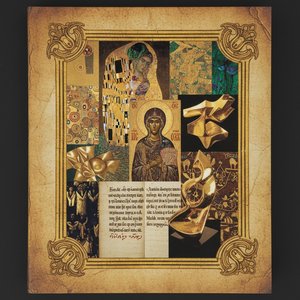
The Allure of Gold in Art History: Symbolism, Technique & Cultural Significance
Explore the rich history of gold in art! Discover symbolism, techniques & cultural significance from ancient civilizations to Klimt's masterpieces. Expert insights for collectors at OriginalUniqueArt.
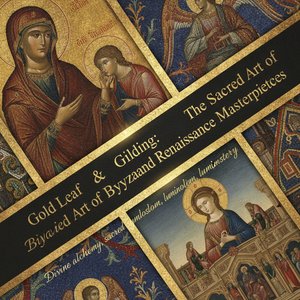
Gold Leaf & Gilding: The Sacred Art of Byzantine and Renaissance Masterpieces
Explore the profound history of gold leaf and gilding in Byzantine and Renaissance art. Discover how this sacred technique transformed religious iconography into celestial phenomena through light, symbolism, and unparalleled craftsmanship.
The Sacred Glow: Mastering Gold Leaf and Gilding in Byzantine Art
Explore the divine mastery of Byzantine gold leaf and gilding. Discover how ancient artisans used gold ground and mosaics to create celestial light, a timeless legacy of spiritual splendor and technical excellence in sacred art history.

Golden Glow: How to Use Metallic Gold Artworks to Elevate Your Home Decor with Timeless Luxury
Discover how to elevate your home with the timeless elegance of metallic gold artworks. From sculptural metal pieces to gilded oil paintings, learn expert interior design tips for integrating luxurious gold accents into your space with sophistication and grace.
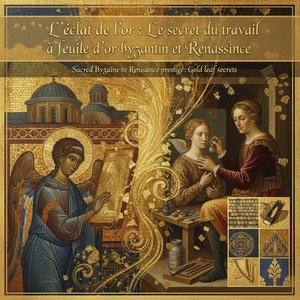
Gilded Glory: The High-Impact Art of Gold Leaf and Byzantine Masterpieces
Explore the celestial brilliance of Byzantine masterpieces. Discover the sacred alchemy of gold leaf, the spiritual depth of Orthodox icons, and how this high-impact gilded glory continues to inspire awe in fine art history and modern luxury interiors.