
 Представи си го
 Изпрати
 Сподели
 Детайли

 Изтегляне
 Подобни
 Рентгенова снимка
 Слайдшоу
 Статистика
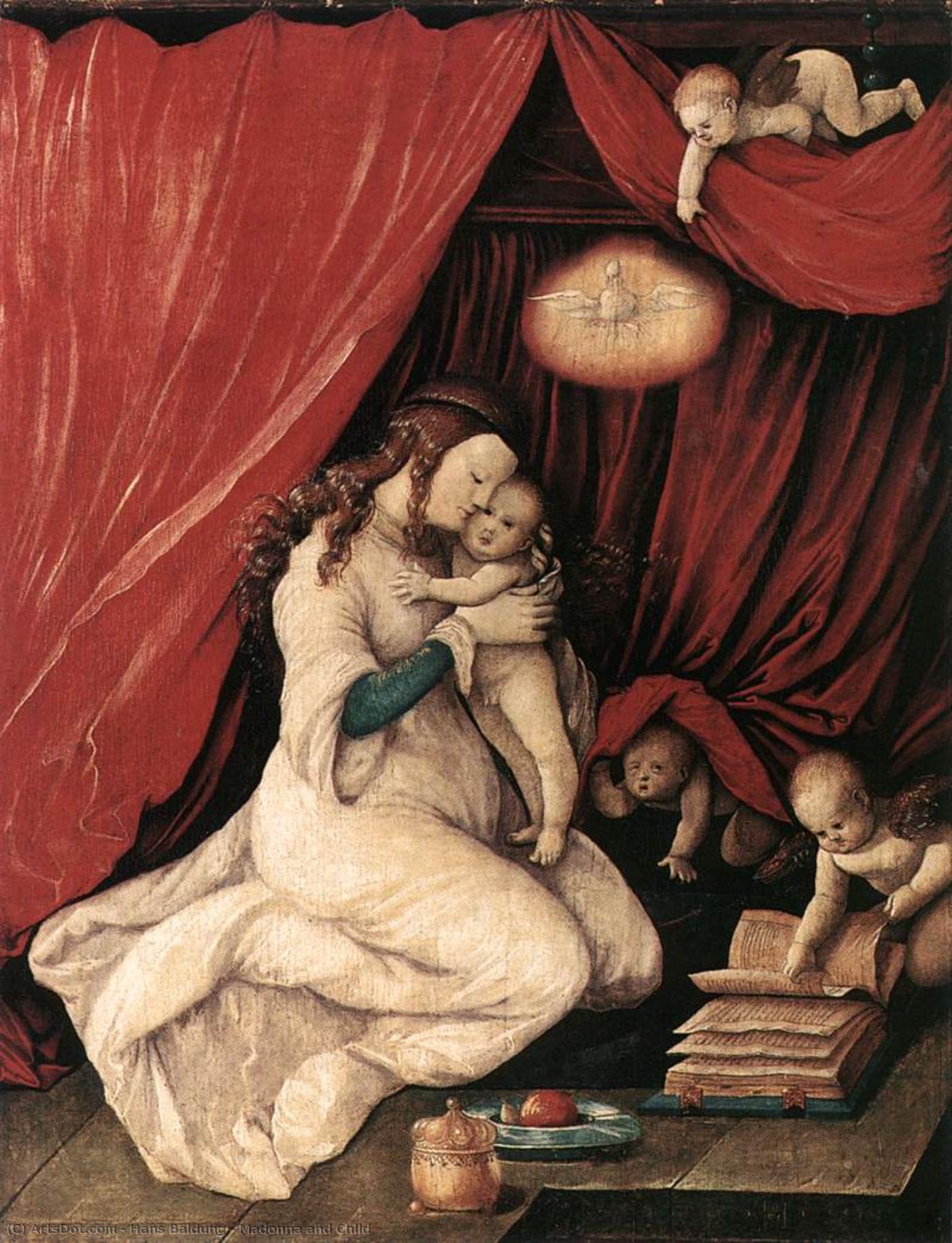
Madonna and Child
 Oil On Canvas
- WallArt
- Northern Renaissance
 1516
1516 37.0 x 48.0 cm
 Germanisches Nationalmuseum
 Прочетете повече
Ръчно изработена маслена репродукция
Ръчно рисувана маслена картина върху платно във вашия размер и рамка, изработена по поръчка от нашите художници. ( Превключване към принт Превключване към дигитално изображение)




P118B $10

P118H $10

P118W $10

P438Z $10

P508JH $12

P508YH $12

P805H $10

P805Z $10

P919BZ $10

P919G $10

P919XJ $10

P959ZH $10

P968JZ $12

W106C $8

W218G $10

W218JH $8

W218Y $10

W307PJ $10

W316G $10

W316PJ $8

W316Y $10

W398PJ $8

W4111J $10

W500HY $15

W500JH $15

W692G $12

W849H $8

W940BG $15

W953PJ $8




Изберете от предварително зададените размери, които съответстват на оригиналните пропорции на произведението.

Можете да въведете свои собствени размери, за да пасне на конкретна рамка или пространство. Ако избраният от вас размер не съответства на пропорциите на оригиналното изображение, ние ще изрежем произведението или ще удължим картината с допълнителни ръчно рисувани елементи. Дигитален макет ще бъде изпратен за ваше одобрение преди започване на производството.
Моля, обърнете внимание, че прегледът на екрана не отразява действителното изрязване или разширяване. Само макетът ще покаже точно финалния състав.
Въпреки че са налични персонализирани размери, препоръчваме да изберете размер от предварително дефинирания списък, за да запазите оригиналните пропорции.
След поръчка, екипът на OriginalUniqueArt.com ще изпрати имейл на клиента за инструкции и ще предостави преглед на макет.
Доставка по целия свят () в рамките на 3/4 седмици вместо стандартните 5 седмици. (11 Септември). Без компромис с качеството.

Безплатна експресна доставка по целия свят

Висококачествено ленено платно

Пълно застраховане при доставка

Гаранция за възстановяване на митнически такси

Гаранция за цветова точност

Политика за връщане в рамките на 100 дни (само при дефекти)

100% Гаранция за връщане на парите

Предложение за отстъпка при поръчка на едро
 Стъклото е налично само в размери под 110 см

Madonna and Child
Репродукционен метод
Размер на репродукцията
-


Обща цена
$ 300
A Swabian Enigma: Exploring Hans Baldung Grien’s Madonna and Child
The painting “Madonna and Child,” attributed to Hans Baldung Grien, stands as a testament to the burgeoning artistic spirit of Bavaria during the High Renaissance. Completed in 1516, this masterpiece transcends mere depiction; it embodies a profound meditation on motherhood, faith, and divine grace—themes central to humanist thought that were reshaping European culture at the time.
Baldung’s style is undeniably distinctive, blending elements of Northern German Gothic tradition with the burgeoning influence of Italian Renaissance ideals. Unlike the polished elegance favored by artists like Leonardo da Vinci or Michelangelo, Baldung's approach prioritizes expressive detail and psychological depth. The painting eschews idealized beauty in favor of a palpable sense of vulnerability and tenderness—a characteristic that distinguishes it from many contemporary depictions of Mary.
- Subject Matter: The central focus is undeniably the Virgin Mary cradling her infant son Jesus Christ, a motif deeply rooted in Christian iconography. However, Baldung’s portrayal deviates subtly from established conventions by presenting a more intimate and emotionally resonant scene than was typical for his era.
- Style: Baldung's style leans heavily into Mannerism—a stylistic movement that emerged as a reaction against the harmonious balance of Renaissance art. Mannerist painters deliberately distorted proportions, employed unsettling poses, and utilized dramatic chiaroscuro (contrast between light and dark) to heighten emotional impact.
- Technique: Baldung skillfully employs oil paint on panel, utilizing meticulous layering and glazing techniques to achieve remarkable luminosity and textural richness. The artist’s attention to detail is evident in the rendering of Mary's drapery—woven with intricate folds that convey movement and depth—and in the subtle shading of Jesus’s face, capturing a serene expression indicative of divine innocence.
The historical context surrounding “Madonna and Child” illuminates its significance within the broader artistic landscape of 16th-century Bavaria. The Reformation was gaining momentum across Europe, challenging papal authority and fostering debates about religious dogma. Baldung’s artwork reflects this intellectual ferment—expressing a humanist sensibility that emphasizes human dignity and compassion alongside spiritual contemplation.
Symbolism permeates every aspect of the painting. Mary's posture embodies humility and devotion, while Jesus’s gaze conveys unwavering faith. The inclusion of additional children symbolizes the promise of future generations and underscores the importance of familial love—values cherished by humanist thinkers who sought to elevate human experience beyond mere materialism.
Ultimately, “Madonna and Child” resonates powerfully with viewers today due to its ability to evoke feelings of warmth, serenity, and spiritual contemplation. Its masterful execution—combined with its evocative imagery—continues to inspire artists and collectors alike, cementing Baldung Grien’s place as one of the most enduring figures of German Renaissance art.
Биография на художника
A Swabian Enigma: The Life and Early Influences of Hans Baldung Grien
Hans Baldung Grien, a name synonymous with both brilliance and unsettling beauty, emerged from the heart of Bavaria in 1485. Born in Schwäbisch Gmünd, a small imperial city nestled amidst rolling hills, his early life was far removed from the grand artistic circles of Florence or Venice. Unlike many artists of his time who traced their lineage through university studies, Baldung’s family—jurists and legal advisors to the Bishopric of Strasbourg—valued practical skills over academic pursuits. This unexpected divergence shaped his destiny, leading him down a path that would ultimately establish him as one of the most distinctive and enigmatic figures of the German Renaissance. His father, Johann Baldung, envisioned a similar future for his son, but young Hans chose the brush and burin, embarking on an artistic journey fueled by an innate curiosity—a characteristic that profoundly influenced his entire oeuvre. His initial training commenced around 1500 in the Upper Rhineland with an artist from Strasbourg, providing him with a foundational understanding of draftsmanship and composition. This early period instilled within him a meticulous attention to detail and a keen eye for spatial relationships, preparing him for the demanding environment he would encounter when he sought out more prominent masters in Nuremberg. It was here, under the tutelage of Albrecht Dürer, that Baldung’s artistic development truly took flight.Under Dürer’s Wing and Forging an Individual Style
The pivotal moment in Baldung's career arrived in 1503 when he became a workshop apprentice to Albrecht Dürer in Nuremberg. This period proved profoundly formative, exposing him to the meticulous detail, intellectual rigor, and innovative printmaking techniques that defined Dürer’s style. The two artists developed a close and complex relationship; Baldung even managed Dürer's workshop during his master’s extended sojourn to Venice. While deeply influenced by Dürer—evident in early works showcasing precise draftsmanship and Northern realism—Baldung quickly began to forge his own distinct artistic identity. He absorbed the lessons of the Renaissance masters, particularly Dürer’s mastery of perspective and engraving, but infused them with a uniquely German sensibility – one characterized by expressive color, imaginative compositions, and an increasingly unsettling psychological depth. This divergence from Dürer's more classical approach would become a hallmark of Baldung's mature style. He wasn’t simply imitating his master; he was transforming Dürer’s techniques into something altogether new and profoundly personal. His time in Venice, overseeing Dürer’s affairs, also exposed him to the burgeoning Italian Renaissance art scene, broadening his artistic horizons and subtly influencing his palette and compositional choices. The vibrant colors and dynamic compositions of Venetian painting left an indelible mark on his work, contributing to its distinctive character.A Master of Many Mediums: Themes and Techniques
Hans Baldung Grien was a remarkably versatile artist, proficient in a wide range of mediums – painting, printmaking (particularly woodcuts and engravings), drawing, tapestry design, and even stained glass work. His paintings often feature small-scale works brimming with puzzling allegories and mythological narratives, rendered with a vibrant palette and a distinctive sense of spatial ambiguity. He excelled at portraiture, capturing the likenesses of his patrons with both realism and psychological insight. However, it is perhaps for his woodcuts that Baldung is most widely recognized today. These prints are characterized by their dramatic compositions, intricate detail, and often macabre subject matter. A recurring theme throughout his work is a fascination with witchcraft, death, and the supernatural – a reflection of the anxieties and beliefs prevalent in 16th-century Germany. His depictions of witches are particularly striking, portraying them not as stereotypical hags but as complex, even alluring figures, embodying both fear and fascination. *The Bewitched Groom*, for example, is a chillingly evocative work that encapsulates this preoccupation with the darker side of human experience. Baldung’s technique in woodcut was masterful; he exploited the medium's capacity for stark contrasts and intricate detail to create images that were both visually arresting and psychologically unsettling. He also demonstrated an exceptional ability to blend different artistic styles, seamlessly merging elements of Northern realism with Italian Mannerism – a stylistic trend characterized by elongated figures, distorted perspective, and heightened emotional expression. This masterful synthesis cemented his position as a truly original artist.Reformation Currents and Lasting Legacy
Baldung’s career unfolded during a period of immense religious and political upheaval, marked by the rise of the Protestant Reformation. While not overtly aligned with any particular faction, his work often reflects the changing spiritual landscape of Germany. His monumental high altar for the city of Münster, completed in 1531, is a testament to this engagement, showcasing support for the reformation movement through its iconography and stylistic choices. The altarpiece’s complex symbolism and dramatic imagery resonated with the anxieties and aspirations of a society grappling with religious change. In 1545, Baldung died in Strasbourg, leaving behind a body of work that continues to captivate and intrigue viewers today. His influence can be seen in the works of later German artists, and his unique blend of Renaissance technique, Northern expressionism, and allegorical complexity secures his place as a significant figure in art history. He remains an artist whose work invites contemplation, challenging us to confront the darker aspects of human nature and the mysteries of the unseen world. His exploration of themes like witchcraft and mortality continues to resonate with contemporary audiences, making him a timeless and compelling figure in the pantheon of Renaissance masters.Museums and Collections
Baldung’s works can be found in prominent museums across Europe and North America:- Gemäldegalerie Alte Meister, Dresden, Germany: This renowned museum houses a significant collection of European paintings from the 15th to the 18th centuries, providing valuable context for understanding Baldung’s artistic milieu.
- National Gallery of Art, Washington D.C.: The NGA holds several important woodcuts and drawings by Baldung, offering insights into his printmaking techniques and artistic process.
- The J. Paul Getty Museum, Los Angeles: Features works that showcase the breadth of Baldung’s talent.
- Kunstmuseum Basel, Switzerland: A museum with a rich collection spanning various periods, offering a broader understanding of Renaissance art in Europe.

Ханс Балдунг Грийн
1485 - 1545 , Германия
Бързи факти
- Artistic Movement Or Style: Ренесанс, Маниеризъм
- Artists Or Movements Influenced By This Artist: ['По-късни германски художници']
- Artists Who Influenced This Artist: ['Albrecht Dürer']
- Date Of Birth: c. 1485
- Date Of Death: 1545
- Full Name: Hans Baldung Grien
- Nationality: Германия
- Notable Artworks:
- The Bewitched Groom
- Allegory of Death & Beauty
- Place Of Birth: Schwäbisch Gmünd, Германия
Всички статии
Рафаел: Топ 25 шедьовъра на Ренесанса за вашия дом | OriginalUniqueArt.com
Открийте 25-те най-велики шедьовъра на Рафаел – Ренесансови картини, мадони и фрески с богата история. Вдъхновете се за декор с изкуство от OriginalUniqueArt.com! Разгледайте колекцията онлайн.
Divine Love: A Curated Guide to the Most Iconic Madonna and Child Masterpieces in Art History
Embark on a sophisticated journey through art history with our curated guide to the most iconic Madonna and Child masterpieces. Discover the profound beauty, theological depth, and enduring legacy of these sacred Renaissance treasures.

Топ 10 шедьовъра на Германския Експресионизъм – Изкуство за Вашия Дом от OriginalUniqueArt
Разгледайте топ 10 шедьовъра на Германския Експресионизъм – Munch, Kirchner, Kandinsky и други. Открийте историите зад картините, техниките и емоциите им. Музейно качество репродукции за Вашия дом от OriginalUniqueArt.com! Разгледайте пълната колекция онлайн.
Hans Baldung Grien: A Renaissance Master of Allegory, Innovation & the Grotesque
Explore the captivating world of Hans Baldung Grien, a Renaissance master renowned for his allegorical paintings, striking woodcuts & unique depictions of mythology and the grotesque. Discover his life, works & legacy with OriginalUniqueArt.
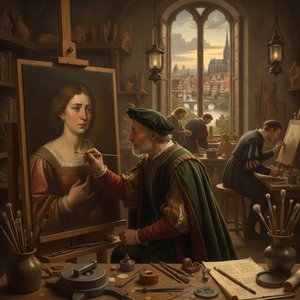
The Northern Awakening: Artistic Innovation & Cultural Transformation in the German Renaissance
Explore the artistic innovation of the German Renaissance! Discover Dürer, the Danube School & Reformation art. Learn about techniques, materials & lasting influence. Find museum-quality reproductions at OriginalUniqueArt.
