 Купи принт Купи изображение
 Изпрати
 Сподели
 Детайли
 Добавяне към любими

 Изтегляне
 Подобни
 Рентгенова снимка
 Слайдшоу
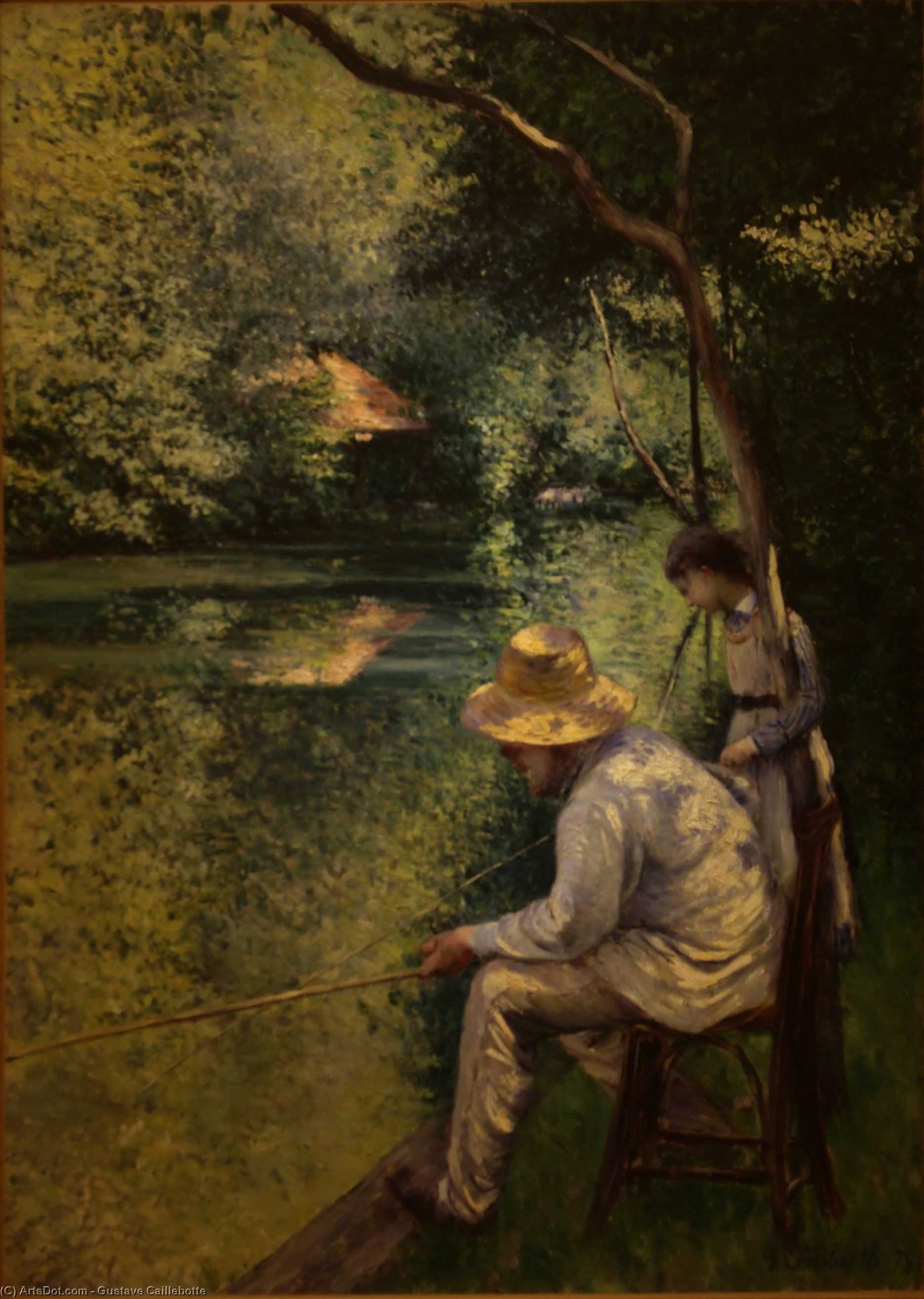
Angling
 Acrylic On Canvas
- WallArt
- Realism
 1878
1878- 19th Century
 100.0 x 75.0 cm
 Прочетете повече
Ръчно изработена маслена репродукция
Ръчно рисувана маслена картина върху платно във вашия размер и рамка, изработена по поръчка от нашите художници.




P118B $10

P118H $10

P118W $10

P438Z $10

P508JH $12

P508YH $12

P805H $10

P805Z $10

P919BZ $10

P919G $10

P919XJ $10

P959ZH $10

P968JZ $12

W106C $8

W218G $10

W218JH $8

W218Y $10

W307PJ $10

W316G $10

W316PJ $8

W316Y $10

W398PJ $8

W4111J $10

W500HY $15

W500JH $15

W692G $12

W849H $8

W940BG $15

W953PJ $8




Изберете от предварително зададените размери, които съответстват на оригиналните пропорции на произведението.

Можете да въведете свои собствени размери, за да пасне на конкретна рамка или пространство. Ако избраният от вас размер не съответства на пропорциите на оригиналното изображение, ние ще изрежем произведението или ще удължим картината с допълнителни ръчно рисувани елементи. Дигитален макет ще бъде изпратен за ваше одобрение преди започване на производството.
Моля, обърнете внимание, че прегледът на екрана не отразява действителното изрязване или разширяване. Само макетът ще покаже точно финалния състав.
Въпреки че са налични персонализирани размери, препоръчваме да изберете размер от предварително дефинирания списък, за да запазите оригиналните пропорции.
След поръчка, екипът на OriginalUniqueArt.com ще изпрати имейл на клиента за инструкции и ще предостави преглед на макет.
Доставка по целия свят () в рамките на 3/4 седмици вместо стандартните 5 седмици. (21 Юли). Без компромис с качеството.

Безплатна експресна доставка по целия свят

Висококачествено ленено платно

Пълно застраховане при доставка

Гаранция за възстановяване на митнически такси

Гаранция за цветова точност

60-Дневен период за връщане (Само при дефекти)

100% Гаранция за връщане на парите

Предложение за отстъпка при поръчка на едро
 Стъклото е налично само в размери под 110 см

Angling
Репродукционен метод
Размер на репродукцията
-


Обща цена
-
Описание на произведението
Gustave Caillebotte’s “Angling”: A Snapshot of Parisian Leisure
Angling, painted in 1878, offers a remarkably intimate glimpse into the burgeoning leisure culture of late nineteenth-century Paris. Executed by Gustave Caillebotte, a pivotal figure of the Impressionist movement yet distinctly his own, this work transcends a simple depiction of two individuals fishing; it’s a carefully constructed tableau that speaks volumes about social life, artistic innovation, and the evolving relationship between art and modernity.
- Subject Matter: The scene unfolds along the banks of a tranquil river, capturing a quintessential Parisian pastime – angling. Two figures, a man and a woman, are engaged in this activity, their postures relaxed and suggesting a shared moment of quiet enjoyment.
- Composition: Caillebotte’s masterful composition utilizes a shallow depth of field, characteristic of his engagement with photography, to draw the viewer into the scene. The placement of the figures, the strategically positioned chairs and bench, and the framing by the surrounding trees create a sense of immediacy and invite participation.
Technique and Artistic Innovation
Caillebotte’s technique is both precise and subtly impressionistic. He employs short, broken brushstrokes – a direct influence from his early fascination with photography – to render the textures of the riverbank, the clothing of the figures, and the foliage. The use of light and shadow is particularly noteworthy, creating a luminous quality that enhances the sense of atmosphere. Unlike many of his contemporaries who sought to capture fleeting moments in vibrant color, Caillebotte favors a more subdued palette, dominated by earthy tones – browns, greens, and blues – reflecting the natural environment.
His approach reflects a key shift within Parisian art circles at this time. While Impressionists were pushing boundaries with bold color and loose brushwork, Caillebotte demonstrated an ability to combine these influences with a rigorous attention to detail and perspective, reminiscent of academic training but filtered through a distinctly modern sensibility.
Historical Context and Symbolism
Painted in 1878, “Angling” reflects the growing importance of leisure activities within Parisian society. The rise of industrialization had created a new class of wealthy individuals who sought escape from the pressures of urban life. Fishing became a popular pastime, offering an opportunity for relaxation and social interaction. The inclusion of both a man and a woman suggests a depiction of bourgeois domesticity – a carefully constructed image of respectability and refinement.
Furthermore, Caillebotte’s interest in photography is evident in the painting's precise composition and attention to detail. This fascination with the medium would become increasingly central to his artistic practice, influencing his approach to subject matter, perspective, and ultimately, his unique visual language.
Emotional Impact and Aesthetic Value
“Angling” possesses a quiet charm that resonates deeply. It’s not a dramatic or overtly emotional scene, but rather one imbued with a sense of tranquility and understated beauty. The painting invites the viewer to contemplate the simple pleasures of life – the connection between people and nature, the pursuit of leisure, and the enduring appeal of a timeless activity. This 100 x 75 cm reproduction captures the essence of Caillebotte’s vision with exceptional fidelity, offering an ideal addition to any discerning collection or a captivating element for interior design.
Биография на художника
A Parisian of the New Age: The Life and Art of Gustave Caillebotte
Gustave Caillebotte, born into a prosperous Parisian family in 1848, stands as a uniquely positioned artist—a witness and interpreter of the dramatic transformations reshaping his city. His father, Martial Caillebotte, inherited a successful textile business and served as a judge, providing Gustave with both financial security and an unparalleled vantage point from which to observe the burgeoning modern world. While initially pursuing legal studies – earning degrees in law in 1868 and 1870 – Caillebotte’s true calling lay within the realm of art. He began serious training under Léon Bonnat, immersing himself in painting while simultaneously developing a keen interest in photography, an emerging medium that would profoundly influence his artistic vision. This early exposure to photographic principles—its framing, perspective, and capturing of fleeting moments—became integral to his distinctive style, shaping not just how he saw the world but also how he depicted it on canvas. Caillebotte wasn’t merely documenting change; he was actively engaging with the aesthetic possibilities presented by this rapidly evolving urban landscape.Realism Infused with Impressionist Light
Caillebotte's artistic path diverged from strict academic tradition, yet he never fully embraced the purely optical explorations of many of his Impressionist contemporaries. He found kinship with artists like Edgar Degas and Giuseppe de Nittis, sharing a fascination with modern life but approaching it through a lens of meticulous realism. His early masterpiece, Les Raboteurs de Parquet (The Floor Scrapers), exhibited at the 1875 Salon, immediately established his reputation as a bold and unconventional painter. The work depicts three laborers painstakingly scraping a wooden floor, rendered with an unflinching honesty that shocked some viewers while captivating others. It wasn’t simply the subject matter—the working class rarely graced the canvases of high art—but also the composition: cropped, almost jarringly direct, and devoid of sentimental idealization. This commitment to portraying contemporary life without embellishment continued in works like View of Rooftops (Snow), where he masterfully captured the industrial landscape of a rapidly changing Paris, utilizing a high vantage point and broken brushstrokes to convey both the scale and the atmosphere of the city. However, Caillebotte wasn’t immune to the influence of Impressionism; his palette gradually lightened, and he began experimenting with broken brushstrokes and atmospheric effects, particularly evident in his stunning views of Parisian rooftops blanketed in snow—a testament to his ability to synthesize realism and fleeting light.A Patron and a Pioneer: Navigating the Art World
Beyond his own artistic endeavors, Caillebotte played a crucial role in supporting the Impressionist movement. His financial independence, stemming from his family’s textile business, allowed him to become a significant patron, purchasing works by Monet, Renoir, Pissarro, Cézanne, and Degas at a time when their art was largely rejected by the official Salon. He wasn't merely a collector; he actively championed these artists, organizing and financing several of the Impressionist exhibitions that defied conventional artistic norms—a bold move that challenged established tastes and helped to legitimize modern painting. This dedication to fostering innovation extended to his own collection, which he bequeathed to the French state upon his death in 1894—a bequest initially met with resistance but ultimately forming the cornerstone of the Musée d’Orsay's renowned Impressionist holdings. Caillebotte’s unique perspective also manifested in his compositions; works like Boulevard vu d’en haut (Boulevard Seen from Above), painted in 1880, demonstrate a strikingly modern sensibility, employing an elevated viewpoint and dynamic cropping that anticipate the photographic perspectives of the 20th century—a clear indication of his engagement with contemporary visual culture.Notable Works
- Les Raboteurs de Parquet (The Floor Scrapers) (1875): A groundbreaking work showcasing Caillebotte’s realism and unconventional composition.
- View of Rooftops (Snow) (1878): Demonstrates his use of high vantage points and atmospheric effects, influenced by photography and Japanese prints.
- Boulevard vu d’en haut (Boulevard Seen from Above) (1880): A strikingly modern composition with a dynamic perspective.
- Paris Street; Rainy Day (1877): Perhaps his most famous work, capturing the bustling energy of Parisian life in a unique and evocative manner.
- The Bezique Game(1881) : A captivating Impressionist painting of Parisian leisure.
Legacy and Rediscovery: A Modern Master Reclaimed
For decades following his death in 1894, Caillebotte’s work remained relatively obscure, overshadowed by the more celebrated figures of Impressionism. It wasn't until the late 20th century that a comprehensive reassessment of his art began to take place, fueled by scholarly research and major exhibitions—a testament to the enduring power of his unique vision. Caillebotte’s paintings are not simply depictions of modern life; they are profound meditations on the complexities of urban existence, the changing social landscape, and the evolving relationship between art and reality. His ability to seamlessly blend realism with Impressionist techniques, his innovative compositions, and his unwavering commitment to portraying the world around him have secured his place as a pivotal figure in 19th-century art—a master who captured the spirit of a new age and whose work continues to resonate with viewers today.
Густав Калебот
1848 - 1894 , Франция
Бързи факти
- Artistic Movement Or Style: Реализъм, Импресионизъм
- Artists Or Movements Influenced By This Artist: ['Импресионизъм']
- Artists Who Influenced This Artist:
- Degas
- Nittis
- Date Of Birth: 19 авг. 1848
- Date Of Death: 21 фев. 1894
- Full Name: Gustave Caillebotte
- Nationality: Френски
- Notable Artworks:
- Les Raboteurs de Parquet
- Rooftop View
- Boulevard Seen from Above
- Place Of Birth: Париж, Франция
Всички статии
Топ 25 шедьовъра от Метрополитън Музея на изкуствата – вдъхновение за вашия дом
Разгледайте топ 25 шедьовъра от Метрополитън Музея на изкуствата – Ван Гог, Моне и други! Открийте историите зад известните картини, техниките и вдъхновението им. Купете висококачествени репродукции за вашия дом на OriginalUniqueArt.com.

Топ 25 шедьовъра на Данте Габриел Росети: Изкуство, символизъм и красота за вашия дом
Открийте 25 шедьовъра на Данте Габриел Росети! Потопете се в света на прерафаелитизма, символизма и викторианската красота. Висококачествени репродукции за вашия дом – купете картини онлайн на OriginalUniqueArt.com.

Джеймс Абът Макнил Уистлър: 25 шедьовъра за ценителите на изкуството и декора
Открийте 25 шедьовъра на Джеймс Абът Макнил Уистлър! Разгледайте историите зад неговите емблематични ноктюрни, портрети и импресионистични картини. Вдъхновете се за вашия интериор с висококачествени репродукции на OriginalUniqueArt.com
Топ 25 шедьовъра от Националната художествена галерия във Вашингтон – Изкуство за вашия дом | OriginalUniqueArt.com
Разгледайте топ 25 шедьовъра от Националната художествена галерия във Вашингтон! От Сезан до Пикасо – истории на изкуството, техники и вдъхновение. Купете висококачествени репродукции и декорирайте с OriginalUniqueArt.com.

Топ 25 шедьовъра на сър Алфред Джеймс Мънингс – изкуство за вашия дом | OriginalUniqueArt.com
Разгледайте топ 25 шедьовъра на сър Алфред Джеймс Мънингс – английски импресионизъм, конна живопис и исторически пейзажи. Вдъхновете се за декор с луксозни репродукции на картини от OriginalUniqueArt.com!