- Начало

- Дигитално изображение
- Gregorio Vardanega
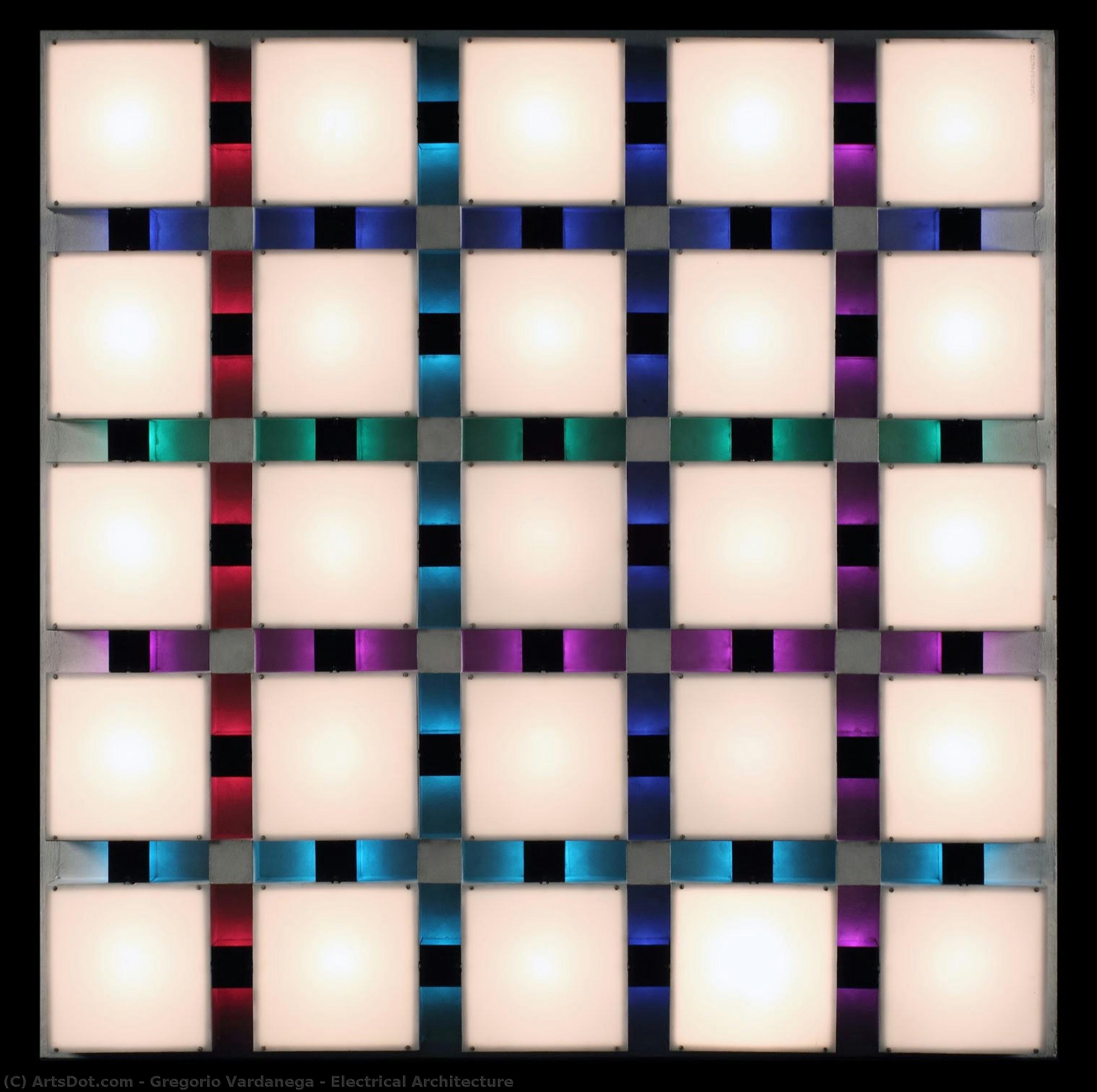
- Electrical Architecture
 Представи си го
 Изпрати
 Сподели
 Детайли

 Изтегляне
 Подобни
 Рентгенова снимка
 Слайдшоу
Electrical Architecture
 Acrylic On Canvas
- WallArt
- Op Art
 1965
1965- Modern
 100.0 x 100.0 cm
 Музей за модерно изкуство в Буенес Айрес
 Прочетете повече
Закупете дигитално изображение с висока резолюция и подобрени характеристики, значително по-добро от онлайн прегледа.
Всеки файл е щателно подготвен от нашите специалисти с помощта на съвременни инструменти и експертна ръчна ретуш. Гарантираме, че всяко изображение има изключителна яснота, прецизна цветова точност и фини детайли.
Окончателният файл се доставя по имейл в рамките на 72 часа, оптимизиран за незабавна употреба в професионални, редакционни и печатни среди. Това е същото качество, на което се доверяват водещи дизайнерски студия, издатели и галерии.
Дигитално изображение
Изтеглете файл с висока резолюция за лично показване, принтиране и творчески проекти. ( Превключване към печат Превключване към ръчно рисувана картина)
Включено във всяка поръчка за дигитални изображения
Експресна дигитална доставка, гарантирана
Когато изберете OriginalUniqueArt.com, вие не получавате само изображение – вие получавате професионално подобрена дигитална творба, създадена с прецизност и подкрепена от гаранция за удовлетворение. Ето всичко, което автоматично се включва в вашата поръчка:

Бърза доставка по имейл
Вашето дигитално изображение с висока резолюция ще ви бъде изпратено по имейл в рамките на 72 часа от поръчката - готово за незабавно използване.

Дигитален файл с подобрено качество чрез изкуствен интелект
Вашата картина е професионално оптимизирана с помощта на усъвършенствани инструменти за изкуствен интелект и ръчна редакция, осигурявайки максимална детайлност, яснота и точност на цветовете.

Безплатна доживотна повторна доставка
Изгубили сте или сте премахнали файла си по погрешка? Не се притежнявайте – ще го изпратим отново на Вас по всяко време, безплатно.

Без такки за мито - никога
Всредите си веднага без мита, данъци или такси по доставка - дигителните приложения винаги са без данъчно освободени.

Гаранция за точност на цветовете
Гарантираме, че вашето дигитално изображение отразява оригиналните цветове възможно най-точно, използвайки професионални инструменти и управление на цветовете.

Гаранция за удовлетвореност от 60 дни
Ако не сте доволни от вашето дигилно изображение, ще го коригираме или ще възмедим 100% в рамките на 60 дни – без никакви въпроси.

100% Гаранция за връщане на пари.
Не сте удовлетворени? Получавате пълно възстановяване на сумата в рамките на 60 дни след получаването на вашия цифров файл – без никакви въпроси.

Отстъпки за големи поръчки
Купете 3 изображения, спестете 10% - Купете 5, спестете 15% - Купете 10+, спестете 20%. Отлично за творчески проекти, галерии и агенства.
Описание на колекционерския предмет
Gregorio Vardanega’s “Electrical Architecture”: A Pioneering Exploration of Spatial Illusion
“Electrical Architecture” by Gregorio Vardanega stands as a testament to the audacious spirit of Chromocinetism, an artistic movement that sought to redefine perception itself. Created in 1965, this striking black and white painting embodies the core principles of Op Art – Optical Art – pushing boundaries between visual representation and illusionary experience. It’s more than just a decorative piece; it's a conceptual statement about how our eyes interpret color and movement, reflecting Vardanega’s profound fascination with manipulating sensory input.The Chromocinetism Movement: Challenging Conventional Vision
Gregorio Vardanega, alongside Martha Boto, is credited with establishing Chromocinetism, a revolutionary approach to art that prioritized stimulating the viewer's subconscious mind through visual deception. Rejecting traditional realism, Chromocinetists aimed to create artworks that actively engaged the spectator’s senses—specifically their perception of color and movement—without relying on literal depiction. This philosophy stemmed from advancements in psychology during the mid-20th century, which explored how optical illusions could influence emotional responses and cognitive processes. Vardanega's work exemplifies this ambition perfectly, inviting contemplation about the nature of visual experience.A Geometric Dance of Color
The painting’s aesthetic is characterized by a meticulously crafted checkerboard pattern filled with vibrant hues – red, blue, green, purple, yellow, and orange. These colors aren’t merely applied randomly; they are strategically positioned to generate an illusion of shimmering movement. The artist skillfully utilizes contrasting shades and gradients to create the impression that squares pulsate and shift subtly across the canvas. This technique relies on Gestalt principles – specifically retinal distortion – where our eyes perceive patterns as moving even when they remain static. It’s a masterful demonstration of how artistic composition can transcend mere visual appearance, tapping into deeper psychological mechanisms.Historical Context: The Rise of Op Art and Spatial Perception
“Electrical Architecture” emerged during the height of Op Art's popularity in the 1960s, coinciding with a broader cultural fascination with scientific discoveries concerning perception and illusion. Artists like Bridget Riley and Victor Vasarely were similarly exploring ways to manipulate visual stimuli, capitalizing on research into retinal ganglion cells and their role in processing color information. The painting reflects this intellectual climate—a desire to investigate the limits of human sensory experience and to challenge established artistic conventions. It represents a pivotal moment in art history, signaling a shift towards conceptual art that prioritized stimulating the viewer’s mind over simply presenting an image.Symbolism Beyond Decoration: Exploring Depth Perception
Beyond its technical brilliance, “Electrical Architecture” carries symbolic weight. The checkerboard pattern itself can be interpreted as representing duality – order versus chaos, stability versus dynamism—mirroring the movement and color interplay within the artwork. Furthermore, the painting encourages viewers to consider how our brains actively construct reality based on incomplete sensory data. It prompts us to question what we perceive as “real” and invites a meditative engagement with visual information. Ultimately, Vardanega’s masterpiece serves as an enduring reminder that art can provoke profound introspection and expand our understanding of human consciousness.Биография на художника
Gregorio Vardanega: Pioneer of Chromocinetism and Spatial Illusion
Gregorio Vardanega (1923 – 2007) was born in Udine, Italy, a city nestled in the Veneto region known for its rich artistic heritage. His formative years were spent primarily in Argentina, where he immersed himself in the burgeoning avant-garde scene and honed his distinctive artistic vision alongside Martha Boto.
Early Life and Artistic Formation
- He attended Escuela Nacional de Bellas Artes in Buenos Aires from 1939 to 1946, absorbing influences from Surrealism and Constructivism.
- His initial explorations focused on capturing the essence of space through geometric abstraction, a stylistic choice that would become central to his oeuvre.
- Vardanega’s fascination with light—particularly its interaction with color—would propel him toward groundbreaking experimentation in kinetic art and spatial illusion.
The Chromocinetism Movement
Together with Martha Boto, Vardanega coined the term “chromocinetism,” a revolutionary artistic concept that sought to transcend traditional visual representation. This movement aimed to synthesize color, sound, space, and time into immersive experiences—a radical departure from prevailing artistic conventions.
Stylistic Influences and Techniques
- Vardanega drew inspiration from Spatialism and Tenebrism, embracing dramatic chiaroscuro contrasts reminiscent of Baroque painting.
- He skillfully utilized geometric patterns and vibrant hues, mirroring the aesthetic sensibilities of artists like Amadeo Clemente Modigliani.
- A hallmark of his technique was the incorporation of electric lights and transparent materials—particularly Plexiglas spheres—to generate dynamic visual effects through diffraction and light transmission.
Notable Works: Electrical Architecture
Perhaps Vardanega’s most iconic piece is “Electrical Architecture,” housed in the Buenos Aires Museum of Modern Art. This monumental sculpture exemplifies his commitment to exploring spatial dimensions and manipulating light—a testament to his artistic ingenuity and conceptual depth.
Legacy and Recognition
Gregorio Vardanega’s contribution to art history extends beyond individual artworks; he fundamentally reshaped the dialogue between visual perception and technological innovation. His pioneering approach to chromocinetism continues to inspire artists today, securing his place as a pivotal figure in the evolution of kinetic and spatialist art.
His works are displayed in museums across Latin America and Europe, including the Museo Nacional Centro de Arte Reina Sofía in Madrid and Kettle’s Yard in Cambridge, ensuring that his visionary aesthetic endures for generations to come.

Gregorio Vardanega
1923 - 2007 , Italy
Бързи факти
- Artistic Movement Or Style: Chromocinetism
- Artists Or Movements Influenced By This Artist: ['Spatialism']
- Artists Who Influenced This Artist: ['Amedeo Clemente Modigliani']
- Date Of Birth: 1923
- Date Of Death: 2007
- Full Name: Gregorio Vardanega
- Nationality: Italian
- Notable Artworks: ['Electrical Architecture']
- Place Of Birth: Udine, Italy

