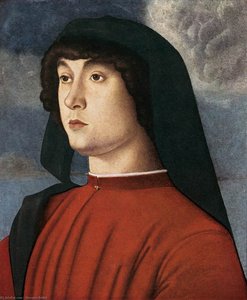
Представи си го
 Изпрати
 Сподели
 Детайли

 Изтегляне
 Подобни
 Рентгенова снимка
 Слайдшоу
 Статистика
Madonna with the Child
 Oil On Canvas
- WallArt
- Renaissance
 1487
1487- Renaissance
 75.0 x 59.0 cm
 Прочетете повече
Жикле / Художествен принт
Giclée печат или принт върху платно с музейно качество, бързо производство и гъвкави опции за завършен вид. ( Купете ръчно рисувана картина Превключване към дигитално изображение)




P118B $10

P118H $10

P118W $10

P438Z $10

P508JH $12

P508YH $12

P805H $10

P805Z $10

P919BZ $10

P919G $10

P919XJ $10

P959ZH $10

P968JZ $12

W106C $8

W218G $10

W218JH $8

W218Y $10

W307PJ $10

W316G $10

W316PJ $8

W316Y $10

W398PJ $8

W4111J $10

W500HY $15

W500JH $15

W692G $12

W849H $8

W940BG $15

W953PJ $8




Изберете от предварително зададените размери, които съответстват на оригиналните пропорции на произведението.

Можете да въведете собствени размери, за да паснат на конкретна рамка или пространство. Ако избраният от Вас размер не съвпада с пропорциите на оригиналното изображение, ние ще изрежем произведението или ще разширим изображението с огледален или едноцветен ръб. Дигитален макет ще бъде изпратен за Ваше одобрение преди започването на производството.
Моля, имайте предвид, че предпрегледът на екрана не отразява реалното изрязване или разширяване. Само макетът ще покаже точно финалната композиция.
Въпреки че са налични персонализирани размери, препоръчваме да изберете размер от предварително дефинирания списък, за да запазите оригиналните пропорции.
Доставка по целия свят () в рамките на 2 седмици вместо стандартните 4/5 седмици. (19 Септември)

Безплатна експресна доставка по целия свят

Висококачествено ленено платно

Пълно застраховане при доставка

Гаранция за възстановяване на митнически такси

Гаранция за цветова точност

Политика за връщане в рамките на 100 дни (само при дефекти)

100% Гаранция за връщане на парите

Предложение за отстъпка при поръчка на едро
 Стъклото е налично само в размери под 110 см

Madonna with the Child
Жикле / Художествен принт
Размер на репродукцията
-


Обща цена
$ 80
A Timeless Reverie: Giovanni Bellini’s "Madonna with the Child"
Giovanni Bellini's “Madonna with the Child,” painted in 1487, is more than just an image of Mary and Jesus; it’s a profound meditation on faith, motherhood, and the nascent beauty of the Renaissance. This tempera masterpiece, measuring 75 x 59 cm and currently residing within the Museu de Arte Sao Paulo, offers a glimpse into the heart of Venetian artistic innovation during a period of immense cultural transformation. Bellini's skill lies not merely in his technical prowess – though undeniably masterful – but in his ability to imbue this deeply familiar subject with an unparalleled sense of serenity and spiritual grace.
- Subject Matter: The central focus, naturally, is the Virgin Mary cradling her infant son. Bellini’s depiction transcends a simple portrait; it's a representation of divine love and protection, rendered with exquisite tenderness.
- Composition: The balanced composition draws the viewer’s eye directly to the figures, framed by a subtly receding landscape that suggests both earthly paradise and heavenly realms.
- Color Palette: Dominated by rich blues, reds, and earthy tones, the palette evokes a sense of solemnity and spiritual depth, characteristic of Venetian painting at the time.
Renaissance Innovation: Bellini’s Artistic Techniques
Bellini was a pivotal figure in bridging the Byzantine artistic tradition with the emerging Renaissance style. His approach to color is particularly noteworthy – he employed a technique known as ‘tonalism,’ layering translucent glazes of paint to achieve luminous, almost ethereal effects. This method, perfected over decades, creates a remarkable sense of depth and volume within the figures, giving them an astonishingly lifelike quality. The smooth transitions between light and shadow, achieved through meticulous modeling, contribute significantly to the painting’s overall warmth and humanity. Notice the delicate rendering of Mary's drapery – it flows with a natural grace, hinting at the artist's deep understanding of fabric texture and movement.
Symbolism and Spiritual Resonance
The symbolism woven into “Madonna with the Child” is rich and layered. The halo surrounding the infant Jesus immediately identifies him as divine, while the landscape – often interpreted as a representation of paradise – reinforces this connection. The woman’s crown symbolizes her role as the mother of God, elevating her to a position of unparalleled reverence. Beyond these overt symbols, the painting exudes an atmosphere of quiet contemplation and spiritual devotion, inviting viewers to reflect on themes of faith, family, and the mysteries of life.
A Legacy of Beauty: Context and Significance
Created in 1487, this work exemplifies Bellini’s contribution to Venetian art. It stands alongside other significant pieces from his oeuvre, including variations on the “Greek Madonna,” demonstrating a consistent exploration of themes related to motherhood and divinity. The painting's current location within the Museu de Arte Sao Paulo ensures its continued accessibility to art lovers worldwide. Bellini’s influence extends far beyond this single masterpiece; he laid the groundwork for generations of Venetian painters, solidifying his place as one of the most important artists of the Renaissance.
Биография на художника
A Venetian Master: The Life and Legacy of Giovanni Bellini
Giovanni Bellini, a name inextricably linked to the heart of Venice, stands as one of the most pivotal figures in the transition from the late Gothic to the burgeoning Renaissance. Born around 1430 – though some sources suggest 1433 – into a family deeply rooted in the artistic traditions of the city, his life was a continuous evolution, marked by an unparalleled sensitivity to color, light, and the evolving humanism of his era. The precise details of his familial connections have been subject to scholarly debate for decades; traditionally, Jacopo Bellini was considered his father, but modern research increasingly points towards Jacopo being Giovanni’s elder half-brother, with Gentile Bellini as his nephew rather than sibling. Regardless of these intricacies, young Giovanni grew up immersed in a vibrant workshop environment, absorbing the foundational techniques and artistic principles from an early age. His initial training likely involved mastering the traditional tempera methods prevalent at the time, but it was his innate talent for observation, emotional expression, and a profound understanding of color that would ultimately distinguish him as a revolutionary artist.Early Influences and Artistic Development
The 15th-century Venetian art scene presented a fascinating confluence of influences – a unique blend of Byzantine heritage, the innovations arriving from Florence, and the established traditions of the city itself. Venice’s position as a major trading hub exposed its artists to diverse styles and ideas from across Europe, while the enduring legacy of Byzantium continued to exert a powerful pull on their work. Bellini's early paintings reflect this complex duality. Initially, his style mirrored that of his father and brother, Gentile, characterized by meticulous detail, a restrained emotional palette, and a focus on formal precision. However, even in these early pieces, subtle hints of his future brilliance began to emerge – a delicate handling of light, an increasing interest in naturalistic settings, and a remarkable ability to imbue religious figures with a palpable sense of human pathos and vulnerability. A significant influence during this formative period was Andrea Mantegna, his brother-in-law, whose innovative use of perspective, dramatic lighting, and sculptural forms profoundly impacted Bellini’s artistic development. Mantegna's work served as a crucial bridge between the more traditional Venetian style and the emerging Renaissance ideals.The Revolution of Color and Technique
Giovanni Bellini’s most significant contribution to Venetian painting was his groundbreaking embrace of oil paint. While not the inventor of this technique, he skillfully exploited its potential in ways that fundamentally transformed the artistic landscape of Venice. Unlike tempera, which demanded a swift and decisive approach due to its quick-drying nature, oil paint allowed for unprecedented blending, richer colors, subtle gradations of tone, and extended working time. This newfound freedom enabled Bellini to create paintings with an astonishing depth and luminosity – a quality that had previously been unattainable in Venetian art. His use of color became increasingly sophisticated, moving away from the often-harsh and overly bright hues of earlier Venetian painters towards a more nuanced, harmonious, and emotionally resonant palette. He masterfully captured the effects of light and atmosphere, imbuing his landscapes with a sense of serenity, mystery, and realism that was truly revolutionary for its time. This mastery of oil paint not only transformed his own work but also laid the foundation for the distinctive style that would come to define the Venetian school – a style celebrated for its sensuousness, coloristic richness, and atmospheric perspective.Mature Works and Lasting Influence
As Bellini matured as an artist, his artistic vision continued to evolve and deepen. His altarpieces, such as those created for the churches of San Zaccaria and Santa Corona, demonstrate his remarkable ability to create complex compositions filled with symbolic meaning, emotional resonance, and a profound understanding of human psychology. The *Transfiguration*, now housed in the Capodimonte Museum in Naples, stands as a prime example of his mature style – a harmonious blend of spiritual contemplation and artistic mastery. He also served as conservator of the paintings within Doge’s Palace, further solidifying his reputation as Venice's leading artist and ensuring the preservation of its invaluable artistic heritage. Bellini’s influence extended far beyond his own lifetime. He became a mentor to a generation of younger painters, including Giorgione and Titian, who would build upon his innovations and push the boundaries of Venetian art even further. These pupils absorbed Bellini’s techniques and aesthetic principles, adapting them to their own individual styles and contributing significantly to the golden age of Venetian painting. Giovanni Bellini died in Venice in 1516, leaving behind a legacy that continues to inspire awe and admiration centuries later – a testament to his genius as one of the most important artists in Western art history.A Symbol of Venetian Identity
Giovanni Bellini’s significance transcends mere artistic achievement; he embodied the spirit of a changing Venice – a city grappling with new ideas about humanity, spirituality, and the relationship between art and nature. His paintings are not simply representations of religious scenes; they are profound meditations on faith, beauty, and the human condition. His ability to imbue his figures with dignity, grace, and an underlying sense of melancholy created a visual language that resonated deeply with his contemporaries and continues to captivate audiences today. *Bellini’s legacy is not simply one of artistic brilliance; it is a testament to the power of art to transcend time and connect us to the enduring values of human experience.* From the serene beauty of his Madonnas to the dramatic intensity of his religious scenes, Bellini's work remains a cornerstone of Western art history – a vibrant reflection of Venice itself.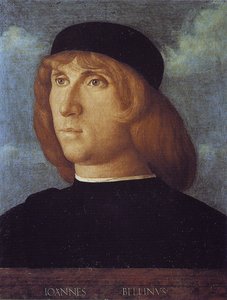
Йоанни Белини
1433 - 1516 , Италия
Бързи факти
- Artistic Movement Or Style: Ренесанс, Венецианска школа
- Artists Or Movements Influenced By This Artist:
- Жорежьо
- Титян
- Artists Who Influenced This Artist:
- Якопо Белини
- Джентеле Белини
- Андреа Мантегона
- Date Of Birth: около 1430 г.
- Date Of Death: 1516 г.
- Full Name: Giovanni Bellini
- Nationality: Италианец
- Notable Artworks:
- Свети Йордан в пустинята
- Трансфигурацията
- Place Of Birth: Венеция, Италия
Всички статии
Рафаел: Топ 25 шедьовъра на Ренесанса за вашия дом | OriginalUniqueArt.com
Открийте 25-те най-велики шедьовъра на Рафаел – Ренесансови картини, мадони и фрески с богата история. Вдъхновете се за декор с изкуство от OriginalUniqueArt.com! Разгледайте колекцията онлайн.

Giovanni Fattori: Realism, Identity & the Tuscan Landscape – A Macchiaioli Master
Explore the life & art of Giovanni Fattori, a leading figure of the Macchiaioli movement. Discover his revolutionary realism, captivating Tuscan landscapes, and lasting impact on Italian painting. Learn more at OriginalUniqueArt.
Divine Love: A Curated Guide to the Most Iconic Madonna and Child Masterpieces in Art History
Embark on a sophisticated journey through art history with our curated guide to the most iconic Madonna and Child masterpieces. Discover the profound beauty, theological depth, and enduring legacy of these sacred Renaissance treasures.

Giovanni Giacometti: Sculpting Existentialism – A Study of Form, Space, and the Human Condition
Explore the profound artistic journey of Giovanni Giacometti, father to Alberto. Discover his unique transition from Surrealism to Existentialist sculpture and painting – a compelling study for elite collectors and art enthusiasts.
Топ 10 шедьоври на Ренесанса: Изкуство за вашия дом от OriginalUniqueArt.com
Открийте 10 шедьовъра на Ренесанса – Леонардо, Микеланджело и Рафаел! Историята зад изкуството, техниките и цветовете. Купете висококачествени репродукции за вашия дом в OriginalUniqueArt.com.