Преглед в реален мащаб
 Сподели
 Сподели
 Подробности
 Ръководство

 Изтегляне
 Подобни артикули
 Рентгенова снимка
 Слайдшоу
 Статистика
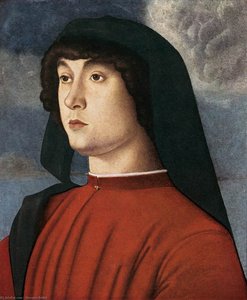
Christ Blessing
 Oil On Canvas
- WallArt
- Renaissance Italian
 1500
1500 59.0 x 47.0 cm
 Кимбел Артистичен Музей
 Разгърни целия текст
Жикле / Художествен принт
Giclée печат или принт върху платно с музейно качество, бързо производство и гъвкави опции за завършен вид. ( Поръчайте ръчно рисувано репродукция на този колекционерски предмет Превключване към дигитално изображение)




P118B €10

P118H €10

P118W €10

P438Z €10

P508JH €12

P508YH €12

P805H €10

P805Z €10

P919BZ €10

P919G €10

P919XJ €10

P959ZH €10

P968JZ €12

W106C €8

W218G €10

W218JH €8

W218Y €10

W307PJ €10

W316G €10

W316PJ €8

W316Y €10

W398PJ €8

W4111J €10

W500HY €15

W500JH €15

W692G €12

W849H €8

W940BG €15

W953PJ €8




Изберете от нашите предварително зададени размери, които съответстват на оригиналните пропорции на произведението.

Въведете необходимата ширина и височина, за да паснат на вашата рамка или стена. Принтовете могат само да се изрязват, но никога не могат да бъдат по-големи от оригиналната картина, така че при размер с различен формат част от изображението ще бъде загубена. Преди да започнем печат, ще ви изпратим дигитален мок업 за одобрение. Изображението, показано на тази страница, не показва реалното изрязване — само мок업ът го показва.
Доставка по целия свят () в рамките на 2 седмици вместо стандартните 4/5 седмици. (26 Октомври)

Безплатна експресна доставка по целия свят

Висококачествено ленено платно

Пълно застраховане на доставката

Гаранция за възстановяване на митнически такси

Гаранция за пълно съответствие на цветовете

Политика за връщане в рамките на 100 дни (само при дефекти)

100% Гаранция за връщане на сумата

Отстъпка при поръчка на повече произведения
 Опцията със стъкло е налична само за размери под 110 см

Christ Blessing
Жикле / Художествен принт
Размер на репродукцията
-


Крайна цена
€ 70
A Moment of Grace: Giovanni Bellini’s “Christ Blessing”
Giovanni Bellini's "Christ Blessing," painted around 1500 in Venice, isn’t merely a depiction of the resurrected Christ; it’s an immersive meditation on faith, redemption, and the profound mystery at the heart of Christian belief. This intimate devotional panel, now housed within the hallowed halls of the Kimbell Art Museum in Fort Worth, Texas, transcends simple portraiture to become a powerful visual sermon, inviting contemplation long after the initial viewing. Bellini masterfully blends Byzantine tradition with the burgeoning humanism of the Renaissance, creating an image that is both deeply spiritual and remarkably accessible.
The scene unfolds with arresting immediacy. Christ, rendered in a strikingly realistic manner for his time – yet retaining a distinctly serene and almost youthful quality – faces the viewer directly. His level gaze establishes a palpable connection, drawing us into this sacred moment. He raises his right hand in blessing, a gesture of profound grace and offering, while his left grips the vibrant red staff of the Resurrection banner, a potent symbol of triumph over death. The subtle yet unmistakable wounds on his hand and chest – barely visible, yet undeniably present – serve as poignant reminders of his sacrifice, grounding the divine with an undeniable human reality.
Symbolism Woven into the Landscape
Bellini’s genius lies not just in the central figure but also in the richly layered symbolism embedded within the background landscape. This isn't a distant, ethereal vista; it’s a carefully constructed allegory designed to illuminate the narrative of salvation. The withered tree with a solitary bird on the left side of the panel represents the Old Covenant, gradually giving way to the promise of the New. The pair of rabbits – a recurring motif in Bellini’s work – symbolize regeneration and new life, echoing the transformative power of Christ's resurrection. Even the shepherd tending his flock is imbued with meaning: he embodies Christ as the Good Shepherd (drawing directly from John 10:14), guiding and protecting his people.
The distant bell tower, a prominent feature in the background, speaks to the Church’s role in facilitating salvation. And subtly, yet powerfully, the three robed figures hurrying towards the tomb – undoubtedly the Three Marys – convey the urgency of the news: the empty tomb and the promise of resurrection. The entire landscape becomes a visual roadmap of redemption, guiding the viewer through the complex journey from earthly suffering to eternal glory.
Technique and Light: A Masterclass in Venetian Painting
Bellini’s mastery is evident in his exquisite use of color and light. The painting is suffused with a warm, golden radiance emanating from Christ's head – a technique borrowed from the Byzantine tradition – signifying his divinity. This luminosity contrasts beautifully with the cooler tones used for the landscape, creating a dynamic interplay between earthly and heavenly realms. The artist’s brushwork is remarkably smooth and controlled, particularly in the rendering of Christ’s flesh, demonstrating a deep understanding of anatomy and form.
Bellini's skill in layering glazes – applying thin, translucent layers of paint to build up color and depth – contributes significantly to the painting’s luminous quality. This technique, perfected over decades of practice, allows light to penetrate through the pigments, creating a sense of atmosphere and realism that was revolutionary for its time. The subtle shadows cast by Christ's arm further emphasize the reality of his resurrection, grounding the divine in tangible form.
A Timeless Testament to Faith
"Christ Blessing" is more than just a beautiful painting; it’s a profound meditation on faith and humanity. Bellini’s ability to seamlessly blend religious symbolism with artistic skill creates an image that continues to resonate with viewers centuries after its creation. It's a testament to the enduring power of art to communicate complex ideas and evoke deep emotions, inviting us to contemplate our own relationship with faith, hope, and redemption. A reproduction captures this essence beautifully, bringing this masterpiece into any home or space as a constant reminder of its timeless message.
Въпроси и отговори
В кой етап от кариерата на Йоанни Белини попада „Christ Blessing“, предвид датата му на създаване?
Датираната с 1500 г. творба „Christ Blessing“ принадлежи към Mature Venetian на развитието на Йоанни Белини.
Защо статусът на авторското право върху "Christ Blessing" е такъв?
„Christ Blessing“ на Йоанни Белини е в в обществено достояние – авторското му право е изтекло. Срокът на авторското право се изчислява от годината на смъртта на художника, която е през 1516.
Каква атмосфера би внесло „Christ Blessing“ в едно помещение?
С неговата Calm атмосфера, „Christ Blessing“ е подходяща за Living Room.
Биография на художника
A Venetian Master: The Life and Legacy of Giovanni Bellini
Giovanni Bellini, a name inextricably linked to the heart of Venice, stands as one of the most pivotal figures in the transition from the late Gothic to the burgeoning Renaissance. Born around 1430 – though some sources suggest 1433 – into a family deeply rooted in the artistic traditions of the city, his life was a continuous evolution, marked by an unparalleled sensitivity to color, light, and the evolving humanism of his era. The precise details of his familial connections have been subject to scholarly debate for decades; traditionally, Jacopo Bellini was considered his father, but modern research increasingly points towards Jacopo being Giovanni’s elder half-brother, with Gentile Bellini as his nephew rather than sibling. Regardless of these intricacies, young Giovanni grew up immersed in a vibrant workshop environment, absorbing the foundational techniques and artistic principles from an early age. His initial training likely involved mastering the traditional tempera methods prevalent at the time, but it was his innate talent for observation, emotional expression, and a profound understanding of color that would ultimately distinguish him as a revolutionary artist.Early Influences and Artistic Development
The 15th-century Venetian art scene presented a fascinating confluence of influences – a unique blend of Byzantine heritage, the innovations arriving from Florence, and the established traditions of the city itself. Venice’s position as a major trading hub exposed its artists to diverse styles and ideas from across Europe, while the enduring legacy of Byzantium continued to exert a powerful pull on their work. Bellini's early paintings reflect this complex duality. Initially, his style mirrored that of his father and brother, Gentile, characterized by meticulous detail, a restrained emotional palette, and a focus on formal precision. However, even in these early pieces, subtle hints of his future brilliance began to emerge – a delicate handling of light, an increasing interest in naturalistic settings, and a remarkable ability to imbue religious figures with a palpable sense of human pathos and vulnerability. A significant influence during this formative period was Andrea Mantegna, his brother-in-law, whose innovative use of perspective, dramatic lighting, and sculptural forms profoundly impacted Bellini’s artistic development. Mantegna's work served as a crucial bridge between the more traditional Venetian style and the emerging Renaissance ideals.The Revolution of Color and Technique
Giovanni Bellini’s most significant contribution to Venetian painting was his groundbreaking embrace of oil paint. While not the inventor of this technique, he skillfully exploited its potential in ways that fundamentally transformed the artistic landscape of Venice. Unlike tempera, which demanded a swift and decisive approach due to its quick-drying nature, oil paint allowed for unprecedented blending, richer colors, subtle gradations of tone, and extended working time. This newfound freedom enabled Bellini to create paintings with an astonishing depth and luminosity – a quality that had previously been unattainable in Venetian art. His use of color became increasingly sophisticated, moving away from the often-harsh and overly bright hues of earlier Venetian painters towards a more nuanced, harmonious, and emotionally resonant palette. He masterfully captured the effects of light and atmosphere, imbuing his landscapes with a sense of serenity, mystery, and realism that was truly revolutionary for its time. This mastery of oil paint not only transformed his own work but also laid the foundation for the distinctive style that would come to define the Venetian school – a style celebrated for its sensuousness, coloristic richness, and atmospheric perspective.Mature Works and Lasting Influence
As Bellini matured as an artist, his artistic vision continued to evolve and deepen. His altarpieces, such as those created for the churches of San Zaccaria and Santa Corona, demonstrate his remarkable ability to create complex compositions filled with symbolic meaning, emotional resonance, and a profound understanding of human psychology. The *Transfiguration*, now housed in the Capodimonte Museum in Naples, stands as a prime example of his mature style – a harmonious blend of spiritual contemplation and artistic mastery. He also served as conservator of the paintings within Doge’s Palace, further solidifying his reputation as Venice's leading artist and ensuring the preservation of its invaluable artistic heritage. Bellini’s influence extended far beyond his own lifetime. He became a mentor to a generation of younger painters, including Giorgione and Titian, who would build upon his innovations and push the boundaries of Venetian art even further. These pupils absorbed Bellini’s techniques and aesthetic principles, adapting them to their own individual styles and contributing significantly to the golden age of Venetian painting. Giovanni Bellini died in Venice in 1516, leaving behind a legacy that continues to inspire awe and admiration centuries later – a testament to his genius as one of the most important artists in Western art history.A Symbol of Venetian Identity
Giovanni Bellini’s significance transcends mere artistic achievement; he embodied the spirit of a changing Venice – a city grappling with new ideas about humanity, spirituality, and the relationship between art and nature. His paintings are not simply representations of religious scenes; they are profound meditations on faith, beauty, and the human condition. His ability to imbue his figures with dignity, grace, and an underlying sense of melancholy created a visual language that resonated deeply with his contemporaries and continues to captivate audiences today. *Bellini’s legacy is not simply one of artistic brilliance; it is a testament to the power of art to transcend time and connect us to the enduring values of human experience.* From the serene beauty of his Madonnas to the dramatic intensity of his religious scenes, Bellini's work remains a cornerstone of Western art history – a vibrant reflection of Venice itself.
Йоанни Белини
1433 - 1516 , Италия
Бързи факти
- Artistic Movement Or Style: Ренесанс, Венецианска школа
- Artists Or Movements Influenced By This Artist:
- Жорежьо
- Титян
- Artists Who Influenced This Artist:
- Якопо Белини
- Джентеле Белини
- Андреа Мантегона
- Date Of Birth: около 1430 г.
- Date Of Death: 1516 г.
- Full Name: Giovanni Bellini
- Nationality: Италианец
- Notable Artworks:
- Свети Йордан в пустинята
- Трансфигурацията
- Place Of Birth: Венеция, Италия
Свързани статии

The Golden Light of Innovation: Exploring the Venetian Renaissance Art Movement (1430–1580)
Explore the Golden Age of Venetian art (1430–1580). Discover Giorgione, Titian & Tintoretto's techniques, the 'colorito' revolution, and lasting influence. Expert insights for collectors & enthusiasts.
Топ 25 шедьовъра на Якопо Тинторето: Драма, светлина и величие в изкуството
Разгледайте топ 25 шедьовъра на Якопо Тинторето – венециански ренесанс, драматизъм и чиароскуро. Открийте историите зад картините му и преобразете дома си с луксозни репродукции от OriginalUniqueArt.com!
Vittore Carpaccio: Venetian Renaissance Narrative & the Poetics of Detail
Explore the captivating world of Vittore Carpaccio, a master storyteller of the Venetian Renaissance. Discover his intricate details, narrative cycles like 'The Legend of St. Ursula,' and unique artistic style.

Venetian Renaissance: The Mastery of Color, Light, and the Art of Colorito
Explore the luminous mastery of the Venetian Renaissance. Discover how masters like Titian and Giorgione revolutionized art through colorito, light, and atmosphere. An expert guide to the golden age of Italian painting for collectors and enthusiasts.
Venetian Renaissance: The Golden Age of Color, Light, and Luminous Artistry
Embark on a journey through the Venetian Renaissance. Discover how masters like Giorgione and Titian revolutionized art through luminous color and light. Explore the profound legacy of the Venetian School and its enduring influence on the world of fine art.