Sacred conversation
Ръчно изработена маслена репродукция
Ръчно рисувана маслена картина върху платно във вашия размер и рамка, изработена по поръчка от нашите художници. ( Превключване към принт
Превключване към дигитално изображение)
P118B $10
P118H $10
P118W $10
P438Z $10
P508JH $12
P508YH $12
P805H $10
P805Z $10
P919BZ $10
P919G $10
P919XJ $10
P959ZH $10
P968JZ $12
W106C $8
W218G $10
W218JH $8
W218Y $10
W307PJ $10
W316G $10
W316PJ $8
W316Y $10
W398PJ $8
W4111J $10
W500HY $15
W500JH $15
W692G $12
W849H $8
W940BG $15
W953PJ $8
Изберете от предварително зададените размери, които съответстват на оригиналните пропорции на произведението.
Можете да въведете свои собствени размери, за да пасне на конкретна рамка или пространство. Ако избраният от вас размер не съответства на пропорциите на оригиналното изображение, ние ще изрежем произведението или ще удължим картината с допълнителни ръчно рисувани елементи. Дигитален макет ще бъде изпратен за ваше одобрение преди започване на производството.
Моля, обърнете внимание, че прегледът на екрана не отразява действителното изрязване или разширяване. Само макетът ще покаже точно финалния състав.
Въпреки че са налични персонализирани размери, препоръчваме да изберете размер от предварително дефинирания списък, за да запазите оригиналните пропорции.
След поръчка, екипът на OriginalUniqueArt.com ще изпрати имейл на клиента за инструкции и ще предостави преглед на макет.
Доставка по целия свят () в рамките на 3/4 седмици вместо стандартните 5 седмици. (11 Септември). Без компромис с качеството.
Безплатна експресна доставка по целия свят
Висококачествено ленено платно
Пълно застраховане при доставка
Гаранция за възстановяване на митнически такси
Гаранция за цветова точност
Политика за връщане в рамките на 100 дни (само при дефекти)
100% Гаранция за връщане на парите
Предложение за отстъпка при поръчка на едро
Sacred conversation
Репродукционен метод
Размер на репродукцията
-
Обща цена
$ 350
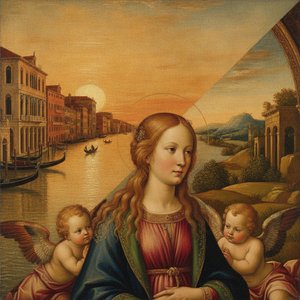
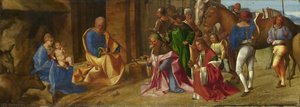
A Moment of Divine Encounter: Giorgione’s *Sacred Conversation*
This exquisite oil painting by Giorgione, created around 1505, exemplifies the blossoming artistry of the High Renaissance in Venice. More than a simple depiction of religious figures, it's a carefully constructed scene radiating serenity and spiritual contemplation – a hallmark of Giorgione’s unique style. The artwork presents the Virgin Mary cradling the infant Jesus, engaged in intimate conversation with two female saints, often identified as Saint Lucy and Saint Catherine of Alexandria.Style & Technique: Venetian Lyricalism
Giorgione, alongside Titian, was instrumental in defining the distinctive *Venetian School* of painting. Unlike the Florentine emphasis on linear perspective and precise draftsmanship, Giorgione prioritized color, atmosphere, and a poetic sensibility. This is beautifully evident here. The composition isn’t rigidly structured; instead, it flows organically with soft contours and diffused light. He masterfully employed oil paints in layers – a technique that allows for rich textures, luminous skin tones, and the subtle play of light across fabrics. Notice how forms seem to emerge from the shadows rather than being sharply defined. The use of *sfumato*—a softening or blurring of outlines—creates an ethereal quality, inviting quiet contemplation.Composition & Symbolism
The pyramidal composition anchors the scene with Mary and Jesus at its apex, drawing the viewer’s eye to the central figures. However, it's not a static arrangement. The figures are positioned within a richly decorated interior, yet the space feels intimate rather than grandiose. A window opens onto a hazy landscape – a typical feature in Giorgione’s work that adds depth and a sense of mystery. The ‘Sacred Conversation’ (or *conversazione sacra*), as this type of painting is known, wasn't intended to depict a specific biblical event but rather to foster personal devotion through the imagined interaction between holy figures. The objects held by the saints – often symbolic attributes – further enrich the narrative; though their precise meanings remain open to interpretation, adding to the artwork’s enigmatic allure.Historical Context & Giorgione's Legacy
Giorgione’s career was tragically short, ending at the age of 33. Consequently, his *oeuvre* is small and often debated – attribution can be challenging. However, his impact on Venetian painting was immense. He moved away from strict narrative representation towards a more evocative and atmospheric style that profoundly influenced Titian and subsequent generations of artists. The early 16th century in Venice was a period of great artistic innovation, fueled by the city’s wealth, cosmopolitan atmosphere, and unique relationship with light and color. Giorgione's work embodies this spirit of experimentation and refinement.Emotional Impact & Interior Design
*Sacred Conversation* evokes a sense of peaceful reverence and intimate spirituality. The soft colors, gentle lighting, and harmonious composition create a calming atmosphere. This artwork would be a stunning focal point in a variety of interior settings – from a traditional library or study to a more contemporary living space. Its muted palette complements both warm and cool color schemes, while its elegant proportions lend themselves well to various wall sizes. A high-quality reproduction captures the subtle nuances of Giorgione’s technique, bringing a touch of Renaissance grace and tranquility into any home.- Style: High Renaissance, Venetian School
- Medium: Oil on canvas
- Date: c. 1505
- Dimensions: Unknown
Биография на художника
Giorgione (1477/8-1510): A Venetian Enigma
Giorgio Barbarelli da Castelfranco, known to the world as Giorgione, remains one of the most elusive and captivating figures in Renaissance art. Born in the small town of Castel Franco Veneto near Venice around 1477 or 1478 – the exact year is debated – his tragically short life, ending around 1510 at the age of thirty-two or thirty-three, belies an artistic impact that continues to resonate centuries later. Unlike many of his contemporaries whose lives are well documented, Giorgione’s story is shrouded in mystery, pieced together from scant historical records and the often romanticized accounts of Giorgio Vasari. What we do know suggests a man deeply immersed in the vibrant culture of Venice, a city that fostered both artistic innovation and a sensual appreciation for beauty. He likely apprenticed under Giovanni Bellini, a leading Venetian painter, absorbing the established traditions before forging his own unique path. Early commissions included portraits of prominent figures like Doge Agostino Barbarigo, demonstrating an immediate talent for capturing likeness and status. However, it was in his departure from conventional subject matter and his revolutionary approach to painting that Giorgione truly distinguished himself.Early Life and Artistic Training
Giorgio Barbarelli’s origins are relatively obscure. He was born into a family of modest means in Castel Franco Veneto, a region known for its textile industry and burgeoning artistic patronage. While precise details about his childhood remain elusive, biographical sketches indicate he possessed an innate fascination with art from a young age. His formal training began under Giovanni Bellini, arguably the most influential Venetian painter of his time. Bellini’s workshop served as a crucible for artistic experimentation, fostering a tradition of blending Byzantine influences with emerging humanist ideals. Giorgione diligently studied Bellini's techniques – particularly his masterful use of color and glazing – absorbing the stylistic conventions that would shape his own distinctive style. This apprenticeship instilled in him not only technical proficiency but also a profound understanding of Venetian artistic culture.A Revolutionary Style: Color, Atmosphere, and *Sfumatò*
Giorgione’s artistic style represented a radical departure from the prevailing Florentine aesthetic, which prioritized linear perspective and meticulous draughtsmanship. He championed color, atmosphere, and an evocative moodiness that became hallmarks of the Venetian school – a movement characterized by its sensual beauty and emotional depth. Unlike his Florentine counterparts who sought to represent the world as it appeared objectively, Giorgione aimed to capture its essence—its fleeting emotions and spiritual resonance. His technique involved softening outlines, employing subtle gradations of tone – *sfumato* – to create atmospheric effects that blurred boundaries between objects and imbued scenes with a hazy luminescence. This approach wasn’t merely a stylistic preference; it reflected a fundamentally different artistic sensibility rooted in Byzantine art traditions. Giorgione skillfully utilized color symbolism—particularly muted hues—to convey complex psychological states and heighten the emotional impact of his paintings. The result was an unparalleled sense of depth and luminosity, transforming landscapes into immersive experiences for the viewer.Notable Works: Visions of Beauty and Mystery
Giorgione’s oeuvre is remarkably small compared to other Renaissance masters, consisting primarily of a handful of paintings that nevertheless command immense artistic significance. The Tempest (c. 1506-1508), arguably his masterpiece, depicts a soldier and a nursing mother amidst a stormy landscape—a scene fraught with ambiguity and symbolic richness. The painting’s hazy atmosphere and muted colors evoke a profound sense of melancholy and contemplation, prompting viewers to ponder the mysteries of human existence. Similarly, Pastoral Concert (Fête champêtre) presents an idyllic gathering of musicians in a pastoral setting—a celebration not of narrative detail but of harmonious composition and lyrical beauty. Giorgione’s masterful use of color and light creates an ethereal illusion, transporting the viewer to another realm of sensory experience. Other notable works include Sleeping Venus (c. 1509-1510), a sensual depiction of Aphrodite resting on a scallop shell—a testament to Giorgione's ability to convey beauty and emotion with understated elegance; *Judith* (c. 1504), an early example of his evolving style, demonstrating his growing mastery of chiaroscuro—the dramatic interplay of light and shadow—and *Portrait of Lucrezia Borgia* – a psychologically astute portrayal capturing the enigmatic gaze and aristocratic demeanor of one of Venice’s most influential figures.Influence and Legacy
Giorgione's artistic innovations profoundly impacted Venetian painting and exerted considerable influence on subsequent generations of artists. His pioneering use of *sfumato*, combined with his masterful color palette and atmospheric perspective, established a new aesthetic standard that resonated throughout Europe. He served as a mentor to Titian, who would become one of the most celebrated painters of the High Renaissance—carrying forward Giorgione’s stylistic legacy and solidifying Venice's position as a center for artistic excellence. Giorgione’s enduring fascination stems not only from his technical brilliance but also from the profound emotional depth of his paintings—works that continue to inspire awe and contemplation centuries after their creation. He remains an emblem of artistic freedom, innovation, and the pursuit of beauty—a painter who dared to transcend convention and forge a path toward new expressive possibilities.Джорджоне
1477 - 1510 , Италия
Бързи факти
- Artistic Movement Or Style: Виенцианска школа
- Artists Or Movements Influenced By This Artist: ['Тициан']
- Artists Who Influenced This Artist:
- Джовани Белини
- Мантегна
- Date Of Birth: 1477/78 или 1473/74
- Date Of Death: 1510
- Full Name: Giorgio Barbarelli da Castelfranco
- Nationality: Италиански
- Notable Artworks:
- Ла Темпест
- Мадона от Кастелфранко
- Сънна Венера
- Place Of Birth: Кастелфранко Венеция, Италия


Стъклото е налично само в размери под 110 см