Преглед в реален мащаб
 Изпрати
 Сподели
 Детайли
 Ръководство

 Изтегляне
 Подобни артикули
 Рентгенова снимка
 Слайдшоу
 Въпроси и отговори
 Статистика
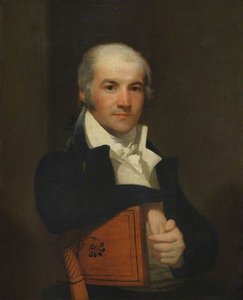
Thomas Robinson (1738–1786), 2nd Baron Grantham

- 76.0 x 64.0 cm


 Прочети повече
Жикле / Художествен принт
Giclée печат или принт върху платно с музейно качество, бързо производство и гъвкави опции за завършен вид. ( Купете ръчно рисувана картина Превключване към дигитално изображение)




P118B €10

P118H €10

P118W €10

P438Z €10

P508JH €12

P508YH €12

P805H €10

P805Z €10

P919BZ €10

P919G €10

P919XJ €10

P959ZH €10

P968JZ €12

W106C €8

W218G €10

W218JH €8

W218Y €10

W307PJ €10

W316G €10

W316PJ €8

W316Y €10

W398PJ €8

W4111J €10

W500HY €15

W500JH €15

W692G €12

W849H €8

W940BG €15

W953PJ €8




Изберете от нашите предварително зададени размери, които съответстват на оригиналните пропорции на произведението.

Въведете необходимата ширина и височина, за да паснат на вашата рамка или стена. Принтовете могат само да се изрязват, но никога не могат да бъдат по-големи от оригиналната картина, така че при размер с различен формат част от изображението ще бъде загубена. Преди да започнем печат, ще ви изпратим дигитален мок업 за одобрение. Изображението, показано на тази страница, не показва реалното изрязване — само мок업ът го показва.
Доставка по целия свят () в рамките на 2 седмици вместо стандартните 4/5 седмици. (7 Ноември)

Безплатна експресна доставка по целия свят

Висококачествено ленено платно

Пълно застраховане на доставката

Гаранция за възстановяване на митнически такси

Гаранция за пълно съответствие на цветовете

Политика за връщане в рамките на 100 дни (само при дефекти)

100% Гаранция за връщане на сумата

Оферта за отстъпка при поръчка на повече бройки
 Опцията със стъкло е налична само за размери под 110 см

Thomas Robinson (1738–1786), 2nd Baron Grantham
Жикле / Художествен принт
Размер на репродукцията
-


Обща цена
€ 72
A Glimpse into Georgian Grandeur: The Portrait of Thomas Robinson
To stand before this portrait of Thomas Robinson, the 2nd Baron Grantham, is to step directly into the refined drawing rooms of late eighteenth-century England. Painted in 1785 by the masterful hand of Gilbert Stuart, the work transcends a mere likeness; it is a carefully constructed monument to status, intellect, and enduring masculine dignity. The subject gazes out with an unwavering directness that seems to challenge the viewer, inviting an immediate, intimate connection across the span of two centuries. Every element—from the crisp fall of his white hair and meticulously arranged wig to the tailored lines of his suit—speaks volumes about the sitter's elevated position within the social strata of the time.
The Artistry of Gilbert Stuart: Technique and Presence
Gilbert Stuart, celebrated for capturing the essence of his sitters, employed a technique that balances formal portraiture with startling psychological depth. The composition is dominated by the figure against a deep, velvety dark background. This dramatic use of chiaroscuro serves not only to isolate Robinson but also to heighten the luminosity of his face and the texture of his garments. Observe the brushwork: it is both remarkably detailed in rendering the fine strands of hair and the subtle sheen on the fabric, yet simultaneously loose enough to suggest life and movement rather than rigid formality. Stuart’s genius lies in making the portrait feel immediate, as if the man has paused momentarily for this very sitting.
Historical Context and Symbolism of Attire
The year 1785 places this work squarely within a period of immense cultural flux—the cusp between Georgian opulence and the burgeoning Enlightenment ideals. The subject’s attire, with its structured suit and formal neckwear, is emblematic of the landed gentry who navigated the shifting tides of political and social change. The wig itself, while adhering to contemporary fashion, functions as a powerful symbol of inherited rank and adherence to established societal codes. The direct gaze, therefore, becomes more than personal; it is a performance of belonging, a visual assertion of lineage and authority that collectors today find endlessly compelling.
An Enduring Emotional Resonance for the Modern Collector
For the contemporary admirer, this reproduction offers far more than just decorative appeal. It provides an anchor to history, allowing one to contemplate the weight of portraiture—the desire to be remembered, to be seen, and to be understood by posterity. The emotional impact is one of stately contemplation; it suggests narratives untold behind that steady gaze. Whether adorning a formal study or lending gravitas to a sophisticated salon, this piece captures an aura of timeless refinement. It is a wearable piece of history, inviting quiet reflection upon the passage of time and the enduring power of human character.
Въпроси и отговори
Как се позиционира „Thomas Robinson (1738–1786), 2nd Baron Grantham“ сред често срещаните теми в творчеството на Жилбер Стьюарт?
Повторящите се теми в творчеството на Жилбер Стьюарт включват stuart’s neoclassical style, aristocratic dignity, british nobility, formal portraiture, royal patronage legacy; „Thomas Robinson (1738–1786), 2nd Baron Grantham“ се фокусира върху portraiture, british art, baron grantham, scottish heritage, royal academy, 18th century painting, formal dignity, aristocracy.
На кой етап от кариерата на Жилбер Стьюарт съответства датата от 1785 на „Thomas Robinson (1738–1786), 2nd Baron Grantham“?
"Thomas Robinson (1738–1786), 2nd Baron Grantham", създадена през 1785, принадлежи към Mature Period от кариерата на Жилбер Стьюарт.
Кой художник и кой стил стоят зад "Thomas Robinson (1738–1786), 2nd Baron Grantham"?
Авторите на произведението „Thomas Robinson (1738–1786), 2nd Baron Grantham“ са Жилбер Стьюарт и представителите на движението Neoclassicism.
Биография на художника
Gilbert Stuart: The Painter of American Icons
Gilbert Stuart (1755 – 1828) stands as a monumental figure in the annals of American art history, revered for his unparalleled skill in portraiture and his indelible contribution to shaping the visual representation of early America. More than just an artist; he was a chronicler of his time, capturing not only likenesses but also the spirit and character of prominent individuals who defined the nation’s formative years.- Early Life & Training: Stuart's artistic journey commenced at a remarkably young age in Saunderstown, Rhode Island, where he was born into a family rooted in Scottish heritage. His father, Gilbert Stuart Sr., established the first snuff mill in Rhode Island—a testament to entrepreneurial spirit and economic ambition during the colonial era.
- Scottish Influences: Recognizing his burgeoning talent, Stuart embarked on a formative voyage to Scotland around 1771, immersing himself in the tutelage of Cosmo Alexander. This exposure to European artistic traditions proved crucial for honing his technique and cultivating an understanding of compositional principles that would underpin his future masterpieces.
- London & Benjamin West: Further refining his craft in London from 1775 to 1780, Stuart benefited immensely from the mentorship of Benjamin West—a celebrated American painter residing in England. West’s influence instilled in Stuart a profound appreciation for realism and dramatic lighting, shaping his artistic sensibilities.
A Career Marked by Revolution & Resilience
The American Revolution profoundly impacted Stuart's life trajectory, compelling him to relocate to England in 1775. Despite facing considerable challenges—including financial difficulties stemming from debts—he persevered, securing commissions and establishing a studio that would become his artistic home for decades.- Early Success: Stuart’s reputation soared swiftly with “The Skater” (1782), a captivating portrait that immediately cemented his position as one of the era's foremost artists. This work exemplifies Stuart’s signature style—characterized by meticulous detail and an evocative use of light to convey emotion.
- The Washington Portrait: Undoubtedly Stuart’s most iconic achievement is the unfinished portrait of George Washington, begun in 1796. Known universally as “The Athenaeum Portrait,” this monumental undertaking became a symbol of American identity—appearing on U.S. currency and postage stamps for over a century.
Neoclassical Style & Psychological Depth
Stuart’s artistic style adhered rigorously to the precepts of Neoclassicism, a movement that championed classical forms and ideals as responses to the excesses of Rococo art. He prioritized capturing not merely physical likeness but also psychological nuance—analyzing his subjects' expressions and gestures to convey their inner character.- Technique: Stuart’s mastery lay in his meticulous attention to detail, utilizing oil paints with remarkable precision to achieve astonishing realism. He skillfully employed chiaroscuro—the dramatic interplay of light and shadow—to heighten the emotional impact of his portraits.
- Subject Matter: Stuart's prolific output encompassed portraits of an impressive array of figures—including John Adams, Thomas Jefferson, James Madison, and numerous members of the Federalist elite. His canvases offer invaluable insights into the lives and appearances of influential individuals who shaped the course of American history.
Legacy & Enduring Influence
Gilbert Stuart’s legacy extends far beyond his artistic accomplishments; he established a distinctive American style of portraiture that blended European techniques with uniquely American sensibilities. His portraits continue to captivate audiences today, residing in prominent museums across the United States and Europe—a testament to his enduring genius and his profound contribution to the visual culture of America.
Жилбер Стьюарт
1755 - 1828 , Великобритания
Бърза информация
- Artistic Movement Or Style: Неокласицизъм
- Artists Or Movements Influenced By This Artist: ['Неокласицизъм']
- Artists Who Influenced This Artist:
- Космо Александър
- Бенджамин Уест
- Date Of Birth: Декември 3, 1755 г.
- Date Of Death: Юли 9, 1828 г.
- Full Name: Gilbert Stuart
- Nationality: Американски
- Notable Artworks:
- Портрет на Джордж Вашингтон (Атенаеум портрет)
- Портрет на Джон Адамс
- Place Of Birth: Сент Саутъмбънт, Великобритания
Свързани статии
Thomas Hudson: A Study in 18th-Century Portraiture & British Artistic Identity
Explore the life & work of Thomas Hudson, a leading 18th-century British portraitist. Discover his mastery of the 'Grand Manner,' influential style, and lasting impact on British art. Learn about his notable portraits like Judge William Noel & Alexander Van Aken.

Thomas Stuart Smith: A Study in British Impressionism & the Poetic Landscape
Explore the captivating world of Thomas Stuart Smith (1815-1869), a Scottish painter bridging Romantic realism and British Impressionism. Discover his genre scenes, philanthropic legacy & stunning interiors.

John Gilbert: A Comprehensive Exploration of Technique, Context, and Enduring Legacy in Victorian Genre Painting
Explore the life & art of John Gilbert, a prolific Victorian painter renowned for his captivating genre scenes and Venetian-inspired style. Discover his legacy with OriginalUniqueArt.
Thomas Luny (1759–1837): Maritime Mastery & the Evolution of British Marine Painting
Explore the captivating world of Thomas Luny (1759–1837), a celebrated British marine artist. Discover his dramatic naval scenes, detailed ship portraits & lasting legacy. Learn about his life, influences & artworks.

Топ 25 шедьоври от Британския музей: История, изкуство и лукс за вашия дом
Разгледайте топ 25 шедьоври от Британския музей! Открийте историите зад известни картини, скулптури и артефакти. Вдъхновете се за луксозен интериор с репродукции на изкуство от OriginalUniqueArt.com.