
 Преглед в реален мащаб
 Сподели
 Сподели
 Подробности
 Ръководство

 Изтегляне
 Подобни артикули
 Рентгенова снимка
 Слайдшоу
 Статистика
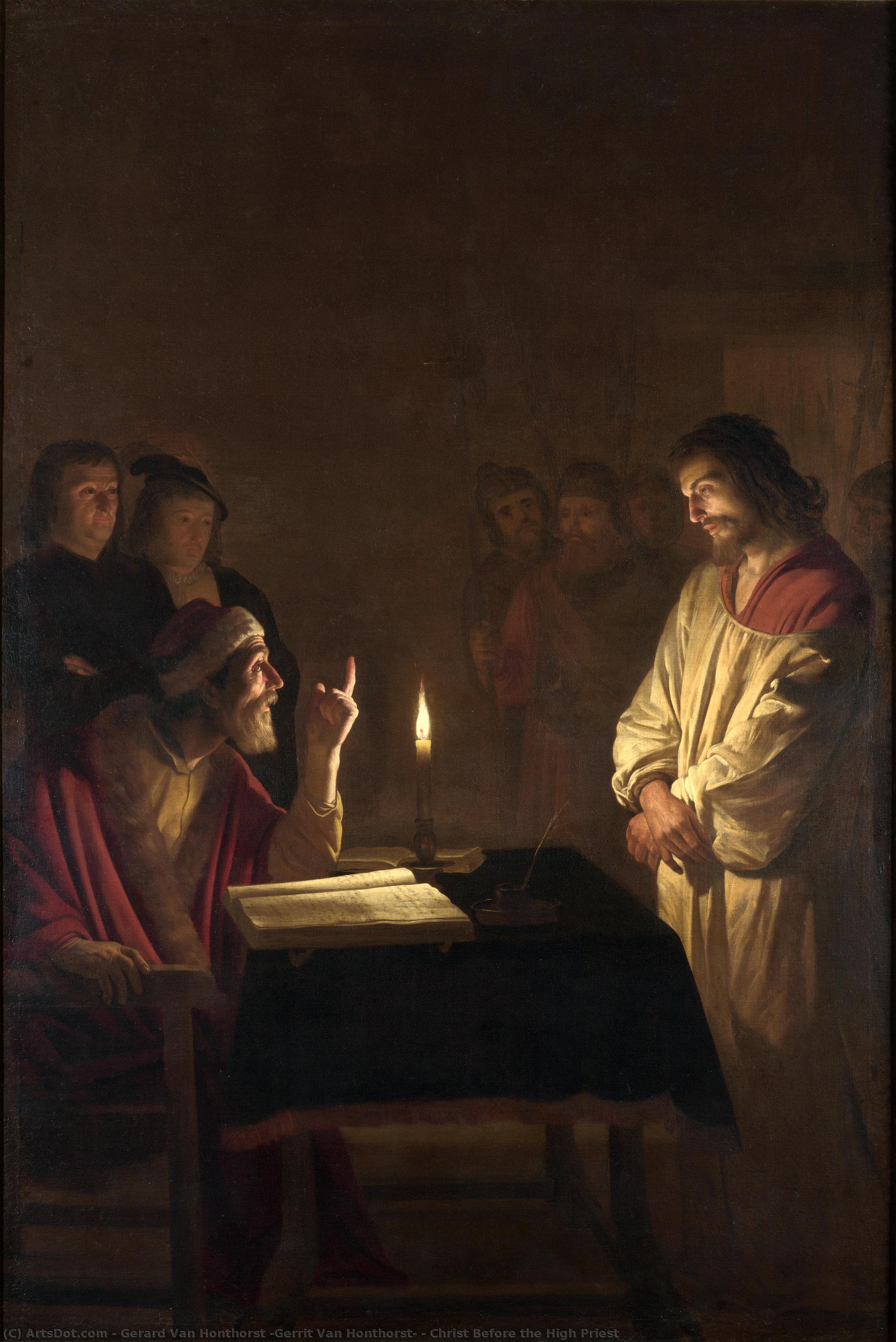
Christ Before the High Priest


 Разгърни целия текст
Жикле / Художествен принт
Giclée печат или принт върху платно с музейно качество, бързо производство и гъвкави опции за завършен вид. ( Поръчайте ръчно рисувано репродукция на този колекционерски предмет Превключване към дигитално изображение)




P118B €10

P118H €10

P118W €10

P438Z €10

P508JH €12

P508YH €12

P805H €10

P805Z €10

P919BZ €10

P919G €10

P919XJ €10

P959ZH €10

P968JZ €12

W106C €8

W218G €10

W218JH €8

W218Y €10

W307PJ €10

W316G €10

W316PJ €8

W316Y €10

W398PJ €8

W4111J €10

W500HY €15

W500JH €15

W692G €12

W849H €8

W940BG €15

W953PJ €8




Изберете от нашите предварително зададени размери, които съответстват на оригиналните пропорции на произведението.

Въведете необходимата ширина и височина, за да паснат на вашата рамка или стена. Принтовете могат само да се изрязват, но никога не могат да бъдат по-големи от оригиналната картина, така че при размер с различен формат част от изображението ще бъде загубена. Преди да започнем печат, ще ви изпратим дигитален мок업 за одобрение. Изображението, показано на тази страница, не показва реалното изрязване — само мок업ът го показва.
Доставка по целия свят () в рамките на 2 седмици вместо стандартните 4/5 седмици. (22 Октомври)

Безплатна експресна доставка по целия свят

Висококачествено ленено платно

Пълно застраховане на доставката

Гаранция за възстановяване на митнически такси

Гаранция за пълно съответствие на цветовете

Политика за връщане в рамките на 100 дни (само при дефекти)

100% Гаранция за връщане на сумата

Отстъпка при поръчка на повече произведения
 Опцията със стъкло е налична само за размери под 110 см

Christ Before the High Priest
Жикле / Художествен принт
Размер на репродукцията
-


Крайна цена
€ 70
A Dramatic Encounter: Gerard van Honthorst’s “Christ Before the High Priest”
Gerard van Honthorst's "Christ Before the High Priest," painted around 1617, is not merely a biblical scene; it’s a masterclass in Baroque drama and an intimate portrayal of spiritual tension. This oil on canvas, now residing within the hallowed halls of London’s National Gallery, immediately commands attention with its masterful use of chiaroscuro – the dramatic interplay of light and shadow that defines the artist's signature style. Honthorst, deeply influenced by the revolutionary techniques of Caravaggio, transports us to a dimly lit chamber, thick with secrecy and foreboding, where the fate of Jesus hangs precariously in the balance.
The composition is strikingly vertical, drawing the viewer’s eye inexorably towards the central figures: Christ and Caiaphas. The single candle flame, strategically positioned between them, acts as a potent symbol – not just illuminating their faces but also highlighting the chasm separating their perspectives. Jesus, rendered in serene composure, appears almost otherworldly amidst the gathering of shadowy witnesses behind him, suggesting an inner strength and acceptance of his impending destiny. Caiaphas, by contrast, is depicted with forceful gestures and a furrowed brow, embodying the resistance to Christ’s claims and the weight of judgment.
The Baroque Masterstroke: Light, Shadow, and Emotional Intensity
Honthorst's technical prowess is immediately evident in the meticulous detail and rich textures of the painting. The brushstrokes are deliberately visible, creating an impasto effect – a raised surface of paint that adds tactile quality to the scene. The use of linear perspective, while somewhat flattened as is typical of Baroque art, effectively guides the eye through the composition, layering figures and details with subtle precision. Notice how the folds of the drapery, rendered with remarkable realism, seem to ripple and flow, adding depth and movement to the otherwise static scene.
The artist’s deep understanding of light is particularly noteworthy. It's not simply illumination; it’s a carefully orchestrated tool for conveying emotion and highlighting key elements. The stark contrast between the brightly lit faces of Christ and Caiaphas, juxtaposed against the enveloping darkness, amplifies their conflict and underscores the gravity of the moment. This dramatic lighting technique, characteristic of Caravaggio and embraced by Honthorst, is what truly elevates this painting beyond a simple historical depiction.
Symbolism and Spiritual Resonance
Beyond its immediate visual impact, “Christ Before the High Priest” is laden with symbolic meaning. The scroll held by Caiaphas represents Jewish law and prophecy – the very framework within which Jesus’s teachings challenged established norms. The candle itself serves as a powerful emblem of truth and enlightenment, casting a fragile light upon the unfolding drama. The gathering of witnesses in the background speaks to the broader community's role in Christ’s trial and the weight of their collective judgment.
Furthermore, the painting resonates with themes of betrayal, judgment, and divine authority – core tenets of Christian theology. It captures a pivotal moment from scripture, offering viewers an intimate glimpse into the events leading up to Jesus’ crucifixion. The overall mood is one of solemnity, suspense, and profound spiritual significance, inviting contemplation on faith, sacrifice, and the nature of truth.
A Timeless Masterpiece: Reproduction Possibilities
OriginalUniqueArt offers meticulously crafted hand-painted reproductions of Gerard van Honthorst’s “Christ Before the High Priest,” allowing you to bring this iconic Baroque masterpiece into your home or office. Our skilled artists faithfully recreate every detail, from the subtle nuances of light and shadow to the rich textures of the paint, ensuring an authentic representation of this extraordinary work. Whether you're a seasoned art collector, an interior designer seeking to add a touch of historical grandeur, or simply an admirer of Baroque artistry, our reproductions provide a beautiful and accessible way to experience the enduring power of Honthorst’s dramatic vision.
Въпроси и отговори
Какъв е препоръчаният размер на печат за „Christ Before the High Priest“ на Герхард ван Хонторст?
За „Christ Before the High Priest“ на Герхард ван Хонторст се препоръчва репродукция с размер Large. Размерът може да бъде променен, като се запазят пропорциите.
Как е описано настроението на „Christ Before the High Priest“ на Герхард ван Хонторст?
„Christ Before the High Priest“ на Герхард ван Хонторст се описва като произведение с Dramatic настроение. Тази класификация може да помогне за съчетаването на творбата с подходяща обстановка.
За коя стая се препоръчва „Christ Before the High Priest“ на Герхард ван Хонторст?
„Christ Before the High Priest“ на Герхард ван Хонторст е препоръчано за Living Room. Тази препоръка се основава на темата, цветовете и настроението на произведението.
Биография на художника
A Master of Light and Shadow: The Life and Art of Gerard van Honthorst
Gerard van Honthorst emerged from Utrecht in 1592, a pivotal figure poised to illuminate the Dutch Golden Age with his dramatic artistry. Initially guided by his father, a decorative painter, young Gerard’s talent blossomed under the tutelage of Abraham Bloemaert, establishing a solid foundation in draftsmanship and composition. However, it was a transformative journey to Rome that irrevocably altered the course of his artistic development. There, amidst the fervent energy of the Italian Baroque, he encountered the groundbreaking work of Caravaggio – an encounter that would define his signature style and earn him the evocative nickname “Gherardo delle Notti,” or Gerard of the Nights. The dramatic use of *tenebrism*, a technique employing stark contrasts between light and dark, became Honthorst’s hallmark, imbuing his canvases with a palpable sense of drama and emotional intensity. He wasn't merely imitating Caravaggio; he was translating the Italian master’s innovations into a distinctly Dutch sensibility, focusing on intimate scenes illuminated by artificial light sources – candles, lamps, and fires – creating an atmosphere both realistic and deeply theatrical. This mastery over light wasn’t simply technical skill; it was a means of revealing character, of drawing the viewer into the emotional core of each scene.From Roman Acclaim to Dutch Mastery
Honthorst's time in Rome was marked by considerable success and patronage. He found favor amongst the city’s elite, including Vincenzo Giustiniani, for whom he created the powerful “Christ Before the High Priest,” a work that exemplifies his masterful command of light and shadow. This painting, now residing in London’s National Gallery, showcases not only his technical skill but also his ability to convey profound psychological depth within his figures. The scene is charged with tension, the faces illuminated by a single, unseen source, highlighting the vulnerability and fear of Christ before the high priest. He further solidified his reputation by working for Cosimo II de' Medici, Grand Duke of Tuscany, demonstrating an adaptability and versatility that would serve him well throughout his career. Honthorst’s ability to capture not just physical likeness but also the character and social standing of his sitters made him highly sought after by wealthy merchants, nobles, and even royalty. He became president of the Guild of St. Luke in Utrecht in 1623, a testament to his growing influence within the artistic community. This period saw a flourishing of commissions, allowing Honthorst to refine his style and establish a distinctive voice within Dutch painting.The Utrecht Caravaggisti
Honthorst’s time in Rome was not merely a period of stylistic absorption; it fostered a vibrant artistic community known as the *Utrecht Caravaggisti*. Alongside artists like Hendrick ter Brugghen and Dirck van Baburen, Honthorst spearheaded a movement that sought to translate the dramatic intensity and realism of Caravaggio into the context of Dutch painting. These artists shared a common interest in portraying scenes with heightened emotion, often utilizing *tenebrism* – the stark contrast between light and dark – to create a sense of drama and immediacy. The Utrecht group’s work differed subtly from that of their Italian counterparts; they tended to focus on more intimate subjects, such as genre scenes depicting everyday life, and often incorporated elements of Dutch domesticity into their compositions. Honthorst's influence extended beyond his immediate circle, inspiring a generation of artists who sought to emulate his masterful use of light and shadow.A Courtly Artist: Commissions and Collaborations
The reach of Honthorst’s talent extended beyond the Netherlands. His work attracted the attention of Sir Dudley Carleton, who enthusiastically recommended him to prominent English aristocrats like the Earl of Arundel and Lord Dorchester. This led to commissions from Queen Elizabeth of Bohemia, sister of Charles I, who employed him as both a painter and drawing master for her children. These royal connections culminated in significant works such as the allegorical depiction of Charles and Henrietta Maria as Diana and Apollo, now housed at Hampton Court Palace. The painting is a masterful example of Honthorst’s ability to combine classical mythology with contemporary portraiture, creating a visually stunning and emotionally resonant image. He also collaborated with other prominent artists, including Rembrandt van Rijn, sharing ideas and techniques that enriched the artistic landscape of the time. These collaborations weren't simply about sharing workload; they were intellectual exchanges that fostered innovation and broadened artistic horizons.Legacy and the Utrecht Caravaggisti
Gerard van Honthorst’s influence resonated far beyond his lifetime. He was a key figure in the *Utrecht Caravaggisti* movement – a group of Dutch painters who embraced Caravaggio's dramatic realism and *tenebrism*. Alongside artists like Hendrick ter Brugghen and Dirck van Baburen, he helped to establish a distinctly Dutch interpretation of Italian Baroque style. His emphasis on genre scenes illuminated by artificial light, his masterful portraits, and his ability to convey emotional depth through skillful use of chiaroscuro left an indelible mark on the development of Dutch Golden Age painting. Even his brother, Willem van Honthorst, followed in his footsteps, though often with works initially misattributed to Gerard due to stylistic similarities.- Honthorst’s paintings continue to captivate audiences today.
- His dramatic beauty and psychological insight are enduring qualities.
- He cemented his place as a pivotal figure in art history.

Герхард ван Хонторст
1590 - 1656 , Нидерландия
Бързи факти
- Artistic Movement Or Style: Барок, Караваджизъм
- Artists Or Movements Influenced By This Artist: ['Утрехтски караваджисти']
- Artists Who Influenced This Artist: ['Микеланжело да Караваджо']
- Date Of Birth: 1590
- Date Of Death: 1656
- Full Name: Gerard van Honthorst
- Nationality: Нидерландски
- Notable Artworks:
- Христос пред свещеника
- Сватбата на Розарио
- Place Of Birth: Утрехт, Нидерландия
Свързани статии
Gerard van Honthorst: Illuminating the Dutch Golden Age with Caravaggism & Courtly Grace
Explore the captivating world of Gerard van Honthorst, a Dutch Golden Age master renowned for his dramatic chiaroscuro & courtly portraits. Discover his life, art, and lasting influence on Baroque painting.

Топ 10 шедьоври на нидерландския барок: Изкуство за вашия дом от OriginalUniqueArt
Разгледайте топ 10 шедьоври на нидерландския барок – Рембранд, Вермеер и други. Открийте историите зад картините, техниките и влиянието им върху изкуството. Музейно качество репродукции на OriginalUniqueArt.com! Разгледайте пълната колекция онлайн.
Baroque Drama: Mastering Chiaroscuro and High-Impact Intensity for Luxury Interiors
Elevate your space with the dramatic intensity of Baroque art. Discover how to use chiaroscuro, deep shadows, and high-impact lighting to transform modern luxury interiors into cinematic masterpieces through expert curation and custom hand-painted reproductions.

Рембранд ван Рейн: Топ 25 шедьовъра за вашия дом – галерия от OriginalUniqueArt.com
Открийте 25 шедьовъра на Рембранд ван Рейн в галерията на OriginalUniqueArt.com! Разгледайте историите зад известните му картини, барокови портрети и библейски сцени. Луксозни репродукции за вашия дом – изкуство с качество от музей. Explore the full collection online!

Топ 10 шедьоври на Раннонидерландското изкуство: История, артисти и красота за вашия дом
Разгледайте 10 шедьовъра на Раннонидерландското изкуство – Ян ван Ейк, Робер Кампен и други. Открийте историите зад тези емблематични картини и превърнете дома си в галерия с OriginalUniqueArt.com! Разгледайте колекцията онлайн.
