
 Представи си го
 Изпрати
 Сподели
 Детайли

 Изтегляне
 Подобни
 Рентгенова снимка
 Слайдшоу
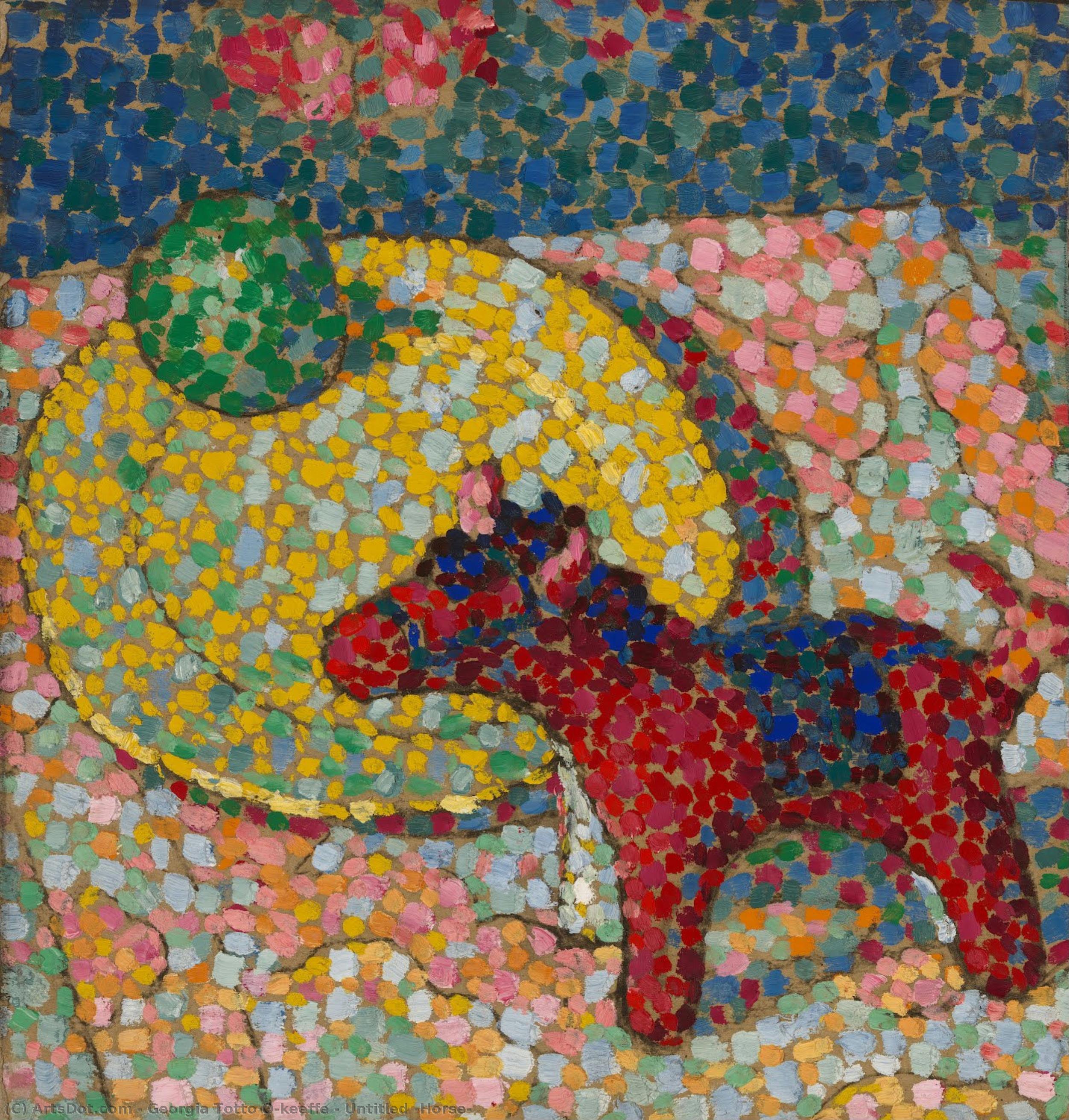
Untitled (Horse)


 Прочетете повече
Ръчно изработена маслена репродукция
Ръчно рисувана маслена картина върху платно във вашия размер и рамка, изработена по поръчка от нашите художници. ( Купете принт Купете изображение)




P118B $10

P118H $10

P118W $10

P438Z $10

P508JH $12

P508YH $12

P805H $10

P805Z $10

P919BZ $10

P919G $10

P919XJ $10

P959ZH $10

P968JZ $12

W106C $8

W218G $10

W218JH $8

W218Y $10

W307PJ $10

W316G $10

W316PJ $8

W316Y $10

W398PJ $8

W4111J $10

W500HY $15

W500JH $15

W692G $12

W849H $8

W940BG $15

W953PJ $8




Изберете от предварително зададените размери, които съответстват на оригиналните пропорции на произведението.

Можете да въведете свои собствени размери, за да пасне на конкретна рамка или пространство. Ако избраният от вас размер не съответства на пропорциите на оригиналното изображение, ние ще изрежем произведението или ще удължим картината с допълнителни ръчно рисувани елементи. Дигитален макет ще бъде изпратен за ваше одобрение преди започване на производството.
Моля, обърнете внимание, че прегледът на екрана не отразява действителното изрязване или разширяване. Само макетът ще покаже точно финалния състав.
Въпреки че са налични персонализирани размери, препоръчваме да изберете размер от предварително дефинирания списък, за да запазите оригиналните пропорции.
След поръчка, екипът на OriginalUniqueArt.com ще изпрати имейл на клиента за инструкции и ще предостави преглед на макет.
Доставка по целия свят () в рамките на 3/4 седмици вместо стандартните 5 седмици. (21 Август). Без компромис с качеството.

Безплатна експресна доставка по целия свят

Висококачествено ленено платно

Пълно застраховане при доставка

Гаранция за възстановяване на митнически такси

Гаранция за цветова точност

60-Дневен период за връщане (Само при дефекти)

100% Гаранция за връщане на парите

Предложение за отстъпка при поръчка на едро
 Стъклото е налично само в размери под 110 см

Untitled (Horse)
Репродукционен метод
Размер на репродукцията
-


Обща цена
$ 300
Описание на произведението
Georgia O’Keeffe: A Pioneer of American Modernism
Georgia Totto O'Keeffe (November 15, 1887 – March 6, 1986) stands as an enduring icon of American modernism—a painter whose singular vision reshaped the landscape of art and captivated audiences worldwide. Born in Sun Prairie, Wisconsin, into a family deeply rooted in dairy farming, O’Keeffe's artistic journey began early, fueled by a conviction that her life would be dedicated to creative expression. This determination blossomed through formative lessons with local watercolorist Sara Mann and continued at the School of the Art Institute of Chicago (1905-1906) and subsequently at the University of Virginia, where she encountered Arthur Wesley Dow’s revolutionary principles—a deliberate rejection of academic realism in favor of a harmonious blend of color and line. Dow's influence proved pivotal, steering O’Keeffe toward a deeply personal aesthetic that would characterize her prolific career.- Early Influences: Dow’s teachings emphasized intuitive observation and expressive abstraction, prioritizing feeling over meticulous detail—a departure from the prevailing artistic conventions of the time.
- Formal Training: Her studies at Chicago and Virginia provided a foundational understanding of artistic techniques and broadened her intellectual horizons.
- The Dow Connection: This connection cemented O’Keeffe's commitment to forging her own path, prioritizing emotional resonance above stylistic imitation.
The Birth of Distinctive Style
O’Keeffe’s breakthrough came in 1915 when she embraced the teachings of Arthur Wesley Dow and began experimenting with charcoal drawings—a pivotal moment that signaled the genesis of her distinctive style. These early works demonstrated a remarkable sensitivity to texture and form, foreshadowing the monumental scale and evocative imagery that would define her future paintings. Notably, she was profoundly impacted by Stieglitz’s encouragement to explore abstraction, recognizing its potential to convey profound emotional truths. This embrace of simplification and tonal variation—techniques honed during her time at Chatham Hall—would become hallmarks of her artistic practice.- Dow's Philosophy: Dow championed a method that prioritized color harmony and line energy, rejecting representational accuracy in favor of conveying mood and emotion.
- Chatham Hall Experiments: Her explorations with charcoal solidified her understanding of expressive drawing—a skill she would carry throughout her artistic life.
- Stieglitz's Patronage: Alfred Stieglitz’s unwavering belief in O’Keeffe’s talent and his willingness to champion her work proved instrumental in establishing her reputation as a visionary artist.
Iconic Landscapes and Floral Visions
O’Keeffe’s artistic output is overwhelmingly dominated by landscapes—particularly those found in New Mexico, where she established a permanent residence in 1949. These paintings are characterized by their monumental scale, meticulous attention to detail, and vibrant color palettes—a deliberate strategy designed to immerse the viewer in the sensory experience of the natural world. Her depictions of cacti, mesas, and desert vistas capture not merely visual beauty but also an underlying sense of solitude and contemplation. Simultaneously, O’Keeffe achieved unparalleled renown for her flower paintings—close-ups of blossoms rendered with astonishing precision and imbued with palpable emotion. Works like “Red Canna” and “Jimson Weed/White Flower No. 1” are celebrated for their bold abstraction and suggestive symbolism—interpretations that have sparked considerable debate among art historians and critics alike.- New Mexico Inspiration: The arid landscapes of New Mexico served as a constant source of inspiration, informing O’Keeffe's compositional choices and color palettes.
- Floral Symbolism: Her flower paintings are laden with symbolic meaning—representing fertility, femininity, and the transformative power of nature.
- Monumental Scale: The sheer size of her canvases contributes to their immersive quality, inviting viewers to contemplate the grandeur and subtlety of the natural world.
Legacy and Enduring Influence
Georgia O’Keeffe's artistic legacy extends far beyond her individual paintings—she fundamentally altered perceptions of American art and cemented herself as a champion of modernist aesthetics. Her unwavering commitment to personal expression, coupled with her masterful command of technique and color, continues to inspire artists and collectors today. The Georgia O’Keeffe Museum in Santa Fe stands as testament to her enduring influence—a repository of her extraordinary oeuvre and a beacon for fostering appreciation for American modernism's profound contribution to the visual arts. Her work remains profoundly relevant, prompting ongoing discussions about art history, symbolism, and the role of abstraction in conveying emotion and experience.Биография на художника
Early Life and Artistic Foundations
Georgia Totto O’Keeffe, a name synonymous with American modernism, emerged from the unassuming landscape of Sun Prairie, Wisconsin, in 1887. Born into a family of Irish and Hungarian descent engaged in dairy farming, young Georgia displayed an artistic inclination early on, deciding by age ten that she would dedicate her life to art. This determination was nurtured through lessons with local watercolorist Sara Mann, followed by formal studies at the School of the Art Institute of Chicago from 1905 to 1906 and later at the University of Virginia. However, it was her encounter with Arthur Wesley Dow’s principles – emphasizing personal expression and a harmonious balance of color and line – that truly ignited her artistic path. Dow's teachings steered O’Keeffe away from strict realism toward a more subjective and emotionally resonant approach to art, an approach that would define her career. These formative years weren’t without their challenges; periods of illness and dissatisfaction led her to temporarily abandon painting, but the creative impulse always drew her back, evolving with each new experience and influence. The stark beauty of the Wisconsin countryside, combined with a strong family legacy, provided a grounding for her future explorations of form and color.New York and the Stieglitz Circle
A pivotal moment arrived in 1916 when O’Keeffe’s abstract charcoal drawings were discovered by Alfred Stieglitz, a renowned photographer and art dealer. He exhibited her work without her prior knowledge, sparking a dialogue that would profoundly shape both their lives and the course of American art. Stieglitz recognized an exceptional talent in O’Keeffe, one that resonated with his own modernist sensibilities. He invited her to New York City in 1918, providing not only professional support but also fostering a deep personal connection. Their relationship blossomed into marriage in 1924, creating a dynamic artistic partnership and intellectual exchange. Stieglitz championed O’Keeffe’s work, showcasing it at his gallery “291” and promoting her as a leading figure in the American avant-garde. During this period, she began to develop her signature style – bold, simplified forms and intensely saturated colors – initially expressed through depictions of New York skyscrapers and, most famously, magnified flower paintings. These floral works, often interpreted (though consistently denied by O’Keeffe herself) as veiled representations of female anatomy, challenged conventional notions of beauty and sexuality in art. Stieglitz's influence was immense, shaping her career trajectory and introducing her to a wider audience.The Allure of the Southwest
While New York provided a crucial platform for her early success, it was the landscapes of the American Southwest that truly captured O’Keeffe’s imagination and profoundly influenced her artistic vision. Her first visit to New Mexico in 1929 marked the beginning of a lifelong love affair with the region's stark beauty, vibrant colors, and unique cultural heritage. The vastness of the desert, the dramatic rock formations, and the ancient Pueblo architecture resonated deeply within her, inspiring a new series of paintings that reflected the spirit of the land. Works like *Cow’s Skull: Red, White, and Blue* (1931) and *Summer Days* (1936) are powerful testaments to this influence, transforming seemingly mundane objects into iconic symbols of the American West. She spent increasing amounts of time in New Mexico, establishing a home and studio in Abiquiú that became integral to her artistic process and identity. This period saw a shift towards larger-scale works, reflecting the grandeur of the landscape and her growing sense of connection to the region.Style and Legacy
O’Keeffe's style evolved dramatically over her long career. Initially influenced by realism and Impressionism, she gradually embraced abstraction, exploring simplified forms, bold colors, and a unique perspective on everyday objects. Her flower paintings, in particular, became synonymous with her name, capturing the essence of their beauty through close-up views and intense color palettes. However, O’Keeffe resisted easy categorization, continually pushing the boundaries of her art and refusing to be defined by any single movement. She was a pioneer in American modernism, challenging traditional notions of femininity in art and asserting her own independent voice. Her work continues to inspire artists today, demonstrating the power of observation, personal expression, and a deep connection to the natural world. The Georgia O’Keeffe Museum in Santa Fe stands as a testament to her enduring legacy, preserving her art and providing a space for ongoing scholarship and appreciation. O'Keeffe remains one of the most significant figures in American art history, celebrated for her innovative vision and unwavering commitment to her craft.
Джорджа О’Кърти
1887 - 1986 , Съединени американски щати
Бързи факти
- Artistic Movement Or Style: Модернизъм, Преционизъм
- Artists Or Movements Influenced By This Artist: ['Стиглиц']
- Artists Who Influenced This Artist:
- Артур Доу
- Алфред Стиглиц
- Date Of Birth: 15 ноември 1887
- Date Of Death: 6 март 1986
- Full Name: Georgia Totto O'Keeffe
- Nationality: Американка
- Notable Artworks:
- Червен канарчът
- Глава на добиче
- Летни дни
- Place Of Birth: Сън Прий, САЩ
Всички статии

Топ 10 шедьовъра на абстрактния експресионизъм – изкуство за вашия дом от OriginalUniqueArt.com
Разгледайте топ 10 шедьовъра на абстрактния експресионизъм – Полък, Ротко, де Кунинг и други. Открийте историите зад тези емблематични картини и преобразете дома си с изкуство от OriginalUniqueArt.com! Разгледайте пълната колекция онлайн.

Beyond Representation: Exploring the Emotional Landscape of Abstract Expressionism
Explore the profound emotional world of Abstract Expressionism with OriginalUniqueArt. Discover key artists like Pollock & Rothko, learn about collecting, and find museum-quality reproductions to inspire your space.

Топ 25 шедьоври на Василий Кандински: Абстрактно изкуство за вашия дом | OriginalUniqueArt.com
Разгледайте топ 25 шедьоври на Василий Кандински – пионер на абстрактното изкуство и експресионизма. Открийте историите зад цветните композиции, техниките и вдъхновението му. Купете висококачествени репродукции на картини Кандински за вашия дом на OriginalUniqueArt.com!

Georgia O'Keeffe: Redefining Modernism Through Symbolism & the American Landscape
Explore the captivating world of Georgia O'Keeffe! Discover her groundbreaking flower paintings, New Mexico landscapes & lasting impact on American Modernism. Expert analysis and insights.

Топ 10 шедьовъра на геометричната абстракция за Вашия дом | OriginalUniqueArt.com
Разгледайте топ 10 шедьовъра на геометричната абстракция – Кандински, Мондриан и други! Открийте историите зад тези емблематични картини и добавете елегантност към дома си с репродукции от OriginalUniqueArt.com. Разгледайте пълната колекция онлайн!



