 Преглед в реален мащаб
 Изпрати
 Сподели
 Детайли
 Ръководство

 Изтегляне
 Подобни артикули
 Рентгенова снимка
 Слайдшоу
 Въпроси и отговори
 Статистика
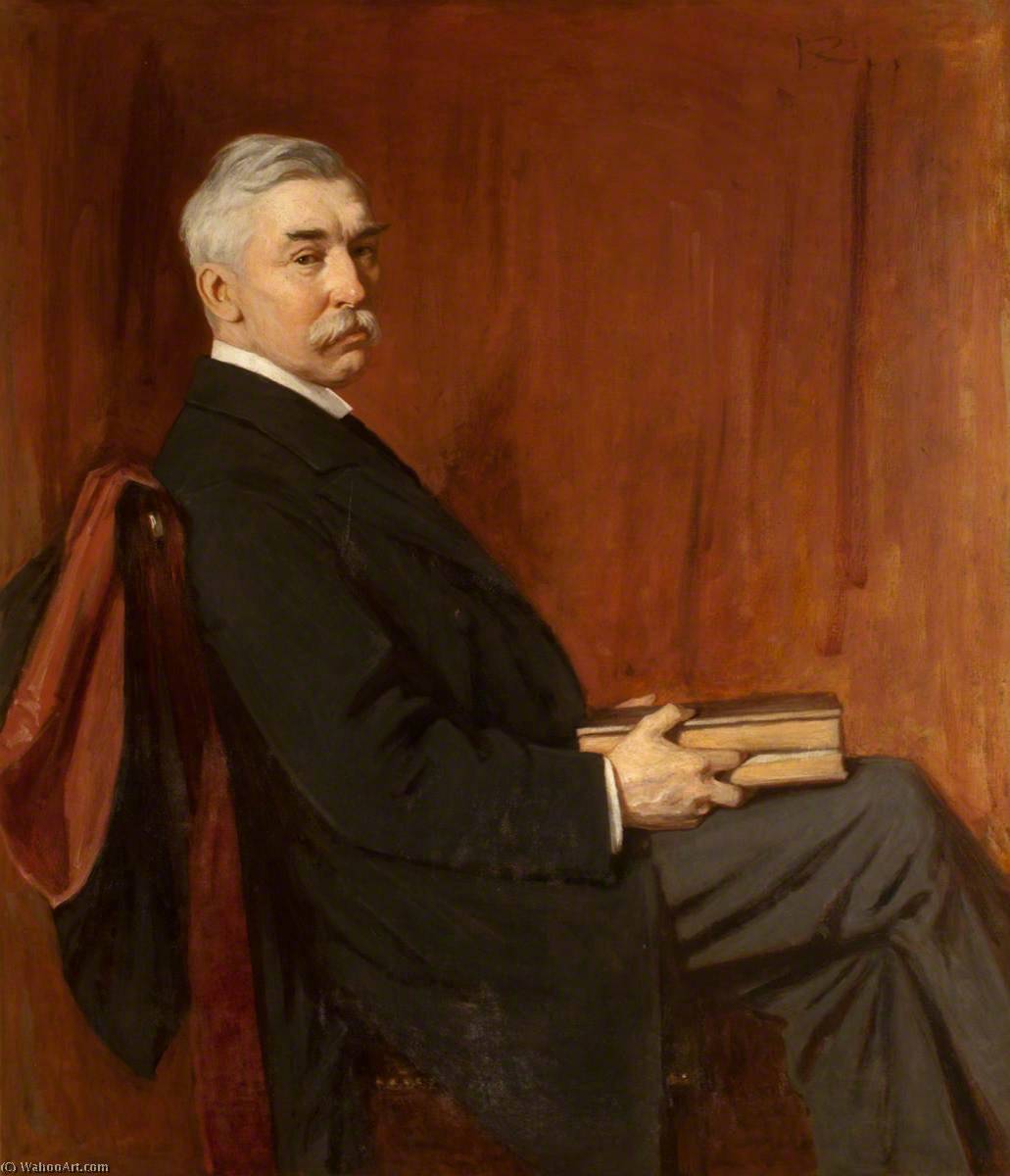
Sir John Sibbald

- 122.0 x 107.0 cm


 Прочети повече
Жикле / Художествен принт
Giclée печат или принт върху платно с музейно качество, бързо производство и гъвкави опции за завършен вид. ( Купете ръчно рисувана картина Превключване към дигитално изображение)




P118B €10

P118H €10

P118W €10

P438Z €10

P508JH €12

P508YH €12

P805H €10

P805Z €10

P919BZ €10

P919G €10

P919XJ €10

P959ZH €10

P968JZ €12

W106C €8

W218G €10

W218JH €8

W218Y €10

W307PJ €10

W316G €10

W316PJ €8

W316Y €10

W398PJ €8

W4111J €10

W500HY €15

W500JH €15

W692G €12

W849H €8

W940BG €15

W953PJ €8




Изберете от нашите предварително зададени размери, които съответстват на оригиналните пропорции на произведението.

Въведете необходимата ширина и височина, за да паснат на вашата рамка или стена. Принтовете могат само да се изрязват, но никога не могат да бъдат по-големи от оригиналната картина, така че при размер с различен формат част от изображението ще бъде загубена. Преди да започнем печат, ще ви изпратим дигитален мок업 за одобрение. Изображението, показано на тази страница, не показва реалното изрязване — само мок업ът го показва.
Доставка по целия свят () в рамките на 2 седмици вместо стандартните 4/5 седмици. (4 Ноември)

Безплатна експресна доставка по целия свят

Висококачествено ленено платно

Пълно застраховане на доставката

Гаранция за възстановяване на митнически такси

Гаранция за пълно съответствие на цветовете

Политика за връщане в рамките на 100 дни (само при дефекти)

100% Гаранция за връщане на сумата

Оферта за отстъпка при поръчка на повече бройки
 Опцията със стъкло е налична само за размери под 110 см

Sir John Sibbald
Жикле / Художествен принт
Размер на репродукцията
-


Обща цена
€ 72
A Portrait of Dignity: The Soul of Sir John Sibbald
In the quiet, commanding presence of George Agnew Reid’s Sir John Sibbald, one finds more than just a mere likeness of a man; one encounters a profound meditation on character and intellectual legacy. Completed around 1893, this masterful oil on canvas serves as a window into the Victorian era's reverence for authority, wisdom, and moral fortitude. The subject, Sir John Sibbald—a distinguished physician and Fellow of the Royal College of Physicians of Edinburgh—is captured not in a moment of action, but in a state of contemplative repose. As he sits before a subtle, deep red backdrop, his very posture radiates a sense of settled importance, inviting the viewer to pause and reflect upon the weight of a life dedicated to science and service.
Reid, an artist whose roots were planted in the pastoral landscapes of Ontario but whose hands were trained in the rigorous academic traditions of Philadelphia, brings a unique duality to this work. There is a palpable tension between the meticulous, almost scientific precision of his realism and a soft, atmospheric warmth that breathes life into the canvas. The way the light catches the silvered strands of Sibbald’s beard and the gentle furrow of his brow suggests an intimacy that transcends the formal boundaries of traditional portraiture. For the collector or the lover of fine art, this piece offers a rare opportunity to possess a fragment of Canadian artistic heritage, rendered with a sensitivity that makes the subject feel both monumental and deeply human.
Mastery of Light and Texture
The technical brilliance of Sir John Sibbald lies in Reid’s sophisticated use of glazing and tonal variation. To gaze upon the painting is to witness a masterclass in the art of realism. The artist employed thin, translucent layers of oil paint—a technique known as glazing—to build up a luminous depth that seems to glow from within. This method allows light to penetrate the surface, illuminating the subtle textures of Sibbald’s dark formal suit and the crisp, stark white of his shirt. Such attention to detail creates a breathtaking illusion of three-dimensionality, making the fabric appear heavy and tactile, as if one could reach out and feel the weave of the cloth.
Beyond the physical textures, Reid utilizes light to direct the emotional narrative of the piece. The soft gradient of the background, transitioning from deep shadows to a warmer, muted crimson, focuses all attention upon the subject's face and hands. This careful manipulation of chiaroscuro—the contrast between light and dark—imbues the portrait with a sense of drama and solemnity. For interior designers seeking to anchor a room with a piece of commanding presence, the painting’s balanced composition and rich, tonal palette provide an unparalleled sense of sophistication and timelessness.
Symbolism and the Legacy of Knowledge
Every element within this portrait has been carefully curated by Reid to communicate the essence of his subject. The inclusion of a book held firmly yet naturally in Sibbald’s hands is far from incidental; it serves as a powerful symbol of scholarship, erudition, and the pursuit of truth. In an age where professional identity was inextricably linked to one's intellectual contributions, the book acts as a silent testament to the physician's devotion to the medical arts. This symbolic layer elevates the painting from a simple biographical record to a tribute to the enduring power of human knowledge.
The overall emotional impact of the work is one of profound stability and grace. In an ever-changing world, there is a deep, aesthetic comfort in encountering such a steadfast representation of character. Whether displayed in a private study, a grand library, or a curated gallery space, Sir John Sibbald acts as a focal point of quiet strength. It is a piece that does not merely decorate a wall; it enriches the atmosphere of a home, offering a continuous dialogue between the historical dignity of the past and the refined elegance of the present.
Въпроси и отговори
Кой е създал "Sir John Sibbald" и в какъв стил е изработено?
"Sir John Sibbald" е създадена от George Reid в стила на Contemporary Realism. Художникът и художественото направление определят традицията на произведението.
С какви други имена е известен/а George Reid?
Други известни имена на George Reid, създателя на „Sir John Sibbald“, включват Г.А. Рийд.
С каква техника е изпълнено „Sir John Sibbald“ на George Reid?
Техниката на „Sir John Sibbald“ на George Reid е Oil On Canvas. Репродукциите са предназначени да предадат визуалния ефект на тази техника.
Биография на художника
Early Life and Artistic Foundations
George Agnew Reid emerged from the fertile landscapes of rural Canada West, born in 1860 in Wingham, Ontario – a place that would indelibly shape his artistic vision. His beginnings were far removed from formal art training; instead, he was steeped in the rhythms of farm life – a setting he’d later revisit with poignant detail and emotional depth in his paintings. Though initially hesitant about his son's aspirations, Reid’s father eventually recognized and supported his burgeoning talent, allowing him to pursue studies at the Central Ontario School of Art in Toronto in 1879 under the tutelage of Robert Harris. This foundational period instilled a respect for established techniques and representational art, yet it also ignited within Reid a desire to explore beyond mere imitation – a yearning to capture not just what he saw, but *how* he felt about what he saw. He sought further refinement at Philadelphia’s Pennsylvania Academy of the Fine Arts from 1882 to 1885, where he was profoundly influenced by Thomas Eakins – a master of realism and anatomical accuracy whose dedication to truthful representation became a guiding principle throughout Reid's career. Equally significant during this time was his meeting and subsequent marriage to Mary Hiester Reid, herself a gifted artist; their union forged a lifelong artistic partnership built on mutual respect and creative exchange – a dynamic collaboration that fueled both individual growth and the creation of remarkable works. Reid’s early exposure to art was nurtured by his family's collection of illustrated books and magazines, as well as by his grandfather John Reid and an itinerant bookseller named Jamie Young who provided him with volumes about artistic techniques.A Blossoming Style: Genre Painting and Narrative Depth
Upon returning to Canada, Reid’s artistic focus shifted from portraiture towards genre painting – a style that allowed him to explore the narratives embedded within everyday life. This wasn't merely a change in subject matter; it represented a deepening of his artistic intent. He sought to capture not just scenes, but the *stories* behind them—the struggles, joys, and quiet dignity of ordinary Canadians. The Foreclosure of the Mortgage (1893), a powerful depiction of rural hardship, stands as a landmark achievement in Canadian art – a testament to his ability to translate observation into profound emotional resonance. The painting, depicting a family facing eviction from their farm, is imbued with a palpable sense of loss and vulnerability. Reid masterfully blended the precision he had absorbed during his Parisian academic training with subtle Impressionistic touches—a delicate interplay of light and atmosphere that imbued his canvases with realism and emotional depth. He wasn’t simply recording scenes; he was interpreting them, imbuing them with a psychological complexity that resonated deeply with viewers. His paintings became windows into the lives of ordinary Canadians – particularly those in rural Ontario – offering glimpses into their joys, struggles, and enduring spirit. Reid possessed an exceptional ability to observe and capture the nuances of human emotion, translating these observations onto canvas with remarkable skill. This period saw him create works that weren’t just aesthetically pleasing but also socially conscious, reflecting a growing awareness of the challenges faced by rural communities.Career Highlights and Educational Leadership
Reid's artistic achievements were paralleled by a distinguished career in art education and administration. His election to the Royal Canadian Academy of Arts in 1889 solidified his position within the burgeoning Canadian art community, recognizing his contributions and influence. However, perhaps his most significant contribution lay in his role as Principal of the Central Ontario School of Art and Design (later OCAD University) from 1912 to 1918. During this period, he spearheaded crucial reforms, shaping the institution into a leading center for artistic training in Canada – fostering a new generation of Canadian artists. He passionately believed in the power of art education to nurture creativity and foster a vibrant cultural landscape. Beyond his administrative duties, Reid continued to produce significant works, including murals and commissioned pieces for public buildings—most notably contributing to the decoration of Toronto’s third City Hall. His architectural interests were also evident, reflecting an appreciation for the Arts and Crafts movement – a desire to integrate beauty and functionality in design.Notable Works
- Spynie Castle and Loch, Moray (1866): A captivating Scottish landscape painting showcasing dramatic light and detail.
- Mrs Alexander Hay Moncur (1887): A stunning Victorian portrait exhibiting rich detail and luxurious elegance.
- John Ritchie Findlay of Aberlour (1899): An academic realist portrait capturing wisdom and experience.
- The Foreclosure of the Mortgage (1893): A poignant depiction of rural hardship, considered a landmark achievement in Canadian art.
Legacy and Lasting Influence
George Agnew Reid’s legacy extends far beyond his individual paintings; he was a catalyst for change within the Canadian art world – fostering a distinctly national artistic identity while simultaneously embracing international influences. His mentor, Thomas Eakins, instilled in him a commitment to realism and anatomical accuracy, while his time in Paris exposed him to the innovative techniques of Impressionism—elements that he skillfully integrated into his own unique style. He played a crucial role in establishing a visual language that reflected the Canadian experience, depicting Ontario landscapes and rural life with both sensitivity and authenticity. As an educator and administrator, Reid nurtured generations of Canadian artists, shaping the future of art education within the country. His artworks continue to be held in esteemed public and private collections across Canada – including the Art Gallery of Ontario and the National Gallery of Canada – a testament to their enduring artistic merit and historical significance. He died in 1947, leaving behind a body of work that continues to captivate and inspire, solidifying his place as one of Canada’s most important and influential artists. His ability to combine academic rigor with emotional depth created works that resonate with viewers on a profound level – reflecting the social realities of his time and offering enduring insights into the human condition.
George Reid
1860 - 1947 , Канада
Бърза информация
- Artistic Movement Or Style: Жанров реализъм
- Artists Or Movements Influenced By This Artist: ['Канадски художници']
- Artists Who Influenced This Artist: ['Томас Ейкинс']
- Date Of Birth: 25 юли 1860
- Date Of Death: 23 август 1947
- Full Name: George Agnew Reid
- Nationality: Канадец
- Notable Artworks:
- Предоставяне на ипотека
- Спайнс Каസിൽ и Лох
- Г-жа А.Х. Монкур
- Place Of Birth: Уиндъм, Канада
Свързани статии

Жорж Брак: Топ 25 шедьовъра на кубизма за вашия дом | OriginalUniqueArt.bg
Разгледайте топ 25 шедьовъра на Жорж Брак – пионер на кубизма! Открийте историите зад неговите иновативни картини, техники и цветове. Купете висококачествени репродукции за вашия дом в OriginalUniqueArt.com.

Топ 25 шедьовъра на сър Джошуа Рейнолдс: Портрети, история и изкуство за вашия дом
Разгледайте топ 25 шедьовъра на сър Джошуа Рейнолдс – английски портрети, рококо и неокласицизъм. Историята зад всяка картина, техниките и емоциите. Купете висококачествени репродукции за вашия дом на OriginalUniqueArt.com!

Топ 25 шедьовъра на Жорж Сера: Изкуство, светлина и декоративни решения от OriginalUniqueArt
Разгледайте топ 25 шедьовъра на Жорж Сера – пионер на импресионизма и постимпресионизма. Открийте историите зад картините, точковия метод и chromoluminarism. Купете луксозни репродукции на изкуството онлайн в OriginalUniqueArt.com.

Джон Сингър Сарджент: 25 шедьовъра за вашия дом | OriginalUniqueArt.com
Разгледайте 25 шедьовъра на Джон Сингър Сарджент – импресионистични портрети, елегантни дами и исторически сцени. Вдъхновете се за вашия дом! Луксозни репродукции на картини в OriginalUniqueArt.com.

George Agnew Reid: A Canadian Impressionist's Pursuit of Light, Colour, and National Identity
Explore the life & work of George Agnew Reid, a pivotal figure in Canadian Impressionism. Discover his genre paintings, mural commissions, and lasting influence on art education & national identity. A comprehensive guide for collectors & enthusiasts.


