
 Представи си го
 Изпрати
 Сподели
 Детайли

 Изтегляне
 Подобни
 Рентгенова снимка
 Слайдшоу
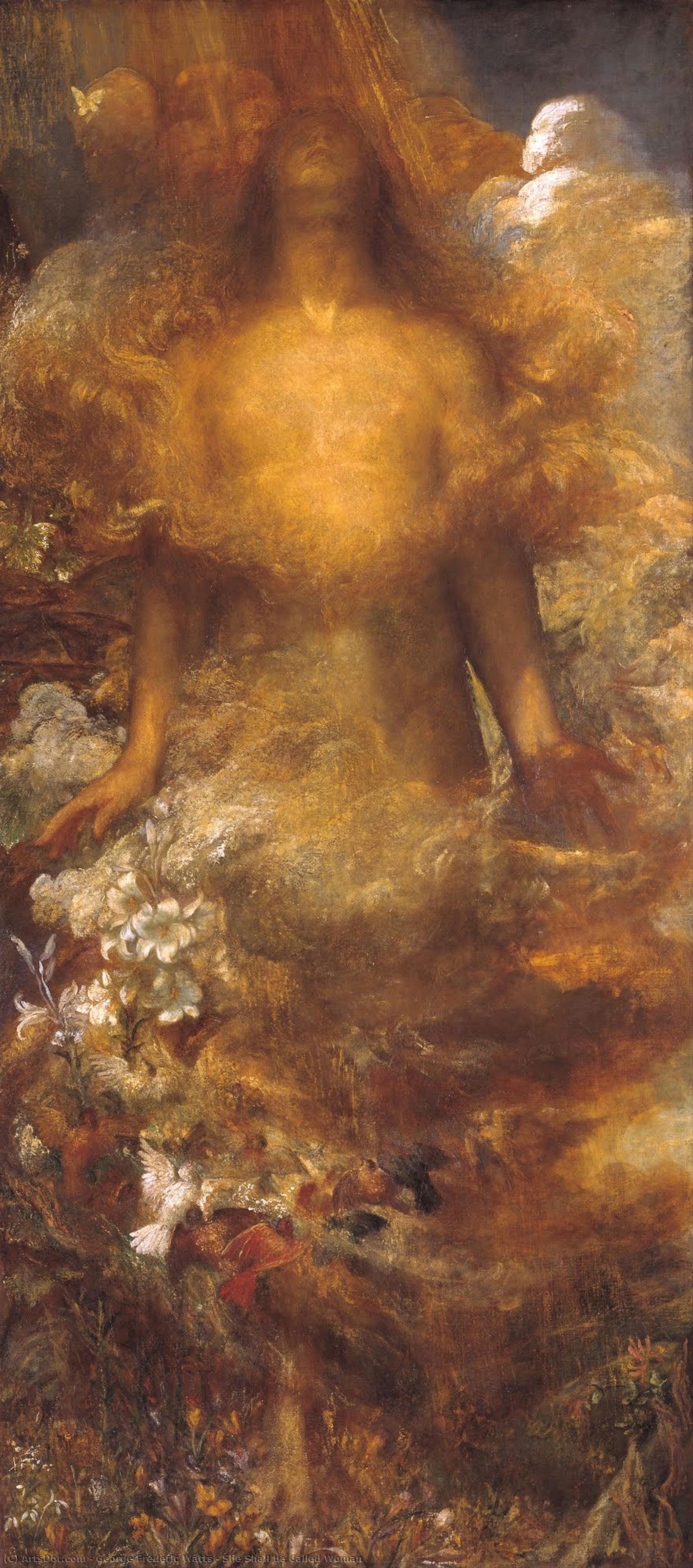
She Shall be Called Woman
 Oil On Canvas
- WallArt
- Symbolist Movement
 1880
1880- 19th Century
 116.0 x 257.0 cm
 Tate Britain
 Прочетете повече
Ръчно изработена маслена репродукция
Ръчно рисувана маслена картина върху платно във вашия размер и рамка, изработена по поръчка от нашите художници. ( Купете принт Купете изображение)




P118B $10

P118H $10

P118W $10

P438Z $10

P508JH $12

P508YH $12

P805H $10

P805Z $10

P919BZ $10

P919G $10

P919XJ $10

P959ZH $10

P968JZ $12

W106C $8

W218G $10

W218JH $8

W218Y $10

W307PJ $10

W316G $10

W316PJ $8

W316Y $10

W398PJ $8

W4111J $10

W500HY $15

W500JH $15

W692G $12

W849H $8

W940BG $15

W953PJ $8




Изберете от предварително зададените размери, които съответстват на оригиналните пропорции на произведението.

Можете да въведете свои собствени размери, за да пасне на конкретна рамка или пространство. Ако избраният от вас размер не съответства на пропорциите на оригиналното изображение, ние ще изрежем произведението или ще удължим картината с допълнителни ръчно рисувани елементи. Дигитален макет ще бъде изпратен за ваше одобрение преди започване на производството.
Моля, обърнете внимание, че прегледът на екрана не отразява действителното изрязване или разширяване. Само макетът ще покаже точно финалния състав.
Въпреки че са налични персонализирани размери, препоръчваме да изберете размер от предварително дефинирания списък, за да запазите оригиналните пропорции.
След поръчка, екипът на OriginalUniqueArt.com ще изпрати имейл на клиента за инструкции и ще предостави преглед на макет.
Доставка по целия свят () в рамките на 3/4 седмици вместо стандартните 5 седмици. (21 Август). Без компромис с качеството.

Безплатна експресна доставка по целия свят

Висококачествено ленено платно

Пълно застраховане при доставка

Гаранция за възстановяване на митнически такси

Гаранция за цветова точност

60-Дневен период за връщане (Само при дефекти)

100% Гаранция за връщане на парите

Предложение за отстъпка при поръчка на едро
 Стъклото е налично само в размери под 110 см

She Shall be Called Woman
Репродукционен метод
Размер на репродукцията
-


Обща цена
$ 300
Описание на произведението
The Enigmatic Figure: A Portrait of Quiet Strength
George Frederic Watts’ “She Shall be Called Woman,” painted circa 1875-92, is not a portrait in the conventional sense. It's an arresting study in stillness and profound contemplation, capturing a woman seemingly lost within her own thoughts. The figure, rendered with a deliberate lack of explicit detail – her face obscured by a veil of dark hair – immediately invites speculation and projection. She stands bathed in a diffused light, reminiscent of a northern sky, suggesting both vulnerability and an inner resilience. The composition is carefully balanced; the verticality of her form contrasts subtly with the horizontal sweep of the landscape behind her, creating a sense of groundedness despite the ethereal quality of the scene.
Watts’ masterful use of oil paint allows for a remarkable depth of texture and color. The muted palette – predominantly blues, greens, and browns – evokes a mood of melancholy and introspection. Notice how he builds up layers of pigment to create subtle gradations in tone, particularly around the folds of her dress and the suggestion of foliage behind her. This technique isn’t merely decorative; it contributes significantly to the painting's overall sense of atmosphere and emotional resonance.
A Symbolist Vision: Echoes of Myth and Philosophy
“She Shall be Called Woman” firmly establishes Watts as a key figure within the Symbolist movement, a European artistic current that flourished in the late 19th century. Rejecting the realism and materialism prevalent in much of 19th-century art, Symbolists sought to express inner states of mind, spiritual truths, and mythological themes through evocative imagery and suggestive forms. This painting is deeply rooted in this philosophy; it’s less about depicting a specific individual and more about embodying an abstract concept – womanhood itself.
The veiled face, a recurring motif in Watts' work, symbolizes the hidden depths of the female psyche, the mysteries that lie beneath the surface. The landscape behind her is not merely a backdrop but a symbolic representation of the inner world—a suggestion of nature’s wisdom and the cyclical rhythms of life. Watts drew heavily on classical mythology and philosophy for inspiration, particularly Plato's concept of the “Allegory of the Cave,” which explores the journey from ignorance to enlightenment. The woman in this painting can be interpreted as a figure emerging from darkness into a realm of greater understanding.
Historical Context: Victorian Sensibilities and Spiritual Yearning
To understand "She Shall be Called Woman," it’s crucial to consider the social and intellectual climate of Victorian England. The era was marked by rapid industrialization, social upheaval, and a growing sense of spiritual unease. Many Victorians felt alienated from the materialism of the age and yearned for something more meaningful—a connection to nature, spirituality, and the timeless values of antiquity. Watts’ art reflects this yearning, offering a refuge from the anxieties of modern life.
Watts himself was deeply influenced by his travels in Italy, where he encountered the works of Michelangelo and Giotto, which profoundly shaped his artistic vision. His interest in classical mythology and philosophy further informed his work, leading him to explore themes of beauty, truth, and the human condition with a profound sensitivity.
Emotional Resonance: A Portrait of Inner Strength
Despite her obscured features, “She Shall be Called Woman” radiates an undeniable sense of strength and dignity. The painting’s power lies not in its literal depiction but in its ability to evoke a feeling—a quiet contemplation, a profound awareness of the mysteries of existence. It's a portrait that invites viewers to project their own hopes, fears, and aspirations onto the figure, creating a deeply personal and resonant experience.
Reproductions of this iconic work offer an opportunity to bring Watts’ evocative vision into any space, serving as a reminder of the enduring power of art to illuminate the human spirit. Consider framing it in a manner that complements its muted palette and contemplative mood – perhaps against a neutral wall or within a room filled with natural light.
Биография на художника
ранен живот и образование
джордж фредерик уотс, забележителна фигура в символистското движение, е роден на 23 февруари 1817 г. в мейърлебон, лондон. Ранният му живот е белязан от крехко здраве и загубата на майка му в ранна възраст. Бащата на уотс, производител на пиано, му осигурява консервативно християнско образование и го запознава с класическата литература, включително „Илиада“. Това класическо влияние по-късно се превръща в крайъгълен камък на неговия артистичен стил.кариера
уотс започва своето художествено пътешествие на 10 години, изучавайки скулптура под ръководството на уилям бехнес. По-късно, на 18 години, той се записва като ученик в королевната академия по изкуства. Невата първа изложба в академията през 1837 г. бележи началото на неговата плодотворна кариера.- „карактакус“, рисунка, предадена за конкурс за проектиране на стенописни картини за новите сгради на парламента, носи на уотс първа награда през 1843 г.
- последвалите му пътувания до италия (1843-1847) и връзката му с британския посланик хенри фокс повлияват на неговия стил, както се вижда в неговия портрет на лейди холанд, експониран през 1848 г.
- връщането на уотс в британските острови води до поръчка за фреска в сградата на парламента, която той завършва между 1848 и 1853 г.
символистски шедьоври
най-известните творби на уотс включват:- „надежда“ и „любов и живот“, предназначени да бъдат част от епичен символичен цикъл, наречен „домът на живота“.
- „триумфът на рицаря с червения кръст (от феичната кралица)“, завършен през 1852-53 г., демонстрира неговото майсторство в алегоричните сюжети.
- неговият портрет на актрисата елен тери, написан през 1864 г., е пример за способността му да улавя същността на своите герои.
наследство
влиянието на уотс върху света на изкуството е неоспоримо. неговата причастност към символистското движение и иновативното му използване на цвят и форма го превръщат в обичана фигура в историята на британската живопис. разгледайте творбите на джордж фредерик уотс на OriginalUniqueArt.comмузеи, представящи творбите на уотс
- линкълнс ин, включващ неговата фреска „правосъдие, полукръг от законодатели“.
- галерия уотс – село на художниците в гилдфорд, великобритания, посветена на съхраняването на творбите на уотс и други художници.

Джордж Фредерик Уотс
1817 - 1904 , Великобритания
Бързи факти
- Artistic Movement Or Style: Символизъм
- Artists Or Movements Influenced By This Artist: ['Прерафаелити']
- Artists Who Influenced This Artist: ['Класика']
- Date Of Birth: 1817 г.
- Date Of Death: 1904 г.
- Full Name: George Frederic Watts
- Nationality: Британски
- Notable Artworks:
- Надежда
- Тriumph of the Red Cross Knight
- Place Of Birth: Лондон, Великобритания
Всички статии

Жорж Брак: Топ 25 шедьовъра на кубизма за вашия дом | OriginalUniqueArt.bg
Разгледайте топ 25 шедьовъра на Жорж Брак – пионер на кубизма! Открийте историите зад неговите иновативни картини, техники и цветове. Купете висококачествени репродукции за вашия дом в OriginalUniqueArt.com.

Топ 25 шедьовъра на Жорж Сера: Изкуство, светлина и декоративни решения от OriginalUniqueArt
Разгледайте топ 25 шедьовъра на Жорж Сера – пионер на импресионизма и постимпресионизма. Открийте историите зад картините, точковия метод и chromoluminarism. Купете луксозни репродукции на изкуството онлайн в OriginalUniqueArt.com.
George Frederic Watts: Symbolism, Spirituality & Victorian Ideal Beauty
Explore the captivating Symbolist art of George Frederic Watts. Discover his allegorical masterpieces, classical influences & spiritual themes. Learn about his legacy and find high-quality reproductions at OriginalUniqueArt.
Frederick Waters Watts: A Victorian Vision of Aestheticism & Spiritual Symbolism
Explore the captivating world of Frederick Watts, a key Victorian painter blending aestheticism & spiritual symbolism. Discover his allegorical masterpieces like 'Hope' and delve into his artistic journey with OriginalUniqueArt.

The Enduring Legacy of Oil on Canvas: Technique, History & Aesthetic Impact
Explore the rich history & techniques of oil painting – from Renaissance masters to Impressionism. Discover pigments, layering methods, and why this timeless medium endures. Expert insights for artists & art enthusiasts.

