
 Представи си го
 Изпрати
 Сподели
 Детайли

 Изтегляне
 Подобни
 Рентгенова снимка
 Слайдшоу
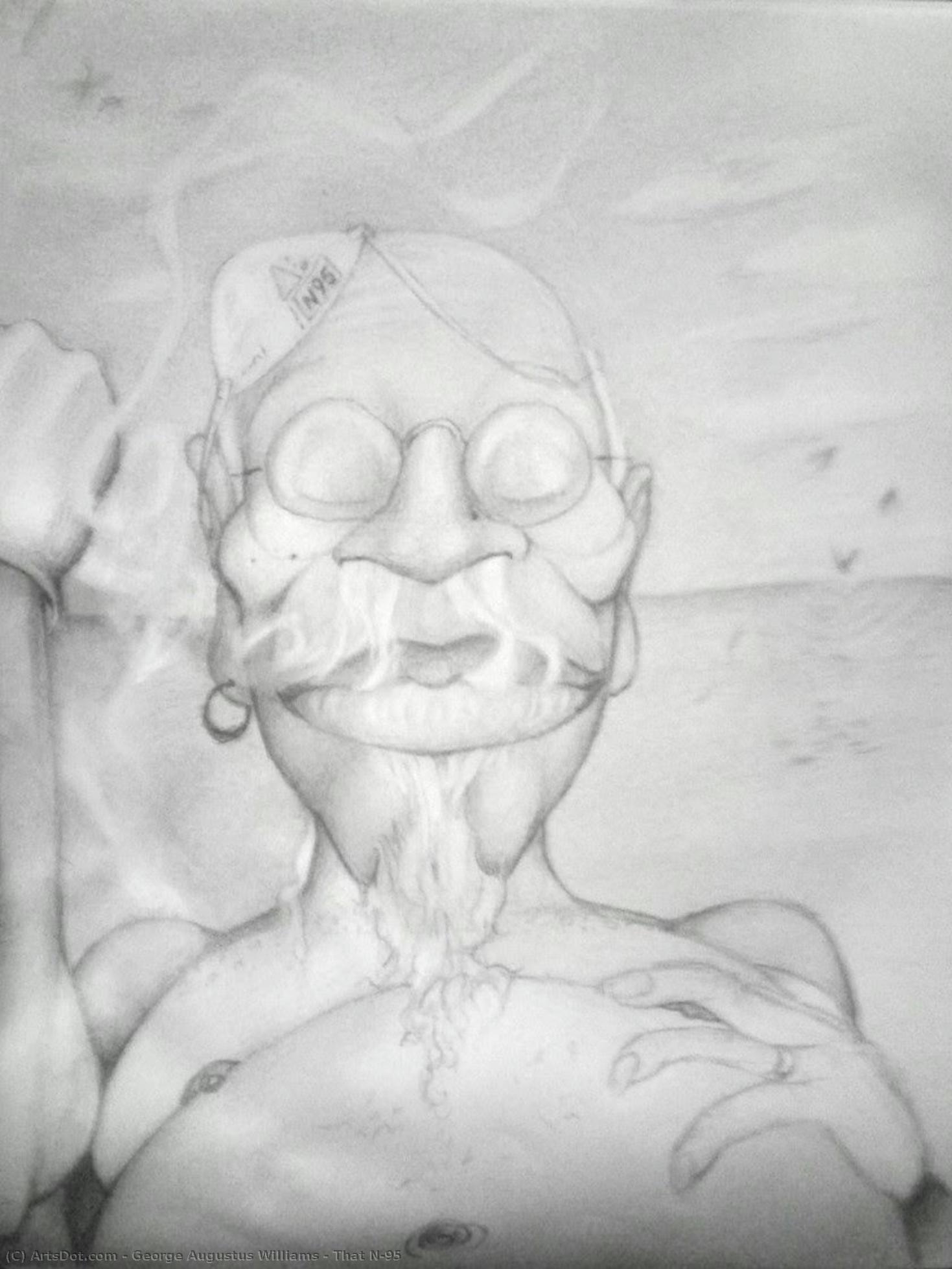
That N-95

 Прочетете повече
Ръчно изработена маслена репродукция
Ръчно рисувана маслена картина върху платно във вашия размер и рамка, изработена по поръчка от нашите художници. ( Превключване към печат Превключване към изображение)




































Изберете от предварително зададените размери, които съответстват на оригиналните пропорции на произведението.

Можете да въведете свои собствени размери, за да пасне на конкретна рамка или пространство. Ако избраният от вас размер не съответства на пропорциите на оригиналното изображение, ние ще изрежем произведението или ще удължим картината с допълнителни ръчно рисувани елементи. Дигитален макет ще бъде изпратен за ваше одобрение преди започване на производството.
Моля, обърнете внимание, че прегледът на екрана не отразява действителното изрязване или разширяване. Само макетът ще покаже точно финалния състав.
Въпреки че са налични персонализирани размери, препоръчваме да изберете размер от предварително дефинирания списък, за да запазите оригиналните пропорции.
След поръчка, екипът на OriginalUniqueArt.com ще изпрати имейл на клиента за инструкции и ще предостави преглед на макет.
Доставка по целия свят () в рамките на 3/4 седмици вместо стандартните 5 седмици. (11 Август). Без компромис с качеството.

Безплатна експресна доставка по целия свят

Висококачествено ленено платно

Пълно застраховане при доставка

Гаранция за възстановяване на митнически такси

Гаранция за цветова точност

60-Дневен период за връщане (Само при дефекти)

100% Гаранция за връщане на парите

Предложение за отстъпка при поръчка на едро
 Стъклото е налично само в размери под 110 см

That N-95
Репродукционен метод
Размер на репродукцията
-


Обща цена
$ 300
Описание на произведението
Биография на художника
George Augustus Williams: A Pioneer of Victorian Landscape Painting
George Augustus Williams (1814 – 1901) stands as a significant figure within the Williams family of painters—a lineage celebrated for its contribution to British landscape art during the Victorian era. Born in London, he descended from Edward Williams (1781-1855), a renowned painter himself, inheriting an artistic tradition that emphasized observation and meticulous detail. Despite lacking formal instruction beyond his father’s guidance, Williams cultivated a distinctive style characterized by serene depictions of Thames river scenes and Welsh landscapes—particularly the dramatic vistas surrounding Dolgelly Estuary. His work gained recognition at the Royal Academy from 1841 onwards, establishing him as a respected artist within the burgeoning Barnes School movement.Early Life & Artistic Influences
Williams’s upbringing instilled in him a deep appreciation for nature and artistic craftsmanship. Growing up amidst a family of artists—including Alfred Walter Williams, Selwyn College and his brothers—provided invaluable exposure to techniques and sensibilities that would shape his oeuvre. Edward Williams's dedication to capturing the beauty of the English countryside served as a formative influence, encouraging George to pursue similar goals with unwavering commitment. The prevailing Romantic aesthetic championed by artists like James Ward and George Morland further fueled Williams’s artistic vision, emphasizing emotional resonance alongside accurate representation.Notable Works & Artistic Style
Williams's paintings exemplify the hallmark qualities of Victorian landscape art: atmospheric perspective, subtle tonal gradations, and a careful attention to textural nuances. He excelled at portraying riverscapes—particularly the Thames—capturing their reflections and conveying the tranquility of riverside life. Similarly, his depictions of Dolgelly Estuary captured the grandeur of Snowdonia National Park, showcasing the rugged beauty of Welsh mountains under moody skies. His canvases often featured luminous moonlight illuminating misty valleys and lakes, reflecting a fascination with capturing fleeting moments of sublime natural splendor. The Barnes School’s emphasis on plein air painting—working directly from nature—clearly resonated with Williams's artistic approach.Career & Recognition
Williams established himself as a prolific artist throughout his lifetime, exhibiting extensively at the Royal Academy and securing commissions for private patrons. His paintings gained considerable acclaim during his time, cementing his reputation as one of Britain’s foremost landscape painters. He was particularly active in promoting the Barnes School movement, fostering collaboration among artists and championing innovative techniques—such as layering glazes to achieve depth and luminosity. The enduring legacy of Williams's work lies not only in its aesthetic beauty but also in its embodiment of Victorian ideals—a reverence for nature alongside a commitment to artistic excellence.Legacy & Historical Significance
George Augustus Williams’s contribution to British landscape painting is undeniable, securing his place within the annals of Victorian art history. His paintings continue to inspire admiration for their masterful execution and evocative portrayal of the English countryside. As a member of the Williams family—a collective celebrated for its artistic lineage—Williams exemplifies the spirit of innovation and dedication that characterized the Barnes School movement. His work serves as a testament to the transformative power of observation, meticulous technique, and an unwavering passion for capturing the sublime beauty of the natural world.
george augustus williams
1814 - 1901
Бързи факти
- Artistic Movement Or Style: Victorian Landscape Art
- Artists Or Movements Influenced By This Artist: ['Williams Family Painters']
- Artists Who Influenced This Artist:
- James Ward
- George Morland
- Date Of Birth: May 4, 1814
- Date Of Death: May 26, 1901
- Full Name: George Augustus Williams
- Nationality: English
- Notable Artworks:
- Frozen Mill Pond
- Near Dolgelly
- Place Of Birth: London, England

