Представи си го
 Изпрати
 Сподели
 Детайли

 Изтегляне
 Подобни
 Рентгенова снимка
 Слайдшоу
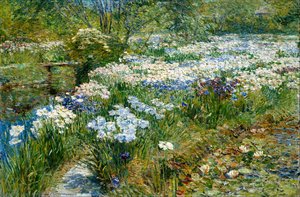
The Spanish Steps, Rome


 Прочетете повече
Ръчно изработена маслена репродукция
Ръчно рисувана маслена картина върху платно във вашия размер и рамка, изработена по поръчка от нашите художници. ( Купете принт Купете изображение)




P118B $10

P118H $10

P118W $10

P438Z $10

P508JH $12

P508YH $12

P805H $10

P805Z $10

P919BZ $10

P919G $10

P919XJ $10

P959ZH $10

P968JZ $12

W106C $8

W218G $10

W218JH $8

W218Y $10

W307PJ $10

W316G $10

W316PJ $8

W316Y $10

W398PJ $8

W4111J $10

W500HY $15

W500JH $15

W692G $12

W849H $8

W940BG $15

W953PJ $8




Изберете от предварително зададените размери, които съответстват на оригиналните пропорции на произведението.

Можете да въведете свои собствени размери, за да пасне на конкретна рамка или пространство. Ако избраният от вас размер не съответства на пропорциите на оригиналното изображение, ние ще изрежем произведението или ще удължим картината с допълнителни ръчно рисувани елементи. Дигитален макет ще бъде изпратен за ваше одобрение преди започване на производството.
Моля, обърнете внимание, че прегледът на екрана не отразява действителното изрязване или разширяване. Само макетът ще покаже точно финалния състав.
Въпреки че са налични персонализирани размери, препоръчваме да изберете размер от предварително дефинирания списък, за да запазите оригиналните пропорции.
След поръчка, екипът на OriginalUniqueArt.com ще изпрати имейл на клиента за инструкции и ще предостави преглед на макет.
Доставка по целия свят () в рамките на 3/4 седмици вместо стандартните 5 седмици. (20 Август). Без компромис с качеството.

Безплатна експресна доставка по целия свят

Висококачествено ленено платно

Пълно застраховане при доставка

Гаранция за възстановяване на митнически такси

Гаранция за цветова точност

60-Дневен период за връщане (Само при дефекти)

100% Гаранция за връщане на парите

Предложение за отстъпка при поръчка на едро
 Стъклото е налично само в размери под 110 см

The Spanish Steps, Rome
Репродукционен метод
Размер на репродукцията
-


Обща цена
$ 300
Описание на произведението
A Snapshot of Roman Life: Frederick Childe Hassam’s “The Spanish Steps”
- Subject: The painting captures the vibrant energy and social life surrounding the iconic Spanish Steps in Rome, Italy – a scene brimming with pedestrians enjoying this historic landmark.
- Artist: Created by the American Impressionist master, Frederick Childe Hassam, born in Boston in 1859, this work exemplifies his fascination with capturing fleeting moments of everyday existence.
- Date: Executed in 1897, “The Spanish Steps” offers a valuable glimpse into the late nineteenth-century perception of Rome and its cultural significance.
Hassam’s “The Spanish Steps” is more than just a picturesque depiction; it's a carefully constructed tableau that speaks to the burgeoning spirit of American Impressionism. Born in Boston, Hassam initially honed his skills as an illustrator, developing a keen eye for detail and composition – qualities he would later translate into his celebrated paintings. Unlike many European artists of the time who sought formal training abroad, Hassam’s artistic development was largely self-directed, fueled by a deep appreciation for the American landscape and urban scenes. This approach is vividly evident in this work, where he doesn't simply record the steps themselves but rather captures the *experience* of being there – the bustle, the conversations, the play of light on stone.
Impressionistic Technique and Light’s Dance
- Style: The painting firmly belongs to the Impressionist movement, characterized by its emphasis on capturing the transient effects of light and color.
- Technique: Hassam employs loose brushstrokes and a broken color palette – hallmarks of Impressionism – to convey a sense of immediacy and vibrancy. Notice how he uses short, rapid strokes to depict the figures and the steps themselves, creating an almost shimmering effect.
- Light & Shadow: The artist masterfully manipulates light and shadow to create depth and dimension, drawing inspiration from the techniques employed by masters like Claude Monet. The incidence of sunlight on the stone creates a dynamic interplay of highlights and shadows, further enhancing the painting’s sense of movement and atmosphere.
Hassam's deliberate use of light is not merely decorative; it serves to evoke an emotional response in the viewer. The bright, warm tones suggest a joyful, optimistic scene – a far cry from the often-grim depictions of urban life prevalent at the time. This focus on capturing the beauty of everyday moments aligns perfectly with the Impressionist movement’s core philosophy: to represent not just what is seen, but how it *feels*.
Symbolism and Historical Context
- Rome: The Spanish Steps themselves are a potent symbol of Roman history, grandeur, and social life.
- Social Commentary: The painting offers a subtle commentary on the growing popularity of travel and leisure among the American middle class in the late 19th century.
Created during a period of significant artistic innovation, “The Spanish Steps” reflects the broader cultural shifts occurring in Europe and America. Hassam’s decision to depict this iconic Roman location – a place already steeped in history and mythology – speaks to his desire to engage with contemporary social trends and capture the spirit of his time. The inclusion of the clock adds an intriguing detail, perhaps suggesting the passage of time and the relentless rhythm of urban life.
Owning a Piece of Impressionist History
Handmade oil painting reproductions of Frederick Childe Hassam’s “The Spanish Steps, Rome” are now available at OriginalUniqueArt, offering art lovers the opportunity to own a stunning piece of art history. These meticulously crafted reproductions capture the essence of Hassam's original work, allowing you to bring this vibrant scene into your home or office. Whether you are an admirer of Impressionism, a collector of American art, or simply seeking a beautiful and evocative artwork, “The Spanish Steps” is sure to captivate and inspire.
Биография на художника
A Pioneer of American Impressionism: The Life and Art of Frederick Childe Hassam
Born in Boston on October 17, 1859, Frederick Childe Hassam emerged as a pivotal figure in the blossoming of American Impressionism. His journey from a childhood inclination towards art to becoming one of the nation’s most celebrated painters is a testament to his dedication and unique vision. Unlike many of his contemporaries who sought extensive formal training in Europe, Hassam largely developed his skills through self-study and practical application, initially working as an illustrator for magazines like *Harper's Weekly* and *Scribner’s Monthly*. This early experience honed his observational skills and instilled a sense of narrative within his compositions—qualities that would remain hallmarks of his style. Though he did eventually travel to Europe in 1886, studying briefly in Paris, it was the American landscape and urban life that truly captured his artistic imagination. He wasn’t simply replicating European techniques; he was adapting them to depict a distinctly *American* experience.
Hassam's early career began with illustration work for prominent magazines. This period provided him with invaluable training in capturing detail, composition, and storytelling – skills that would later inform his paintings of urban scenes and landscapes. He quickly developed a distinctive style, characterized by loose brushstrokes, vibrant colors, and an emphasis on capturing fleeting moments of light and atmosphere. His illustrations were not merely decorative; they possessed a narrative quality, reflecting the spirit of the times.
Early Influences and European Studies
Hassam’s artistic development was significantly shaped by his exposure to various influences. He initially admired the works of J.M.W. Turner, whose atmospheric landscapes demonstrated a masterful use of light and color. This admiration led him to study Turner's techniques extensively, which profoundly impacted his approach to painting. His travels to Europe in 1886 proved transformative. While he spent time in Paris, studying under artists like Monet and Degas, Hassam quickly realized that the true inspiration for his art lay not in mimicking European styles but in capturing the essence of American life.
He found beauty not only in idyllic landscapes but also in the bustling energy of modern cities like New York and Boston. His time in Paris provided him with a deeper understanding of Impressionist principles, particularly the importance of *plein air* painting – working outdoors to directly observe and capture the effects of light and atmosphere. However, Hassam’s artistic vision remained firmly rooted in his American identity.
Capturing Modern America: Urban Landscapes and Portraits
Hassam's art is immediately recognizable for its luminous quality, achieved through a masterful manipulation of light and color. He embraced the Impressionist principles of capturing fleeting moments and atmospheric effects, but he infused his work with a uniquely American sensibility. He found beauty not only in idyllic landscapes but also in the bustling energy of modern cities like New York and Boston. His paintings often depict scenes of urban life – fashionable ladies strolling along Fifth Avenue, horse-drawn carriages navigating crowded streets, or quiet moments within domestic interiors.
These weren’t just depictions of places; they were portraits of a rapidly changing society, capturing the vibrancy and dynamism of late 19th and early 20th century America. Works like *The Sonata* (1893) exemplify his ability to evoke mood and atmosphere through subtle color harmonies and delicate brushwork, creating an intimate and contemplative experience for the viewer. His coastal scenes, such as *Gloucester* (1899), demonstrate a similar sensitivity to light and atmosphere, transforming ordinary harbors into shimmering visions of tranquility.
The Flag Paintings and Patriotic Expression
With the outbreak of World War I, Hassam’s artistic focus shifted dramatically. Inspired by a surge of patriotic fervor, he embarked on a series of paintings depicting American flags waving along Fifth Avenue in New York City. These “Flag” paintings, created between 1916 and 1919, are perhaps his most iconic works. They aren't simply representations of national symbols; they are powerful expressions of civic pride and wartime solidarity.
The vibrant colors and dynamic compositions convey a sense of energy and optimism amidst the turmoil of global conflict. *Victory Day, May 1919* is a prime example, capturing the jubilant atmosphere of New York City following the armistice. These paintings represent a significant departure from his earlier work, reflecting the national mood and demonstrating his ability to engage with contemporary events through art.
Legacy and Enduring Influence
Frederick Childe Hassam passed away in East Hampton, New York, on August 27, 1935, leaving behind a vast and influential body of work. His legacy extends far beyond his technical mastery; he played a crucial role in establishing American Impressionism as a distinct artistic movement. He demonstrated that American artists could not only embrace European techniques but also adapt them to create something uniquely their own. His paintings continue to resonate with audiences today, offering glimpses into a bygone era and reminding us of the enduring power of art to capture the spirit of a time and place. Hassam’s influence can be seen in the work of countless artists who followed him, solidifying his position as one of the most important figures in American art history.

Фредерик Хасам
1859 - 1935 , Съединени американски щати
Бързи факти
- Artistic Movement Or Style: Импресионизъм, Тонализъм
- Artists Or Movements Influenced By This Artist: ['Американски импресионизъм']
- Artists Who Influenced This Artist: ['Клод Моне']
- Date Of Birth: 17 октомври 1859
- Date Of Death: 27 август 1935
- Full Name: Frederick Childe Hassam
- Nationality: Американски
- Notable Artworks:
- The Sonata
- Gloucester
- Victory Day
- Place Of Birth: Бостън, САЩ
Всички статии

The Soul of Impressionism: Why Oil on Canvas Captures Eternal Light and Timeless Emotion
Discover the enchanting alchemy of Impressionism. Explore how the mastery of oil on canvas, through glazing and impasto, captures eternal light and emotion. Perfect for lovers of Monet and Van Gogh seeking the profound depth of hand-painted fine art.

The Enduring Legacy of Oil on Canvas: Technique, History & Aesthetic Impact
Explore the rich history & techniques of oil painting – from Renaissance masters to Impressionism. Discover pigments, layering methods, and why this timeless medium endures. Expert insights for artists & art enthusiasts.
The Timeless Beauty of Oil on Panel: Capturing Light and Texture through the Impressionist Lens
Discover the exquisite depth of oil on panel. Explore how Impressionist masters captured light and texture through tactile brushwork, and learn how to bring these museum-quality, hand-painted masterpieces into your home with expert curation.

Oil on Canvas: A Historical & Technical Exploration of a Timeless Artistic Medium
Explore the rich history & enduring techniques of oil painting on canvas. Discover the science behind its longevity, conservation practices, and contemporary relevance. Expert insights for art enthusiasts.

The Enduring Power of Painting: A Historical & Contemporary Exploration of Form and Emotion
Explore the rich history & enduring techniques of oil painting with OriginalUniqueArt. Discover masterpieces, learn about art collecting, and find authentic handmade reproductions crafted by skilled artists.