

 Преглед в реален мащаб
 Изпрати
 Сподели
 Детайли
 Ръководство

 Изтегляне
 Подобни артикули
 Рентгенова снимка
 Слайдшоу
 Q&A
Q&A Статистика
Duet
 Oil
Oil- WallArt
- Dutch Golden Age
 1658
1658- Early Modern
 31.0 x 24.0 cm
 Staatliches Museum
 Прочети повече
Жикле / Художествен принт
Giclée печат или принт върху платно с музейно качество, бързо производство и гъвкави опции за завършен вид. ( Купете ръчно рисувана картина Превключване към дигитално изображение)




P118B €10

P118H €10

P118W €10

P438Z €10

P508JH €12

P508YH €12

P805H €10

P805Z €10

P919BZ €10

P919G €10

P919XJ €10

P959ZH €10

P968JZ €12

W106C €8

W218G €10

W218JH €8

W218Y €10

W307PJ €10

W316G €10

W316PJ €8

W316Y €10

W398PJ €8

W4111J €10

W500HY €15

W500JH €15

W692G €12

W849H €8

W940BG €15

W953PJ €8




Изберете от нашите предварително зададени размери, които съответстват на оригиналните пропорции на произведението.

Въведете необходимата ширина и височина, за да паснат на вашата рамка или стена. Принтовете могат само да се изрязват, но никога не могат да бъдат по-големи от оригиналната картина, така че при размер с различен формат част от изображението ще бъде загубена. Преди да започнем печат, ще ви изпратим дигитален мок업 за одобрение. Изображението, показано на тази страница, не показва реалното изрязване — само мок업ът го показва.
Доставка по целия свят () в рамките на 2 седмици вместо стандартните 4/5 седмици. (30 Октомври)

Безплатна експресна доставка по целия свят

Висококачествено ленено платно

Пълно застраховане на доставката

Гаранция за възстановяване на митнически такси

Гаранция за пълно съответствие на цветовете

Политика за връщане в рамките на 100 дни (само при дефекти)

100% Гаранция за връщане на сумата

Оферта за отстъпка при поръчка на повече бройки
 Опцията със стъкло е налична само за размери под 110 см

Duet
Жикле / Художествен принт
Размер на репродукцията
-


Обща цена
€ 71
A Symphony of Light and Detail
In the quiet intimacy of a seventeenth-century Dutch interior, Frans van Mieris the Elder captures a moment of profound musical connection in his masterpiece, Duet. This exquisite work serves as a quintessential example of the fijnschilder style, a technique where the artist’s brushwork becomes nearly invisible, leaving behind only the breathtaking reality of texture and light. As we gaze upon the scene, we are transported to an era of refined elegance, where the soft glow of candlelight or filtered daylight dances across the polished wood of a harpsimchord and the rich, crimson folds of a lady's gown. The painting is not merely a depiction of a musical performance; it is a sensory experience that invites the viewer to hear the delicate pluck of strings and feel the hushed reverence of the room.
The composition centers on a woman lost in the rhythmic flow of her music, her posture poised and graceful. Beside her, a companion watches with an intensity that suggests a shared emotional resonance, creating a silent dialogue between the performers. The inclusion of a small dog, resting loyally at their feet, adds a layer of domestic warmth and symbolizes fidelity, grounding the sophisticated atmosphere in a sense of home and heart. Every element, from the delicate lace of a collar to the subtle sheen on the musical score, is rendered with a precision that speaks to Van Mieris’s mastery of the Leiden school, making this piece a jewel of the Dutch Golden Age.
Historical Elegance for the Modern Collector
To possess a reproduction of Duet is to bring a piece of history into the contemporary living space. Created in 1658, during the height of the Dutch Golden Age, this work reflects the prosperity and cultural sophistication of the Netherlands. During this period, artists like Van Mieris were celebrated for their ability to elevate genre scenes—everyday moments of life—into high art through unparalleled technical virtuosity. For the discerning interior designer, this painting offers a timeless focal point that complements both classical and modern decor. Its rich palette of deep reds, warm ambers, and soft shadows provides a sophisticated anchor for a room, evoking a sense of luxury and intellectual depth.
Beyond its aesthetic appeal, the painting serves as an emotional sanctuary. In an age of digital noise, the stillness captured in Duet offers a meditative quality that can transform the atmosphere of any gallery or private residence. It is a celebration of the fine arts, the beauty of domesticity, and the enduring power of human connection. Whether displayed in a sunlit study or a formal dining room, this work continues to inspire awe, reminding us of the meticulous beauty that can be found in life's most quiet, harmonious moments.
Въпроси и отговори
Какво място заема „Duet“ на Frans van Mieris в историята на изкуството?
„Duet“ на Frans van Mieris принадлежи към художественото течение Dutch Golden Age, в рамките на епохата Early Modern. Заедно те определят мястото на произведението в историята на изкуството.
Кои цветове доминират в „Duet“ на Frans van Mieris?
„Duet“ се определя от палитра в Earthy, водена от Phthalo Green (#301e1f).
Какво изобразява „Duet“ на Frans van Mieris и каква е неговата атмосфера?
„Duet“ на Frans van Mieris съчетава portrait, harpsichord, music, dutch golden age, 17th century, elegant scene, fijnschilder с Elegant атмосфера.
Биография на художника
Живот, потапен в детайла: Светът на Франс ван Мьерис Старейшината
Франс ван Мьерис Старейшината, име, синоним на прецизност и изтънчена артистичност, заема значимо място в Златната епоха на Нидерландия. Роден в Льоден през 1635 г., неговият път се отклонява от семейния занаят на златника – ремесло, практикувано от бака му, Ян Бастиенсз ван Мьерис – към завладяващия свят на живописта. Това ранно влечение към рисуването подготви сцената за кариера, която ще дефинира стила „fijnschilder“ и ще предложи интимен поглед върху нидерландското общество през XVII век. Първоначалното му обучение под ръководството на Абрахам Тооренфлиет, последвано от решаващите напътствия от уважаваемия Герит Доу, полага солидна основа, върху която той изгражда своя отличителен артистичен глас. Тези формиращи години му вдъхват не само техническо майсторство, но и дълбоко чувство за повествователните нюанси и силата на фината, деликатна наблюдателност.Издигането на „финия живописец“
Ван Мьерис бързо става прочут като майстор на fijnschilder – нидерландски термин, означаващ „фина живопис“. Тази техника се характеризира с почти обсебващо внимание към детайла, гладка и полирана маза, както и предпочитание за мащабни, миниатюрни платна. Тук не става въпрос само за репликиране на реалността; става въпрос за нейното възвисяване чрез невъобразима прецизност. Повърхностите в неговите картини сякаш проблясват с живот – лъскавият блясък на сатина, деликатната текстура на кадифето, отблясъкът на метала – всичко е предадено с изумителна точност. Той не просто рисува стая; той пресъздава самата атмосфера в нея, канейки зрителите в сцени на домашен уют и изобилие. Тематиката му често се върти около живота на богатите: елегантни събирания, сложни интериори, портрети, които улавят не само външната прилика, но и характера. Повторяващи се мотиви като закуски с устрици, лекари, посещаващи пациенти и жени, ангажирани с ежедневни задачи, предоставят прозорци към обичаите и социалните ритуали на горните класове. Въпреки че първоначално е бил силно повлиян от стила на Герит Доу, Ван Мьерис постепенно развива свой собствен уникален подход. Той се отдалечава от прекомарата на детайли в посока на по-голям акцент върху взаимодействието между фигурите и разгръщащите се истории в неговите композиции. По-късните му творби понякога показват по-тъмни тоналности в сравнение с по-ярките палитри на ранните му картини, отразявайки нарастващата зрялост и артистично проучване.Значими творби и вечно наследство
Няколко ключово произведения стоят като свидетелства за уменията и еволюиращия стил на Ван Мьерис. „Визит при лекар“ (1657), считана за една от най-ранните му датирани и най-важни творби, демонстрира неговата израстваща независимост от влиянието на Доу. Картината е майсторски клас в улавянето на тихото напрежение при медицински преглед, предадено с поразително ниво на реализъм. Неговият „Автопортрет с цитерна“ е също толкова завладяващ, демонстрирайки способността му да изобразява пищни облекла, като същевременно предава усещане за личност и интроспекция. „Портрет на съпругата на художника, Кунера ван дер Кок“ е пример за неговото майсторство в портретирането, подчертавайки както техническото умение, така срещу разбирането на chiaroscuro – драматичната игра на светлина и сянка. Извън жанровите сцени и портретите, Ван Мьерис се е посмял и на алегорични картини, като такително изобразяващи пороци като пиене, пушене и хазарт, демонстрирайки широтата на своите артистични възможности. Въздействието на Франс ван Мьерис се простира далеч отвъд неговия собствен живот. Неговото влияние е прозвучало в рамките на семейството му; неговият син Вилем ван Мьерис (1662–1747) и внукът му Франс ван Мьерис Млади (1689–1763) също стават успешни жанрови художници, продължавайки артистичната традиция. Популярността на неговия стил е породила и множество имитатори, най-вече А. Д. Снафан, който е работил в Лейпциг и е се ползвал с покровителството на двора в Анхалт-Десау.Трайна принос към нидерландската изкуство
Франс ван Мьерис играе решаваща роля в оформянето на движението fijnschilder в нидерландската живопис от Златната епоха. Неговата отдаденост на прецизния детайл, реалистичните изображения на ежедневието и висшето общество, както и техническото му бледост, допринасят значително за една епоха, вече прочута със своята артистична иновация. Той се е ползвал с покровителството на видни фигури, включително архидук Леополд и Козимо III де Медичи, което е доказателство за международното признание на неговия талант. Дори днес неговите творби продължават да очароват публиката със своята изискана майсторност и проницателно изображение на културата от XVII век. Кражбата на автопортрет от Художествената галерея на Ню Южен Уелс в Сидни служи като трогателно напомняне за трайната стойност и привлекателност на неговото изкуство – наследство, което продължава да вдъхновява и интригува колекционери и любители на изкуството по едно и също време. Неговите картини не са просто исторически артефакти; те са прозорци към една отминала епоха, прецизно изработени и изпълнени с безвременна красота.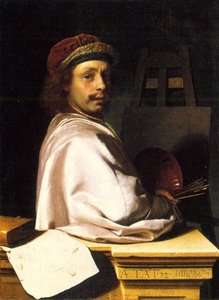
Frans van Mieris
1635 - 1681 , Нидерландия
Бърза информация
- Artistic Movement Or Style: Финсшильдер
- Artists Or Movements Influenced By This Artist: ['Финсшильдер']
- Artists Who Influenced This Artist: ['Геррит Доу']
- Date Of Birth: Леден, Нидерландия (1635)
- Date Of Death: 1681
- Full Name: Frans Jansz. van Mieris
- Nationality: Нидерландски
- Notable Artworks:
- Докторът посещение
- Портрет на художника със цитрон
- Place Of Birth: Леден
Свързани статии

Топ 10 шедьовъра на Златния век на нидерландското изкуство | OriginalUniqueArt.com
Потопете се в Златния век на нидерландското изкуство! Рембранд, Вермеер и други майстори – разкрийте историите зад 10 шедьовъра. Купете висококачествени репродукции на картини за вашия дом на OriginalUniqueArt.com.

Crimson Threads of Narrative: Exploring Symbolism & Representation in Artworks Featuring the Red Dress
Explore the rich symbolism of the red dress in art history! From ancient power displays to iconic portraits like Cézanne’s 'Madame Cezanne', discover the cultural and artistic significance behind this captivating color. Expert analysis & insights.

Golden Light & Dutch Skies: The Timeless Magic of Dutch Golden Age Landscapes
Discover the breathtaking beauty of Dutch Golden Age landscapes. Explore the mastery of light, chiaroscuro, and 17th-century realism through an expert art history lens, celebrating the enduring legacy of the Dutch Masters for discerning collectors and art lovers.

Mastering Light & Shadow: A Journey Through the Dutch Golden Age's Luminous Legacy
Embark on a cultural journey through the Dutch Golden Age. Explore the masterful interplay of light and shadow in 17th-century masterpieces, from Rembrandt to Vermeer, and discover how this era of profound realism continues to inspire fine art collectors today.

Golden Age Reflections: Dutch Baroque Painting & Cultural Innovation
Explore the Dutch Golden Age of painting! Discover key artists like Vermeer & ter Borch, their innovative techniques, and the rich cultural context behind these Baroque masterpieces. Learn about collecting & appreciating this iconic art period.

