

 Преглед в реален мащаб
 Сподели
 Сподели
 Подробности
 Ръководство

 Изтегляне
 Подобни артикули
 Рентгенова снимка
 Слайдшоу
 Статистика
Boy Blowing Bubbles
 Acrylic On Canvas
- WallArt
- Dutch Golden Age
 1663
1663 184.0 x 257.0 cm
 Kunstpalast
 Разгърни целия текст
Закупете дигитално изображение с висока резолюция и подобрени характеристики, значително по-качествено от онлайн прегледа.
Всеки файл е щателно подготвен от нашите специалисти с помощта на съвременни инструменти и експертен ръчен ретуш. Гарантираме, че всяко изображение притежава изключителна яснота, прецизна цветова точност и фини детайли.
Окончателният файл се доставя по имейл в рамките на 72 часа, оптимизиран за незабавна употреба в професионални, редакционни и печатни среди. Това е същото качество, на което се доверяват водещи дизайнерски студия, издатели и галерии.
Дигитално изображение
Изтеглете файл с висока резолюция за лично съхранение, принтиране и творчески проекти. ( Избор на принт Поръчайте ръчно рисувано репродукция на този колекционерски предмет)
Включено във всяка поръчка за дигитални изображения
Експертна дигитална доставка, гарантирана
Избирайки OriginalUniqueArt.com, вие не получавате просто изображение – вие придобивате професионално обработена дигитална творба, създадена с прецизност и подкрепена от гаранция за удовлетворение. Ето какво автоматично е включено във вашата поръчка:

Бърза доставка по имейл
Вашето дигитално изображение с висока резолюция ще бъде изпратено по имейл в рамките на 72 часа от поръчката – готово за незабавно използване.

Дигитален файл с подобрено качество чрез ИИ
Вашата картина е професионално оптимизирана с помощта на усъвършенствани инструменти за изкуствен интелект и ръчна редакция, осигурявайки максимална детайлност, яснота и точност на цветовете.

Безплатна доживотна повторна доставка
Изгубили сте или сте изтрили файла си по погрешка? Не се притеснявайте – ще го изпратим отново на Вас по всяко време, безплатно.

Без митнически такси – завинаги
Насладете се на вашето произведение незабавно, без мита, данъци или такси за доставка – дигиталните изтегляния винаги са освободени от данъци.

Гаранция за точност на цветовете
Гарантираме, че вашето дигитално изображение отразява оригиналните цветове възможно най-точно, чрез използването на професионални инструменти и системи за управление на цветовете.

100-дневна гаранция за удовлетвореност
Ако не сте доволни от вашето дигитално изображение, ще го преработим или ще възстановим 100% от сумата в рамките на 100 дни – без излишни въпроси.

100% Гаранция за връщане на сумата
Не сте доволни? Получете пълен възврат на сумата в рамките на 100 дни от получаването на вашия цифров файл – без излишни въпроси.

Отстъпки за големи поръчки
Купете 3 изображения, спестете 10% - Купете 5, спестете 15% - Купете 10+, спестете 20%. Идеално за творчески проекти, галерии и агенства.
A Moment Frozen in Time: Frans van Mieris’ ‘Boy Blowing Bubbles’
Frans van Mieris' “Boy Blowing Bubbles,” painted in 1663, isn’t merely a portrait; it’s a carefully constructed tableau of Dutch Golden Age life, brimming with subtle symbolism and an exquisite attention to detail that defines the artist’s signature style. Housed within the Mauritshuis in The Hague, this captivating scene invites us into a world where innocence dances alongside contemplation, and the ephemeral beauty of childhood is juxtaposed against deeper philosophical questions about mortality and the passage of time.
The ‘Fijnschilder’ Technique: A Masterclass in Illusion
Van Mieris was a leading figure in the “fijnschilder” movement, a group of Dutch painters known for their meticulous realism and mastery of illusionistic techniques. He achieved this through painstaking layering of glazes – incredibly thin washes of paint applied over dry layers – creating an astonishingly lifelike surface that seems to shimmer with depth and texture. Observe the delicate rendering of the boy’s skin, the subtle folds in his clothing, and the way the light catches on the bubbles themselves. Van Mieris didn't simply depict; he constructed a convincing illusion of reality, employing techniques borrowed from both painting and drawing – a testament to his rigorous training under Gerrit Dou.
Symbolism Woven into the Scene: A Tapestry of Meaning
The composition is rich with layered symbolism, reflecting the intellectual currents of 17th-century Holland. The boy, seemingly lost in a simple pleasure – blowing bubbles – represents fleeting joy and innocence. However, the artist subtly introduces an undercurrent of melancholy. The woman behind him, dressed in luxurious fabrics, holds a baby, suggesting motherhood and domesticity, yet her gaze is distant, hinting at the burdens of responsibility. The dog, a symbol of loyalty, stands attentively beside her, perhaps representing steadfastness amidst uncertainty. Even the objects within the room – the vases overflowing with flowers, the clock measuring the relentless march of time, and the window offering a glimpse to an unseen world – contribute to this complex web of meaning.
Contextualizing the Image: The ‘Paragone’ and the Illusion of Space
“Boy Blowing Bubbles” exists within the broader context of the “paragone,” a heated debate in 17th-century Europe concerning the relative merits of painting versus sculpture. Van Mieris, through his masterful manipulation of perspective and texture, powerfully demonstrated painting’s ability to create convincing illusions of space and depth – a skill that directly challenged the perceived superiority of three-dimensional sculpture. The window itself serves as a visual metaphor for this illusionistic prowess, inviting the viewer to step into the scene and contemplate its intricacies. The artist deliberately employs techniques reminiscent of Renaissance perspective, elevating painting’s status within the artistic hierarchy.
Beyond its technical brilliance and symbolic depth, “Boy Blowing Bubbles” evokes a profound sense of nostalgia for a bygone era – a poignant reminder of childhood's fleeting beauty and the inevitable passage of time. It is a work that continues to resonate with viewers today, offering a glimpse into the complexities of human experience and the enduring power of art to capture a single, unforgettable moment.
- Artist: Frans van Mieris the Elder
- Date: 1663
- Location: Mauritshuis, The Hague
- Medium: Oil on Panel
Learn more about the artwork at the Mauritshuis
Въпроси и отговори
Кога и с какви материали е създадено "Boy Blowing Bubbles"?
"Boy Blowing Bubbles" е създадена през 1663 с използването на техниката Acrylic On Canvas. Материалът и датата описват как и кога е създаден оригиналът.
Има ли информационен лист за „Boy Blowing Bubbles“ на Frans van Mieris, предназначен за ученици?
Наръчникът за „Boy Blowing Bubbles“ е страницата Ръководство на произведението – предназначен за принтиране информационен лист, който представя творбата заедно с нейното описание, авторство и таблица с данни (художник, дати, техника, оригинален размер, колекция).
„Boy Blowing Bubbles“ на Frans van Mieris портретна, пейзажна или квадратна композиция ли е?
„Boy Blowing Bubbles“ на Frans van Mieris е в Portrait формат. Форматът описва пропорциите на композицията.
Биография на художника
Живот, потапен в детайла: Светът на Франс ван Мьерис Старейшината
Франс ван Мьерис Старейшината, име, синоним на прецизност и изтънчена артистичност, заема значимо място в Златната епоха на Нидерландия. Роден в Льоден през 1635 г., неговият път се отклонява от семейния занаят на златника – ремесло, практикувано от бака му, Ян Бастиенсз ван Мьерис – към завладяващия свят на живописта. Това ранно влечение към рисуването подготви сцената за кариера, която ще дефинира стила „fijnschilder“ и ще предложи интимен поглед върху нидерландското общество през XVII век. Първоначалното му обучение под ръководството на Абрахам Тооренфлиет, последвано от решаващите напътствия от уважаваемия Герит Доу, полага солидна основа, върху която той изгражда своя отличителен артистичен глас. Тези формиращи години му вдъхват не само техническо майсторство, но и дълбоко чувство за повествователните нюанси и силата на фината, деликатна наблюдателност.Издигането на „финия живописец“
Ван Мьерис бързо става прочут като майстор на fijnschilder – нидерландски термин, означаващ „фина живопис“. Тази техника се характеризира с почти обсебващо внимание към детайла, гладка и полирана маза, както и предпочитание за мащабни, миниатюрни платна. Тук не става въпрос само за репликиране на реалността; става въпрос за нейното възвисяване чрез невъобразима прецизност. Повърхностите в неговите картини сякаш проблясват с живот – лъскавият блясък на сатина, деликатната текстура на кадифето, отблясъкът на метала – всичко е предадено с изумителна точност. Той не просто рисува стая; той пресъздава самата атмосфера в нея, канейки зрителите в сцени на домашен уют и изобилие. Тематиката му често се върти около живота на богатите: елегантни събирания, сложни интериори, портрети, които улавят не само външната прилика, но и характера. Повторяващи се мотиви като закуски с устрици, лекари, посещаващи пациенти и жени, ангажирани с ежедневни задачи, предоставят прозорци към обичаите и социалните ритуали на горните класове. Въпреки че първоначално е бил силно повлиян от стила на Герит Доу, Ван Мьерис постепенно развива свой собствен уникален подход. Той се отдалечава от прекомарата на детайли в посока на по-голям акцент върху взаимодействието между фигурите и разгръщащите се истории в неговите композиции. По-късните му творби понякога показват по-тъмни тоналности в сравнение с по-ярките палитри на ранните му картини, отразявайки нарастващата зрялост и артистично проучване.Значими творби и вечно наследство
Няколко ключово произведения стоят като свидетелства за уменията и еволюиращия стил на Ван Мьерис. „Визит при лекар“ (1657), считана за една от най-ранните му датирани и най-важни творби, демонстрира неговата израстваща независимост от влиянието на Доу. Картината е майсторски клас в улавянето на тихото напрежение при медицински преглед, предадено с поразително ниво на реализъм. Неговият „Автопортрет с цитерна“ е също толкова завладяващ, демонстрирайки способността му да изобразява пищни облекла, като същевременно предава усещане за личност и интроспекция. „Портрет на съпругата на художника, Кунера ван дер Кок“ е пример за неговото майсторство в портретирането, подчертавайки както техническото умение, така срещу разбирането на chiaroscuro – драматичната игра на светлина и сянка. Извън жанровите сцени и портретите, Ван Мьерис се е посмял и на алегорични картини, като такително изобразяващи пороци като пиене, пушене и хазарт, демонстрирайки широтата на своите артистични възможности. Въздействието на Франс ван Мьерис се простира далеч отвъд неговия собствен живот. Неговото влияние е прозвучало в рамките на семейството му; неговият син Вилем ван Мьерис (1662–1747) и внукът му Франс ван Мьерис Млади (1689–1763) също стават успешни жанрови художници, продължавайки артистичната традиция. Популярността на неговия стил е породила и множество имитатори, най-вече А. Д. Снафан, който е работил в Лейпциг и е се ползвал с покровителството на двора в Анхалт-Десау.Трайна принос към нидерландската изкуство
Франс ван Мьерис играе решаваща роля в оформянето на движението fijnschilder в нидерландската живопис от Златната епоха. Неговата отдаденост на прецизния детайл, реалистичните изображения на ежедневието и висшето общество, както и техническото му бледост, допринасят значително за една епоха, вече прочута със своята артистична иновация. Той се е ползвал с покровителството на видни фигури, включително архидук Леополд и Козимо III де Медичи, което е доказателство за международното признание на неговия талант. Дори днес неговите творби продължават да очароват публиката със своята изискана майсторност и проницателно изображение на културата от XVII век. Кражбата на автопортрет от Художествената галерея на Ню Южен Уелс в Сидни служи като трогателно напомняне за трайната стойност и привлекателност на неговото изкуство – наследство, което продължава да вдъхновява и интригува колекционери и любители на изкуството по едно и също време. Неговите картини не са просто исторически артефакти; те са прозорци към една отминала епоха, прецизно изработени и изпълнени с безвременна красота.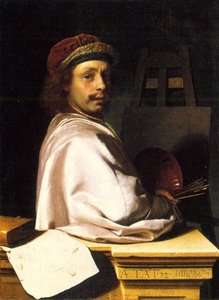
Frans van Mieris
1635 - 1681 , Нидерландия
Кратка информация
- Artistic Movement Or Style: Финсшильдер
- Artists Or Movements Influenced By This Artist: ['Финсшильдер']
- Artists Who Influenced This Artist: ['Геррит Доу']
- Date Of Birth: Леден, Нидерландия (1635)
- Date Of Death: 1681
- Full Name: Frans Jansz. van Mieris
- Nationality: Нидерландски
- Notable Artworks:
- Докторът посещение
- Портрет на художника със цитрон
- Place Of Birth: Леден