Преглед в реален мащаб
 Изпрати
 Сподели
 Детайли
 Ръководство

 Изтегляне
 Подобни артикули
 Рентгенова снимка
 Слайдшоу
 Въпроси и отговори
 Статистика
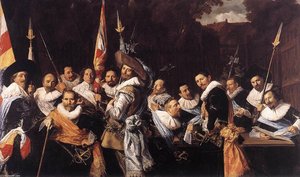
St Matthew

- 70.0 x 55.0 cm


 Прочети повече
Жикле / Художествен принт
Giclée печат или принт върху платно с музейно качество, бързо производство и гъвкави опции за завършен вид. ( Купете ръчно рисувана картина Превключване към дигитално изображение)




P118B €10

P118H €10

P118W €10

P438Z €10

P508JH €12

P508YH €12

P805H €10

P805Z €10

P919BZ €10

P919G €10

P919XJ €10

P959ZH €10

P968JZ €12

W106C €8

W218G €10

W218JH €8

W218Y €10

W307PJ €10

W316G €10

W316PJ €8

W316Y €10

W398PJ €8

W4111J €10

W500HY €15

W500JH €15

W692G €12

W849H €8

W940BG €15

W953PJ €8




Изберете от нашите предварително зададени размери, които съответстват на оригиналните пропорции на произведението.

Въведете необходимата ширина и височина, за да паснат на вашата рамка или стена. Принтовете могат само да се изрязват, но никога не могат да бъдат по-големи от оригиналната картина, така че при размер с различен формат част от изображението ще бъде загубена. Преди да започнем печат, ще ви изпратим дигитален мок업 за одобрение. Изображението, показано на тази страница, не показва реалното изрязване — само мок업ът го показва.
Доставка по целия свят () в рамките на 2 седмици вместо стандартните 4/5 седмици. (4 Ноември)

Безплатна експресна доставка по целия свят

Висококачествено ленено платно

Пълно застраховане на доставката

Гаранция за възстановяване на митнически такси

Гаранция за пълно съответствие на цветовете

Политика за връщане в рамките на 100 дни (само при дефекти)

100% Гаранция за връщане на сумата

Оферта за отстъпка при поръчка на повече бройки
 Опцията със стъкло е налична само за размери под 110 см

St Matthew
Жикле / Художествен принт
Размер на репродукцията
-


Обща цена
€ 72
The Gentle Illumination of Knowledge
To stand before this depiction of St Matthew is to step into a moment suspended in time—a quiet confluence of wisdom being passed from one generation to the next. The scene unfolds with an almost palpable warmth, drawing the viewer into the intimate space of study or scholarly discourse. At its heart lies the compelling interaction between the learned gentleman, whose long white beard speaks of years spent in contemplation, and the attentive child gazing upon him. He holds a book, not merely as an object, but as a conduit for divine knowledge, his gesture suggesting both authority and profound tenderness. The surrounding figures, subtly placed within the composition, serve to anchor this central narrative, creating a rich tapestry of human connection woven around the act of learning.
A Masterclass in Spontaneity: Hals's Brushwork
The genius evident in Frans Hals I’s handling of paint is nothing short of revolutionary. One does not observe the meticulous, almost brittle detail favored by some of his contemporaries; rather, one encounters a breathtaking sense of immediacy. Hals employed a loose, expressive brushstroke that seems to capture the very breath of the moment. This technique imbues the portrait with an unparalleled vitality, making the figures feel less like painted representations and more like living souls caught mid-conversation. When considering a reproduction of this work for your interior space, it is crucial to appreciate how this visible texture—this spirited application of paint—adds depth and kinetic energy, preventing the piece from ever feeling static.
Historical Echoes and Spiritual Resonance
Dating to 1625, this painting emerges from a period when intellectual life flourished alongside deep spiritual currents in the Dutch Golden Age. The figure of St Matthew himself carries immense symbolic weight, traditionally associated with evangelism, medicine, and the recording of scripture. The act depicted—the teaching—is therefore elevated beyond mere tutoring; it becomes an allegory for the transmission of sacred or profound truth. For the collector or designer, this resonance allows the artwork to function not just as decoration, but as a quiet meditation piece, suggesting that wisdom is always accessible through patient guidance.
Crafting Atmosphere: An Interior Focal Point
The overall atmosphere captured by Hals is one of nurturing enlightenment. The soft lighting implied within the study setting bathes the figures in a glow that speaks of understanding dawning. For those decorating a library, an office, or a drawing-room, this piece offers more than just portraiture; it offers ambiance. It suggests contemplation, intellectual pursuit, and familial connection. A high-quality reproduction allows you to bring this specific emotional resonance—this feeling of being enveloped in thoughtful conversation—into your own curated environment, making the room feel instantly richer and more storied.
Въпроси и отговори
Как да изтегля изображението на „St Matthew“ на Франс Халс I?
„St Matthew“ на Франс Халс I може да бъде изтеглен от страницата за Изтегляне на дигитален файл на произведението, като дигитално изтегляне на изображение с висока резолюция.
Каква техника е използвана за „St Matthew“ на Франс Халс I?
Франс Халс I е използвал/а техниката Oil On Canvas за „St Matthew“. Тази техника определя материалната природа на оригиналното произведение.
На кой художник се приписва "St Matthew"?
„St Matthew“ се приписва на Франс Халс I.
Биография на художника
Франс Халс I: Живот в боя на четката
Франс Халс I е холандски художник, роден около 1580 г. в Антверпен, Белгия. Въпреки че ранните му години остават донякъде обгърнати в мистерия, той се издига като една от най-значимите фигури на Холандската златна ера, прославен със своята иновативна портретна живопис и жанрови сцени.
Ранен живот и обучение
Детайлите около формиращите години на Халс са оскъдни. Вярва се, че той е получил първоначалното си художествено обучение в Антверпен – важен център за живопис по това време. Въпреки това, поради религиозни и политически превратности, семейството му се преселва в Хаарлем, Нидерлантика. През 1610 г. той става член на Хаарлемското задружие на Св. Лука, което бележи официалния старт на неговата професионална кариера.
Художествен стил и развитие
Халс се отличава със свой изключително свеж и спонтанен стил. За разлика от мнозина свои съвременници, които са предпочитали прецизния детайл, Халс използва свободна и експресивна мазанка. Тази техника вдъхва на неговите картини усещане за непосредственост и жизненост, улавяйки личността и характера на своите образи по начин, който е бил революционен за епохата си.
- Неговите портрети не бяха просто прилики; те бяха психологически изследвания.
- Той се отличаваше с умението да предаде мимолетни моменти – смях, разговор или размисъл.
- Използването на светлина и сянка от страна на Халс добавя дълбочина и драма към неговите композиции.
Бележките произведения
Въпреки че Халс създава широк спектър от творби, той е най-известен със своите портрети. Някои от неговите най-прочути картини включват:
- Смеещият кавалер (1624) – класически пример за способността му да улови характер и движение.
- Мале Бабе (ок. 1633-1635) – впечатляващо изображение на възрастен жена, демонстриращо умението на Халс да предаде възраст и личност.
- Портрети на регентите на дома за възрастни хора в Хаарлем (1664) – произведение, демонстриращо неговото майсторство в груповия портрет.
Той създава и завладяващи жанрови сцени – изображения на ежедневието – които предлагат прозорци към холандското общество.
Влияния и наследство
Определянето на директните влияния върху Халс е предизвикателство, тъй като той развива изключително индивидуален стил. Въпреки това е вероятно той да е бил запознат с творбите на по-ранни фламандски художници като Питер Брейгел Стария. Неговият иновативен подход към портрета оказа дълбоко влияние върху следващите поколения артисти.
- Той повлиял на художници като Адриен Броуер и Йоханес Вермеер.
- Неговият акцент върху улавянето на личността проправя път за по-интимни и психологически портрети.
- По-късни артисти, включително импресионистите, са се възхищавали на неговата свободна техника и фокус върху светлината.
Историческа значимост
Франс Халс I играе решаваща роля в оформянето на холандската живопис по време на Златната ера. Неговата работа отразява нарастващото просперитет и индивидуализъм на Нидерландия през този период. Той се отдалечава от скованата формалност към по-натуралистичен и експресивен стил, оставяйки трайна наследствена следа в света на изкуството.
Днес неговите картини са изключително търсени и могат да бъдат открити в големи музеи по целия свят, включително в Музея на Франс Халс в Хаарлем, който притежава най-голямата колекция от неговите творби. Неговият принос продължава да вдъхновява художници и да очарова публиката и столетия по-късно.

Франс Халс I
1580 - 1585 , Белгия
Бърза информация
- Artistic Movement Or Style: Dutch Golden Age
- Artists Or Movements Influenced By This Artist:
- Adriaen Brouwer
- Johannes Vermeer
- Artists Who Influenced This Artist: ['Pieter Bruegel the Elder']
- Date Of Birth: 1582/83
- Date Of Death: 1666
- Full Name: Frans Hals I
- Nationality: Dutch
- Notable Artworks:
- The Laughing Cavalier
- Malle Babbe
- Portraits of the Regents
- Place Of Birth: Antwerp, Belgium
Свързани статии

Golden Light & Dutch Skies: The Timeless Magic of Dutch Golden Age Landscapes
Discover the breathtaking beauty of Dutch Golden Age landscapes. Explore the mastery of light, chiaroscuro, and 17th-century realism through an expert art history lens, celebrating the enduring legacy of the Dutch Masters for discerning collectors and art lovers.

Frans Hals I: Innovation, Intimacy & the Dutch Golden Age Portrait
Explore the revolutionary portraiture of Frans Hals I, a master of the Dutch Golden Age. Discover his innovative techniques, captivating character studies & lasting impact on art history. Learn more at OriginalUniqueArt.
Illuminating Realism: Exploring the Dutch Golden Age of Painting (1600-1700)
Explore the Dutch Golden Age of painting (1600-1700) with OriginalUniqueArt. Discover Rembrandt, Vermeer & other masters. Learn about techniques, history & find museum-quality reproductions.

Illuminating Innovation: Exploring the Dutch Golden Age of Painting
Explore the Dutch Golden Age of painting with OriginalUniqueArt. Discover Rembrandt, Vermeer & other Masters. Learn about key characteristics, iconic artworks, and lasting influence. Expert insights for collectors & enthusiasts.

Топ 10 шедьовъра на Златния век на нидерландското изкуство | OriginalUniqueArt.com
Потопете се в Златния век на нидерландското изкуство! Рембранд, Вермеер и други майстори – разкрийте историите зад 10 шедьовъра. Купете висококачествени репродукции на картини за вашия дом на OriginalUniqueArt.com.