
 Представи си го
 Изпрати
 Сподели
 Детайли

 Изтегляне
 Подобни
 Рентгенова снимка
 Слайдшоу
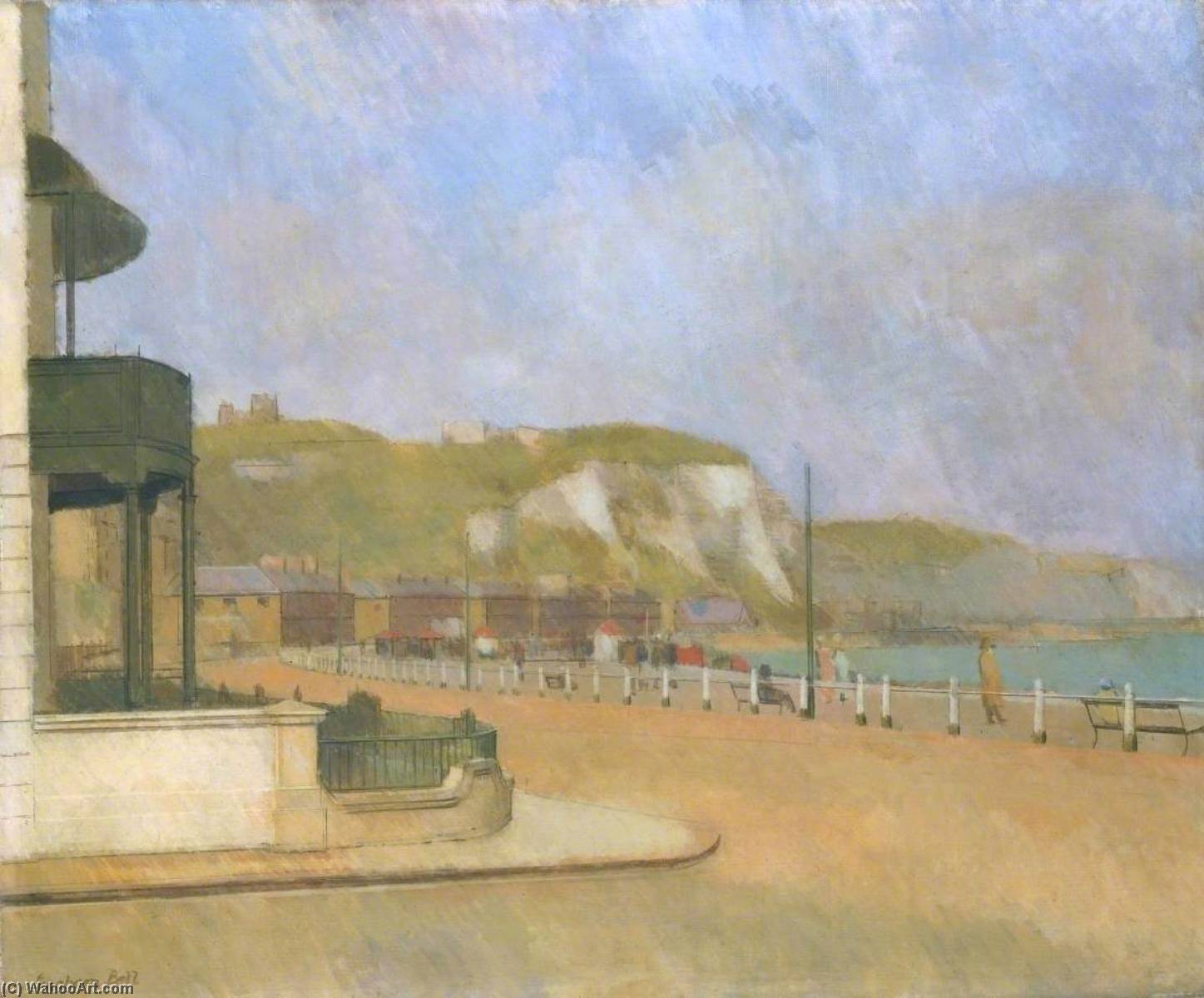
Dover Front
 Impressionism
 1938
1938 64.0 x 76.0 cm
 Прочетете повече
Ръчно изработена маслена репродукция
Ръчно рисувана маслена картина върху платно във вашия размер и рамка, изработена по поръчка от нашите художници. ( Купете принт Купете изображение)




































Изберете от предварително зададените размери, които съответстват на оригиналните пропорции на произведението.

Можете да въведете свои собствени размери, за да пасне на конкретна рамка или пространство. Ако избраният от вас размер не съответства на пропорциите на оригиналното изображение, ние ще изрежем произведението или ще удължим картината с допълнителни ръчно рисувани елементи. Дигитален макет ще бъде изпратен за ваше одобрение преди започване на производството.
Моля, обърнете внимание, че прегледът на екрана не отразява действителното изрязване или разширяване. Само макетът ще покаже точно финалния състав.
Въпреки че са налични персонализирани размери, препоръчваме да изберете размер от предварително дефинирания списък, за да запазите оригиналните пропорции.
След поръчка, екипът на OriginalUniqueArt.com ще изпрати имейл на клиента за инструкции и ще предостави преглед на макет.
Доставка по целия свят () в рамките на 3/4 седмици вместо стандартните 5 седмици. (26 Август). Без компромис с качеството.

Безплатна експресна доставка по целия свят

Висококачествено ленено платно

Пълно застраховане при доставка

Гаранция за възстановяване на митнически такси

Гаранция за цветова точност

60-Дневен период за връщане (Само при дефекти)

100% Гаранция за връщане на парите

Предложение за отстъпка при поръчка на едро
 Стъклото е налично само в размери под 110 см

Dover Front
Репродукционен метод
Размер на репродукцията
-


Обща цена
$ 300
Биография на художника
A Vision of Realism: The Life and Legacy of Frank Graham Bell
The history of British modernism is often told through the lens of radical abstraction, yet there exists a profound, quieter movement that sought truth in the tangible world. At the heart of this movement stood Frank Graham Bell, an artist whose brief but luminous career left an indelible mark on the landscape of twentieth-century realism. Born in 1910 in the vibrant landscapes of South Africa, Bell’s journey was one of migration and metamorphosis. His early years in Durban provided a foundational connection to the natural world, nurtured through studies at the Durban Art School. This period of formative growth culminated in his first solo exhibition at the City Hall in Durban in 1931, a moment that signaled the arrival of a talent capable of translating the essence of his surroundings with remarkable precision and emotional depth.
In 1931, Bell’s trajectory shifted irrevocably as he moved to London, bringing with him a fresh perspective from the Southern Hemisphere. This relocation was not merely a change in geography but an immersion into the intellectual ferment of the British art scene. Alongside his wife, Anne Bilbrough, Bell navigated a world of shifting aesthetic values. His early inspirations were drawn from the expressive, fluid landscapes of Duncan Grant, yet he soon found himself gravitating toward a more disciplined approach to observation. The encounter with William Coldstream proved transformative; Coldstream’s rigorous commitment to meticulous realism provided Bell with the technical framework to pursue an art that was both objective and deeply felt. This pursuit of truth through careful looking would become the hallmark of his mature style.
The Euston Road School and the Art of Observation
Bell’s most significant contribution to art history lies in his role as a founding member of the Euston Road School. This collective emerged as a deliberate reaction against the perceived fragmentation and stylistic excesses of the avant-garde. For Bell and his contemporaries, the mission was clear: to capture the essence of rural England and the dignity of everyday life through a lens of social consciousness and technical mastery. His work during this era reflects a profound engagement with the landscape, where the textures of the earth, the light of the coast, and the stillness of a mill are rendered with an almost reverent clarity.
His paintings from this period, such as the evocative Dover Front or the tranquil Baylham Mill, demonstrate a sophisticated command of composition and atmosphere. While his technique drew inspiration from the structural legacies of Cézanne, Bell infused his work with a unique sensitivity to the ephemeral qualities of light and weather. His art was never merely a photographic reproduction; rather, it was an attempt to document the soul of a place. This commitment to the "objective" was further nuanced by the influence of Geoffrey Tibble, whose ideas on abstraction encouraged Bell to find the underlying structure within his realistic observations, creating a harmony between form and feeling.
A Tragic Departure and Enduring Significance
The trajectory of Bell’s life was tragically cut short by the ravages of global conflict. As World War II descended upon Europe, the artist’s life became inextricably linked to the era's profound upheavals. His death in a flying accident during the war silenced a voice that was only beginning to reach its full expressive potential. Yet, despite the brevity of his career, the impact of Frank Graham Bell remains palpable in the annals of British art. He stood as a bridge between the traditionalist reverence for nature and a modern sensibility that demanded honesty and social relevance.
Today, we remember Bell not only as a painter of landscapes, portraits, and still-lifes but as a vital participant in a movement that sought to find beauty in the unadorned truth. His legacy is found in:
- The Euston Road Tradition: His role in establishing a school of thought that prioritized observational integrity over stylistic experimentation.
- Technical Mastery: A body of work that showcases an exquisite ability to balance the weight of realism with the lightness of impressionistic atmosphere.
- Cultural Documentation: His contribution to capturing the spirit of the British landscape during a period of immense historical transition.
Through his eyes, we are invited to look closer at the world around us, finding the extraordinary within the ordinary and the eternal within the fleeting moment.

frank graham bell
1910 - 1943
Бързи факти
- Artistic Movement Or Style: Realist
- Artists Or Movements Influenced By This Artist: ['Euston Road School']
- Artists Who Influenced This Artist: ['Duncan Grant']
- Date Of Birth: 1910
- Date Of Death: 1943
- Full Name: Frank Graham Bell
- Nationality: British
- Notable Artworks:
- Baylham Mill
- Dover Front
- Place Of Birth: South Africa
Всички статии

Топ 10 шедьоври на импресионизма: Пейзажи, променили изкуството | OriginalUniqueArt.com
Разгледайте топ 10 шедьоври на импресионизма и открийте красотата на пейзажите от Моне, Реноар и други известни художници. Вдъхновете се за вашия дом с репродукции на картини в OriginalUniqueArt.com! Разгледайте пълната колекция онлайн.

Топ 10 шедьовъра на импресионизма: Пейзажи, променили изкуството | OriginalUniqueArt.bg
Разгледайте топ 10 шедьовъра на импресионизма – Моне, Реноар и други! Открийте историите зад известните пейзажи и техния принос към изкуството. Купете висококачествени репродукции на картини за вашия дом в OriginalUniqueArt.bg
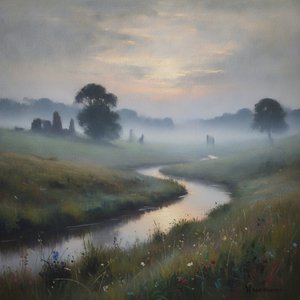
Capturing the Mist: The Timeless Beauty of British Landscape Impressionism
Explore the ethereal beauty of British Landscape Impressionism. Discover how masters captured light and mist through plein air techniques, offering a profound connection to the English countryside's timeless, atmospheric soul.
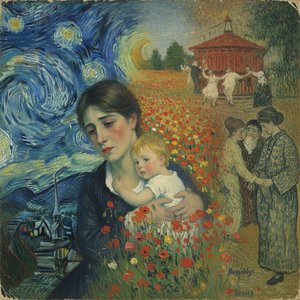
Capturing the Soul: The Most Emotionally Moving Impressionist and Post-Impressionist Masterpieces
Discover the profound emotional depth of Impressionist and Post-Impressionist masterpieces. Explore how legends like Monet, Van Gogh, and Gauguin captured light and soul through evocative landscapes and vibrant brushwork for a timeless connection to art history.
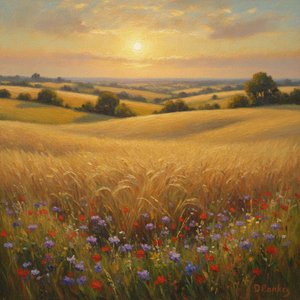
Golden Fields & Sun-Drenched Meadows: Capturing the Soul of Impressionist Landscapes
Immerse yourself in the luminous world of Impressionist landscapes. Discover how masters like Monet and Gauguin captured ephemeral light through plein air painting, and learn to bring the soul of sun-drenched meadows into your home with exquisite, hand-painted oil reproductions.

