
 Преглед в реален мащаб
 Сподели
 Сподели
 Подробности
 Ръководство

 Изтегляне
 Подобни артикули
 Рентгенова снимка
 Слайдшоу
 Статистика
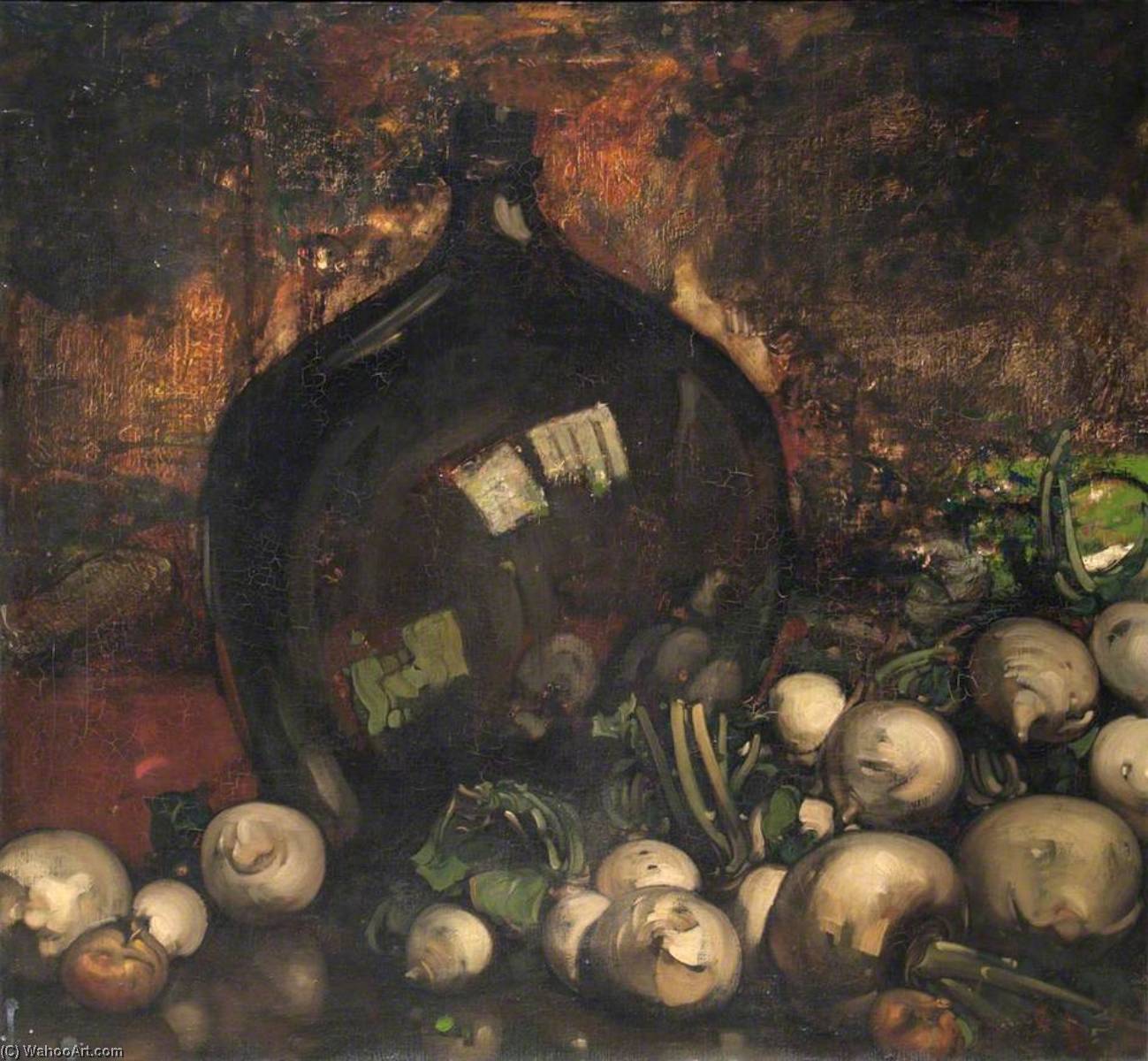
Turnips
 1902
1902 94.0 x 96.0 cm
 Разгърни целия текст
Ръчно изработена маслена репродукция
Ръчно рисувана маслена картина върху платно във вашия размер и рамка, изработена по поръчка от нашите художници. ( Избор на принт Превключване към дигитално изображение)




































Изберете от нашите предварително зададени размери, които съответстват на оригиналните пропорции на произведението.

Type the width and the height you need, to fit your frame or your wall. This is hand-painted, so for a size with a different shape the artist can paint a bit more around the picture, or cut a bit — you choose. We send you a digital mockup to approve before the painting starts. The picture shown on this page does not show the real result — only the mockup does.
След получаване на поръчка, екипът на OriginalUniqueArt.com ще изпрати имейл до клиента с инструкции и ще предостави примерен макет за преглед.
Доставка по целия свят () в рамките на 3-4 седмици вместо стандартните 5 седмици. (14 Октомври). Без компромис с качеството.

Безплатна експресна доставка по целия свят

Висококачествено ленено платно

Пълно застраховане на доставката

Гаранция за възстановяване на митнически такси

Гаранция за пълно съответствие на цветовете

Политика за връщане в рамките на 100 дни (само при дефекти)

100% Гаранция за връщане на сумата

Отстъпка при поръчка на повече произведения
 Опцията със стъкло е налична само за размери под 110 см

Turnips
Техника на репродукция
Размер на репродукцията
-


Крайна цена
€ 260
Биография на художника
A Life Forged in Light and Labor: The World of Frank Brangwyn
Frank William Brangwyn, a name synonymous with vibrant color, dramatic landscapes, and the spirit of the British Empire, was born on May 13th, 1867, in Bruges, Belgium. His early life, steeped in artistic tradition thanks to his father, William Curtis Brangwyn – an architect specializing in church furniture – laid the foundation for a career that would span over six decades and leave an indelible mark on both British and European art. The family’s return to England in 1875 proved pivotal, thrusting young Frank into the heart of London's burgeoning artistic scene, a world far removed from the quiet workshops of his Belgian upbringing. Despite limited formal education – he frequently skipped classes at Westminster City School to immerse himself in the South Kensington Museum and its treasures – this self-directed learning fostered an independent spirit and a profound appreciation for visual form that would define his unique approach to art. His apprenticeship with Arthur Heygate Mackmurdo and, crucially, William Morris, initially focused on practical skills like glazing, embroidery, and wallpaper design, instilled in him the core principles of the Arts and Crafts movement – a commitment to integrating art into everyday life and celebrating craftsmanship. However, it was his burgeoning passion for painting that truly ignited within him, culminating in a prestigious medal at the 1891 Paris Salon for his evocative “Funeral at Sea,” a recognition that solidified his dedication to a career as an artist.From Maritime Scenes to Orientalist Visions
Brangwyn’s artistic journey began with a deep fascination for the maritime world, mirroring both personal interests and the prevailing tastes of the late 19th century. He meticulously captured the drama and toil of life at sea – the churning waves, the weathered faces of sailors, the imposing silhouettes of ships against the horizon – demonstrating an exceptional eye for detail and atmospheric effect. His early works, such as “The Golden Horn, Constantinople,” stand in stark contrast to the more somber tones of pieces like "Funeral at Sea," reflecting a deliberate shift towards brighter palettes and exotic subject matter. This transformation was fueled by his extensive travels throughout the 1890s – to Istanbul, Spain, Egypt, Turkey, and Morocco – experiences that profoundly impacted his artistic vision. These journeys weren’t merely sightseeing trips; they were immersive explorations of cultures, landscapes, and light, resulting in a dramatic infusion of vibrant color, intricate motifs, and a newfound sense of luminosity into his work. The influence of Orientalism is undeniably present, particularly evident in paintings like “The Golden Horn,” where the warm hues of the Turkish landscape and the figures themselves evoke a sense of mystery and allure. He wasn’t simply copying exotic scenes; he was actively engaging with them, absorbing their essence and translating it into his own unique artistic language. This period marked a significant departure from traditional British painting, aligning him with a broader European trend towards embracing diverse cultural influences.A Prolific Output and Monumental Commissions
The sheer volume of Brangwyn’s output is truly astonishing – estimated to exceed 12,000 works encompassing paintings, drawings, etchings, wood engravings, lithographs, architectural designs, furniture design, ceramics, and even stained glass. This relentless productivity was driven by an unwavering dedication and a boundless curiosity, constantly seeking new subjects and techniques. He became renowned for his large-scale mural commissions, characterized by their breathtaking scale, intricate detail, and often monumental presence. These murals weren’t merely decorative; they were ambitious statements of artistic vision, transforming public spaces into vibrant showcases of color and imagination. A particularly significant moment came in 1895 when Siegfried Bing, a prominent art dealer, commissioned him to decorate the exterior of Galerie l'Art Nouveau in Paris – an opportunity that opened doors to a wider world of decorative arts collaborations. Beyond murals, Brangwyn excelled in illustration, creating stunning images for a six-volume reprint of Edward William Lane’s “One Thousand and One Nights,” showcasing his remarkable ability to capture narrative detail and exotic imagery. His work spanned diverse media – from intricate woodblock prints created in collaboration with Japanese artist Urushibara Mokuchu to detailed architectural plans – demonstrating a remarkable versatility that set him apart from many of his contemporaries.The British Empire Panels and Lasting Legacy
Perhaps the most ambitious, and ultimately controversial, project undertaken by Brangwyn was his commission for a series of sixteen monumental murals depicting scenes from the British Empire in 1924. These vast panels, measuring over 3,000 square feet, were intended to adorn the House of Lords and celebrate the wealth and power of the nation’s global reach. However, after initial acceptance, the panels were ultimately rejected by Parliament, deemed unsuitable for their intended location due to their scale and subject matter. These magnificent works found a new home in Swansea's Guildhall, where they now serve as a poignant reminder of Brangwyn’s artistic vision and the complexities of historical representation. The story behind this rejection highlights the evolving social and political landscape of Britain during that era – a period marked by growing scrutiny of colonialism and its impact on indigenous populations. Despite the setback, Brangwyn continued to produce works throughout his life, solidifying his reputation as one of the most prolific and influential artists of his time. He received numerous honors, including being knighted in 1941, and his legacy continues to be celebrated through exhibitions and scholarly research.Personal Reflections
Beyond his artistic achievements, Frank Brangwyn’s personal life was marked by both passion and complexity. He married Lucy Ray in 1896, a nurse who provided him with a stable domestic environment, though they remained childless. He spent much of his later years residing at Temple Lodge in Hammersmith, London, and later purchased The Jointure in Ditchling, Sussex – reflecting a desire for both urban engagement and the tranquility of rural life. Brangwyn’s life stands as a testament to the power of dedication, innovation, and an unwavering commitment to artistic expression—a legacy that continues to inspire awe and admiration today. His work remains a vibrant reminder of a transformative era in British art, blending historical grandeur with a deeply personal vision.
Френк Брангвин
1867 - 1956 , Belgium
Бързи факти
- Full Name: Sir Frank William Brangwyn
- Nationality: British
- Date Of Birth: 1867
- Date Of Death: 1956
- Place Of Birth: Bruges, Belgium
- Notable Artworks:
- Funeral at Sea
- The Golden Horn
- Arab Musicians
- Begonias
- Artistic Movement Or Style: Arts & Crafts, Orientalism
- Artists Who Influenced This Artist: ['William Morris']
- Artists Or Movements Influenced By This Artist: ['British decorative arts']