

 Преглед в реален мащаб
 Сподели
 Сподели
 Подробности
 Ръководство

 Изтегляне
 Подобни артикули
 Рентгенова снимка
 Слайдшоу
 Статистика
French, approx. )


 Разгърни целия текст
Жикле / Художествен принт
Giclée печат или принт върху платно с музейно качество, бързо производство и гъвкави опции за завършен вид. ( Поръчайте ръчно рисувано репродукция на този колекционерски предмет Превключване към дигитално изображение)




































Изберете от нашите предварително зададени размери, които съответстват на оригиналните пропорции на произведението.

Можете да въведете собствени размери, за да паснат на конкретна рамка или пространство. Ако избраният от Вас размер не съвпада с пропорциите на оригиналното изображение, ние ще изрежем произведението или ще разширим изображението с огледален или едноцветен ръб. Дигитален макет ще бъде изпратен за Ваше одобрение преди започването на производството.
Моля, имайте предвид, че предпрегледът на екрана не отразява реалното изрязване или разширяване. Само макетът ще покаже точно финалната композиция.
Въпреки че са налични персонализирани размери, препоръчваме да изберете размер от предварително дефинирания списък, за да запазите оригиналните пропорции.
Доставка по целия свят () в рамките на 2 седмици вместо стандартните 4/5 седмици. (26 Септември)

Безплатна експресна доставка по целия свят

Висококачествено ленено платно

Пълно застраховане на доставката

Гаранция за възстановяване на митнически такси

Гаранция за пълно съответствие на цветовете

Политика за връщане в рамките на 100 дни (само при дефекти)

100% Гаранция за връщане на сумата

Отстъпка при поръчка на повече произведения
 Опцията със стъкло е налична само за размери под 110 см

French, approx. )
Жикле / Художествен принт
Размер на репродукцията
-


Крайна цена
$ 80
A Glimpse into Renaissance Elegance: François Clouet's Portrait of a Lady
This captivating oil on canvas painting, attributed to François Clouet and dated circa 1510, offers an intimate portrait of a woman embodying the refined sensibilities of the French Renaissance. The subject, poised with a subtle downward gaze, exudes an air of quiet dignity and grace. Her attire—a gown adorned with a delicate ruffled collar and a lustrous pearl necklace—speaks to her status and taste within the courtly circles of the time. Clouet’s masterful rendering captures not only the physical likeness but also hints at the woman's inner character, inviting viewers into a moment frozen in time.Style and Technique: The Precision of Renaissance Miniaturism
François Clouet was renowned for his exceptional skill as a miniaturist and painter, inheriting this talent from his father, Jean Clouet, also a prominent court artist. This portrait exemplifies the hallmarks of his style: meticulous detail, precise rendering of textures (particularly in the fabrics and pearls), and a restrained color palette that emphasizes elegance over dramatic flair. The painting showcases Clouet’s mastery of oil on canvas, utilizing subtle gradations of light and shadow to create depth and form. His approach reflects the broader Renaissance interest in realism and accurate representation, while retaining a distinctly courtly aesthetic.- Miniaturist Precision: The level of detail is remarkable, demonstrating Clouet's training and expertise.
- Restrained Palette: The muted colors contribute to the portrait’s overall sense of refinement and dignity.
- Textural Rendering: Notice how meticulously Clouet captures the sheen of the pearls, the crispness of the ruffles, and the drape of the gown.
Historical Context: The French Court in the Early 16th Century
Created during the reign of Louis XII and later Francis I, this portrait provides a valuable window into the world of the French court. The early 16th century was a period of significant cultural flourishing in France, marked by the influence of Italian Renaissance art and humanist ideals. Portraiture became increasingly important as a means of documenting the nobility and asserting their status. Clouet’s position as a court painter afforded him unparalleled access to the royal family and their circle, allowing him to create these intimate and revealing depictions. The portrait's style reflects the evolving tastes of the French aristocracy, moving away from earlier Gothic conventions towards a more naturalistic and refined aesthetic.Emotional Impact and Symbolism
Beyond its technical brilliance, this portrait evokes a sense of quiet contemplation and understated elegance. The woman’s downward gaze suggests introspection or perhaps a moment of private reflection. The pearl necklace, a symbol of purity and wealth, further underscores her status. While the identity of the sitter remains uncertain, the painting resonates with a timeless quality, capturing the essence of Renaissance beauty and grace. It offers viewers an opportunity to connect with a past era and appreciate the artistry of one of France’s most celebrated portraitists. The overall effect is both captivating and serene, making it a compelling addition to any art collection or interior space.Биография на художника
A Legacy of Likeness: The World of François Clouet
François Clouet, a name synonymous with the refined portraiture of the French Renaissance, emerged from a lineage steeped in artistic skill and courtly favor. Born around 1510 in Tours, France, his life unfolded against a backdrop of evolving artistic sensibilities and the opulent world of the Valois monarchy. He wasn’t merely a painter; he was a chronicler of an era, capturing the essence of kings, queens, and courtiers with a meticulousness that continues to captivate viewers today. The shadow of his father, Jean Clouet, loomed large – both artists shared not only a profession but also the familiar nickname ‘Janet,’ leading to occasional confusion in attributing their works across generations. Yet, François carved his own distinct path, blending Flemish naturalism with an emerging Italianate grace, and establishing himself as one of France’s most celebrated portraitists.Early Life and Artistic Formation: The Influence of Jean Clouet
The early years of François Clouet remain somewhat veiled in historical obscurity, but his artistic trajectory was undeniably shaped by the legacy of his father. Jean Clouet, originating from the Southern Netherlands, brought with him to the French court the meticulous detail and realistic approach characteristic of Flemish painting. This foundation formed the bedrock of François’s training. A pivotal moment arrived in 1541 when François inherited his father's estate, formally stepping into his artistic inheritance and assuming the responsibilities that came with it. This wasn’t simply a transfer of property; it was an assumption of a role within the very fabric of the French court. The Clouet family also enjoyed a unique connection to the Italian Renaissance through Jean’s time in Amboise, exposing François to the burgeoning ideals and innovative techniques emanating from Italy – a subtle but significant influence that would later manifest in his work. He absorbed not just technique, but an understanding of how art could serve as both documentation and celebration of power and status. Jean Clouet's meticulous style—characterized by precise anatomical rendering and skillful use of hatching—served as a blueprint for François’s own artistic endeavors.The Flemish Connection: Naturalism and Artistic Technique
François Clouet skillfully blended Flemish naturalism with the stylistic refinements emerging from Italy, creating a distinctive visual language that distinguished his work from earlier traditions. Like Jean Clouet before him, he embraced the principles of observation and realism championed by artists such as Hans Holbein the Younger—a conscious decision to prioritize accuracy and detail over idealized representations. This approach is evident in numerous drawings attributed to François, where subtle shading and hatching techniques convey a remarkable sense of volume and texture. The influence of Leonardo da Vinci’s masterful use of chiaroscuro – the interplay between light and shadow – can also be discerned in some of Clouet's paintings, demonstrating his awareness of groundbreaking artistic innovations. This fusion of styles solidified Clouet’s position as a leading figure in French portraiture during its formative years.Notable Portraits: A Reflection of Royal Power
François Clouet achieved renown primarily through his portraits of the French royal family—a task he undertook with unwavering dedication and unparalleled skill. His depictions of Francis I at the Uffizi Gallery and at the Louvre exemplify his mastery of conveying regal dignity and authority, capturing not only physical likeness but also the psychological complexity of his subject. The meticulous detail invested in these portraits underscores Clouet’s commitment to documenting the visual culture of the Renaissance court. Beyond Francis I, he immortalized other key figures—Henry II, Francis II, Charles IX, Marguerite of France—each portrait reflecting the individual character and social standing of its sitter. Particularly striking is his portrayal of Mary, Queen of Scots, housed in the Bibliothèque nationale – a drawing that showcases Clouet’s ability to capture delicate features and convey emotional depth with astonishing subtlety. Similarly impressive is the portrait of Elizabeth of Austria at Versailles, demonstrating Clouet's understanding of how art could serve as a symbol of royal prestige.Legacy and Influence: Shaping French Artistic Tradition
François Clouet’s enduring legacy resides in his profound impact on subsequent generations of French artists. His meticulous style—characterized by precise anatomical rendering and skillful use of hatching—became a cornerstone of French portraiture, influencing countless painters who sought to emulate his achievements. He established a tradition of detailed observation and psychological insight that transcended stylistic boundaries, ensuring that Clouet’s work would continue to inspire artistic creativity for centuries to come. His contribution to documenting the visual culture of the Renaissance court cemented his place as one of France's most celebrated portraitists—a testament to his artistic genius and enduring influence on French art history.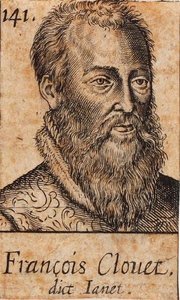
Франьойс Клое
1510 - 1572 , Франция
Бързи факти
- Artistic Movement Or Style: Ренесансова портретна живопис
- Artists Or Movements Influenced By This Artist: ['Френски портретисти']
- Artists Who Influenced This Artist:
- Жан Клоет
- Леонардо да Винчи
- Date Of Birth: c. 1510
- Date Of Death: 1572
- Full Name: François Clouet
- Nationality: Френски
- Notable Artworks:
- Портрет на Франциск I
- Портрет на Хенри II
- Мария Кралица Света
- Place Of Birth: Tours, Франция
Свързани статии

The Enduring Legacy of Oil on Canvas: Technique, History & Aesthetic Impact
Explore the rich history & techniques of oil painting – from Renaissance masters to Impressionism. Discover pigments, layering methods, and why this timeless medium endures. Expert insights for artists & art enthusiasts.
François Boucher: Rococo Master of Myth, Sensuality, and the French Court
Explore the captivating world of François Boucher, master of Rococo painting! Discover his iconic works, aristocratic patronage, and lasting influence on French art history. Learn more at OriginalUniqueArt.

The Enduring Power of Painting: A Historical & Contemporary Exploration of Form and Emotion
Explore the rich history & enduring techniques of oil painting with OriginalUniqueArt. Discover masterpieces, learn about art collecting, and find authentic handmade reproductions crafted by skilled artists.
The Timeless Charm of Oil on Board: Reimagining Texture and Light through the Impressionist Lens
Discover the profound intimacy of oil on panel. Explore how Impressionist masters used rigid supports to capture light, texture, and impasto depth through exquisite, handmade oil reproductions for discerning collectors.

Oil on Canvas: A Historical & Technical Exploration of a Timeless Artistic Medium
Explore the rich history & enduring techniques of oil painting on canvas. Discover the science behind its longevity, conservation practices, and contemporary relevance. Expert insights for art enthusiasts.

