

 Преглед в реален мащаб
 Сподели
 Сподели
 Подробности
 Ръководство

 Изтегляне
 Подобни артикули
 Рентгенова снимка
 Слайдшоу
 Статистика
Three Hares
 Acrylic On Canvas
- WallArt
- British Sporting Painting
 33.0 x 44.0 cm
 st John's College
 Разгърни целия текст
Жикле / Художествен принт
Giclée печат или принт върху платно с музейно качество, бързо производство и гъвкави опции за завършен вид. ( Поръчайте ръчно рисувано репродукция на този колекционерски предмет Превключване към дигитално изображение)




P118B €10

P118H €10

P118W €10

P438Z €10

P508JH €12

P508YH €12

P805H €10

P805Z €10

P919BZ €10

P919G €10

P919XJ €10

P959ZH €10

P968JZ €12

W106C €8

W218G €10

W218JH €8

W218Y €10

W307PJ €10

W316G €10

W316PJ €8

W316Y €10

W398PJ €8

W4111J €10

W500HY €15

W500JH €15

W692G €12

W849H €8

W940BG €15

W953PJ €8




Изберете от нашите предварително зададени размери, които съответстват на оригиналните пропорции на произведението.

Въведете необходимата ширина и височина, за да паснат на вашата рамка или стена. Принтовете могат само да се изрязват, но никога не могат да бъдат по-големи от оригиналната картина, така че при размер с различен формат част от изображението ще бъде загубена. Преди да започнем печат, ще ви изпратим дигитален мок업 за одобрение. Изображението, показано на тази страница, не показва реалното изрязване — само мок업ът го показва.
Доставка по целия свят () в рамките на 2 седмици вместо стандартните 4/5 седмици. (23 Октомври)

Безплатна експресна доставка по целия свят

Висококачествено ленено платно

Пълно застраховане на доставката

Гаранция за възстановяване на митнически такси

Гаранция за пълно съответствие на цветовете

Политика за връщане в рамките на 100 дни (само при дефекти)

100% Гаранция за връщане на сумата

Отстъпка при поръчка на повече произведения
 Опцията със стъкло е налична само за размери под 110 см

Three Hares
Жикле / Художествен принт
Размер на репродукцията
-


Крайна цена
€ 70
Three Hares by Francis Barlow: A Pioneer of British Wildlife Painting
Francis Barlow (1626–1704) stands as an undeniable cornerstone in the annals of British art history, recognized primarily for his groundbreaking role as Britain’s first wildlife painter. His oeuvre transcends mere representation; it embodies a profound engagement with the natural world and reflects the intellectual currents of his era—a period grappling with scientific discovery and burgeoning interest in observation.
The painting “Three Hares” exemplifies Barlow's distinctive style, characterized by meticulous detail and an unwavering commitment to capturing the essence of animal behavior. Executed in oil on panel around 1690, it hails from St John’s College, Oxford—a testament to its patronage and a symbol of the artistic flourishing within academic circles.
- Subject Matter: The artwork depicts three hares positioned amidst a tranquil meadow dotted with trees. This seemingly simple composition belies a complex layering of observation and symbolic intent.
- Style & Technique: Barlow’s approach aligns closely with the burgeoning scientific spirit of the time, mirroring the meticulous studies undertaken by naturalists like Robert Plot. His brushstrokes are deliberate and precise, conveying an uncanny realism that distinguishes him from many of his contemporaries. The artist skillfully utilizes chiaroscuro—the interplay of light and shadow—to sculpt the forms of the animals and imbue them with a palpable sense of vitality.
- Historical Context: “Three Hares” emerged during a pivotal moment in British intellectual history, coinciding with the rise of empiricism and the burgeoning fascination with taxonomy. Barlow’s work reflects the humanist conviction that understanding God's creation demanded careful observation and accurate depiction—a perspective championed by thinkers like Isaac Newton.
- Symbolism: Beyond its aesthetic qualities, “Three Hares” carries symbolic resonance. The hare itself was considered a creature of considerable significance in folklore and heraldry, representing fertility, vigilance, and cunning. Barlow’s portrayal elevates the hare to an emblem of British natural beauty and intellectual curiosity.
- Emotional Impact: Viewing “Three Hares” evokes a feeling of serene contemplation—a connection with the rhythms of nature and a celebration of artistic skill. Barlow's masterful rendering captures not only the visual appearance of the hares but also their inherent grace and movement, inviting viewers to appreciate the sublime qualities of the natural world.
The painting’s enduring appeal lies in its ability to transport us back to a time when art served as a conduit for scientific inquiry and spiritual contemplation—a legacy that continues to inspire artists and collectors alike.
Въпроси и отговори
Как е изградена цветовата композиция на „Three Hares“ на Francis Barlow?
В „Three Hares“ Balanced контрастът е съчетат с Strong Color Unity хармония.
Има ли слайдшоу за „Three Hares“ на Francis Barlow?
Налична е галерия със снимки: страницата Слайдшоу на „Three Hares“ на Francis Barlow.
Каква цветова палитра използва "Three Hares"?
Палитрата на „Three Hares“ на Francis Barlow е описана като Earthy. Това е кратко описание на цветовете в произведението.
Биография на художника
The Pioneer of the English Wild: The Life and Legacy of Francis Barlow
In the vibrant, often turbulent landscape of 17th-century England, few figures possessed the versatility and observational prowess of Francis Barlow. Born in Lincolnshire around 1626, Barlow emerged as a polymath of the visual arts—a painter, etcher, illustrator, and satirist whose work bridged the gap between scientific naturalism and popular storytelling. Often revered as the "Father of British Sporting Painting," his influence stretched far beyond the mere depiction of animals; he captured the very soul of the English countryside and the shifting political tides of his era. Though history occasionally overlooked his immense contributions, Barlow’s ability to infuse anatomical precision with narrative drama established a foundation for generations of British artists, most notably the legendary George Stubbs.
Barlow's artistic journey was marked by an extraordinary breadth of subject matter. He was not merely a chronicler of nature but a master of many disciplines, ranging from natural history and hunting scenes to political caricature and decorative design. His early career saw him making significant strides in book illustration, most notably through his twelve-plate work for Edward Benlowe's Theophila in 1652. This period of intense productivity showcased his skill as a printmaker, a talent that would later lead to collaborations with esteemed engravers like Wenceslaus Hollar. Whether he was etching woodcuts for Aesop’s Fables or painting the delicate textures of a bird's plumage, Barlow possessed an "exactness in the portrayal of birds, fishes, and animals" that earned him profound respect among his contemporaries.
A Visionary of Narrative and Satire
Beyond the tranquil scenes of wildlife, Barlow holds a unique place in the annals of art history as one of the world's first professional cartoonists. In 1682, he produced A True Narrative of the Horrid Hellish Popish Plot, a work that stands as a landmark in the evolution of sequential art. By utilizing illustrated sequences paired with text and—most revolutionary for his time—the use of speech balloons to allow characters to communicate, Barlow pioneered a technique that would eventually become the bedrock of modern comics. This satirical edge allowed him to navigate the complex sociopolitical atmosphere of Restoration England, using his pen to comment on the scandals and conspiracies that gripped the nation.
His work often functioned on multiple levels, offering both literal beauty and deep symbolic resonance. While a viewer might be captivated by the technical mastery of a hunting scene or the serene atmosphere of a farmyard, Barlow frequently embedded rich metaphors within his compositions. These subtle layers allowed his art to speak to the English populace's moods and political anxieties. His ability to blend the scientific observation of a naturalist with the biting wit of a satirist made him a singular voice in an age of profound transition.
The Final Chapter and Enduring Influence
Despite his prolific output and the high regard in which he was held by peers, Barlow’s later years were shadowed by hardship. The very versatility that defined his career did not shield him from financial instability; historical records, including those by Joseph Strutt, suggest that he died in 1704 in much-needed poverty. It is a poignant irony that an artist who so vividly captured the abundance of life and the excitement of the hunt should conclude his journey in such indigent circumstances.
Yet, the legacy of Francis Barlow remains undiminished by the struggles of his final days. His contributions to British art are foundational, leaving behind a trail of innovation that can be seen in:
- The Birth of Sporting Art: Establishing the tradition of depicting hunting, fishing, and wildlife with anatomical accuracy and atmospheric depth.
- Printmaking Excellence: Elevating the status of book illustration and etching through detailed, high-quality engravings.
- Sequential Storytelling: Laying the early groundwork for the comic strip through his innovative use of speech balloons and narrative panels.
- Natural History Illustration: Providing a vital visual record of fauna that influenced both the scientific and artistic communities of the 17th and 18th centuries.
Today, when we look upon works such as Three Hares or his evocative animal studies, we see more than just historical artifacts; we see the eyes of a man who truly understood the wildness of the world and the complexity of the human spirit.
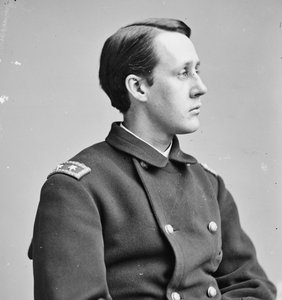
Francis Barlow
1624 - 1704 , United Kingdom
Бързи факти
- Full Name: Francis Barlow
- Nationality: English
- Date Of Birth: 1624
- Date Of Death: 1704
- Place Of Birth: Lincoln, United Kingdom
- Notable Artworks:
- Three Hares
- A Farmyard
- A Cassowary
- Theophila illustrations
- Artistic Movement Or Style: Natural history, hunting, and satire
- Artists Who Influenced This Artist: ['William Sheppard']
- Artists Or Movements Influenced By This Artist:
- George Stubbs
- British sporting painting
Свързани статии
John Francis Sartorius II: Equestrian Elegance & the Rise of British Portraiture
Explore the captivating world of Francis Sartorius II (1734-1804), a leading British painter renowned for his exquisite equestrian portraits and hunting scenes. Discover his life, techniques & enduring legacy.

Джон Сингър Сарджент: 25 шедьовъра за вашия дом | OriginalUniqueArt.com
Разгледайте 25 шедьовъра на Джон Сингър Сарджент – импресионистични портрети, елегантни дами и исторически сцени. Вдъхновете се за вашия дом! Луксозни репродукции на картини в OriginalUniqueArt.com.

Топ 25 шедьовъра на Ел Греко: Духовност и гений в изкуството за вашия дом
Разгледайте топ 25 шедьовъра на Ел Греко – икони на Ренесанса и испанското изкуство. Открийте историите зад духовните му картини, уникалната техника и символиката във всяка творба. Купете висококачествени репродукции за вашия дом на OriginalUniqueArt.com!
Франсис Бейкън: Топ 25 шедьовъра за ценители на изкуството и луксозен декор
Разгледайте топ 25 шедьовъра на Франсис Бейкън – експресивни портрети, триптихи и емоционални картини. Вдъхновете се за луксозен декор с модерно изкуство от OriginalUniqueArt.com! Разгледайте пълната колекция онлайн.

Топ 25 шедьовъра на Джон Констабъл: Английски пейзажи за вашия дом | OriginalUniqueArt.com
Открийте топ 25 шедьовъра на Джон Констабъл – английски пейзажи, романтизъм и красотата на природата. Репродукции с музейно качество за вашия дом! Разгледайте пълната колекция онлайн на OriginalUniqueArt.com.