
 Преглед в реален мащаб
 Изпрати
 Сподели
 Детайли
 Ръководство

 Изтегляне
 Подобни артикули
 Рентгенова снимка
 Слайдшоу
 Въпроси и отговори
 Статистика
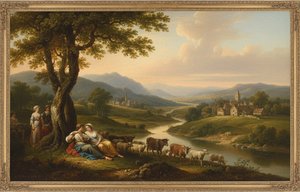
Shepherdess


 Прочети повече
Жикле / Художествен принт
Giclée печат или принт върху платно с музейно качество, бързо производство и гъвкави опции за завършен вид. ( Купете ръчно рисувана картина Превключване към дигитално изображение)




P118B €10

P118H €10

P118W €10

P438Z €10

P508JH €12

P508YH €12

P805H €10

P805Z €10

P919BZ €10

P919G €10

P919XJ €10

P959ZH €10

P968JZ €12

W106C €8

W218G €10

W218JH €8

W218Y €10

W307PJ €10

W316G €10

W316PJ €8

W316Y €10

W398PJ €8

W4111J €10

W500HY €15

W500JH €15

W692G €12

W849H €8

W940BG €15

W953PJ €8




Изберете от нашите предварително зададени размери, които съответстват на оригиналните пропорции на произведението.

Въведете необходимата ширина и височина, за да паснат на вашата рамка или стена. Принтовете могат само да се изрязват, но никога не могат да бъдат по-големи от оригиналната картина, така че при размер с различен формат част от изображението ще бъде загубена. Преди да започнем печат, ще ви изпратим дигитален мок업 за одобрение. Изображението, показано на тази страница, не показва реалното изрязване — само мок업ът го показва.
Доставка по целия свят () в рамките на 2 седмици вместо стандартните 4/5 седмици. (8 Ноември)

Безплатна експресна доставка по целия свят

Висококачествено ленено платно

Пълно застраховане на доставката

Гаранция за възстановяване на митнически такси

Гаранция за пълно съответствие на цветовете

Политика за връщане в рамките на 100 дни (само при дефекти)

100% Гаранция за връщане на сумата

Оферта за отстъпка при поръчка на повече бройки
 Опцията със стъкло е налична само за размери под 110 см

Shepherdess
Жикле / Художествен принт
Размер на репродукцията
-


Обща цена
€ 72
Биография на художника
Francesco Antonio Londonio (1723–1783): Shepherd of Milanese Pastoralism
Francesco Antonio Londonio (Milan, 1723 – Milan, 1783) stands as a pivotal figure in the late Baroque and Rococo artistic landscape of Lombardy. Born into a family steeped in artistic tradition—his father was a sculptor—Londonio’s formative years were spent honing his craft under the tutelage of Ferdinando Porta and Giovanni Battista Sassi in Milan, absorbing the stylistic precepts of their time. However, he wasn't confined to Milanese aesthetics; recognizing the broader currents of European art, he embarked on journeys to Rome and Naples, immersing himself in the vibrant artistic milieu of those cities and studying engraving with Benigno Bossi, a skill that would profoundly shape his oeuvre. Londonio’s artistic vision centered around the depiction of pastoral scenes—a genre championed by artists like Ceruti and cifrondi—characterized by an arresting juxtaposition of animals and peasants amidst tranquil landscapes. This fascination resonated deeply with the affluent patrons of Northern Italy who sought art that celebrated simplicity, harmony, and connection to nature. Influenced by Dutch masters such as Nicolaes Berchem, Adriaen van de Velde, and Paulus Potter – artists whose works circulated widely through reproductive prints – Londonio skillfully blended classical ideals with vernacular traditions. His engravings mirrored the stylistic innovations of Gaetano Zompini, demonstrating a keen awareness of contemporary artistic trends. His training began in Milan under the guidance of Ferdinando Porta and Giovanni Battista Sassi, where he absorbed the refined elegance of the Venetian Baroque and embraced the burgeoning Rococo style. Recognizing the importance of broadening his horizons, Londonio undertook expeditions to Rome and Naples, absorbing the dynamism of the papal court and engaging with the artistic dialogues unfolding within those centers of erudition. This exposure fueled his intellectual curiosity and enriched his artistic sensibility, preparing him for a career marked by both innovation and meticulous observation. He studied engraving with Benigno Bossi, mastering the technique of mezzotint—a process that allowed for nuanced tonal gradations and exceptional detail—a skill he would utilize extensively in his prints and etchings. Londonio’s oeuvre is distinguished by its unwavering devotion to pastoral subjects—a genre favored by artists like Ceruti and cifrondi—which conveyed a profound appreciation for the beauty of rural life and the harmonious relationship between humanity and nature. These paintings depict serene landscapes populated by animals and peasants, rendered with remarkable realism and imbued with symbolic significance. The artist’s meticulous attention to detail—evident in his depictions of animal anatomy and drapery folds—reflects a commitment to capturing the essence of his subjects with unwavering accuracy. His prints, particularly those featuring scenes from biblical narratives, exemplify his mastery of engraving technique and demonstrate an understanding of visual storytelling that anticipates developments in printmaking during the Enlightenment. A notable accomplishment was his involvement in the ambitious scenography project for La Scala opera house in Milan—commissioned by Empress Maria Theresa—where he conceived a nativity scene crafted from wooden shapes. This innovative undertaking represented a departure from the opulent stucco statuary prevalent at the time, prioritizing naturalistic observation and theatrical presentation. Londonio’s decision to eschew grandeur in favor of simplicity underscored his belief that art should serve as a conduit for spiritual contemplation and evoke an emotional response in viewers. The nativity scene served as a testament to his artistic vision and cemented his reputation as a pioneer of experimental scenography, influencing subsequent generations of artists and designers. Francesco Antonio Londonio’s legacy extends beyond his individual artworks—which are housed primarily in the Pinacoteca di Brera—to his contribution to the broader cultural landscape of Lombardy during the eighteenth century. His work embodies the spirit of the Rococo era—characterized by elegance, refinement, and a fascination with illusionistic effects—and stands as an enduring symbol of Milanese artistic excellence. Londonio’s meticulous craftsmanship and profound understanding of artistic principles continue to inspire admiration for his enduring contribution to art history.
Франческо Антонио Лондоньо
1723 - 1783 , Италия
Бърза информация
- Artistic Movement Or Style: Барокко и Рококо
- Artists Or Movements Influenced By This Artist:
- Николаас Берхем
- Адриаан ван де Велде
- Паулюс Потер
- Artists Who Influenced This Artist:
- Фердинандо Порта
- Джованни Батиста Сасси
- Бенегно Босси
- Date Of Birth: Milan, Italy (1723)
- Date Of Death: 1783
- Full Name: Francesco Antonio Londonio
- Nationality: Италиански
- Notable Artworks: ['Пастирална сцена']
- Place Of Birth: Milan
Свързани статии

Idyllic Visions: Exploring Pastoral Scenes in Art History – From Arcadia to Modern Interpretations
Explore the captivating history of pastoral art, from classical Arcadia to 19th-century masterpieces. Discover key artists like Millet & Cole and find serene landscape paintings for your home at OriginalUniqueArt.

Топ 10 шедьоври на XVIII век: Изкуство, история и красота за вашия дом
Разгледайте 10 шедьовъра от XVIII век – барокови портрети, рококо пейзажи и исторически картини на Гоя, Фрагонар и други. Вдъхновете се за луксозен декор с OriginalUniqueArt.com! Разгледайте пълната колекция онлайн.

Francesco Guardi: Venetian Light, Atmospheric Perspective & the Rococo to Neoclassical Transition
Explore the captivating world of Francesco Guardi, master of Venetian light and atmosphere. Discover his transition from Rococo to Neoclassicism, influence on Impressionism & investment potential with OriginalUniqueArt.
Idyllic Visions: Exploring the Pastoral Tradition in Western Art – Themes, Techniques & Enduring Appeal
Explore the rich history of pastoral art from classical Arcadia to contemporary interpretations. Discover key artists, themes & collecting tips at OriginalUniqueArt.

Idyllic Visions: Exploring the Pastoral Scene in Art History – From Arcadia to Modern Interpretations
Explore the captivating history of pastoral art from classical Arcadia to modern masterpieces. Discover key artists like Millet & Cole at OriginalUniqueArt. Find serene landscape paintings for your home.