Превключване към принт
 Прочети повече







































 За произведения на изкуството или репродукции, чийто размер е над 105 см (приблизително 41 инча) във всяка страна, рамката ще бъде изпратена в разглобен вид като комплект за сглобяване. Този метод гарантира безопасна доставка и предотвратява повреди по време на транспортиране.


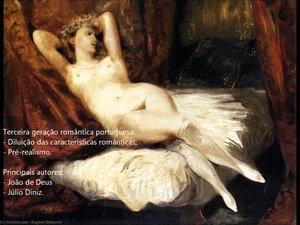
Delacroix's *Odalisque*: A Window into Romantic Exoticism
Eugène Delacroix’s *Odalisque*, completed in 1857, is more than simply a portrait; it’s an immersive experience, a carefully constructed tableau that transports the viewer to the opulent and enigmatic world of the Ottoman harem. Measuring a modest 35 x 30 cm, this oil on canvas radiates a quiet intensity, a testament to Delacroix's mastery of color and his profound understanding of human emotion. The painting’s enduring appeal lies not just in its technical brilliance but also in its potent symbolism – a visual embodiment of the Romantic fascination with the ‘other,’ specifically the alluring mystery of the East.
- A Masterclass in Romantic Technique: Delacroix, deeply influenced by Rubens and the Venetian Renaissance, employed loose brushstrokes and vibrant color to evoke movement and atmosphere. Notice how he doesn’t meticulously render every detail; instead, he uses broad washes of pigment to suggest form and texture, creating a sense of immediacy and dynamism.
- The Allure of the Odalisque: The term “odalisque” itself – a female attendant or concubine in an Ottoman harem – carries connotations of exotic beauty, sensuality, and veiled secrets. Delacroix’s subject is presented with a languid grace, her pose inviting contemplation and fueling the viewer's imagination about her story.
Color and Light: The Language of Emotion
Delacroix’s palette in *Odalisque* is dominated by warm, sensual tones – rich golds, deep blues, and subtle pinks – that contribute significantly to the painting’s emotional impact. He skillfully manipulates light to create a sense of depth and volume, bathing the subject in a soft, diffused glow. The play of light on her skin isn't merely descriptive; it’s deliberately employed to evoke feelings of tranquility, vulnerability, and perhaps even a hint of melancholy. This careful orchestration of color and light is characteristic of Delacroix’s Romantic approach, prioritizing emotional expression over strict realism.
Historical Context and Symbolism
Painted during a period of intense social and political change in France – the July Revolution of 1830 had just taken place – *Odalisque* reflects the broader Romantic movement's rejection of classical restraint. Delacroix’s interest in Orientalism was not simply aesthetic; it represented a desire to escape the confines of European society and explore new worlds, both real and imagined. The harem itself became a potent symbol of forbidden desires and exotic allure, frequently depicted in Western art as a space of sensual indulgence and hidden power.
A Timeless Masterpiece – Recreated for Today
*Odalisque* remains one of Delacroix’s most celebrated works, admired for its beauty, its emotional depth, and its historical significance. OriginalUniqueArt offers meticulously crafted hand-painted reproductions that capture the essence of this iconic painting, allowing you to bring a piece of art history into your home or office. Each reproduction is created using archival quality materials, ensuring lasting vibrancy and authenticity.
Въпроси и отговори
Какво място заема „Odalisque“ на Евжен Делакроа в историята на изкуството?
Исторически „Odalisque“ е произведение от Romantic Movement, принадлежащо към по-широката епоха на 19th Century.
Какво определя правния статус на „Odalisque“ на Евжен Делакроа по отношение на авторското право?
Статусът на авторското право върху "Odalisque" - в обществено достояние – авторското право е изтекло - се определя от годината на смъртта на художника – 1863.
Мога ли да видя рентгенов образ на „Odalisque“ на Евжен Делакроа?
Страницата Рентгенови лъчи на „Odalisque“ на Евжен Делакроа е интерактивен визуализатор, който ви позволява да разгледате единадесет оптични слоя на произведението, включително и рентгенов вид.
 Преглед в реален мащаб
 Изпрати
 Сподели
 Детайли
 Ръководство

 Изтегляне
 Подобни артикули
 Рентгенова снимка
 Слайдшоу
 Въпроси и отговори
 Статистика