

 Представи си го
 Изпрати
 Сподели
 Детайли

 Изтегляне
 Подобни
 Рентгенова снимка
 Слайдшоу
 Статистика
Nude study
 Drawing
- WallArt
- Symbolism
 1902
1902- 19th Century
 44.0 x 15.0 cm
 Национална галерия на Босна и Херцеговина
 Прочетете повече
Закупете дигитално изображение с висока резолюция и подобрени характеристики, значително по-добро от онлайн прегледа.
Всеки файл е щателно подготвен от нашите специалисти с помощта на съвременни инструменти и експертна ръчна ретуш. Гарантираме, че всяко изображение има изключителна яснота, прецизна цветова точност и фини детайли.
Окончателният файл се доставя по имейл в рамките на 72 часа, оптимизиран за незабавна употреба в професионални, редакционни и печатни среди. Това е същото качество, на което се доверяват водещи дизайнерски студия, издатели и галерии.
Дигитално изображение
Изтеглете файл с висока резолюция за лично показване, принтиране и творчески проекти. ( Превключване към принт Купете ръчно рисувана картина)
Включено във всяка поръчка за дигитални изображения
Експресна дигитална доставка, гарантирана
Когато изберете OriginalUniqueArt.com, вие не получавате само изображение – вие получавате професионално подобрена дигитална творба, създадена с прецизност и подкрепена от гаранция за удовлетворение. Ето всичко, което автоматично се включва в вашата поръчка:

Бърза доставка по имейл
Вашето дигитално изображение с висока резолюция ще ви бъде изпратено по имейл в рамките на 72 часа от поръчката - готово за незабавно използване.

Дигитален файл с подобрено качество чрез изкуствен интелект
Вашата картина е професионално оптимизирана с помощта на усъвършенствани инструменти за изкуствен интелект и ръчна редакция, осигурявайки максимална детайлност, яснота и точност на цветовете.

Безплатна доживотна повторна доставка
Изгубили сте или сте премахнали файла си по погрешка? Не се притежнявайте – ще го изпратим отново на Вас по всяко време, безплатно.

Без такки за мито - никога
Всредите си веднага без мита, данъци или такси по доставка - дигителните приложения винаги са без данъчно освободени.

Гаранция за точност на цветовете
Гарантираме, че вашето дигитално изображение отразява оригиналните цветове възможно най-точно, използвайки професионални инструменти и управление на цветовете.

100-дневна гаранция за удовлетвореност
Ако не сте доволни от вашето дигитално изображение, ще го преработим или ще възстановим 100% от сумата в рамките на 100 дни – без излишни въпроси.

100% Гаранция за връщане на пари.
Не сте доволни? Получете пълен възврат на сумата в рамките на 100 дни от получаването на вашия цифров файл – без излишни въпроси.

Отстъпки за големи поръчки
Купете 3 изображения, спестете 10% - Купете 5, спестете 15% - Купете 10+, спестете 20%. Отлично за творчески проекти, галерии и агенства.
A Meditation in Line: Exploring Hodler's Nude Study
To gaze upon Ferdinand Hodler’s "Nude Study" is to encounter a moment suspended between prayer and profound introspection. This drawing, executed in the early years of 1902, transcends the mere depiction of a figure; it captures an internal landscape rendered visible through delicate graphite or charcoal lines. The subject—a solitary nude woman standing before a stark wall—is immediately arresting. Her posture, with hands clasped together and her gaze directed downward, suggests a deep communion, perhaps a moment of quiet supplication or the weighty contemplation that accompanies profound thought. Hodler masterfully isolates this figure against a backdrop that hints at other presences, yet keeps the focus intensely personal, drawing the viewer into the silent drama unfolding within her own spirit.
The Symbolism of Stillness and Form
Hodler’s work is deeply steeped in the currents of Symbolism, an artistic movement fascinated by the unseen realities—dreams, emotions, and spiritual states—rather than just the visible world. In this study, the nude form itself becomes a vehicle for symbolic weight. It is not merely anatomical; it embodies vulnerability, purity, and the enduring human condition grappling with existence. The act of looking down, the gesture of clasped hands, speaks volumes about themes of mortality and spiritual yearning—concerns that permeated Hodler’s life following personal losses in his youth. The surrounding background figures, though less detailed, serve to contextualize her solitude, suggesting that while she is alone in this moment of reflection, she exists within a shared human experience.
Technique and Evocative Medium
The choice of drawing media lends the piece an immediate intimacy. Unlike the permanence of oil paint, the drawn quality allows Hodler to achieve an exquisite delicacy. The lines themselves seem almost breath-like, tracing contours with an economy of effort that speaks to both technical mastery and emotional urgency. This black and white rendering strips away the distraction of color, forcing the viewer’s attention entirely onto value, line weight, and the subtle interplay between light and shadow across the skin and the textured wall behind her. It is a study in restraint, where what is left unsaid—or unpainted—is often the most powerful element.
Bringing Contemplation Home
For those who appreciate art that speaks to the soul rather than just the eye, this reproduction offers an unparalleled opportunity for contemplation. Whether displayed in a gallery setting or as a thoughtful accent piece within a private sanctuary, "Nude Study" introduces an atmosphere of hushed reverence. It invites the collector, the designer, and the admirer alike to pause their daily rush, to consider the weight of quiet moments, and to find beauty in the eloquent silence captured by a master like Hodler.
Биография на художника
A Life Etched in Symbolism: The World of Ferdinand Hodler
Ferdinand Hodler, a name inextricably linked to the landscape and evocative symbolism of Swiss painting, emerged from humble beginnings to become one of the most significant artists of the late 19th and early 20th centuries. Born in Bern, Switzerland, in 1853, his life was profoundly shaped by early loss – a recurring motif that would deeply inform his artistic vision. The untimely deaths of his father and two younger brothers before he reached adolescence instilled within him a contemplative awareness of mortality and the transient nature of existence. These experiences, interwoven with an acute sensitivity to the beauty and power of the natural world, formed the bedrock of his evolving oeuvre. Initially apprenticed to decorative painters, Hodler’s innate talent quickly transcended mere craftsmanship; he harbored a fervent desire for formal artistic training and exploration beyond the constraints of commercial work. This ambition led him to Geneva in 1871, where he immersed himself in study, attending science lectures alongside diligently copying masterpieces at the city's museum – a rigorous education that laid the foundation for his groundbreaking innovations.From Realism to ‘Parallelism’: Forging a Unique Vision
Hodler’s artistic journey was characterized by constant evolution and an unwavering pursuit of expressive power. His early works reflected the prevailing realist style prevalent at the time—portraits, landscapes, and genre scenes executed with meticulous detail. However, he soon found himself constrained by these conventions, seeking a means to convey deeper emotional truths and philosophical ideas. This quest led him towards Symbolism, a movement that deliberately rejected naturalistic representation in favor of subjective experience and evocative imagery. Yet Hodler didn’t simply adopt the tenets of Symbolism; instead, he meticulously crafted his own distinctive approach, which he termed “parallelism.” This unique style involved arranging figures and forms in rhythmic, almost geometric patterns—a visual manifestation of interconnectedness and a deliberate attempt to depict not just *what* he saw, but *how* he felt – the underlying emotional currents that connected all things. The Night, completed in 1890, stands as a pivotal work, marking his decisive turn towards symbolist imagery and sparking considerable debate amongst critics. Despite initial skepticism, the painting garnered significant attention in Paris, establishing Hodler’s reputation beyond Switzerland's borders and signaling the arrival of a truly original voice.Landmarks in Paint: Key Works and Their Significance
Throughout his prolific career, Hodler produced a remarkable body of work that continues to captivate audiences today. The Day, completed in 1893, stands as one of his most ambitious and celebrated achievements—a monumental historical painting showcasing his mastery of composition and symbolism. Housed at the Kunsthaus Zürich, this artwork is a powerful meditation on life, death, and renewal, rendered with an arresting blend of realism and visionary intensity. The sheer scale and emotional weight of The Day cemented Hodler’s position as a leading figure in European art. Other notable works include numerous depictions of the Swiss Alps, imbued with a sense of awe-inspiring grandeur—often capturing fleeting moments of light and shadow that evoke a profound connection to nature. Portraits, too, played a significant role in his oeuvre, revealing his remarkable ability to penetrate the inner lives of his subjects and convey their unique personalities through subtle gestures and expressions. He frequently revisited themes of loss and mourning, perhaps reflecting his own childhood traumas, but always imbued them with a sense of dignity and resilience—a testament to his artistic sensitivity. Works like Truth II (1897) demonstrate Hodler’s ability to seamlessly blend classical forms with modern sensibilities, creating images that are both timeless and strikingly contemporary – a reflection of his innovative spirit and willingness to challenge conventional artistic boundaries.A Lasting Legacy: Influence and Historical Context
Ferdinand Hodler's influence extended far beyond the borders of Switzerland. His innovative use of symbolism and his development of “parallelism” paved the way for Expressionism, with its emphasis on subjective emotion and distorted forms. Artists who followed in his footsteps recognized him as a precursor to their own explorations of inner experience. Hodler’s work also resonated with broader cultural currents of the late 19th and early 20th centuries—a period marked by rapid social change, scientific advancements, and a growing sense of existential anxiety. His paintings offered a visual language for grappling with these complex issues, providing solace and insight in an increasingly uncertain world. Hodler was deeply influenced by the writings of Nietzsche and the philosophical currents of his time, which informed his exploration of themes such as mortality, spirituality, and the search for meaning. Today, Hodler’s works are held in major museums across Europe and beyond, ensuring that his artistic vision continues to inspire and challenge generations of viewers. He remains a towering figure in Swiss art history, celebrated not only for his technical skill but also for his profound emotional depth and unwavering commitment to exploring the mysteries of the human condition.Exploring Hodler Further
- For an in-depth look at his life and work: Wikipedia - Ferdinand Hodler
- Discover more of his paintings at: OriginalUniqueArt - Ferdinand Hodler Collection
- View *The Day* (1893) here: OriginalUniqueArt - The Day
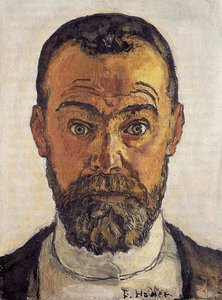
Фердинанд Ходлер
1853 - 1918 , Швейцария
Бързи факти
- Artistic Movement Or Style: Символизъм, Паралелизъм
- Artists Or Movements Influenced By This Artist: ['Експресионизъм']
- Artists Who Influenced This Artist: ['Густав Курбе']
- Date Of Birth: 1853 г.
- Date Of Death: 1918 г.
- Full Name: Фердинанд Ходлер
- Nationality: Швейцарец
- Notable Artworks:
- Нощ
- Ден
- Истина II
- Place Of Birth: Берн, Швейцария