
 Преглед в реален мащаб
 Изпрати
 Сподели
 Детайли
 Ръководство

 Изтегляне
 Подобни артикули
 Рентгенова снимка
 Слайдшоу
 Статистика
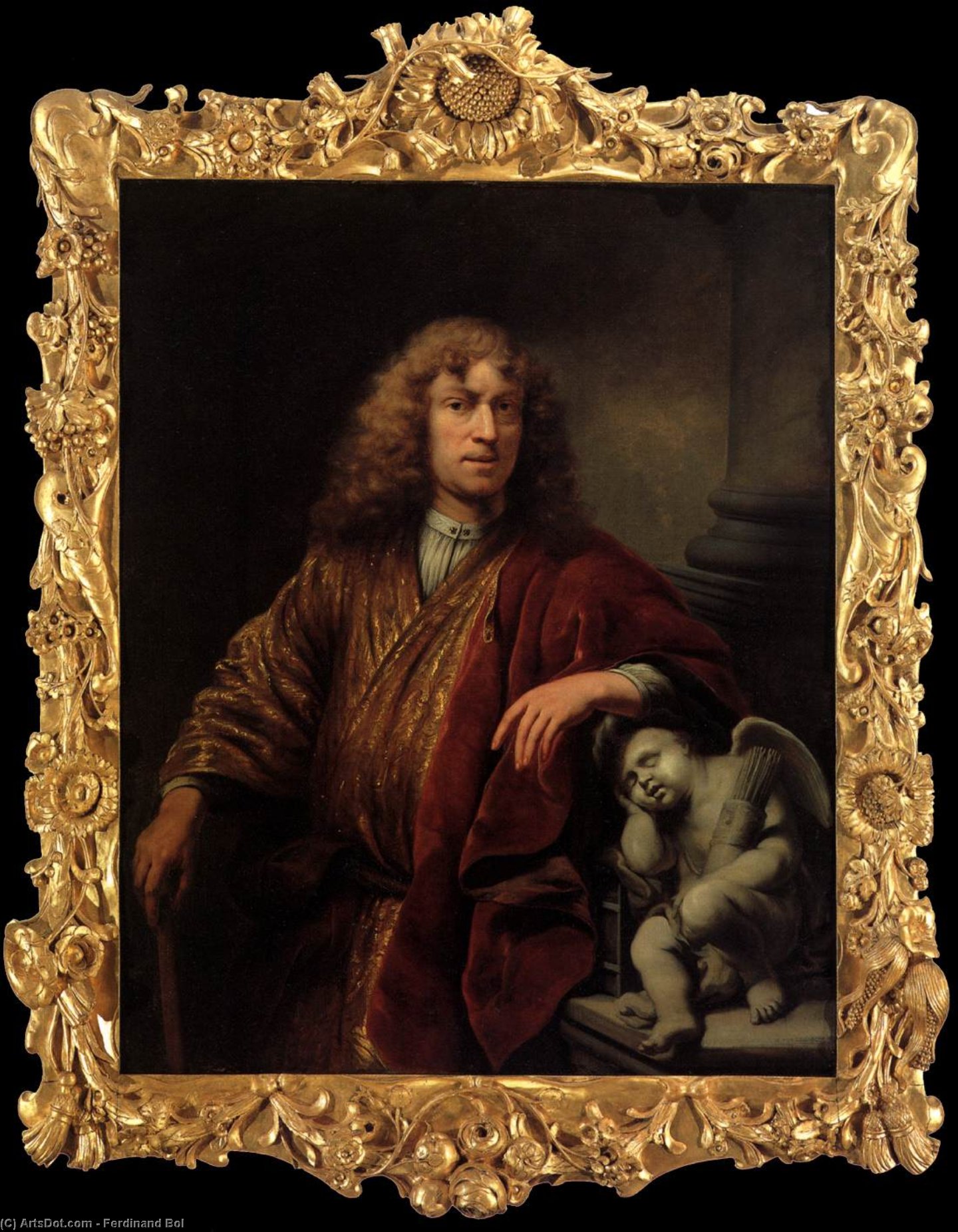
Self-Portrait
 Oil On Canvas
- WallArt
- Baroque
 1669
1669- Early Modern
 128.0 x 104.0 cm
 Рейксмюсеум
 Прочети повече
Жикле / Художествен принт
Giclée печат или принт върху платно с музейно качество, бързо производство и гъвкави опции за завършен вид. ( Купете ръчно рисувана картина Превключване към дигитално изображение)




P118B €10

P118H €10

P118W €10

P438Z €10

P508JH €12

P508YH €12

P805H €10

P805Z €10

P919BZ €10

P919G €10

P919XJ €10

P959ZH €10

P968JZ €12

W106C €8

W218G €10

W218JH €8

W218Y €10

W307PJ €10

W316G €10

W316PJ €8

W316Y €10

W398PJ €8

W4111J €10

W500HY €15

W500JH €15

W692G €12

W849H €8

W940BG €15

W953PJ €8




Изберете от нашите предварително зададени размери, които съответстват на оригиналните пропорции на произведението.

Въведете необходимата ширина и височина, за да паснат на вашата рамка или стена. Принтовете могат само да се изрязват, но никога не могат да бъдат по-големи от оригиналната картина, така че при размер с различен формат част от изображението ще бъде загубена. Преди да започнем печат, ще ви изпратим дигитален мок업 за одобрение. Изображението, показано на тази страница, не показва реалното изрязване — само мок업ът го показва.
Доставка по целия свят () в рамките на 2 седмици вместо стандартните 4/5 седмици. (28 Октомври)

Безплатна експресна доставка по целия свят

Висококачествено ленено платно

Пълно застраховане на доставката

Гаранция за възстановяване на митнически такси

Гаранция за пълно съответствие на цветовете

Политика за връщане в рамките на 100 дни (само при дефекти)

100% Гаранция за връщане на сумата

Оферта за отстъпка при поръчка на повече бройки
 Опцията със стъкло е налична само за размери под 110 см

Self-Portrait
Жикле / Художествен принт
Размер на репродукцията
-


Обща цена
€ 71
The Grandeur of Self-Reflection: A Baroque Masterpiece
To stand before this self-portrait is to encounter not merely a likeness, but a carefully constructed statement of status, intellect, and enduring confidence. Rendered in the opulent style of the Baroque period, this work captures the sitter at a moment of profound self-possession. The composition immediately draws the eye into the central figure, whose very bearing speaks of wealth and established dignity. Notice how the artist has utilized dramatic lighting—the hallmark of chiaroscuro—allowing deep shadows to cradle rich folds of fabric while brilliant highlights catch the sheen of luxurious garments and the thoughtful planes of the face. It is a visual symphony built upon contrast, demanding that the viewer pause and absorb the weight of its artistry.
Technique and Material Mastery
The technical execution here is nothing short of masterful. The artist employed oil paints on canvas, allowing for an incredible depth of texture that seems almost palpable. One can trace the meticulous brushwork in the sitter's richly draped clothing, where visible strokes build up volume and suggest the weight of velvet and silk. The handling of skin tones contrasts beautifully with the solidity of the architectural elements—the column and the subtle backdrop. These lines are not merely outlines; they flow, guiding the viewer’s gaze through the carefully orchestrated space. The perspective is expertly managed, employing a one-point focus that anchors all visual energy directly onto the self-portraitist, making the viewing experience intensely personal.
Historical Echoes and Symbolism
Dating to 1669, this piece emerges from the vibrant, ambitious heart of the Dutch Golden Age. While the sitter presents himself as a man of considerable means, the inclusion of the small statue in the background adds a layer of intellectual depth. Such symbolic elements often alluded to classical virtues—perhaps wisdom, or divine favor—suggesting that the subject’s self-regard was rooted not just in earthly success, but in cultivated virtue. The entire presentation speaks to an era where portraiture served as both commemoration and carefully curated public identity.
Bringing Baroque Grandeur Home
For those seeking to infuse a space with the gravitas and romance of historical European art, this reproduction offers unparalleled depth. Imagine this piece gracing a formal drawing-room or a library; its rich palette of deep reds, burnished golds, and warm browns will anchor any sophisticated interior design scheme. The layered textures and dramatic interplay of light make it an instant focal point. Owning a high-quality rendition allows one to connect intimately with the technical brilliance of Ferdinand Bol’s era, bringing home not just a painting, but a tangible piece of Baroque narrative drama.
Въпроси и отговори
За какво се препоръчва използването на принт от "Self-Portrait"?
Репродукцията на „Self-Portrait“ на Фердинанд Бол е препоръчителна за Accent. Това предложение произтича от темата, настроението и цветовете на произведението.
Какво ниво на контраст притежава „Self-Portrait“ на Фердинанд Бол?
Светло-тъмният контраст на „Self-Portrait“ е определен като Bold. Контрастът описва доколко силно се различават светлите и тъмните зони.
Какви са размерите на оригиналната творба "Self-Portrait"?
Размерите на оригиналното произведение "Self-Portrait" са 128 x 104 cm. Оригиналните размери са полезен ориентир при избора на размер на репродукцията.
Биография на художника
Ferdinand Bol: A Forgotten Jewel of the Dutch Golden Age
Ferdinand Bol, a name perhaps less frequently heard than those of Rembrandt van Rijn or Johannes Vermeer, nevertheless holds a significant and increasingly appreciated position within the pantheon of 17th-century Dutch Masters. Born in Dordrecht in 1616, his artistic journey was inextricably linked to that of Rembrandt, beginning with an apprenticeship in the master’s Amsterdam studio – a formative period that profoundly shaped Bol's style, initially mirroring Rembrandt’s techniques with remarkable fidelity. While it might be tempting to simply label Bol as a mere imitator, such a categorization would unjustly diminish his own unique artistic voice and considerable talent. His early life provided a foundation for a career characterized by both technical brilliance and a gradual evolution towards an independent stylistic identity. The details surrounding his initial training remain somewhat shrouded in the mists of history – possibilities include tutelage under Jacob Cuyp in Dordrecht or Abraham Bloemaert in Utrecht – but undoubtedly, his time with Rembrandt proved to be the most influential element in shaping his artistic development, immersing him in the dramatic lighting, psychological depth, and masterful brushwork that defined the Baroque period.Rembrandt’s Shadow and the Emergence of a Distinct Style
Bol's artistic trajectory is marked by a fascinating progression – beginning with meticulous emulation and culminating in a distinctly personal style. His early works are undeniably indebted to Rembrandt’s influence; compositions frequently echo those of his teacher, employing similar *chiaroscuro* effects (the dramatic contrast between light and dark) and a penchant for portraying figures caught in moments of intense emotional or psychological drama. However, as Bol matured, he began to refine his technique, moving towards a greater emphasis on clarity, elegance, and refined detail. His palette subtly shifted, becoming lighter and more nuanced, while his figures acquired a more polished, aristocratic bearing – a departure from the sometimes rougher edges characteristic of Rembrandt’s earlier work. This stylistic shift is particularly evident in his portraits, which quickly became highly sought after by Amsterdam's wealthy elite. He rapidly ascended through the ranks of Amsterdam’s artistic community, becoming a *burgher* (citizen) in 1652 and marrying into a family with connections to both the Admiralty and the wine merchants’ guild – affiliations that undoubtedly contributed to securing prestigious commissions. Notably, he received orders for elaborate chimney pieces for the newly constructed Amsterdam Town Hall, designed by Jacob van Campen, a clear indication of his growing reputation and artistic standing. He even took on pupils of his own, most notably Godfrey Kneller, who would later achieve fame as an English portrait painter.A Diverse Oeuvre: Historical Narratives and Portraiture
Bol’s artistic output is remarkably diverse, encompassing grand historical paintings, intimate portraits, *tronies* (character studies), and even some evocative landscape scenes. He demonstrated a particular aptitude for large-scale historical narratives, imbuing them with a sense of grandeur and dramatic tension. The Peace Negotiations between Claudius Civilis and Quintus Petillius Cerealis on the Demolished Bridge, now housed in a museum collection, stands as a prime example of his skill in depicting complex events with compelling visual impact. The painting not only showcases his mastery of composition and perspective but also his ability to convey the weight of historical significance through expressive gestures and meticulously rendered details. However, it was perhaps in the realm of portraiture that Bol truly excelled. He possessed an uncanny ability to capture the likenesses of his sitters while simultaneously revealing their inner character and social status – a skill that made him highly sought after by Amsterdam’s prominent citizens. His portraits are characterized by a refined elegance and psychological insight, offering glimpses into the lives and personalities of those who shaped the city's cultural landscape. Works like Man in Golden Helmet (Mars), now residing in Warsaw’s National Museum, exemplify this talent, presenting a figure imbued with both authority and vulnerability.Influences and Artistic Development
Bol’s artistic development was profoundly influenced by Rembrandt, but he also drew inspiration from other artists and movements. His early work shows traces of the influence of Abraham Bloemaert in Utrecht, known for his detailed landscapes and portraits. The meticulous attention to detail and the use of light and shadow that characterized Bloemaert's style likely contributed to Bol’s own artistic sensibilities. Furthermore, he was deeply affected by the prevailing trends of the Baroque period, particularly the dramatic lighting and emotional intensity favored by Caravaggio. However, Bol ultimately developed a distinctly personal style, moving away from the sometimes overly theatrical approach of his teacher and embracing a greater sense of clarity and elegance. His palette lightened, his figures acquired a more polished bearing, and he began to experiment with new compositional techniques. This evolution culminated in a body of work that is both technically brilliant and emotionally resonant – a testament to Bol’s artistic talent and his ability to synthesize diverse influences into a unique and compelling style.Legacy and Rediscovery
Despite enjoying considerable success during his lifetime, Ferdinand Bol's reputation suffered a significant decline after his death in 1680. His works were often misattributed to Rembrandt, obscuring his individual contributions to Dutch Golden Age painting. It wasn’t until the 20th century that concerted efforts began to re-evaluate his oeuvre and establish him as a significant artist in his own right. Today, scholars and collectors are increasingly recognizing the unique qualities of Bol’s work – his masterful technique, his evolving stylistic independence, and his ability to capture both the outward appearance and inner lives of his subjects. While his output remains relatively modest compared to some of his contemporaries, the surviving paintings offer a captivating window into the artistic and cultural landscape of 17th-century Amsterdam. Bol’s legacy continues to inspire admiration and intrigue, ensuring that this once-forgotten master will continue to be rediscovered and appreciated by generations to come. His works are now housed in museums across Europe and North America, providing opportunities for art enthusiasts to experience the beauty and complexity of his artistic vision.
Фердинанд Бол
1616 - 1680 , Нидерландия
Бърза информация
- Artistic Movement Or Style: Барокo
- Artists Or Movements Influenced By This Artist: ['Рембрандт']
- Artists Who Influenced This Artist: ['Рембрандт']
- Date Of Birth: 24 юни 1616
- Date Of Death: 24 август 1680
- Full Name: Ferdinand Bol
- Nationality: Худец
- Notable Artworks:
- Мирните преговори...
- Пируш показва...
- Мъж в златен шлем
- Place Of Birth: Дордрехт, Нидерландия
Свързани статии

Mastering Light & Shadow: A Journey Through the Dutch Golden Age's Luminous Legacy
Embark on a cultural journey through the Dutch Golden Age. Explore the masterful interplay of light and shadow in 17th-century masterpieces, from Rembrandt to Vermeer, and discover how this era of profound realism continues to inspire fine art collectors today.

Топ 10 шедьоври на нидерландския барок: Изкуство за вашия дом от OriginalUniqueArt
Разгледайте топ 10 шедьоври на нидерландския барок – Рембранд, Вермеер и други. Открийте историите зад картините, техниките и влиянието им върху изкуството. Музейно качество репродукции на OriginalUniqueArt.com! Разгледайте пълната колекция онлайн.

Топ 10 шедьовъра на Златния век на нидерландското изкуство | OriginalUniqueArt.com
Потопете се в Златния век на нидерландското изкуство! Рембранд, Вермеер и други майстори – разкрийте историите зад 10 шедьовъра. Купете висококачествени репродукции на картини за вашия дом на OriginalUniqueArt.com.

Golden Age Reflections: Dutch Baroque Painting & Cultural Innovation
Explore the Dutch Golden Age of painting! Discover key artists like Vermeer & ter Borch, their innovative techniques, and the rich cultural context behind these Baroque masterpieces. Learn about collecting & appreciating this iconic art period.

Golden Light & Dutch Skies: The Timeless Magic of Dutch Golden Age Landscapes
Discover the breathtaking beauty of Dutch Golden Age landscapes. Explore the mastery of light, chiaroscuro, and 17th-century realism through an expert art history lens, celebrating the enduring legacy of the Dutch Masters for discerning collectors and art lovers.
