

 Преглед в реален мащаб
 Сподели
 Сподели
 Подробности
 Ръководство

 Изтегляне
 Подобни артикули
 Рентгенова снимка
 Слайдшоу
 Статистика
In the camp
 Acrylic On Canvas
- WallArt
- Surrealism
 1940
1940 47.0 x 42.0 cm
 Deutsches Historisches Museum
 Разгърни целия текст
Жикле / Художествен принт
Giclée печат или принт върху платно с музейно качество, бързо производство и гъвкави опции за завършен вид. ( Поръчайте ръчно рисувано репродукция на този колекционерски предмет Превключване към дигитално изображение)




P118B €10

P118H €10

P118W €10

P438Z €10

P508JH €12

P508YH €12

P805H €10

P805Z €10

P919BZ €10

P919G €10

P919XJ €10

P959ZH €10

P968JZ €12

W106C €8

W218G €10

W218JH €8

W218Y €10

W307PJ €10

W316G €10

W316PJ €8

W316Y €10

W398PJ €8

W4111J €10

W500HY €15

W500JH €15

W692G €12

W849H €8

W940BG €15

W953PJ €8




Изберете от нашите предварително зададени размери, които съответстват на оригиналните пропорции на произведението.

Въведете необходимата ширина и височина, за да паснат на вашата рамка или стена. Принтовете могат само да се изрязват, но никога не могат да бъдат по-големи от оригиналната картина, така че при размер с различен формат част от изображението ще бъде загубена. Преди да започнем печат, ще ви изпратим дигитален мок업 за одобрение. Изображението, показано на тази страница, не показва реалното изрязване — само мок업ът го показва.
Доставка по целия свят () в рамките на 2 седмици вместо стандартните 4/5 седмици. (27 Октомври)

Безплатна експресна доставка по целия свят

Висококачествено ленено платно

Пълно застраховане на доставката

Гаранция за възстановяване на митнически такси

Гаранция за пълно съответствие на цветовете

Политика за връщане в рамките на 100 дни (само при дефекти)

100% Гаранция за връщане на сумата

Отстъпка при поръчка на повече произведения
 Опцията със стъкло е налична само за размери под 110 см

In the camp
Жикле / Художествен принт
Размер на репродукцията
-


Крайна цена
€ 70
Felix Nussbaum’s “In The Camp” – A Portrait of Despair Rendered in Bold Minimalism
The painting "In The Camp" by Felix Nussbaum, created in 1940 during his imprisonment at Saint Cyprien internment camp—a harrowing experience that encapsulates the psychological toll of Nazi persecution—stands as a testament to both artistic innovation and profound human emotion. Nussbaum’s oeuvre is marked by Neue Sachlichkeit, or New Objectivity, an art movement born from disillusionment with Expressionism's emotional fervor following World War I. This stylistic choice reflects Nussbaum’s desire to confront the brutal realities of his situation without resorting to sentimental melodrama—a deliberate rejection of artistic conventions that would have obscured the gravity of the subject matter.- Subject Matter: The painting depicts a man seated on a crate in the sand, positioned against a bleak landscape dominated by barbed wire and scattered bones. This stark visual representation underscores the dehumanizing conditions endured by Jewish internees during the occupation of France.
- Composition & Technique: Nussbaum employs a minimalist approach—primarily black and white—to heighten the impact of his depiction. The subdued palette amplifies the sense of isolation and hopelessness, mirroring the psychological state of those imprisoned. Thick brushstrokes contribute to textural richness, conveying both physical discomfort and emotional turmoil.
- Symbolism: Several elements within the painting carry symbolic weight. The man’s slumped posture embodies defeat and resignation; his downward gaze signifies introspection and despair. The woman defecating into a steel drum serves as a visceral reminder of the degradation inherent in the camp environment, symbolizing loss of dignity and humanity.
- Historical Context: Created during the Second World War, “In The Camp” captures the pervasive atmosphere of fear and uncertainty that gripped Europe under Nazi rule. Nussbaum’s artistic response to this crisis reflects a broader trend toward confronting uncomfortable truths—a courageous assertion of human experience amidst unimaginable suffering.
Exploring Nussbaum's Artistic Vision: Neue Sachlichkeit & Its Influence
Neue Sachlichkeit, championed by artists like Georg Grosz and Otto Dix, rejected the expressive distortions favored by Expressionism in favor of a rigorously objective portrayal of reality—often unflinching in its depiction of social ills. Nussbaum’s stylistic commitment aligns perfectly with this movement's ethos: he eschews emotional embellishment to convey the bleakness of his surroundings with uncompromising honesty. This deliberate aesthetic choice underscores Nussbaum’s conviction that art should serve as a conduit for confronting difficult truths and fostering empathy for those experiencing hardship.The Emotional Resonance of “In The Camp”: A Window Into Existential Angst
Beyond its formal qualities, "In The Camp" possesses a palpable emotional resonance—a haunting portrayal of existential angst that transcends time and circumstance. Nussbaum’s masterful use of light and shadow contributes to the painting's dramatic intensity, emphasizing the man’s vulnerability against the backdrop of oppressive surroundings. The overall impression is one of profound sadness and disillusionment—a poignant reminder of the human cost of ideological extremism.Reproductions & Artistic Legacy: Bringing Nussbaum’s Vision Home
High-quality reproductions of “In The Camp” offer a captivating glimpse into Nussbaum's artistic genius and his unflinching engagement with the horrors of the Holocaust. These prints allow viewers to appreciate the painting’s meticulous detail and expressive power—a testament to Nussbaum’s enduring legacy as an artist who bravely confronted darkness while striving to preserve beauty amidst despair. Consider framing it in a neutral tone to maximize its impact, enhancing its contemplative mood.Въпроси и отговори
Мога ли да гледам "In the camp" като слайдшоу на цял екран?
Налична е галерия със снимки: страницата Слайдшоу на „In the camp“ на Феликс Нюсбаум.
Колко светъл е „In the camp“ като цяло?
По отношение на възприеманата яркост, „In the camp“ на Феликс Нюсбаум е balanced.
За коя стая се препоръчва „In the camp“ на Феликс Нюсбаум, предвид цветовете му?
Цветовете от Earthy палитрата на „In the camp“ на Феликс Нюсбаум се гарнират с препоръчаното пространство: Living Room.
Биография на художника
Felix Nussbaum (1904-1944): A Painter of the Holocaust for Our Times
Felix Nussbaum’s story is a stark and profoundly moving testament to the power of art born from unimaginable suffering. Born in Osnabrück, Germany, in 1904, his life unfolded against the backdrop of rising nationalism and escalating persecution, culminating in the horrors of the Holocaust. He wasn't simply a victim *of* history; he was an artist who meticulously documented its impact on his soul, creating a body of work that stands as both a personal lament and a universal warning. Nussbaum’s paintings offer a rare, unflinching glimpse into the psychological landscape of displacement, fear, and ultimately, annihilation – a perspective often absent from broader historical narratives. His father, Philipp Nussbaum, a World War I veteran with an early passion for painting himself, recognized and nurtured his son's talent, providing encouragement that would prove vital in the darkening years to come. This initial support fostered a lifelong dedication to art, even as political realities increasingly constricted his path.Early Life and Artistic Influences
Nussbaum’s artistic journey began with formal studies in Hamburg and Berlin in 1920, continuing for as long as circumstances allowed. His early work reveals a clear debt to the Post-Impressionist masters, particularly Vincent van Gogh and Henri Rousseau. The vibrant colors and expressive brushwork of these artists provided a foundation upon which Nussbaum would later build his unique style. However, he wasn’t content with mere imitation. He actively sought out new influences, drawn to the unsettling dreamscapes of Giorgio de Chirico and Carlo Carrà, pioneers of the *pittura metafisica* movement. The careful attention to color demonstrated by Carl Hofer's expressionist paintings also left a lasting impression on Nussbaum’s approach. These diverse inspirations coalesced into what would become known as his “New Objectivity” style – a blend of realism and surrealism, characterized by precise detail, unsettling compositions, and a pervasive sense of alienation. This period was marked by experimentation and growth, but the looming shadow of Nazi ideology soon threatened to extinguish his artistic promise.Formative Years: The Seeds of Surrealism
Felix Nussbaum’s formative years were shaped by an unwavering love for art and a profound engagement with intellectual currents of the time. From a young age he demonstrated exceptional talent, fueled by his father's encouragement—a veteran of World War I who himself possessed considerable artistic inclinations. This familial support proved crucial in nurturing Nussbaum’s passion for painting and propelling him toward academic pursuits. His studies at Hamburg and Berlin instilled in him a disciplined approach to technique and exposed him to the groundbreaking ideas of avant-garde artists, establishing the groundwork for his distinctive style. The influence of Van Gogh's emotive brushstrokes and Rousseau's idyllic landscapes served as initial catalysts, guiding Nussbaum’s artistic explorations. Simultaneously, he absorbed the unsettling visions of De Chirico and Carrà—artists who challenged conventional perceptions of reality—introducing him to the realm of *pittura metafisica*. Hofer’s expressive paintings further solidified Nussbaum’s commitment to conveying emotion through color and form.The Rise of Nazism and Exile
The political landscape dramatically shifted in 1933 when Adolf Hitler seized control of Germany, irrevocably altering Nussbaum's trajectory. Studying on a scholarship at Rome’s Villa Massimo—one of two prestigious awards bestowed by the German government to art students—he witnessed firsthand the chilling pronouncements of Hitler’s propaganda minister regarding artistic values. “The Aryan race and heroism are the main themes that the Nazi artist is to develop.” Recognizing the perilous situation facing Jewish artists under this regime, Nussbaum abandoned his studies and fled Rome shortly thereafter. He embarked on a journey fraught with uncertainty and fear—a flight from Berlin driven by the imminent threat of persecution. Meeting Felka Platek during these years solidified his personal life while simultaneously intensifying his artistic anxieties. The couple sought refuge in Paris and Belgium, attempting to evade the Nazi grip but ultimately succumbing to deportation when Germany invaded Belgium in 1940. This displacement profoundly impacted Nussbaum’s creative output—his paintings reflecting the psychological torment of exile and the pervasive sense of loss that accompanied it.A Legacy of Suffering: The Art of Displacement
Felix Nussbaum's artistic legacy resides not merely in his stylistic innovations but also in his courageous confrontation with trauma. His oeuvre—characterized by meticulous detail, unsettling compositions, and a masterful manipulation of color—stands as an unparalleled testament to the human capacity for resilience amidst unimaginable adversity. Works like *Self Portrait with Jewish Identity Card* (1943) and *Triumph of Death* (1944)—executed during his confinement in Belgium—capture the essence of displacement—the disintegration of identity and the crushing weight of existential dread. Nussbaum’s artistic vision transcends mere representation; it seeks to convey an inner truth—a profound awareness of suffering that resonates across time and culture. His unwavering dedication to art served as a beacon of defiance against oppression, ensuring that his voice—and his unsettling yet profoundly humane perspective—continues to inspire contemplation and provoke dialogue today. Nussbaum’s final paintings embody the spirit of New Objectivity—a stylistic fusion that reflects both meticulous realism and dreamlike symbolism—solidifying his place among the most significant artists of the 20th century.
Феликс Нюсбаум
1904 - 1945 , Германия
Бързи факти
- Artistic Movement Or Style: Нова обективност и сюрреализм
- Artists Who Influenced This Artist:
- Винсент ван Гог
- Анри Руссо
- Ханс Хюбертус фон Мервельт
- Date Of Birth: 1904
- Date Of Death: 1944
- Full Name: Felix Nussbaum
- Nationality: Германоеврейски
- Notable Artworks:
- Самопортрет с еврейска лична карта
- Триумф смерти
- Place Of Birth: Osnabrück, Германия
Свързани статии
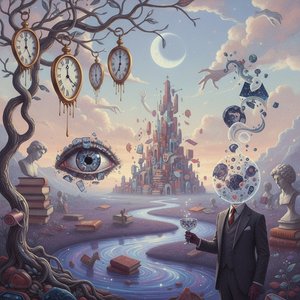
Beyond Reality: A Connoisseur's Guide to the Subconscious Majesty of Surrealism
Embark on a sophisticated journey through the dreamlike world of Surrealism. Discover the profound symbolism of masters like Dalí and learn how to curate evocative, subconscious-inspired masterpieces for your private collection with expert art historical insight.
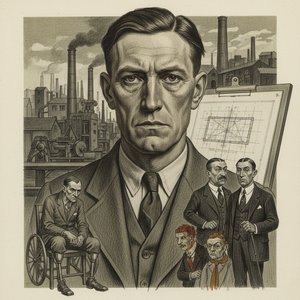
Neue Sachlichkeit: Objectivity, Realism & Social Commentary in Interwar German Art
Explore Neue Sachlichkeit – the pivotal German art movement critiquing Weimar society with unflinching realism. Discover key artists like Dix & Grosz, its historical context, and collecting insights for discerning investors.

Unblinking Truths: The Clinical Realism of Germany’s Neue Sachlichkeit
Explore the clinical precision of German New Objectivity through masters like Otto Dix. Discover the truth behind the Weimar era's raw realism.
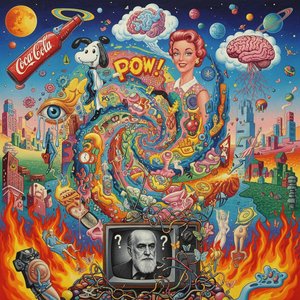
Pop Surrealism: A Collision of Culture, Dreams & the Subconscious in Post-War Art
Explore the captivating world of Pop Surrealism with OriginalUniqueArt. Discover key artists like George Condo & Robert Williams, investment potential, and the movement's cultural impact. Expert insights for collectors.
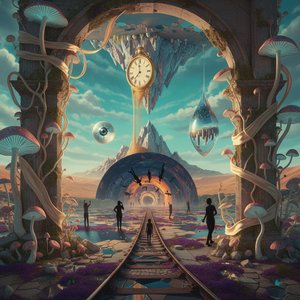
Dreamscapes & Disrupted Realities: Exploring Surrealism's Enduring Influence
Explore the fascinating world of Surrealism! Discover its origins, key artists like Dalí & Magritte, and enduring influence on art & culture. Expert insights & high-quality reproductions at OriginalUniqueArt.
