
 Преглед в реален мащаб
 Изпрати
 Сподели
 Детайли
 Ръководство

 Изтегляне
 Подобни артикули
 Рентгенова снимка
 Слайдшоу
 Въпроси и отговори
 Статистика
The Evening

- 34.0 x 26.0 cm


 Прочети повече
Жикле / Художествен принт
Giclée печат или принт върху платно с музейно качество, бързо производство и гъвкави опции за завършен вид. ( Купете ръчно рисувана картина Превключване към дигитално изображение)




P118B €10

P118H €10

P118W €10

P438Z €10

P508JH €12

P508YH €12

P805H €10

P805Z €10

P919BZ €10

P919G €10

P919XJ €10

P959ZH €10

P968JZ €12

W106C €8

W218G €10

W218JH €8

W218Y €10

W307PJ €10

W316G €10

W316PJ €8

W316Y €10

W398PJ €8

W4111J €10

W500HY €15

W500JH €15

W692G €12

W849H €8

W940BG €15

W953PJ €8




Изберете от нашите предварително зададени размери, които съответстват на оригиналните пропорции на произведението.

Въведете необходимата ширина и височина, за да паснат на вашата рамка или стена. Принтовете могат само да се изрязват, но никога не могат да бъдат по-големи от оригиналната картина, така че при размер с различен формат част от изображението ще бъде загубена. Преди да започнем печат, ще ви изпратим дигитален мок업 за одобрение. Изображението, показано на тази страница, не показва реалното изрязване — само мок업ът го показва.
Доставка по целия свят () в рамките на 2 седмици вместо стандартните 4/5 седмици. (5 Ноември)

Безплатна експресна доставка по целия свят

Висококачествено ленено платно

Пълно застраховане на доставката

Гаранция за възстановяване на митнически такси

Гаранция за пълно съответствие на цветовете

Политика за връщане в рамките на 100 дни (само при дефекти)

100% Гаранция за връщане на сумата

Оферта за отстъпка при поръчка на повече бройки
 Опцията със стъкло е налична само за размери под 110 см

The Evening
Жикле / Художествен принт
Размер на репродукцията
-


Обща цена
€ 72
The Evening by Felix Ivo Leicher
Felix Ivo Leicher’s “The Evening,” painted in 1780, stands as a quintessential embodiment of Rococo artistry—a movement characterized by opulent ornamentation and an idealized depiction of aristocratic life. Currently residing at the Szépmûvészeti Múzeum in Budapest, Hungary, this oil on canvas masterpiece transcends mere visual representation; it captures a fleeting moment of serene contemplation within a richly textured domestic interior.
Composition and Style
The painting’s compositional brilliance lies in its deliberate simplicity. At the heart of the scene is a woman seated gracefully upon a crimson armchair, her back turned towards the viewer—a posture that immediately invites intimacy and introspection. Leicher skillfully employs soft lighting to illuminate the room, casting gentle shadows that accentuate the textures of the wall and the subtle folds of fabric. This masterful technique contributes significantly to the painting’s overall atmosphere of tranquility.
Key Elements and Symbolism
Several key elements converge to create a profound symbolic resonance. The woman's posture suggests an act of repose, perhaps adjusting her clothing—a gesture laden with connotations of elegance and refinement. The richly textured wall serves as a visual anchor, grounding the composition while simultaneously hinting at the grandeur of aristocratic patronage. A window adorned with blue curtains offers a glimpse beyond the confines of the room, symbolizing openness to new perspectives and experiences. Furthermore, the bed draped in scarlet—complementing the armchair’s hue—represents comfort, warmth, and domestic harmony.
Historical Context and Artistic Significance
"The Evening" reflects the prevailing aesthetic sensibilities of its time—the Rococo era—which prioritized beauty, grace, and sensual pleasure. Leicher's meticulous attention to detail and his masterful use of color exemplify the movement’s commitment to capturing idealized visions of human experience. Compared to contemporaries like Johann Christian Richter, Leicher eschewed dramatic narratives in favor of subtle emotional expression, prioritizing a contemplative mood that speaks to the viewer’s sensibilities.
Technical Considerations
Executed with meticulous brushwork and layering techniques—characteristic of Rococo painting—Leicher achieved remarkable luminosity and depth. The artist skillfully blended pigments to create harmonious tonal palettes, enhancing the visual impact of the scene. This dedication to craftsmanship underscores Leicher's mastery of artistic conventions and contributes to the enduring beauty of “The Evening.”
- Artist: Felix Ivo Leicher
- Year: 1780
- Medium: Oil on Canvas
- Location: Szépmûvészeti Múzeum, Budapest
- Style: Rococo
For more information about Felix Ivo Leicher and his oeuvre, please visit OriginalUniqueArt.com.
Въпроси и отговори
На кой период от кариерата на Felix Ivo Leicher принадлежи „The Evening“?
„The Evening“ принадлежи към Mature Period от кариерата на Felix Ivo Leicher. Тази класификация свързва творбата с развитието на художника.
Как "The Evening" балансира светлината и тъмнината?
Записаните стойности за „The Evening“ на Felix Ivo Leicher са: яркост shadow, луминанс Soft Shadow.
Как мога да прегледам репродукция на „The Evening“ на Felix Ivo Leicher?
Предварителен преглед на „The Evening“ на Felix Ivo Leicher можете да видите на страницата за преглед на произведението Преглед на произведението.
Биография на художника
The Formative Years of a Silesian Talent
The story of Felix Ivo Leicher begins in the Silesian town of Bílovec, where a path that initially seemed destined for manual labor took an unexpected and luminous turn toward the fine arts. Before he was recognized as a master of the brush, his early life was marked by diverse apprenticeships; he first learned the intricate craft of weaving and later pursued the study of cutlery at school. However, the spark of true vocation ignited when he entered a local painter's workshop under Francis Andrew Schaffer. It was here that the foundations of his technique were laid, and a passion for painting took hold, eventually becoming the singular focus of his entire existence.
His journey from a provincial apprentice to an established figure in the Habsburg Empire was propelled by academic rigor and institutional support. Moving to Vienna, Leicher sought higher training and became a pupil at the Academy of Fine Arts Vienna. His talent was quickly validated on the academic stage; in 1754, he secured second prize in a prestigious competition for his work Anointing Saul the King. This achievement not only brought him recognition but also ensured the support of the Academy, setting the stage for a career that would span much of Central Europe.
Artistic Mastery and the Influence of the Masters
Leicher’s artistic identity was deeply intertwined with the great masters of his era, most notably Franz Anton Maulbertsch. Working closely with Maulbertsch, Leicher shared in the creation of grand frescoes and paintings for various churches, a collaboration that left a lasting imprint on his style. While the influence of his mentor is unmistakable in his use of light and composition, Leicher developed a distinct voice. His approach was often characterized by a softer, more delicate touch than the dramatic vitality of Maul-bertsch, favoring a gentler handling of form and a more subtle atmospheric quality.
His repertoire was remarkably diverse, ranging from monumental altarpieces to intimate secular works. As his career progressed through the latter part of the 18th century, he devoted himself to creating smaller cabinet paintings that explored secular themes with great sensitivity. His ability to navigate both the sacred and the profane allowed his work to permeate the religious and aristocratic landscapes of Austria, Bohemia, Moravia, Silesia, and Hungary. This versatility is beautifully captured in works such as The Evening and The Morning, where he demonstrates a masterful command of light and a profound ability to evoke serene, contemplative atmospheres.
Legacy and the Hidden Hand of Leicher
One of the most fascinating aspects of Leicher’s legacy is the historical challenge of attribution. For many years, several of his significant works were mistakenly attributed to Maulbertsch, as the stylistic similarities between teacher and pupil were so profound. It is only through recent scholarship that many of these pieces have been reclaimed and identified as the true products of Leicher's hand. This revelation has shed new light on the breadth of his contribution to the Rococo movement, revealing a painter of immense skill whose works continue to grace various churches and private collections.
The historical significance of Felix Ivo Leicher lies not only in his technical proficiency but in his role as a vital contributor to the visual culture of the Habsburg Empire. His paintings, often characterized by their graceful compositions and effective use of light, serve as windows into the aesthetic sensibilities of the 18th century. Whether through the grand scale of a church altarpiece or the quiet intimacy of a domestic scene, Leicher’s art remains a testament to a life dedicated to capturing the beauty, grace, and subtle emotions of his time.

Felix Ivo Leicher
1727 - 1812 , Czech Republic
Бърза информация
- Artistic Movement Or Style: Rococo
- Artists Who Influenced This Artist:
- Franz Anton Maulbertsch
- Rubens
- Pittoni
- Full Name: Felix Ivo Leicher
- Nationality: Czech-Austrian
- Notable Artworks:
- The Evening
- The Morning
- Place Of Birth: Bilovec, Czech Republic
- Date Of Birth: 1727
- Date Of Death: 1812
Свързани статии
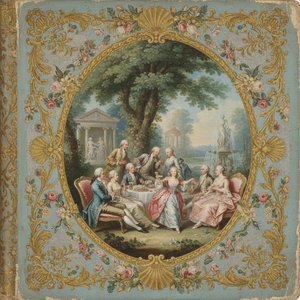
The Rococo Style: Aristocratic Leisure & the Pursuit of Delight in 18th-Century Art
Explore the opulent world of Rococo art! Discover Watteau, Boucher & Nattier's masterpieces. Expert insights for collectors seeking museum-quality reproductions and custom portraits at OriginalUniqueArt.

Топ 10 шедьоври на Рококото: Изкуство за вашия дом от OriginalUniqueArt.com
Разгледайте топ 10 шедьоври на Рококото – Вато, Буше, Фрагонар и други! Открийте историите зад тези емблематични картини и вдъхнете елегантност във вашия дом с репродукции от OriginalUniqueArt.com. Разгледайте пълната колекция онлайн.

The Elegance of Rococo: A Journey Through Pastel Dreams and Ornate Splendor
Embark on an elegant journey through the Rococo era. Discover the delicate beauty of pastel masterpieces, the intricate artistry of 18th-century French masters, and how this era of ornate splendor continues to inspire timeless luxury in fine art collecting.

The Rococo Aesthetic: Opulence, Rebellion & the Pursuit of Pleasure in 18th-Century Art
Explore the opulent world of Rococo art! Discover its origins, key artists like Watteau & Boucher, and lasting influence on design. Expert insights for collectors & enthusiasts.

The Allure of Elegance in Art: A Historical & Aesthetic Exploration of Refinement & Grace
Explore the exquisite world of Rococo art! Discover its history, masters (Watteau, Boucher & more), and defining elegance. Expert insights for collectors seeking museum-quality reproductions & custom portraits.
