
 Преглед в реален мащаб
 Изпрати
 Сподели
 Детайли
 Ръководство

 Изтегляне
 Подобни артикули
 Рентгенова снимка
 Слайдшоу
 Въпроси и отговори
 Статистика
Washington Bridge, Harlem River


 Прочети повече
Жикле / Художествен принт
Giclée печат или принт върху платно с музейно качество, бързо производство и гъвкави опции за завършен вид. ( Купете ръчно рисувана картина Превключване към дигитално изображение)




P118B €10

P118H €10

P118W €10

P438Z €10

P508JH €12

P508YH €12

P805H €10

P805Z €10

P919BZ €10

P919G €10

P919XJ €10

P959ZH €10

P968JZ €12

W106C €8

W218G €10

W218JH €8

W218Y €10

W307PJ €10

W316G €10

W316PJ €8

W316Y €10

W398PJ €8

W4111J €10

W500HY €15

W500JH €15

W692G €12

W849H €8

W940BG €15

W953PJ €8




Изберете от нашите предварително зададени размери, които съответстват на оригиналните пропорции на произведението.

Въведете необходимата ширина и височина, за да паснат на вашата рамка или стена. Принтовете могат само да се изрязват, но никога не могат да бъдат по-големи от оригиналната картина, така че при размер с различен формат част от изображението ще бъде загубена. Преди да започнем печат, ще ви изпратим дигитален мок업 за одобрение. Изображението, показано на тази страница, не показва реалното изрязване — само мок업ът го показва.
Доставка по целия свят () в рамките на 2 седмици вместо стандартните 4/5 седмици. (5 Ноември)

Безплатна експресна доставка по целия свят

Висококачествено ленено платно

Пълно застраховане на доставката

Гаранция за възстановяване на митнически такси

Гаранция за пълно съответствие на цветовете

Политика за връщане в рамките на 100 дни (само при дефекти)

100% Гаранция за връщане на сумата

Оферта за отстъпка при поръчка на повече бройки
 Опцията със стъкло е налична само за размери под 110 см

Washington Bridge, Harlem River
Жикле / Художествен принт
Размер на репродукцията
-


Обща цена
€ 72
A Moment Suspended in Light
The river flows with a quiet, heavy grace under an overcast sky, its surface catching the soft, diffused light of a day caught between shadows. In this view of the Harlem River, the water moves through a landscape where the boundaries between earth and air seem to blur. The Washington Bridge rises in the distance, its golden hue acting as a steady anchor amidst the shifting greens and browns of the foreground. Trees and rocks cling to the riverbanks, rendered with thick, mosaic-like strokes that give the scene a palpable texture. There is a sense of stillness here, as if the wind has momentarily ceased its movement, leaving only the slow pulse of the water and the hazy expanse of the sky above.
The atmosphere feels heavy with moisture, suggesting a cool, damp afternoon where the light does not strike so much as it settles. Every brushstroke contributes to this sense of weight and depth, building layers of color that mimic the way light filters through a mist. The composition draws the eye upward from the dark, organic shapes of the shoreline toward the structural presence of the bridge, creating a silent dialogue between the natural world and the hand of man.
The Language of Impressionism
The technique relies on visible, broken strokes that reject precise lines in favor of pure sensation. This approach captures the ephemeral quality of the atmosphere, using color to suggest form rather than hard outlines. Muted greens and deep browns ground the foreground, while the sky and water reflect a palette of cool tones, punctuated by the warmth of the bridge. The way the paint sits upon the canvas creates a rugged, tactile surface that mirrors the uneven textures of the riverbank itself.
This method reflects the influence of the Impressionist movement, where the goal is to record a fleeting impression of light and weather. By prioritizing the subjective experience of the scene, the work captures the way the eye perceives a landscape in flux. The bridge, though a massive feat of engineering, becomes part of the natural rhythm of the river, its presence softened by the hazy, atmospheric perspective that pushes the distant hills into a soft, blue-tinted blur.
Connections Between Nature and Progress
There is a quiet tension held within this landscape, a subtle meeting point between the wildness of the river and the encroaching reach of urban life. The bridge acts as a physical link between two shores, but symbolically, it represents the intersection of civilization and the natural environment. As the early 20th century brings rapid change to the surrounding landscape, this painting captures a sense of peace that feels fragile, as if the tranquility of the Harlem River is being observed in a rare moment of respite from the expansion of the city.
The emotional weight of the piece lies in this very stillness. It invites a slow, contemplative gaze, encouraging anyone who looks to find a sense of calm within the textured layers of paint. The scene does not demand attention through loud colors or dramatic action; instead, it offers a quiet space for reflection, where the simple beauty of light hitting water and stone remains the central focus.
Въпроси и отговори
Кой цвят доминира в композицията на „Washington Bridge, Harlem River“ на Ернест Лоусон?
Цветът, който се отличава най-силно в „Washington Bridge, Harlem River“, е Phthalo Green (#282c2c). Доминиращият цвят е полезен при съчетаването на произведение на изкуството с интериора.
От коя епоха датира "Washington Bridge, Harlem River"?
Историческият период на „Washington Bridge, Harlem River“ на Ернест Лоусон е Modern. Тази класификация определя мястото на произведението в историята на изкуството.
Какви са правата за репродуциране на произведението "Washington Bridge, Harlem River" в High Museum of Art?
Оригиналът на „Washington Bridge, Harlem River“ се намира в High Museum of Art, а произведението е в обществено достояние – авторското право е изтекло.
Биография на художника
Ernest Lawson: A Pioneer of American Impressionism
Ernest Lawson (1873-1939) stands as a pivotal figure in the history of American art, particularly within the burgeoning movement of Impressionism. Born in Halifax, Nova Scotia, Canada, his artistic journey spanned continents and encompassed both profound personal struggles and remarkable creative accomplishments—a narrative that continues to fascinate scholars and admirers alike. Lawson’s distinctive style – characterized by a masterful blend of realism and vibrant color – cemented his place as one of the foremost landscape painters of his time, capturing not merely visual appearances but also the emotional resonance of American life.- Early Life and Artistic Beginnings: Lawson’s formative years were marked by a relocation to Kansas City, Missouri, where he immersed himself in the burgeoning artistic community. He honed his skills at the Kansas City Art Institute before embarking on a transformative period of study at the Art Students League in New York City under the guidance of John Twachtman and Julien Alden Weir. These encounters instilled within him an unwavering commitment to plein air painting—capturing landscapes directly from nature—a technique that would become synonymous with his artistic vision.
The Influence of Impressionism: Shaping Lawson’s Artistic Style
Lawson's artistic sensibilities were irrevocably shaped by the principles of Impressionism, spearheaded by Claude Monet and Camille Pissarro. His exposure to these artists during his Parisian studies ignited a passion for capturing fleeting moments of light and color—a stylistic hallmark that distinguishes his oeuvre from more conventional approaches. Notably, he found inspiration in Alfred Sisley’s meticulous observation of rural landscapes, further refining his technique and deepening his understanding of artistic expression.- The Eight Artists: A Rebellion Against Academic Tradition: Lawson's involvement with “The Eight,” a collective of artists challenging the restrictive conventions of the National Academy of Design, represents a crucial juncture in American art history. This group championed artistic freedom and sought to depict everyday life with unflinching honesty—a stance that resonated powerfully with Lawson’s own convictions. His participation in the landmark 1908 exhibition solidified his reputation as a visionary artist committed to pushing boundaries.
Notable Paintings: Landscapes That Breathe Emotion
Lawson's artistic legacy resides primarily in his captivating landscapes—works that transcend mere representation and convey profound emotional depth. Pieces like “Upper Harlem River—Winter” exemplify his masterful use of impasto technique, layering paint thickly to mimic the texture of snow and capturing the stillness of a winter scene with remarkable sensitivity. Similarly, “The Pond and Gapstow Bridge, New York City” celebrates the vibrancy of Central Park under moonlight, demonstrating Lawson’s ability to infuse urban spaces with an aura of tranquility.- Legacy and Enduring Significance: Lawson's influence extends far beyond his own lifetime, inspiring subsequent generations of artists who embraced the expressive power of color and texture. His unwavering dedication to capturing the essence of American landscapes—both rural and urban—continues to captivate audiences today. Lawson’s contribution to American Impressionism remains unparalleled, securing his place as a cornerstone of modern art history.
Concluding Thoughts: An Artist Defined by Integrity and Vision
Ernest Lawson's artistic journey was marked by both triumph and hardship—a testament to the complexities inherent in pursuing creative excellence. Despite facing personal challenges, he persevered with unwavering conviction, producing a body of work that embodies his profound respect for nature and his commitment to portraying American life with authenticity and compassion. His enduring legacy serves as an inspiration to artists striving to capture the beauty and spirit of their surroundings—a testament to the transformative power of artistic vision.
Ернест Лоусон
1873 - 1939 , Канада
Бърза информация
- Artistic Movement Or Style: Импресионизъм
- Artists Or Movements Influenced By This Artist: ['Хенри']
- Artists Who Influenced This Artist:
- Жан Твартман
- Аларед Сислей
- Date Of Birth: Марч 22, 1873
- Date Of Death: Декември 18, 1939
- Full Name: Ernest Lawson
- Nationality: Канадски
- Notable Artworks:
- Градски парк
- Заливът и мостът Гапстоу
- Place Of Birth: Халси Хейвс, Канада
Свързани статии

Frederick Childe Hassam: American Impressionism's Chronicler of Light & Modern Life
Explore the captivating world of Frederick Childe Hassam, a pioneer of American Impressionism. Discover his iconic paintings capturing light, urban life & coastal beauty. Learn about his legacy and influence on American art history.
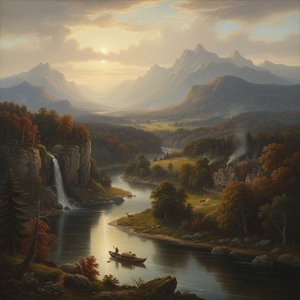
Capturing the American Spirit: A Journey Through Iconic Landscapes and the Legacy of the Hudson River School
Explore the profound beauty of American art history. From the Hudson River School to iconic landscapes, discover a curated journey through the masterpieces that defined a nation's spirit and the enduring legacy of American Romanticism.
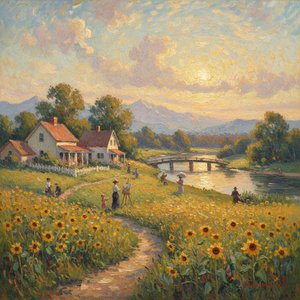
Capturing a Nation's Light: Exploring the American Impressionist Movement
Explore the captivating world of American Impressionism! Discover key artists, techniques & its lasting impact on art history. Find museum-quality reproductions and expert guidance at OriginalUniqueArt.
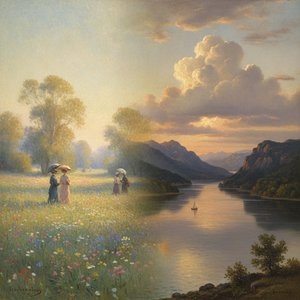
Capturing the Light: A Journey Through the Soul of American Impressionism and the Hudson River School
Explore the luminous beauty of American Impressionism and the Hudson River School. Discover a curated journey through light, landscape, and history, celebrating the enduring legacy of masters through exquisite, hand-painted oil reproductions for the discerning art lover.
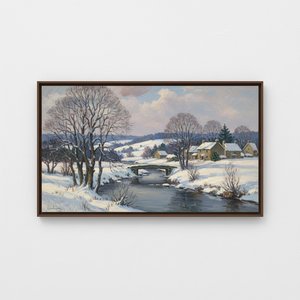
Ernest Lawson: A Pioneer of American Impressionism & His Vision of the Rural Landscape
Explore the life & art of Ernest Lawson, a pivotal figure in American Impressionism. Discover his evocative landscapes, influences, and lasting legacy with OriginalUniqueArt.