
 Представи си го
 Изпрати
 Сподели
 Детайли

 Изтегляне
 Подобни
 Рентгенова снимка
 Слайдшоу
 Stats
StatsFlowergarden 1

 Прочетете повече
Ръчно изработена маслена репродукция
Ръчно рисувана маслена картина върху платно във вашия размер и рамка, изработена по поръчка от нашите художници. ( Switch to Print Switch to Digital Image)




P118B $10

P118H $10

P118W $10

P438Z $10

P508JH $12

P508YH $12

P805H $10

P805Z $10

P919BZ $10

P919G $10

P919XJ $10

P959ZH $10

P968JZ $12

W106C $8

W218G $10

W218JH $8

W218Y $10

W307PJ $10

W316G $10

W316PJ $8

W316Y $10

W398PJ $8

W4111J $10

W500HY $15

W500JH $15

W692G $12

W849H $8

W940BG $15

W953PJ $8




Изберете от предварително зададените размери, които съответстват на оригиналните пропорции на произведението.

Можете да въведете свои собствени размери, за да пасне на конкретна рамка или пространство. Ако избраният от вас размер не съответства на пропорциите на оригиналното изображение, ние ще изрежем произведението или ще удължим картината с допълнителни ръчно рисувани елементи. Дигитален макет ще бъде изпратен за ваше одобрение преди започване на производството.
Моля, обърнете внимание, че прегледът на екрана не отразява действителното изрязване или разширяване. Само макетът ще покаже точно финалния състав.
Въпреки че са налични персонализирани размери, препоръчваме да изберете размер от предварително дефинирания списък, за да запазите оригиналните пропорции.
След поръчка, екипът на OriginalUniqueArt.com ще изпрати имейл на клиента за инструкции и ще предостави преглед на макет.
Доставка по целия свят () в рамките на 3/4 седмици вместо стандартните 5 седмици. (8 Септември). Без компромис с качеството.

Безплатна експресна доставка по целия свят

Висококачествено ленено платно

Пълно застраховане при доставка

Гаранция за възстановяване на митнически такси

Гаранция за цветова точност

Политика за връщане в рамките на 100 дни (само при дефекти)

100% Гаранция за връщане на парите

Предложение за отстъпка при поръчка на едро
 Стъклото е налично само в размери под 110 см

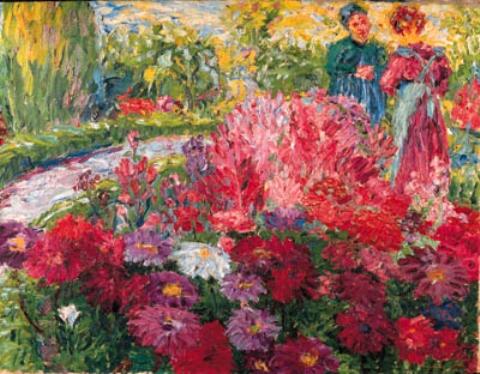
Flowergarden 1
Репродукционен метод
Размер на репродукцията
-


Обща цена
$ 325
A Symphony of Blossoms: Exploring Emil Nolde’s “Flowergarden 1”
- Subject and Composition: “Flowergarden 1” is an immersive depiction of a flourishing garden, bursting with the vibrant energy of countless red and pink flowers. Nolde doesn't present a neatly arranged botanical study; instead, he offers a dynamic, almost overwhelming abundance. The composition feels deliberately crowded, creating a sense of overflowing life and untamed natural beauty. Two figures are subtly placed in the background, grounding the scene and hinting at humanity’s connection to this vibrant landscape.
- Style & Technique: This artwork exemplifies Nolde's distinctive approach within German Expressionism. While echoes of Impressionism – particularly Monet – can be detected in the focus on light and color, Nolde pushes beyond mere representation. His technique is characterized by loose, broken brushstrokes that build up a textured surface, almost like a mosaic. The intense saturation of colors—layered reds, pinks, and greens—and the energetic application of paint create a palpable sense of movement, as if the flowers are swaying in a gentle breeze. This isn’t about precise detail; it's about capturing the *feeling* of being enveloped by a flower garden.
Emil Nolde and the Expressionist Impulse
- Historical Context: Emil Nolde (1867-1956) was a pivotal figure in early 20th-century art, co-founding the influential group *Die Brücke* (“The Bridge”). This artistic collective sought to break away from traditional academic styles and express inner emotional experiences through bold colors and distorted forms. Nolde’s work, though often rooted in nature, was deeply personal and reflected his spiritual connection to the world around him. Despite facing censorship during the Nazi regime due to his art being deemed “degenerate,” he remained a prolific and innovative artist throughout his life.
- Symbolism & Emotional Impact: The flower garden itself is rich with symbolism. Flowers traditionally represent beauty, joy, transience, and the cycle of life. Nolde’s intensely colored blossoms evoke feelings of exuberance and vitality, but also a sense of fleeting moments – capturing the ephemeral nature of beauty. The painting isn't simply *of* a garden; it aims to convey the emotional experience of being within one—the warmth of sunlight, the heady fragrance, the sheer joy of color.
A Piece for the Discerning Eye
- Interior Design & Collectibility: “Flowergarden 1” is a captivating piece that would bring vibrancy and emotional depth to any interior. Its bold color palette makes it a statement artwork, particularly well-suited to modern or eclectic spaces. The painting’s energy can enliven living rooms, dining areas, or even bedrooms, creating a focal point that sparks conversation. As a work by a major Expressionist artist, Nolde's “Flowergarden 1” holds significant collectibility and artistic value.
Биография на художника
Early Life and Artistic Beginnings
Emil Nolde, a name synonymous with vibrant expressionism, was born Hans Emil Hansen on August 7th, 1867, in the small village of Nolde, nestled within the Schleswig-Holstein region of Germany. His origins were deeply rooted in rural life – his family’s livelihood intertwined with the rhythms of farming and a strong connection to their local community. Despite this grounding, young Hans harbored an intense yearning for something beyond the familiar, a desire that would ultimately lead him down the path of artistic creation. Initially, his parents envisioned a more conventional future for him, hoping he would pursue a career as a woodcarver or furniture maker – skills honed through early apprenticeships. However, from a remarkably young age, Hans demonstrated an unwavering passion for art, a burning desire to capture the world around him in color and form. He diligently pursued his artistic aspirations, often working late into the night, experimenting with charcoal and sketching landscapes and portraits. This dedication, coupled with a natural talent, eventually convinced his family that he should wholeheartedly dedicate himself to painting – a decision they ultimately embraced.Artistic Development and Influences
Nolde’s artistic journey was one of relentless self-education and profound exploration. He embarked on numerous travels throughout Europe, immersing himself in diverse cultures and absorbing the influences of various artistic movements. Early encounters with the works of Vincent van Gogh and Paul Gauguin proved particularly formative, sparking his interest in bold color palettes and emotionally charged brushwork. However, Nolde’s artistic sensibilities extended far beyond these Impressionistic masters. He was deeply captivated by the expressive power of primitive art – specifically, the masks and carvings found in tribal cultures. These objects, imbued with symbolic meaning and raw emotion, served as a powerful inspiration, shaping his approach to composition, color, and subject matter. The stark contrasts between light and shadow, the use of simplified forms, and the emphasis on conveying inner psychological states became hallmarks of his distinctive style. He wasn’t simply copying these styles; he was distilling their essence and integrating it into his own unique artistic language.Die Brücke and Expressionist Breakthrough
In 1905, a pivotal moment arrived in Nolde's career: he co-founded Die Brücke (The Bridge) – an influential group of German Expressionist artists based in Dresden. This collective represented a radical departure from the established artistic conventions of the time, seeking to break free from academic traditions and express inner emotions through bold experimentation. Die Brücke aimed to capture the anxieties and uncertainties of modern life, often depicting urban landscapes, distorted figures, and scenes of social unrest. Nolde’s contribution to Die Brücke was significant; his intense use of color, dynamic brushwork, and unsettling imagery pushed the boundaries of representation, solidifying the group's commitment to emotional expression. However, despite his vital role within the collective, Nolde maintained a somewhat independent artistic trajectory, frequently diverging in subject matter and stylistic approach. He wasn’t always aligned with the group’s more overtly political or social commentary, often focusing on themes of spirituality, mythology, and the beauty of nature.Key Themes and Artistic Style
Nolde's oeuvre is characterized by a remarkable consistency of recurring themes: religious scenes – particularly those depicting biblical narratives; evocative landscapes, often dominated by seascapes and brooding forests; portraits that capture both physical likeness and inner character; and, perhaps most famously, masks. He was profoundly fascinated by the symbolic power of masks – viewing them not merely as objects but as representations of primal emotions, hidden identities, and the duality of human nature. His artistic style is instantly recognizable: a vibrant palette dominated by intense blues, greens, reds, and yellows; distorted forms that emphasize emotional impact over realistic accuracy; and an impasto technique—a thick application of paint that creates texture and dynamism. Nolde’s paintings are not simply depictions of the world; they are visceral expressions of his own inner landscape – a reflection of his spiritual beliefs, his anxieties, and his profound connection to nature.Notable Works and Historical Significance
Throughout his prolific career, Emil Nolde created an astonishing body of work that continues to captivate audiences today. Some of his most celebrated paintings include *Masks* (1906-1907), a series exploring the symbolism of tribal masks; *The Mocking of Christ* (1909), a powerfully emotive depiction of Christ’s betrayal; *Autumn Sea* (1908), showcasing his mastery of landscape painting; and *Flower Garden (Girl and Washing)*, a vibrant scene filled with color and movement. His work gained considerable recognition during the early 20th century, but faced censorship and suppression under the Nazi regime in the 1930s. Despite this persecution, Nolde continued to paint, producing a remarkable collection of watercolor works that reveal his unwavering commitment to artistic expression. Today, Emil Nolde is recognized as one of the most important figures in German Expressionism – an artist who dared to break with tradition and forge his own unique path, leaving behind a legacy of vibrant color, emotional intensity, and enduring artistic vision.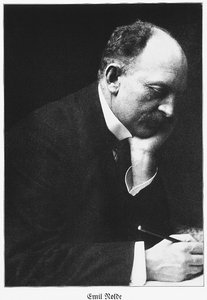
Емил Нолде
1867 - 1956 , Германия
Бързи факти
- Artistic Movement Or Style: Изразъм
- Artists Or Movements Influenced By This Artist: ['Die Brücke']
- Artists Who Influenced This Artist:
- Винсент ван Гог
- Паул Gauguin
- Date Of Birth: 7 август 1867 г.
- Date Of Death: 15 април 1956 г.
- Full Name: Emil Nolde / Hans Emil Hansen
- Nationality: Германец-Дънец
- Notable Artworks:
- Маски
- Срамът на Христос
- Есенно море
- Place Of Birth: Nolde, Германия
Всички статии

Топ 10 шедьоври на постимпресионизма: Изкуство за вашия дом от OriginalUniqueArt.com
Разгледайте топ 10 шедьоври на постимпресионизма – Ван Гог, Сезан, Моне и други! Открийте историите зад картините, техниките и емоциите. Репродукции с музейно качество от OriginalUniqueArt.com. Разгледайте пълната колекция онлайн!
Beyond the Brush: How Post-Impressionism Recharged Modern Art with Bold Color and Raw Emotion
Dive into the high-energy revolution of Post-Impressionism. Discover how masters like Cézanne and Van Gogh traded fleeting light for bold colors and raw emotion, forever recharging modern art with the vibrant, structural intensity that defines today's most iconic visual aesthetics.
The Revolution of Color and Emotion: A Definitive Exploration of Post-Impressionism
Explore the profound revolution of Post-Impressionism. Delve into the history, techniques, and emotional depth of masters like Van Gogh and Seurat. Discover how to transform your space with museum-quality, hand-painted oil reproductions of these iconic masterpieces.

Отвъд светлината и цвета: Импресионизъм срещу Постимпресионизъм за взискателния колекционер
Разберете разликите между импресионизъм и постимпресионизъм с нашия експертен анализ. Съвети за колекционери, инвестиционен потенциал и ключови артисти.
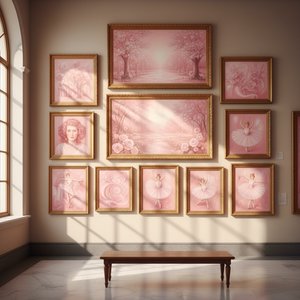
Топ 10 шедьовъра в розови нюанси: Изкуство и хармония за вашия дом
Разкрийте красотата на розовото в изкуството! Топ 10 шедьовъра от Моне, Ренуар и други велики майстори. Историята зад картините, техниките и хармонията на цветовете. Репродукции с музейно качество – OriginalUniqueArt.com

