
 Преглед в реален мащаб
 Изпрати
 Сподели
 Детайли
 Ръководство

 Изтегляне
 Подобни артикули
 Рентгенова снимка
 Слайдшоу
 Статистика
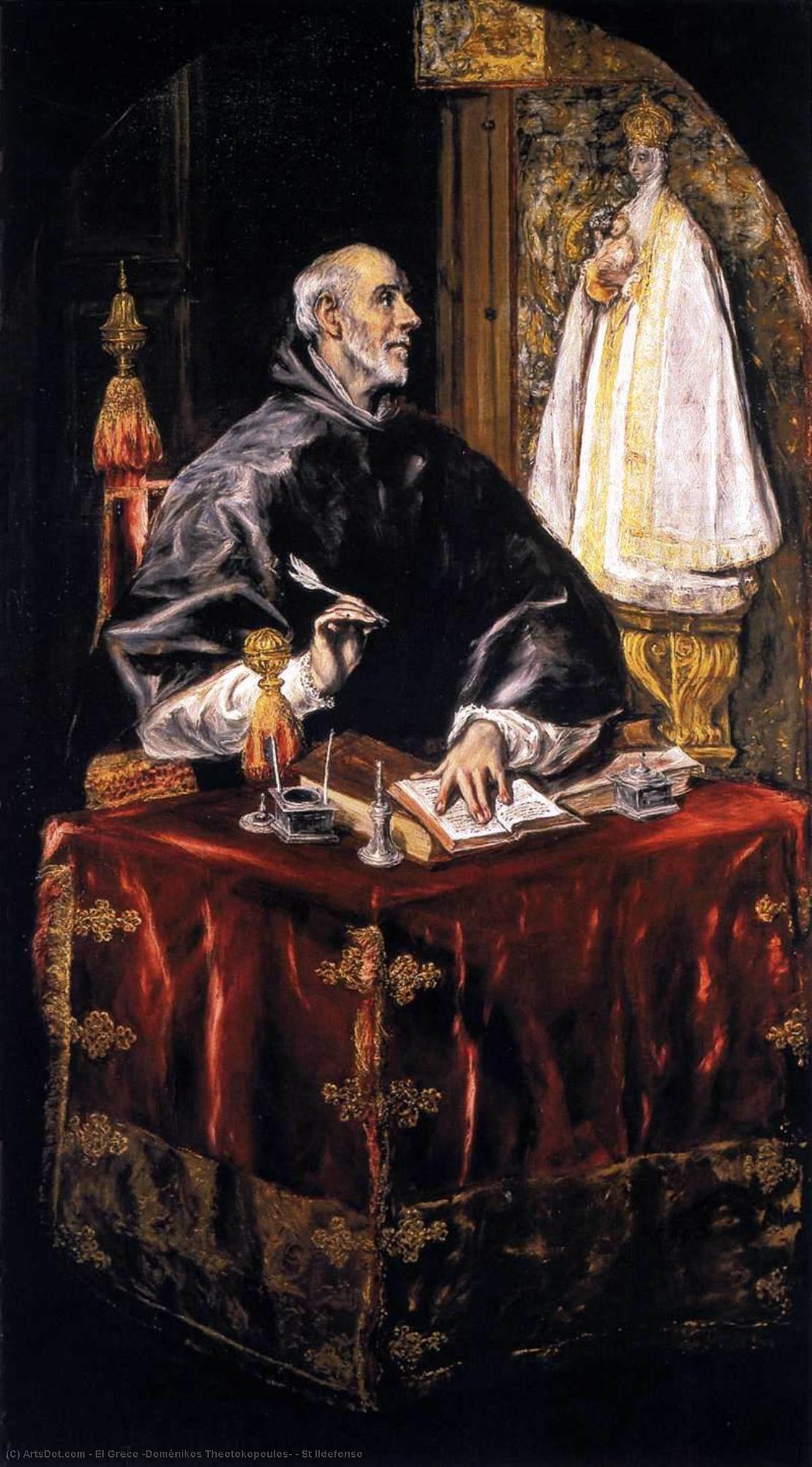
St Ildefonso
 Acrylic On Canvas
- WallArt
- Baroque Expressionism
 1603
1603 187.0 x 102.0 cm
 Hospital de la Caridad
 Прочети повече
Получете файл, готов за печат, който надхвърля възможностите на уеб прегледа. Всяко дигитално изображение, което предлагаме, е извлечено от висококачествен оригинал в нашата база данни — обикновено с ширина между 5 000 и 15 000 пиксела — така че да можете със сигурност да принтирате в голям формат, да кадрирате тесно или да възпроизведете фините детайли.
Нито един файл не напуска нашето студио без внимание. Дигитален експерт проверява цветовете спрямо оригиналната картина и ги коригира при необходимост, след което подобрява яснотата и детайлите с професионални инструменти за ретуш — винаги оставайки верен на мазките и стила на художника. Резултатът е изображение, което изглежда като самата картина, а не като сканиран образ с филтър.
Вие одобрявате преди финализиране: нашият експерт изпраща изображението по имейл в рамките на 72 часа за ваш преглед. Не сте доволни? Поискайте подобрения или корекции, или поискайте възстановяване на сумата, ако качеството не отговаря на очакванията ви.
Това е качеството, на което разчитат издателства, дизайн студиа, галерии и печатници.
Дигитално изображение
Изтеглете файл с висока резолюция за лично съхранение, принтиране и творчески проекти. ( Превключване към принт Купете ръчно рисувана картина)
Включено във всяка поръчка за дигитални изображения
Гарантирана експертна дигитална доставка
Избирайки OriginalUniqueArt.com, вие не получавате просто изображение – вие придобивате професионално обработена дигитална творба, създадена с прецизност и подкрепена от гаранция за удовлетворение. Ето какво автоматично е включено във вашата поръчка:

Бърза доставка по имейл
Вашето дигитално изображение с висока резолюция ще бъде изпратено по имейл в рамките на 72 часа от поръчката – готово за незабавно използване.

Дигитален файл с подобрено качество чрез ИИ
Вашата картина е професионално оптимизирана чрез усъвършенствани инструменти с изкуствен интелект и ръчна редакция, което гарантира максимална детайлност, яснота и точност на цветовете.

Безплатна доживотна повторна доставка
Изгубили сте или сте изтрили файла си по погрешка? Не се притеснявайте – ще го изпратим отново на Вас по всяко време, безплатно.

Без митнически такси – завинаги
Насладете се на вашето произведение незабавно, без мита, такси или разходи за доставка – дигиталните изтегляния винаги са освободени от данъци.

Гаранция за цветово съответствие
Гарантираме, че вашето дигитално изображение отразява оригиналните цветове възможно най-точно чрез използването на професионални инструменти и системи за управление на цветовете.

100-дневна гаранция за удовлетвореност
Ако не сте доволни от вашето дигитално изображение, ще го преработим или ще възстановим 100% от сумата в рамките на 100 дни – без излишни въпроси.

100% Гаранция за връщане на сумата
Не сте доволни? Получете пълен възврат на сумата в рамките на 100 дни от получаването на вашия цифров файл – без излишни въпроси.

Отстъпки за големи поръчки
Купете 3 изображения, спестете 10% - Купете 5, спестете 15% - Купете 10+, спестете 20%. Идеално за творчески проекти, галерии и агенства.
The Enigmatic Figure of St. Ildefonso
El Greco’s “St. Ildefonso” (c. 1603) is not merely a portrait; it's an immersion into the heart of faith and contemplation, rendered with the artist’s signature blend of Byzantine solemnity and intensely personal expression. The painting depicts a man, identified as St. Ildefonsus, Archbishop of Toledo, seated at a desk laden with papers and books – a scene that immediately evokes a sense of scholarly devotion. Yet, it's the figure himself, bathed in a muted yet luminous light, that commands attention. His elongated form, characteristic of El Greco’s style, seems to defy earthly proportions, suggesting a being elevated beyond the mundane, caught in a moment of profound spiritual engagement.

The detail shown in the image reveals a meticulous attention to texture and form, a hallmark of El Greco’s early training. Note the rich folds of the black robes, the subtle shading that defines the face, and the careful rendering of the books scattered across the desk – each element contributing to the painting's overall sense of depth and realism, despite the stylized figures.
A Synthesis of Influences: El Greco’s Unique Vision
Born in Crete in 1541, Doménikos Theotokópoulos, known as El Greco, forged a distinctive artistic path that defied easy categorization. His early training within the Byzantine tradition instilled a deep understanding of religious iconography and a meticulous attention to detail. However, he wasn’t content to remain confined by these established forms. He traveled through Venice and Rome, absorbing the influences of Mannerism and the Venetian Renaissance – artists like Tintoretto and Titian—and skillfully integrated them into his own unique style. This synthesis is powerfully evident in “St. Ildefonso,” where the solemnity of Byzantine art coexists with a heightened emotional intensity reminiscent of early Baroque painting.
The elongated figures, often interpreted as expressions of spiritual yearning or inner turmoil, are a key element of El Greco’s distinctive style. They seem to stretch and distort, creating a sense of dynamism and movement that draws the viewer into the scene. The muted color palette—primarily dark browns, grays, and blues—further enhances this effect, contributing to the painting's atmosphere of quiet contemplation.
Symbolism and Historical Context
The setting itself is laden with symbolic meaning. The desk covered in papers suggests St. Ildefonsus’s role as a scholar and theologian, engaged in writing or perhaps studying scripture. The books represent knowledge and wisdom – essential components of his spiritual life. The figure's posture—seated at the desk, pen in hand—conveys a sense of focused concentration and intellectual rigor. The presence of another person in the background, seemingly observing the scene, hints at the importance of community and shared faith within the saint’s world.
Created around 1603, “St. Ildefonso” reflects the artistic climate of Toledo during El Greco's time. The city was a major center for religious art, attracting artists from across Europe. El Greco himself settled in Toledo and produced many works for local churches and patrons, including the Museo de El Greco. This painting is part of a series depicting saints, showcasing his ability to capture both their historical significance and their spiritual essence.
A Legacy of Emotional Resonance
“St. Ildefonso” transcends its purely representational function, offering viewers a glimpse into the inner world of a devout man. El Greco’s masterful use of light, color, and form creates an atmosphere of profound contemplation, inviting us to share in St. Ildefonsus's spiritual journey. Reproductions of this powerful work capture not only its visual beauty but also its emotional depth—a testament to the enduring legacy of one of art history’s most enigmatic and influential figures. Consider a hand-painted reproduction to bring this captivating scene into your home, allowing you to experience the intensity and spirituality of El Greco's vision daily.
Въпроси и отговори
Може ли изображението на „St Ildefonso“ на Ел Греко да се репродуцира свободно?
Статусът на авторското право за „St Ildefonso“ на Ел Греко: произведението е в обществено достояние – авторското право е изтекло. Това определя дали могат да се правят свободно репродукции на изображението.
Каква е яркостта на „St Ildefonso“ на Ел Греко?
„St Ildefonso“ на Ел Греко има светлост от Dark. Светлостта описва колко светлина изглежда, че отразяват цветовете.
Каква атмосфера внася „St Ildefonso“ на Ел Греко в интериора?
„St Ildefonso“ на Ел Греко придава Dramatic атмосфера и се препоръчва за Living Room. Настроението е това, което произведението внася в пространството около него.
Биография на художника
Doménikos Theotokópoulos, Known As El Greco – A Pioneer Of Expressionism And Cubism
Doménikos Theotokópoulos, universally recognized as El Greco – “the Greek” – stands apart in the annals of Western art history. Born in Crete, Greece, around 1541, his artistic journey was marked by constant movement and transformation, culminating in a singular style that anticipated the revolutionary impulses of Expressionism and Cubism centuries later. He wasn’t merely responding to trends; he fundamentally reshaped visual language, forging a path toward modern art while retaining an unwavering devotion to Byzantine spiritual traditions.Early Training And Cretan Roots
El Greco's formative years were steeped in the Orthodox faith of Crete, then under Venetian rule. His early artistic training focused on mastering the meticulous techniques of icon painting – a practice deeply rooted in Byzantine aesthetics—characterized by precise detail and symbolic representation. This foundational understanding profoundly influenced his subsequent work, informing his compositional choices and his use of color. The influence of Byzantine art is palpable in his earliest paintings, demonstrating an acute sensitivity to spiritual themes and a commitment to conveying profound emotion through visual imagery. His signature “Krḗs” – Cretan – served as a defiant assertion of his heritage, signaling both pride and artistic distinction amidst the cosmopolitan currents of Venice and Rome.Venice And The Renaissance Masters
Around 1567, El Greco relocated to Venice, immersing himself in the vibrant artistic milieu of the Venetian Renaissance. This pivotal move exposed him to the towering figures of Titian, Tintoretto, and Veronese—masters who had revolutionized painting with their mastery of color, perspective, and dramatic lighting. He diligently studied their techniques, absorbing their expressive power and adapting them to his own distinctive vision. The Venetian influence is particularly evident in *St. Sebastian* (1600), where anatomical accuracy merges seamlessly with theatrical staging – a testament to El Greco’s ability to synthesize disparate artistic traditions. He skillfully employed oil paint, embracing its sensual qualities and experimenting with innovative compositional approaches.Rome And Mannerism: A Difficult Embrace
A subsequent journey to Rome presented El Greco with a contrasting aesthetic landscape—the Mannerist style. While he demonstrated considerable talent in capturing the elegance and sophistication of Mannerist art, he struggled to gain acceptance within the competitive Roman artistic community. The elongated figures and distorted perspectives characteristic of Mannerism posed challenges to his ingrained Byzantine sensibilities, highlighting the difficulties inherent in reconciling tradition with innovation. Nevertheless, El Greco persevered, refining his technique and exploring new expressive possibilities—a testament to his unwavering determination as an artist.Toledo And Spiritual Intensity
His final artistic home was Toledo, Spain – a city pulsating with religious fervor during the Counter- Reformation. This relocation provided El Greco with both patronage and an environment conducive to developing his intensely spiritual paintings. He found inspiration in the austere beauty of Toledo’s churches and monasteries, channeling his faith into monumental works that conveyed profound emotion and spiritual transcendence. *The Burial of the Count of Orgaz* (1586-1588), arguably his masterpiece, exemplifies this culmination of artistic vision—a breathtaking fusion of realism and mysticism that solidified El Greco's reputation as one of Spain’s greatest painters. The painting’s dramatic lighting, elongated figures, and symbolic imagery continue to captivate viewers today, embodying the enduring legacy of a truly singular artist.A Lasting Impact On Art History
El Greco’s distinctive style—characterized by elongated figures, intense emotion, and theatrical lighting—anticipated the expressive fervor of Expressionism and Cubism centuries later. Artists like Picasso and Braque recognized him as a precursor to modern art, admiring his innovative use of form and color. His paintings resonated with the spirit of the avant-garde, demonstrating that artistic innovation could emerge from unexpected sources. El Greco’s legacy extends far beyond his own lifetime—he remains an icon of spiritual artistry and a testament to the transformative power of creative vision. He is remembered not merely as a painter but as a prophet of modern art, whose work continues to inspire artists and scholars alike.
Ел Греко
1541 - 1614 , Гърция
Бърза справка
- Artistic Movement Or Style: Ренесанс и Барокко
- Artists Who Influenced This Artist:
- Тициан
- Тинторетто
- Date Of Birth: 1541 г.
- Date Of Death: 1614 г.
- Full Name: Doménikos Θεοτοκόπουλος
- Nationality: Гръцки-Испански
- Notable Artworks:
- Погребението на граф Оргоз
- Панорама над Толедо
- Разделен Христосъбитие
- Place Of Birth: Крета, Гърция