

 Преглед в реален мащаб
 Сподели
 Сподели
 Подробности
 Ръководство

 Изтегляне
 Подобни артикули
 Рентгенова снимка
 Слайдшоу
 Статистика
Epimetheus and Pandora


 Разгърни целия текст
Ръчно изработена маслена репродукция
Ръчно рисувана маслена картина върху платно във вашия размер и рамка, изработена по поръчка от нашите художници. ( Избор на принт Превключване към дигитално изображение)




P118B €10

P118H €10

P118W €10

P438Z €10

P508JH €12

P508YH €12

P805H €10

P805Z €10

P919BZ €10

P919G €10

P919XJ €10

P959ZH €10

P968JZ €12

W106C €8

W218G €10

W218JH €8

W218Y €10

W307PJ €10

W316G €10

W316PJ €8

W316Y €10

W398PJ €8

W4111J €10

W500HY €15

W500JH €15

W692G €12

W849H €8

W940BG €15

W953PJ €8




Изберете от нашите предварително зададени размери, които съответстват на оригиналните пропорции на произведението.

Въведете необходимата ширина и височина, за да паснат на вашата рамка или стена. Тъй като това е ръчна работа, при избор на размер с различен формат, художникът може да нарисува малко повече около картината или да отреже малко от периферията — вие избирате. Преди да започне рисуването, ще ви изпратим дигитален мок업 за одобрение. Картината, показана на тази страница, не е реалният резултат — само мок업ът го показва.
След получаване на поръчка, екипът на OriginalUniqueArt.com ще изпрати имейл до клиента с инструкции и ще предостави примерен макет за преглед.
Доставка по целия свят () в рамките на 3-4 седмици вместо стандартните 5 седмици. (22 Октомври). Без компромис с качеството.

Безплатна експресна доставка по целия свят

Висококачествено ленено платно

Пълно застраховане на доставката

Гаранция за възстановяване на митнически такси

Гаранция за пълно съответствие на цветовете

Политика за връщане в рамките на 100 дни (само при дефекти)

100% Гаранция за връщане на сумата

Отстъпка при поръчка на повече произведения
 Опцията със стъкло е налична само за размери под 110 см

Epimetheus and Pandora
Техника на репродукция
Размер на репродукцията
-


Крайна цена
€ 263
A Vision of Mythological Drama – El Greco’s ‘Epimetheus and Pandora’
El Greco's 'Epimetheus and Pandora', completed around 1600-1610, stands as a singular achievement within the artistic landscape of Renaissance Spain. More than just a depiction of Greek mythology—the tale of Epimetheus, Prometheus’s brother, tragically opening Pandora’s Box unleashing chaos upon humanity—it embodies El Greco's distinctive style and profound engagement with spiritual themes. This monumental wood relief sculpture transcends mere representation; it pulsates with an emotional intensity that foreshadowed movements like Expressionism decades later.
The Sculptor’s Bold Interpretation of Classical Tradition
El Greco, born Doménikos Theotokópoulos in Crete, possessed a remarkable ability to synthesize influences from Byzantium and Venice into something utterly his own. Trained initially in the Byzantine tradition—characterized by meticulous detail and reverence for religious iconography—he swiftly embraced experimentation, propelling him toward groundbreaking artistic innovations. His signature “Krḗs” – Cretan – served as a defiant assertion of identity amidst the cosmopolitan currents of Rome and Madrid.
A Symphony of Color and Texture: Technique and Style
The sculpture’s execution is masterful. El Greco employed polychrome wood relief, utilizing pigments meticulously applied to create luminous surfaces that capture the drama of the mythological scene. The artist's brushstrokes are expansive and expressive, conveying movement and emotion with remarkable subtlety. Unlike the polished surfaces favored by many contemporaries, El Greco prioritized textural richness—the subtle variations in color and sheen—to heighten the visual impact.
Mythological Symbolism: Pandora’s Box and Human Fate
The sculpture powerfully communicates the narrative of Pandora's Box. The female figure, poised with a gesture suggesting communication or contemplation, directs her gaze toward the male statue holding a ball—a symbol representing Epimetheus’s folly. This juxtaposition underscores the central theme: humanity’s susceptibility to evil and the inescapable consequences of curiosity. El Greco skillfully captures the psychological tension inherent in this mythic confrontation.
Timeless Beauty and Emotional Resonance
'Epimetheus and Pandora' continues to fascinate viewers today, not merely for its adherence to classical sculptural conventions but for its ability to evoke profound contemplation about human nature. El Greco’s artistic vision—characterized by spiritual depth and emotional fervor—remains remarkably relevant, inviting us to revisit the enduring power of myth and art to illuminate our understanding of existence.
Въпроси и отговори
Къде мога да намеря статистика за „Epimetheus and Pandora“ на Ел Греко?
Статистиката за „Epimetheus and Pandora“ на Ел Греко се намира на страницата Статистика на произведението: месечни посещения на произведението, посещения на творбите на художника, както и разпределение на последните посетители по държава и език.
Как се съотнасят цветовете в "Epimetheus and Pandora" един с друг?
Цветовият хармонизъм на „Epimetheus and Pandora“ е описан като Strong Color Unity.
Как мога да разгледам „Epimetheus and Pandora“ на Ел Греко като слайдшоу?
Налична е галерия със снимки: страницата Слайдшоу на „Epimetheus and Pandora“ на Ел Греко.
Биография на художника
Doménikos Theotokópoulos, Known As El Greco – A Pioneer Of Expressionism And Cubism
Doménikos Theotokópoulos, universally recognized as El Greco – “the Greek” – stands apart in the annals of Western art history. Born in Crete, Greece, around 1541, his artistic journey was marked by constant movement and transformation, culminating in a singular style that anticipated the revolutionary impulses of Expressionism and Cubism centuries later. He wasn’t merely responding to trends; he fundamentally reshaped visual language, forging a path toward modern art while retaining an unwavering devotion to Byzantine spiritual traditions.Early Training And Cretan Roots
El Greco's formative years were steeped in the Orthodox faith of Crete, then under Venetian rule. His early artistic training focused on mastering the meticulous techniques of icon painting – a practice deeply rooted in Byzantine aesthetics—characterized by precise detail and symbolic representation. This foundational understanding profoundly influenced his subsequent work, informing his compositional choices and his use of color. The influence of Byzantine art is palpable in his earliest paintings, demonstrating an acute sensitivity to spiritual themes and a commitment to conveying profound emotion through visual imagery. His signature “Krḗs” – Cretan – served as a defiant assertion of his heritage, signaling both pride and artistic distinction amidst the cosmopolitan currents of Venice and Rome.Venice And The Renaissance Masters
Around 1567, El Greco relocated to Venice, immersing himself in the vibrant artistic milieu of the Venetian Renaissance. This pivotal move exposed him to the towering figures of Titian, Tintoretto, and Veronese—masters who had revolutionized painting with their mastery of color, perspective, and dramatic lighting. He diligently studied their techniques, absorbing their expressive power and adapting them to his own distinctive vision. The Venetian influence is particularly evident in *St. Sebastian* (1600), where anatomical accuracy merges seamlessly with theatrical staging – a testament to El Greco’s ability to synthesize disparate artistic traditions. He skillfully employed oil paint, embracing its sensual qualities and experimenting with innovative compositional approaches.Rome And Mannerism: A Difficult Embrace
A subsequent journey to Rome presented El Greco with a contrasting aesthetic landscape—the Mannerist style. While he demonstrated considerable talent in capturing the elegance and sophistication of Mannerist art, he struggled to gain acceptance within the competitive Roman artistic community. The elongated figures and distorted perspectives characteristic of Mannerism posed challenges to his ingrained Byzantine sensibilities, highlighting the difficulties inherent in reconciling tradition with innovation. Nevertheless, El Greco persevered, refining his technique and exploring new expressive possibilities—a testament to his unwavering determination as an artist.Toledo And Spiritual Intensity
His final artistic home was Toledo, Spain – a city pulsating with religious fervor during the Counter- Reformation. This relocation provided El Greco with both patronage and an environment conducive to developing his intensely spiritual paintings. He found inspiration in the austere beauty of Toledo’s churches and monasteries, channeling his faith into monumental works that conveyed profound emotion and spiritual transcendence. *The Burial of the Count of Orgaz* (1586-1588), arguably his masterpiece, exemplifies this culmination of artistic vision—a breathtaking fusion of realism and mysticism that solidified El Greco's reputation as one of Spain’s greatest painters. The painting’s dramatic lighting, elongated figures, and symbolic imagery continue to captivate viewers today, embodying the enduring legacy of a truly singular artist.A Lasting Impact On Art History
El Greco’s distinctive style—characterized by elongated figures, intense emotion, and theatrical lighting—anticipated the expressive fervor of Expressionism and Cubism centuries later. Artists like Picasso and Braque recognized him as a precursor to modern art, admiring his innovative use of form and color. His paintings resonated with the spirit of the avant-garde, demonstrating that artistic innovation could emerge from unexpected sources. El Greco’s legacy extends far beyond his own lifetime—he remains an icon of spiritual artistry and a testament to the transformative power of creative vision. He is remembered not merely as a painter but as a prophet of modern art, whose work continues to inspire artists and scholars alike.
Ел Греко
1541 - 1614 , Гърция
Бързи факти
- Artistic Movement Or Style: Ренесанс и Барокко
- Artists Who Influenced This Artist:
- Тициан
- Тинторетто
- Date Of Birth: 1541 г.
- Date Of Death: 1614 г.
- Full Name: Doménikos Θεοτοκόπουλος
- Nationality: Гръцки-Испански
- Notable Artworks:
- Погребението на граф Оргоз
- Панорама над Толедо
- Разделен Христосъбитие
- Place Of Birth: Крета, Гърция
Свързани статии

Топ 25 шедьовъра на Ел Греко: Духовност и гений в изкуството за вашия дом
Разгледайте топ 25 шедьовъра на Ел Греко – икони на Ренесанса и испанското изкуство. Открийте историите зад духовните му картини, уникалната техника и символиката във всяка творба. Купете висококачествени репродукции за вашия дом на OriginalUniqueArt.com!

Топ 10 Бронзови Скулптури, Променили Изкуството завинаги | OriginalUniqueArt.bg
Разгледайте топ 10 легендарни бронзови скулптури, променили изкуството! От Роден до Микеланджело – истории на гении и вечни шедьоври. Вдъхновете се за вашия дом с OriginalUniqueArt.bg. Разгледайте пълната колекция онлайн!

The Enduring Form: Exploring Themes & Techniques in Sculpture Across Historical Periods
Explore the rich history of sculpture from ancient masterpieces to contemporary innovations. Discover key techniques, influential artists & investment potential for discerning art collectors.
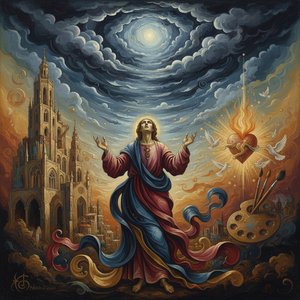
El Greco: Spirituality, Style & Innovation – A Renaissance Master's Legacy
Explore the captivating world of El Greco! Discover his unique style, spiritual intensity, and lasting impact on art history. Learn about this Renaissance master's life, iconic paintings & legacy.
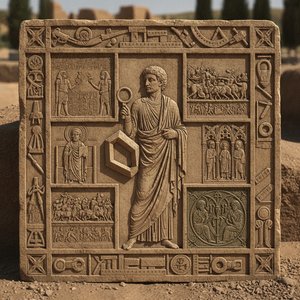
Mastering Dimension: An Art Historian's Guide to the Elegance of Sculptural Relief Art
Explore the profound beauty of sculptural relief art. From classical bas-relief to modern geometric textures, discover how depth and light transform spaces through an expert guide on art history and sophisticated curation for discerning collectors.


