 Преглед в реален мащаб
 Изпрати
 Сподели
 Детайли
 Ръководство

 Изтегляне
 Подобни артикули
 Рентгенова снимка
 Слайдшоу
 Въпроси и отговори
 Статистика
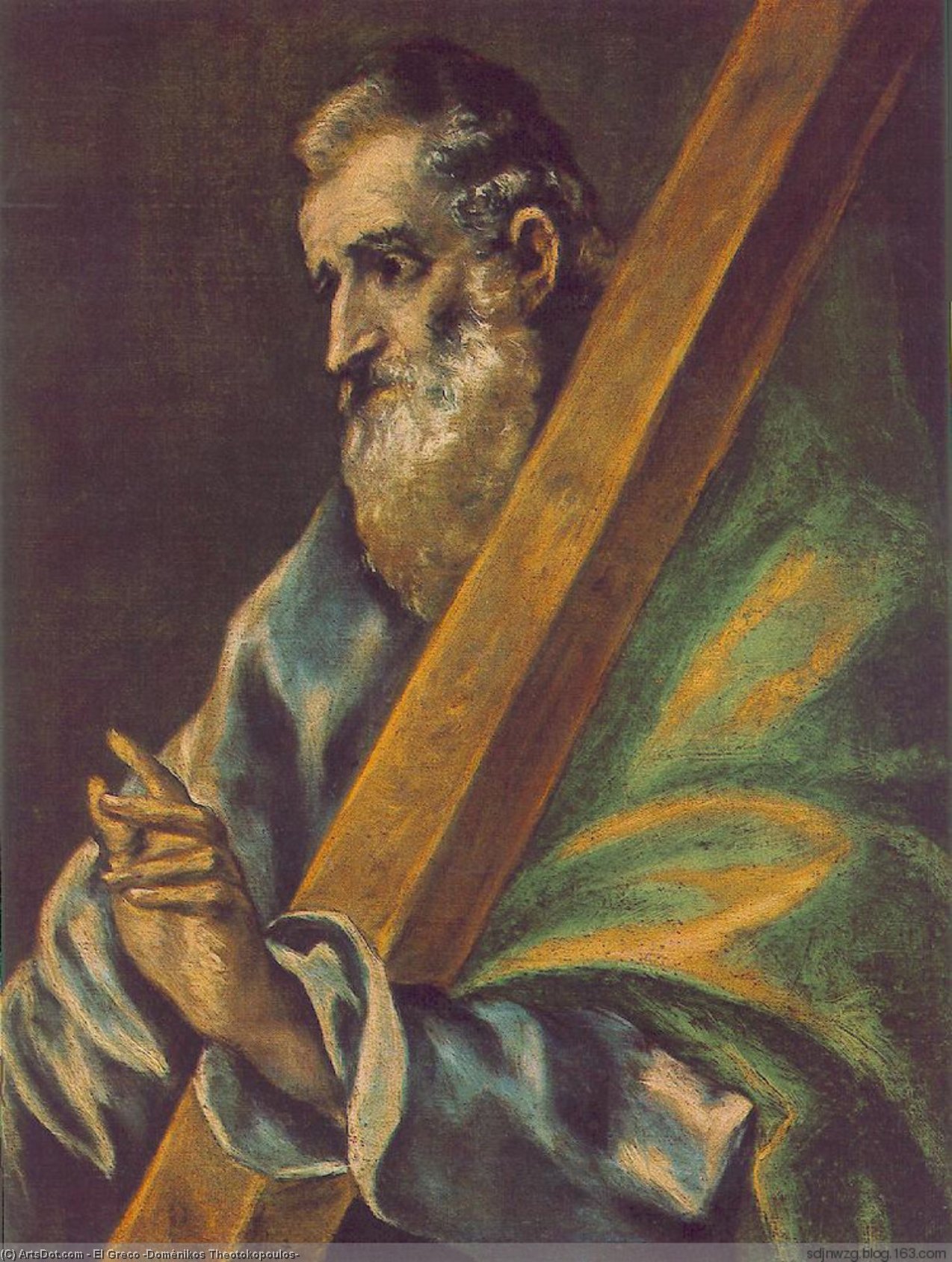
Apostle St Andrew

- 70.0 x 53.0 cm


 Прочети повече
Жикле / Художествен принт
Giclée печат или принт върху платно с музейно качество, бързо производство и гъвкави опции за завършен вид. ( Купете ръчно рисувана картина Превключване към дигитално изображение)




P118B €10

P118H €10

P118W €10

P438Z €10

P508JH €12

P508YH €12

P805H €10

P805Z €10

P919BZ €10

P919G €10

P919XJ €10

P959ZH €10

P968JZ €12

W106C €8

W218G €10

W218JH €8

W218Y €10

W307PJ €10

W316G €10

W316PJ €8

W316Y €10

W398PJ €8

W4111J €10

W500HY €15

W500JH €15

W692G €12

W849H €8

W940BG €15

W953PJ €8




Изберете от нашите предварително зададени размери, които съответстват на оригиналните пропорции на произведението.

Въведете необходимата ширина и височина, за да паснат на вашата рамка или стена. Принтовете могат само да се изрязват, но никога не могат да бъдат по-големи от оригиналната картина, така че при размер с различен формат част от изображението ще бъде загубена. Преди да започнем печат, ще ви изпратим дигитален мок업 за одобрение. Изображението, показано на тази страница, не показва реалното изрязване — само мок업ът го показва.
Доставка по целия свят () в рамките на 2 седмици вместо стандартните 4/5 седмици. (10 Ноември)

Безплатна експресна доставка по целия свят

Висококачествено ленено платно

Пълно застраховане на доставката

Гаранция за възстановяване на митнически такси

Гаранция за пълно съответствие на цветовете

Политика за връщане в рамките на 100 дни (само при дефекти)

100% Гаранция за връщане на сумата

Оферта за отстъпка при поръчка на повече бройки
 Опцията със стъкло е налична само за размери под 110 см

Apostle St Andrew
Жикле / Художествен принт
Размер на репродукцията
-


Обща цена
€ 73
A Deep Dive into El Greco’s “Apostle St Andrew”
Doménikos Theotokópoulos, universally known as El Greco – “the Greek” – stands apart from his contemporaries as a painter whose artistic vision transcended conventional boundaries. Born in Crete in 1541, under Venetian dominion, his journey through Venice and Rome ultimately solidified his indelible mark on the artistic landscape of Spain: Toledo became his spiritual home and the crucible for his revolutionary style. El Greco wasn’t merely absorbing influences; he masterfully synthesized them—Byzantine solemnity blended seamlessly with Western Renaissance dynamism—resulting in an aesthetic that foreshadowed movements like Expressionism and Cubism centuries ahead of their time. His formative years within the Byzantine tradition instilled a meticulous attention to detail and a profound understanding of religious iconography, shaping his approach to portraying sacred subjects. Yet, he refused to be confined by dogma, actively pursuing new artistic horizons. He signed his canvases in Greek – “Krḗs” – proudly asserting his Cretan heritage while simultaneously embracing the stylistic currents circulating throughout Europe. The genesis of El Greco’s distinctive style can be traced back to a pivotal moment: witnessing the devastation wrought by the Lisbon earthquake of 1755, which profoundly impacted him emotionally and spurred him to experiment with innovative compositional strategies.The Artist's Singular Style: Long Lines and Vibrant Color
El Greco’s artistic signature is instantly recognizable—characterized by elongated figures rendered in luminous hues against backgrounds imbued with a palpable sense of mysticism. “Apostle St Andrew” exemplifies this approach perfectly. The artist employs dramatic foreshortening, elongating the saint’s body to convey spiritual intensity and conveying an ethereal quality rarely achieved during his era. His palette explodes with rich blues and golds—a deliberate choice reflecting Venetian artistic traditions but infused with a uniquely El Greco sensibility. These colors aren't merely decorative; they serve as conduits for emotion, amplifying the solemn grandeur of the scene. The artist’s technique is equally noteworthy: he utilizes impasto – thick brushstrokes – to sculpt texture onto the canvas surface, creating palpable depth and enhancing the visual impact of the composition. This textural richness contributes significantly to the painting's expressive power.Symbolism Embodied in Light and Gesture
The central element—the cross held by St. Andrew—is laden with symbolic significance. It represents his martyrdom and underscores his unwavering faith, mirroring the broader Christian narrative of sacrifice and redemption. The saint’s gaze is directed upwards, conveying humility and reverence – a gesture that speaks to the spiritual core of Byzantine art. Furthermore, the drapery surrounding St. Andrew is rendered with meticulous detail, capturing folds and creases that convey movement and dynamism—a stylistic departure from more static depictions prevalent in earlier periods. The subtle interplay of light and shadow further enhances the painting’s dramatic atmosphere, guiding the viewer's eye toward the focal point and amplifying the saint’s solemn presence.Historical Context: Venetian Influence Meets Andalusian Spirit
El Greco’s artistic trajectory was shaped by the cultural currents of his time—particularly the influence of Venice, where he honed his skills during a formative period. However, he wasn't merely imitating Venetian aesthetics; he transformed them into something wholly original, reflecting the spiritual fervor of Andalusia and forging an artistic identity that resonated across Europe. His work stands as testament to the enduring power of tradition blended with innovation—a legacy that continues to inspire artists today. To appreciate El Greco’s genius fully, a visit to The Museum Szépmûvészeti Múzeum (Budapest, Hungary) offers invaluable insight into his oeuvre and its broader artistic context.Въпроси и отговори
Как се преплитат стилът и епохата в „Apostle St Andrew“ на Ел Греко?
"Apostle St Andrew" принадлежи към направлението Baroque, а неговият създател е творил в епохата на Ренесанс.
Свободен ли е от авторско право "Apostle St Andrew"?
„Apostle St Andrew“ на Ел Греко е в в обществено достояние – авторското право е изтекло. Този статус определя как може да бъде репродуцирано изображението на произведението.
За какво се препоръчва използването на принт от "Apostle St Andrew"?
Препоръчителното приложение за „Apostle St Andrew“ на Ел Греко е Accent. Може да се използва и за други цели също.
Биография на художника
Критската основа
Доменикос Теотокопулос, познат на историята като Ел Греко, започва своя път през 1541 г. на остров Крит. По това време островът е под управлението на Венеция – факт, който по-късно ще му позволи да преодолее пропастта между източните и западните традиции. Той е обучен като иконописец в рамките на византийската традиция – дисциплина, която изисква прецизно внимание към детайла и фокус върху духовната същност на субекта, а не просто върху физическото му подобие. Това ранно потапяне в критската школа му дава чувство за символична прецизност, което остава константа в творчеството му, дори когато стилът му преминава през радикални трансформации.
На двадесет и шест години той се премества във Венеция, стремещ се да разшири разбирането си за естествения свят. В Венецианската република той се сблъсква с творчеството на Тициан и Тинторето, поглъщайки тяхното майсторство в работата с цвят и използването на светлината за дефиниране на формата. Той се научава да се отдалечава от скованите линии на младостта си, приемайки по-плавни мазове и чувство за динамизъм. Този период не е отказ от корените му, а тяхно разширяване, тъй като той започва да смесва дисциплинираната иконография на своето гръцко наследство с атмосферната чувственост на италианския Ренесанс.
Трансформацията в Толедо
След престой в Рим, където се запознава с удължените форми и сложните композиции на маньеризма, Ел Греко се заселва в Толедо, Испания, през 1577 г. Това преместване се оказва решаващо. Толедо е център на интензивен религиозен пыл по време на Контрреформацията, предоставяйки пейзаж, идеално подходящ за неговото все по-мистично виждане. Тук неговият стил достига своята най-характерна фаза, белязана от фигури, които изглеждат разтегнати и изкривени, сякаш привличани от невидима духовна сила. Той използва цвета не за да имитира реалността, а за да засили емоционалното въздействие, често използвайки неестествени нюанси, за да изрази божественото.
Творчеството му в Испания е белязано от напрежение между земното и ефирното. В Погребението на граф Оргас (1586-1588) той съпоставя реалистичното изображение на съвременни фигури с удължени, небесни форми, създавайки визуална връзка между смъртните и божественото. Способността му да манипулира светлината и сянката му позволява да създаде чувство за драма, която изглежда едновременно театрална и дълбоко лична. Той не просто рисува сцени; той се опитва да предаде емоционалните и духовните реалности, които съществуват отвъд повърхността на физическия свят.
Наследство от форма и светлина
Последните години от живота му бележат движение към още по-голяма абстракция и мистицизъм. Композициите му стават по-сложни, а фигурите – по-изкривени, отразявайки нарастващото откъсване от конвенционалните художествени норми. Въпреки че постига успех и получава значителни поръчки от църкви и манастири в Толедо, неговото влияние не се усеща веднага от по-широкия арт свят след смъртта му през 1614 г. За дълъг период от време той е възприеман като ексцентрик, а творчеството му е пренебрегвано от основните течения на историята на изкуството.
Едва през 20-ти век неговата важност е напълно призната. Модернистите откриват в него предшественик на експресивните и фрагментирани стилове на бъдещето. Неговата способност да изкривява пропорциите и да използва смел, емотивен цвят резонира с тези, които се стремят да предадат вътрешни психологически състояния. Днес неговите картини се разглеждат като прозорци към човешкия дух, прославени със своята уникална способност да улавят интензивността на вярата и борбата за трансцендентност.
Значими творби включват:
- Погребението на граф Оргас (1586-1588)
- Глед за Толедо (1596-1600)
- Отварянето на петия печат (1608-1614)
- Свети Себастян (1600)
- Ел Есполио (1577-1579)

Ел Греко
1541 - 1614 , Гърция
Бърза информация
- Artistic Movement Or Style: Ренесанс и Барокко
- Artists Who Influenced This Artist:
- Тициан
- Тинторетто
- Date Of Birth: 1541 г.
- Date Of Death: 1614 г.
- Full Name: Doménikos Θεοτοκόπουλος
- Nationality: Гръцки-Испански
- Notable Artworks:
- Погребението на граф Оргоз
- Панорама над Толедо
- Разделен Христосъбитие
- Place Of Birth: Крета, Гърция
Свързани статии

The Dramatic Flourish: Exploring the Baroque Movement's Enduring Legacy in Art History
Explore the dramatic world of Baroque art! Discover iconic artists like Caravaggio & Rubens, defining techniques, and its lasting impact on art history. Expert insights for collectors & enthusiasts at OriginalUniqueArt.
El Greco: Spirituality, Style & Innovation – A Renaissance Master's Legacy
Explore the captivating world of El Greco! Discover his unique style, spiritual intensity, and lasting impact on art history. Learn about this Renaissance master's life, iconic paintings & legacy.
The Golden Age Reforged: Dramatic Realism & Religious Zeal in Spanish Baroque Art
Explore the dramatic world of Spanish Baroque art! Discover masters like Zurbarán & the powerful influence of religious zeal on painting techniques – a guide for collectors and enthusiasts.

Топ 25 шедьовъра на Ел Греко: Духовност и гений в изкуството за вашия дом
Разгледайте топ 25 шедьовъра на Ел Греко – икони на Ренесанса и испанското изкуство. Открийте историите зад духовните му картини, уникалната техника и символиката във всяка творба. Купете висококачествени репродукции за вашия дом на OriginalUniqueArt.com!

Топ 10 шедьоври на Барока: История, артисти и великолепие за вашия дом
Разгледайте 10 шедьовъра на Барока от Караваджо, Рембрандт и Рубенс! Открийте историите зад тези емблематични картини и скулптури. Вдъхновете се за вашия интериор с OriginalUniqueArt.com – луксозни репродукции и изкуство за дома.


